

A smart city is a city that uses technology to improve the quality of life for its residents and to make the city more efficient and sustainable. Smart cities use a variety of technologies, including sensors, the Internet of Things (IoT), artificial intelligence (AI), and big data analytics.
These technologies enable smart cities to gather and analyze data in real-time, allowing for better decision-making and resource allocation. Additionally, smart cities aim to enhance connectivity and communication between citizens and the local government, fostering a more inclusive and participatory urban environment.
The Key Technologies That Build Smart Cities
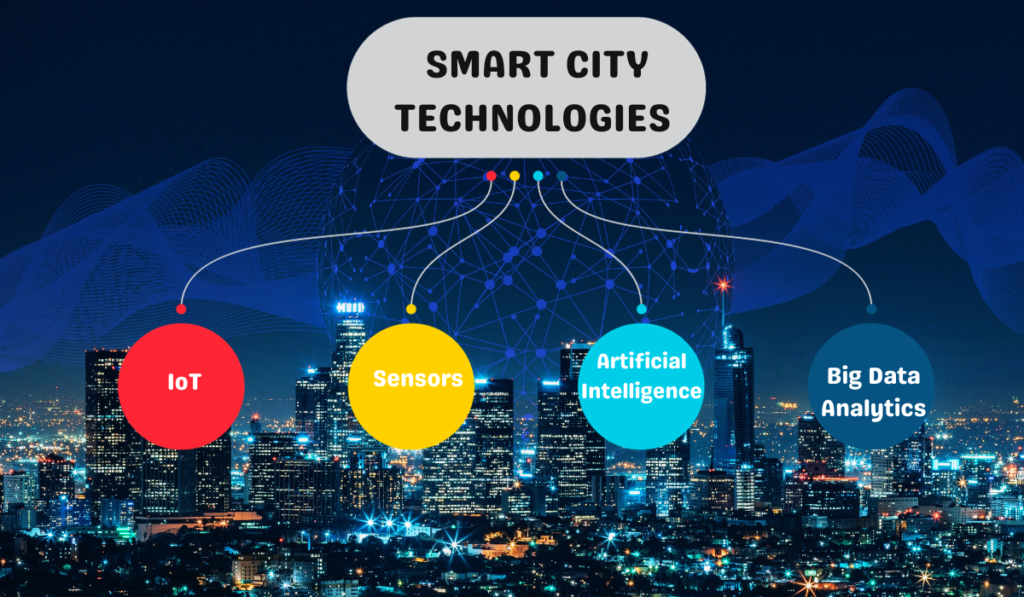
Key technologies used in smart cities include:
- Sensors: Sensors are used to collect data about the city environment, such as traffic flow, air quality, and energy consumption. This data can be used to improve city services, reduce congestion, and protect the environment.
- IoT: The IoT is a network of devices that are connected to the internet and can collect and share data. IoT devices are used in smart cities to collect data about everything from traffic patterns to parking availability to building occupancy. This data can be used to improve the efficiency of city services and make the city more livable for residents.
- Artificial intelligence: AI is used in smart cities to analyze data and make decisions. For example, AI can be used to optimise traffic signals, reduce energy consumption, and predict crime.
- Big Data Analytics: Big data analytics is used in smart cities to analyze large amounts of data to identify patterns and trends. This information can be used to make better decisions about city planning, transportation, and resource management.
How are Sensors and IoT Improving Urban Life?
Sensors and the IoT are being used in a variety of ways to improve urban life. For example:
- Smart parking: Sensors can be used to detect when parking spaces are available and to guide drivers to open spaces. This can help to reduce congestion and make it easier for drivers to find parking.
- Smart traffic lights: Sensors can be used to monitor traffic flow and to adjust traffic lights accordingly. This can help to reduce congestion and improve travel times for commuters.
- Smart waste management: Sensors can be used to track the fill level of waste bins and to send alerts when bins need to be emptied. This can help to improve waste collection efficiency and reduce the amount of litter on the streets.
- Smart buildings: Sensors can be used to monitor energy consumption and to adjust building systems accordingly. This can help to reduce energy costs and make buildings more sustainable.
When did the Smart City Concept Begin?
The dawn of the 21st century witnessed a profound shift in urban development paradigms with the emergence of the smart city concept. Rooted in the rapid development of groundbreaking technologies like the Internet of Things (IoT) and big data analytics, the early 2000s marked a pivotal moment in reimagining the future of urban landscapes.
In a notable stride towards shaping urban evolution, the year 2008 witnessed the inauguration of the Smart Cities Initiative by the European Commission. This landmark initiative was a strategic step aimed at catalysing and promoting the development of smart cities across Europe. By fostering collaboration, innovation, and the integration of cutting-edge technologies, the initiative aimed to position European cities at the forefront of the global smart city movement.
Thus, the smart city concept not only emerged as a response to technological advancements but also as a deliberate and concerted effort to redefine urban living. The confluence of visionary technologies and strategic initiatives laid the foundation for a new era in urban development, where cities would not only harness the power of technology but also embody a commitment to sustainability, efficiency, and the holistic well-being of their inhabitants.
Where are Smart City Innovations Happening?
Smart city innovations are happening all over the world, but some of the leading locations include:
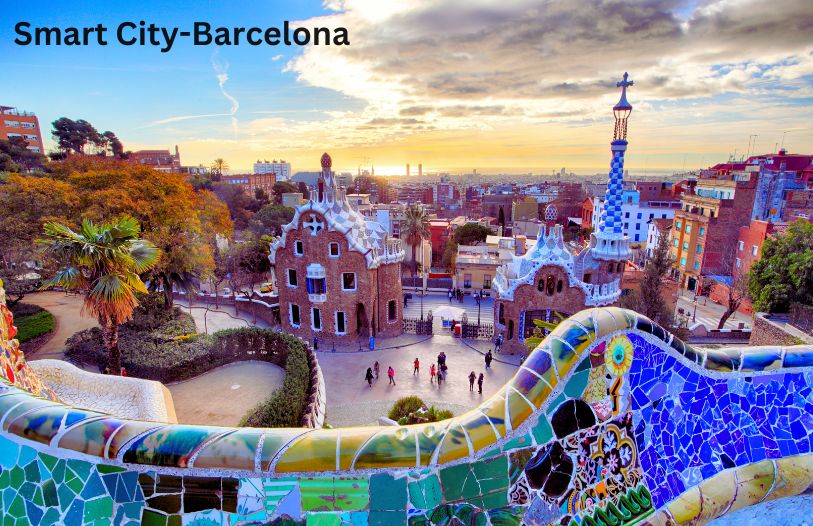
Barcelona, Spain: Barcelona is a leader in smart city development, with a number of initiatives in place to improve the quality of life for its residents. For example, the city has a smart parking system, a smart waste management system, and a smart grid.
Singapore: Singapore is another leading smart city, with a focus on using technology to improve its sustainability and efficiency. For example, the city has a smart traffic management system that uses AI to optimise traffic flow.

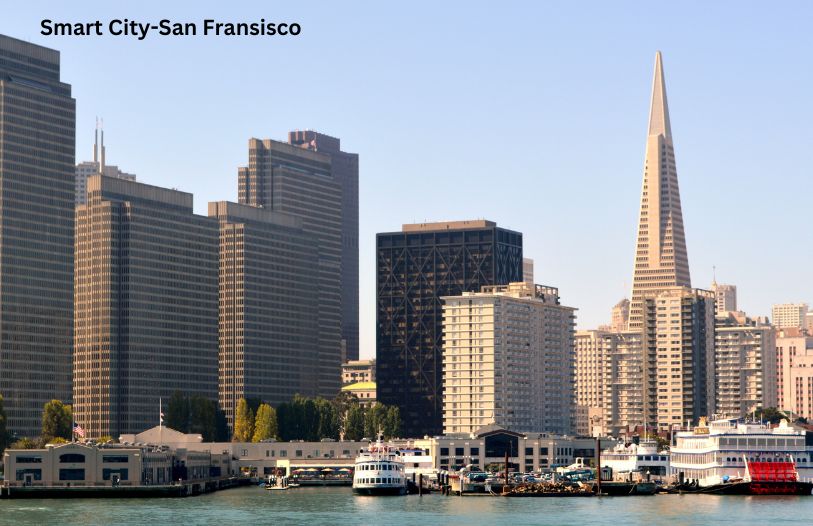
San Francisco, USA: San Francisco is a leader in smart city technology, with a number of startups and companies developing new smart city solutions. For example, the city is testing a number of self-driving cars and has a number of smart parking and traffic management initiatives in place.
Why Smart Cities? Discuss Benefits and Sustainability impact.
The adoption of smart city technologies is driven by a compelling array of benefits that extend far beyond mere technological advancement. Here are key reasons why the pursuit of smart cities is crucial for the future.
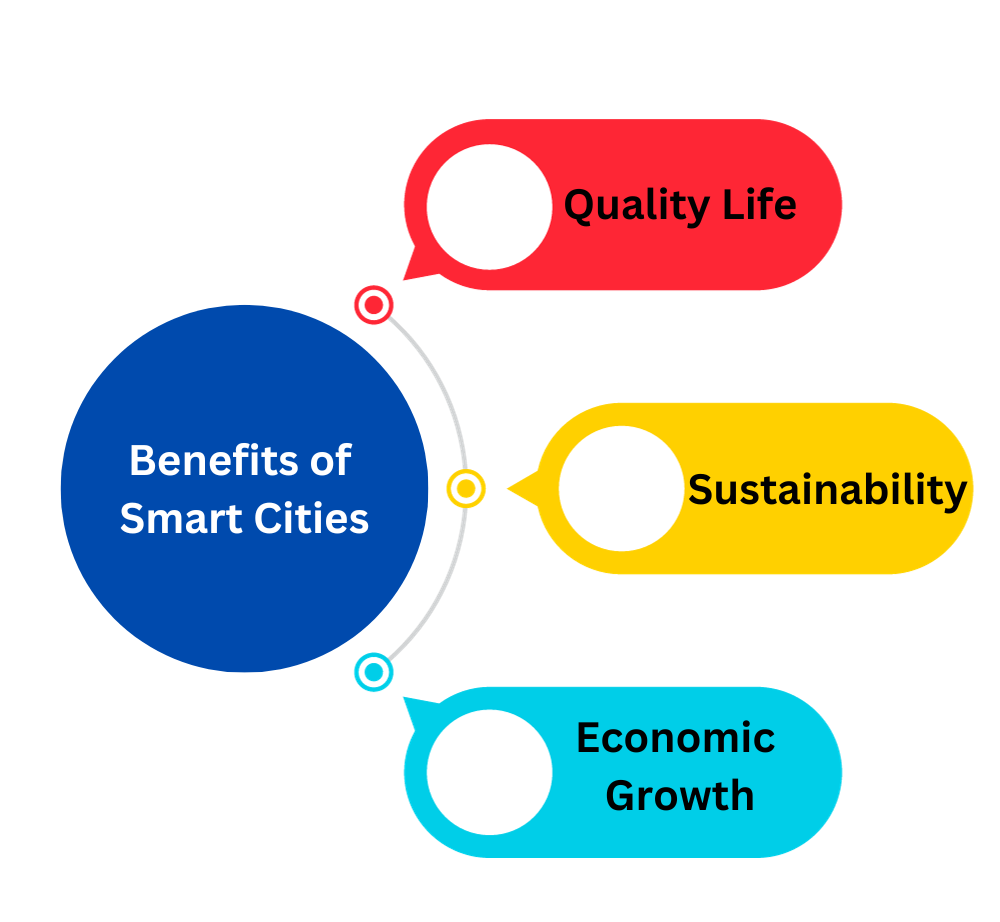
- Improved quality of life: Smart cities can use technology to improve the quality of life for residents, such as by reducing congestion, improving air quality, and making transportation more efficient.
- Sustainability: Smart cities can use technology to reduce their environmental impact, such as by using renewable energy, improving energy efficiency, and reducing waste.
- Economic growth: Smart cities can attract new businesses and residents, and they can create new jobs in the technology sector.
What’s Next for Urban Tech? Future Smart City Trends
Some of the future trends in smart city technology include:
- The rise of AI: AI will play an increasingly important role in smart cities as it is used to develop new and innovative solutions to urban challenges.
- The growth of the IoT: The IoT will continue to grow, and more and more devices will be connected to the internet. This will lead to new opportunities for data collection and analysis, which can be used to improve city services and make the city more livable.
- The emergence of new technologies: New technologies such as 5G and blockchain are emerging, and these technologies have the potential to revolutionise the smart city landscape.
Conclusion
In summary, smart cities leverage advanced technologies like sensors, IoT, AI, and big data to revolutionise urban living. From optimising traffic and parking to enhancing sustainability, these cities are at the forefront of innovation.
Smart cities aren’t just about technology; they represent a commitment to sustainability, economic growth, and improved living standards. As we look ahead, AI and the expanding IoT offer exciting possibilities, while emerging technologies like 5G and blockchain are poised to redefine the smart city landscape.
In essence, the journey to smart cities is a pursuit of efficiency, sustainability, and resident well-being. The future promises not just smart cities but visionary urban landscapes, where technology enriches every aspect of urban life.


Leave a Reply
You must be logged in to post a comment.