Cloud Network Security is a paramount aspect of this evolving technological landscape. As more sensitive information and mission-critical functions migrate to the cloud, safeguarding these digital assets from an ever-growing array of cyber threats becomes imperative.
In this era, network security extends beyond traditional perimeters, necessitating innovative approaches to protect cloud environments and data.
We will examine the unique security considerations presented by cloud networks, the threats that loom in this environment, and the advanced solutions designed to fortify your organization’s digital presence in the cloud.
What exactly is cloud network security?
Cloud Network Security is a crucial aspect of cloud computing that helps protect public, private, and hybrid cloud networks from unauthorized access, modification, misuse, or exposure. It is one of the foundational layers of cloud security that enables companies to embed security monitoring, threat prevention, and network security controls to help manage the risks of the dissolving network perimeter.
If you expand your current network to cloud-based environments, there are a variety of consequences for security. Historically, every on-premises solution had an undefined perimeter between your internet and the internal network, as well as several multi-layered security measures like physical firewalls and routers, intrusion detection, and much more. However, as more users and workloads move over the on-prem boundary, it becomes more challenging to recognize and react to attacks using the previous security measures to create an effective network.
To keep pace with the rapid growth of today’s IT environments, companies require a more straightforward method to deploy and manage network security that is integrated directly into the cloud. Cloud-based security for networks allows you to reduce risks, meet the requirements of compliance, and guarantee secure and efficient operations.
According to Google Cloud, cloud network security refers to the security measures–technology, policies, controls, and processes–used to protect public, private, and hybrid cloud networks. As with cloud security, security is a term that refers to the policies, technology control, procedures, and methods employed to safeguard data. It only focuses on protecting cloud networks from unauthorized access and misuse or exposure. Cloud security is one of the primary layers of cloud security, which allows companies to incorporate surveillance of security, threat detection, and security measures for networks to manage the security risks associated with the disappearing firewall.
Why is cloud network security important?
Cloud network security is essential because it helps protect public, private, and hybrid cloud networks from unauthorized access, modification, misuse, or exposure. When you connect your existing network to cloud-based environments, it comes with numerous security implications. Historically, any on-premise approach involved a distinct perimeter between the internet and your organization’s internal network and a variety of multi-layered defences like physical firewalls, routers, intrusion detection, and more. But as more workloads and users move beyond your on-premise perimeter, it becomes harder to detect and respond to intrusions using previous perimeter protections to create a secure network.
Utilizing cloud network security is necessary when using cloud-based infrastructure to safeguard your systems, data, and apps. With cloud network security, you can guarantee secure and effective operations, reduce risk, and comply with regulations. Utilizing cloud-based infrastructure that incorporates network security features like policy-based enforcement mechanisms and centralized monitoring helps minimize risk and ensure secure operations for enterprises.
In summary, cloud network security is an essential aspect of cloud computing that helps protect public, private, and hybrid cloud networks from unauthorized access or exposure. It forms one of the foundational layers of cloud security that enables companies to embed security monitoring, threat prevention, and network security controls to help manage the risks of the dissolving network perimeter.
How is it different from traditional network security?
Cloud network security and traditional network security are different in several ways.
Traditional network security involves securing the underlying infrastructure that supports computing, such as routers, switches, firewalls, and other devices. It also includes ensuring the communication channels between different components of a computing infrastructure.
On the other hand, cloud network security describes the technologies, procedures, controls, and policies that are utilized to safeguard public, private, and hybrid cloud networks. Similar to cloud security, cloud network security is the exclusive focus of safeguarding cloud networks against unauthorized access, modification, misuse, or disclosure. It encompasses the technology, rules, controls, and procedures used to protect data. One of the fundamental pillars of cloud security is cloud network security, which enables businesses to incorporate threat prevention, security monitoring, and network security controls to help limit the risks associated with the network perimeter collapsing.
One of the key differences between traditional network security and cloud network security is that traditional network security is primarily focused on securing on-premises infrastructure. In contrast, cloud network security is focused on securing cloud-based infrastructure.
Another difference is that traditional network security typically involves deploying physical devices such as firewalls and intrusion detection systems. In contrast, cloud network security relies on virtualized solutions that are built directly into the cloud environment.
In summary, while both traditional network security and cloud network security are essential aspects of securing computing infrastructure, they differ in their focus and approach. Traditional network security focuses on securing on-premises infrastructure, while cloud network security focuses on securing cloud-based infrastructure using virtualized solutions.
Threats to Cloud Network Security
Cloud networks are vulnerable to various types of threats, such as data breaches, malware attacks, DDoS attacks, insider threats, and more. These threats can cause significant damage to your business by compromising sensitive data or disrupting critical services. Therefore, it is essential to understand these threats and take appropriate measures to mitigate them.
Some common threats to cloud network security include:
Data Breaches: Unauthorized access or theft of sensitive data can lead to significant financial and reputational damage to an organization. Data breaches can occur due to various reasons, such as weak passwords, unpatched software vulnerabilities, or social engineering attacks. Attackers can use stolen data for identity theft, financial fraud, or other malicious purposes.
Malware Attacks: Malicious software that can infect your systems and steal data or disrupt services. Malware can enter your plans through various means, such as email attachments, malicious websites, or infected software. Once inside your systems, malware can steal sensitive data, encrypt files for ransom, or cause system crashes.
DDoS Attacks: Distributed Denial-of-Service attacks that can overwhelm your systems with traffic and cause them to crash. DDoS attacks are often used to disrupt the availability of online services or extort money from organizations. Attackers can use botnets or other means to generate massive amounts of traffic that can saturate your network bandwidth and make your services unavailable.
Insider Threats: Malicious or negligent insiders who can intentionally or unintentionally cause harm to your systems. Insider threats can come from employees, contractors, or partners who have authorized access to your plans and data. They can steal sensitive data, introduce malware, or cause system outages due to negligence or mistakes.
Cloud Network Security Solutions
There are several solutions available for securing cloud networks. Here are some best practices for implementing cloud network security solutions:
Encryption: Encrypting data at rest and in transit can help protect it from unauthorized access. Encryption should be implemented using robust encryption algorithms and keys, and the keys should be managed securely. It is also vital to ensure that the encryption solution is compatible with your cloud environment.
Access control: Implementing strict access control policies can help prevent unauthorized access to your systems. Access control policies should be based on the principle of least privilege, which means that users should only have access to the resources they need to perform their job functions. Access control policies should also be regularly reviewed and updated to ensure that they are effective.
Firewalls: Deploying firewalls can help monitor incoming and outgoing traffic and block malicious traffic. Firewalls should be configured to allow only authorized traffic and should be regularly updated with the latest security patches.
Intrusion detection/prevention systems: Deploying intrusion detection/prevention systems can help detect and prevent malicious activity on your plans. These systems use various techniques, such as signature-based detection, anomaly detection, and behavioural analysis, to identify potential threats. They should be configured to generate alerts when suspicious activity is detected, and the warnings should be reviewed promptly.
Security information and event management (SIEM): Implementing SIEM solutions can help monitor your systems for suspicious activity. SIEM solutions collect and analyze log data from various sources to identify potential security threats. They can also generate alerts when suspicious activity is detected, enabling security teams to respond quickly.
It is important to note that there is no one-size-fits-all solution for securing cloud networks. The best approach depends on your specific business needs and requirements. By following these best practices, you can minimize the risk of cloud network security breaches.
In conclusion, network security is a critical aspect of cloud computing that cannot be ignored. Securing cloud networks requires a multi-layered approach that involves implementing various technologies, policies, controls, and processes. By following best practices for securing cloud networks, such as encryption, access control, firewalls, intrusion detection and prevention systems, and SIEM solutions, you can minimize risk and ensure safe and efficient operations in your organization’s cloud environment.
Dive into the transformative impact of Metal Blockchain on cryptocurrency transactions in this enlightening article. Discover how this innovative platform is reshaping the digital currency landscape.
Welcome to the world of Metal Blockchain, where innovation meets the world of digital currencies. It represents an open-source platform designed to facilitate the deployment of decentralized applications and enterprise blockchain solutions within a single, highly scalable, and interoperable ecosystem. It was created by Metal Pay, a blockchain-based payment processing platform that aims to revolutionize the way people and businesses transact In this article, we’ll take you on a journey to understand what Metal Blockchain is all about and why it’s making waves in the realm of cryptocurrencies.
The Genesis of Metal Blockchain
Metal Blockchain wasn’t a stroke of magic, but a meticulously crafted response to the limitations of its predecessors. Imagine a war room filled with passionate technologists, not wielding swords, but lines of code. Their mission? To forge a blockchain that addressed the Achilles’ heels of previous generations: slow transactions, exorbitant fees, and limited scalability. This, my friend, is the captivating genesis story of Metal Blockchain.
Where it all Began: The story starts with Metallicus, a visionary company established in 2016. Their team, armed with technical prowess and a keen understanding of blockchain’s potential, recognized the roadblocks impeding widespread adoption. They envisioned a future where digital transactions were instantaneous, cost-effective, and accessible to everyone, not just tech-savvy enthusiasts.
Building the Foundation: With a clear vision in mind, the Metal team meticulously designed a revolutionary architecture. They opted for the cutting-edge Layer Zero approach, offering unrivaled scalability and interoperability. This meant transactions could zip through the network at blazing-fast speeds, not crawl at a snail’s pace. Additionally, Metal Blockchain facilitated seamless communication with other blockchains, breaking down the walls that siloed information and value.
Sustainability at the Core: The Metal team wasn’t just concerned with speed and efficiency; they prioritized environmental responsibility. Unlike some energy-guzzling blockchains, Metal Blockchain adopted a sustainable consensus mechanism, minimizing its carbon footprint and leaving a lighter impact on the planet. This resonated with environmentally conscious users and positioned Metal Blockchain as a leader in responsible innovation.
Regulation as a Compass: Recognizing the hesitance of traditional financial institutions towards unregulated landscapes, the Metal team designed their blockchain with compliance in mind. They incorporated the latest regulatory standards, fostering trust and transparency between users, institutions, and regulators. This proactive approach paved the way for wider adoption and mainstream integration.
More Than Just Technology: The Metal team understood that technology alone couldn’t revolutionize the world. They focused on creating a user-friendly experience, making Metal Blockchain accessible to everyone, not just tech gurus. Their intuitive interface and diverse tools removed the intimidating complexity that often plagued other blockchains, welcoming users of all levels.
Metal Blockchain’s genesis wasn’t just about creating a faster blockchain; it was about building a better future. A future where financial transactions are swift, affordable, and inclusive, where sustainability is a core value, and where everyone, regardless of technical expertise, can participate. This is the legacy of the passionate minds who dared to dream and the meticulous efforts that brought that dream to life.
Challenges in Traditional Blockchains
Before Metal Blockchain heroically burst onto the scene, traditional blockchains grappled with several villains threatening widespread adoption. Let’s delve into these adversaries:
1. The Scalability Struggle: Imagine a bustling marketplace where transactions crawl slower than molasses in January. That’s the pain point of limited scalability in some popular blockchains. They were designed for niche use cases, not the global financial revolution. The result? Network congestion, skyrocketing transaction fees, and frustrated users left them waiting in an agonizing digital queue.
2. The Interoperability Enigma: Picture isolated islands unable to trade or communicate. That’s the challenge of the limited interoperability of some blockchains. They exist in silos, unable to seamlessly interact with each other, hindering the free flow of value and information.
3. The Sustainability Swamp: Imagine a power plant guzzling energy to light a single bulb. That’s the environmental impact of certain blockchains relying on energy-intensive consensus mechanisms. This raises concerns about sustainability and contributes to crypto’s negative environmental image.
4. The Regulatory Roadblock: Traditional financial institutions often view blockchains with suspicion due to a lack of clear regulations. This regulatory uncertainty creates a hesitant dance, hindering mainstream adoption and innovation.
5. The User Experience Labyrinth: Navigating some blockchains can feel like wandering a maze blindfolded. Complex interfaces, technical jargon, and a lack of user-friendly tools create barriers for mainstream users, hindering mass adoption.
Enter Metal Blockchain: The Valiant Vanguard
Metal Blockchain emerges as a shining knight, addressing these challenges head-on. By leveraging innovative technologies like Layer Zero architecture and the Antelope virtual machine, it delivers:
Lightning-fast transactions: Imagine instant settlements, not agonizing waits. Metal Blockchain boasts impressive scalability, handling thousands of transactions per second.
Interoperability bridge: Think seamless value and information exchange across different blockchains. Metal Blockchain facilitates smooth interconnectivity, breaking down silos.
Sustainable hero: Picture a blockchain that runs on clean energy. Metal Blockchain’s consensus mechanism minimizes environmental impact.
Regulation-ready: Imagine a blockchain designed with compliance in mind. Metal Blockchain incorporates the latest standards, fostering trust and regulatory clarity.
User-friendly champion: Imagine a blockchain as intuitive as your favorite app. Metal Blockchain prioritizes a smooth and accessible user experience for everyone.
Metal Blockchain doesn’t just fight the villains; it rewrites the narrative. It’s not just a faster blockchain; it’s a gateway to a more inclusive, interconnected, and sustainable financial future.
Metal Blockchain: A New Era in Digital Transactions
Metal Blockchain is a revolutionary platform that offers a new era in digital transactions. It is an open-source ecosystem that enables the creation of decentralized applications and enterprise blockchain deployments. The platform is built on top of the Avalanche project and features a fork of the highly successful Avalanche consensus algorithm.
Metal Blockchain is designed to be the fastest and most compliant Layer 0 solution in the industry, offering infinite TPS with subnets, less than 0.5 second transaction finality, an 80% parameterized safety threshold, and is BSA compliant (Bank Secrecy Act). The platform is built by developers, for developers, and offers the ability to create smart contracts using Solidity, C++, and Typescript. It also allows users to build frictionless dApps such as DeFi, DAOs, collectables, and more. Metal Blockchain is EVM-compatible and allows for easy migration of projects.
Its ability to work smoothly across multiple blockchains ensures effortless transactions between networks, while its advanced elements enhance efficiency and encourage innovative developments.
Unpacking the Technology Behind Metal Blockchain
Metal Blockchain utilizes a fascinating technology known as Proof of Processed Payments (PoPP) to incentivize users to use Metal. PoPP functions as a reward system, where users are granted Metal’s cryptocurrency, MTL, for their participation in sending and receiving money through Metal Blockchain. This concept essentially means that by simply using Metal, users receive an additional bonus in the form of MTL. The implementation of this reward system adds an extra layer of awesomeness to the Metal experience.
Ensuring the Security of Your Transactions and Data

The safety and security of our transactions are paramount to us all. This is where Metal Blockchain’s cutting-edge technology comes into play. It functions as a digital fortress, dedicated to safeguarding your transactions and data. Metal Blockchain places a strong emphasis on privacy, employing state-of-the-art methods to ensure that your information remains confidential and your transactions stay protected. With Metal Blockchain, you can confidently utilize the platform, resting assured that your finances and data are well-protected and in reliable hands.
Metal Pay: A New Dawn for Digital Transactions
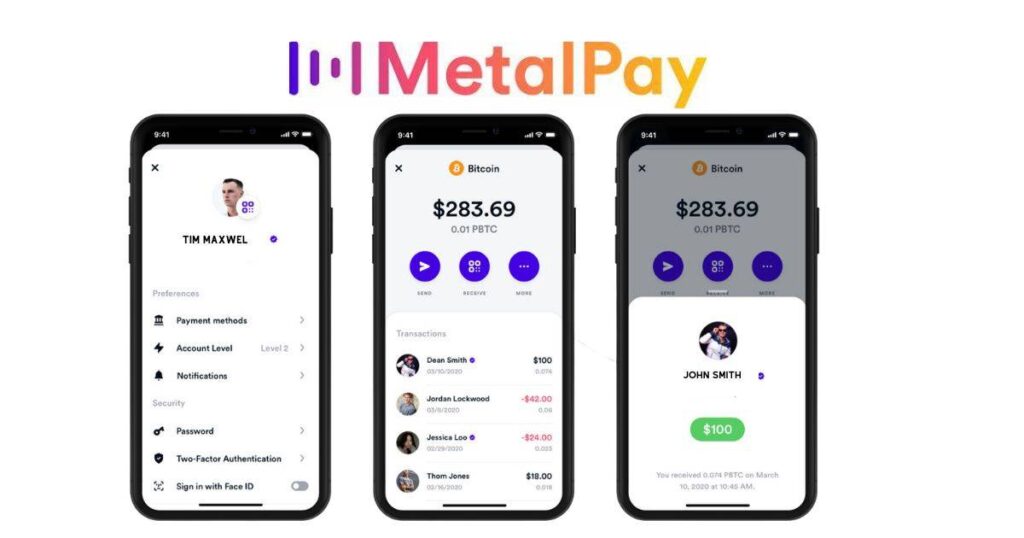
Let’s explore the practical usage of Metal Blockchain. Among the many remarkable features offered by Metal, there’s Metal Pay, an invaluable tool designed to simplify your digital transactions. With Metal Pay, the process of sending and receiving money becomes effortlessly straightforward, requiring just a few taps on your smartphone. It’s as uncomplicated as sending a text message – no need to grapple with convoluted procedures. Metal Pay is meticulously crafted with your convenience in mind, transforming your digital interactions into a seamless and hassle-free experience.
Benefits of Using Metal Pay
So, why should you use Metal Pay instead of traditional payment methods? Well, there are plenty of reasons.
1. One of the most significant advantages of using Metal Pay is its speed. Transactions on the platform are lightning-fast, with almost instant processing times. This means you no longer have to wait around for your money to move, and you can enjoy seamless transactions.
2. Another benefit of using Metal Pay is the rewards program. Every time you use Metal Pay, you earn MTL, Metal’s cryptocurrency. This means that you get a little bonus every time you pay or get paid, which can add up over time. The rewards program is designed to incentivize users to use the platform more frequently and to promote the adoption of cryptocurrencies.
3. Metal Blockchain offers transparency by providing a transparent record of all transactions. This means that every transaction can be traced back to its origin, creating a transparent and auditable system. This transparency can help reduce fraudulent activities and increase trust among participants.

4. In addition to these benefits, Metal Pay is also highly secure and compliant with industry standards. The platform is built on top of the Avalanche project and features a fork of the highly successful Avalanche consensus algorithm. It has been meticulously engineered to stand as the swiftest and most regulation-compliant Layer 0 solution in the sector, delivering limitless TPS with subnets, transaction finality in less than half a second, an 80% parameterized safety threshold, and full compliance with the Bank Secrecy Act (BSA). The platform is built by developers, for developers, and offers the ability to create smart contracts using Solidity, C++, and Typescript.
5. Furthermore, it empowers users to create seamless decentralized applications (dApps) like DeFi, DAOs, collectibles, and various others. Metal Blockchain is fully compatible with the Ethereum Virtual Machine (EVM) and facilitates effortless project migration.
Now, you might be wondering, “Is all of this legal?” It’s a good question. Cryptocurrency regulations vary from place to place, and Metal Blockchain understands the importance of playing by the rules. One thing you should know is that Metal is committed to following financial regulations. They want to make sure that using Metal is safe and above board. So, if you’re worried about the legal side of things, Metal’s got you covered.
Metal Blockchain Price in the Global Market
Okay, we’ve covered how Metal Blockchain works and why it’s fantastic. But how is it doing in the big, wide world of cryptocurrencies? Well, that’s where performance and market trends come in. The value of Metal’s native cryptocurrency, MTL, can go up and down, just like stocks or any other currency. It’s influenced by lots of factors, like how many people are using Metal and what they’re using it for. One thing to keep in mind is that the world of cryptocurrencies can be a roller coaster. Prices can be really high one day and lower the next. So, if you decide to get into Metal, keep an eye on how things are going in the market.
Case Studies and Real-world Applications
Now that you understand the inner workings of Metal Blockchain and its place in the cryptocurrency market, let’s see how it’s making a real impact in the world. It’s not just theory; Metal is being put into action.
Case Study 1: Streamlining E-commerce Payments
Imagine you run a small online business selling handmade crafts. You want to offer your customers a way to pay for your beautiful creations with cryptocurrency. That’s where Metal Blockchain comes in. It provides a fast and secure payment option, making it easy for your customers to make purchases and for you to receive payments. It’s a win-win situation for both you and your customers.
Case Study 2: Empowering the Unbanked
In some parts of the world, only some have access to traditional banking services. This can make it challenging for people to send and receive money. Metal Blockchain has stepped in to bridge this gap. People who don’t have bank accounts can use Metal to send money to family members or friends, even if they’re in different countries. It’s a game-changer for financial inclusion.
Case Study 3: Rewards for Everyday Spending
Metal Pay encourages people to use cryptocurrency in their daily lives. Imagine going to your favorite coffee shop and using Metal Pay to buy your morning latte. Not only do you get your coffee, but you also earn MTL as a reward for using Metal Pay. Over time, these rewards can add up, creating an extra incentive for people to explore the world of cryptocurrency.
One of the remarkable aspects of Metal Blockchain is the vibrant and growing community that surrounds it. It’s not just about technology; it’s about people coming together to support and build something great.
Community Engagement The Metal community is filled with enthusiasts, users, and advocates who believe in the potential of this blockchain. They engage in discussions, share insights, and help newcomers understand the technology. If you’re new to Metal, you’ll find a welcoming community ready to assist you on your journey.
Supporting Development The power of community support goes beyond words. Many community members actively contribute to the Development of Metal through feedback, ideas, and even coding contributions. It’s a collaborative effort to make Metal even better.
Resources for newcomers For those just starting with Metal Blockchain, there are ample resources available. You can find guides, tutorials, and educational materials created by the community to help you navigate the world of Metal. Whether you’re a beginner or an experienced user, there’s something for everyone.
The Road Ahead for Metal Blockchain
As we wrap up our exploration of Metal Blockchain, it’s crucial to look ahead to what the future holds. Metal isn’t standing still; it’s on a journey of continuous improvement and growth.
Scalability and Security Metal has ambitious plans for scalability and security. They aim to enhance the speed and efficiency of transactions while maintaining top-notch security standards. This means even faster and safer digital transactions for users.
Adoption and Partnerships Metal is actively seeking partnerships and collaborations within the cryptocurrency and financial industries. These partnerships can open doors to broader acceptance and use of Metal’s technology, making it more accessible to people worldwide.
The Evolving Landscape In the fast-paced world of cryptocurrency, change is constant. The cryptocurrency landscape is evolving, and Metal is adapting to stay at the forefront. It’s an exciting journey, and by visiting updated, you can be part of the innovation.
The Future of Metal Industry: Melding Steel with Silicon
The integration of blockchain technology with the metal industry is not just a trendy upgrade; it’s a transformative leap into a future brimming with possibilities. While the immediate benefits in transparency, efficiency, and trust are undeniable, the long-term vision paints a breathtaking picture of a reimagined metal landscape:
1. Enhanced Supply Chain Visibility: Imagine a world where every ounce of metal, from mine to market, carries a transparent, immutable digital fingerprint. Blockchain’s distributed ledger technology (DLT) can do just that, providing real-time tracking and verification of every step in the supply chain. This reduces fraud, minimizes errors, and optimizes logistics, ultimately leading to a more sustainable and ethical metal industry.
2. Smarter Contracts, Streamlined Trade: Gone are the days of paper-based contracts and drawn-out negotiations. Blockchain-powered smart contracts automate agreements, ensuring terms are met and payments are triggered instantly upon fulfillment. This eliminates the need for intermediaries and streamlines international trade, boosting efficiency and reducing costs for all participants.
3. Sustainable Sourcing and Ethical Practices: Consumers are increasingly demanding ethically sourced metals, free from conflict and environmental concerns. Blockchain’s traceability enables verification of provenance, ensuring metals are mined and processed responsibly. This fosters transparency and accountability throughout the supply chain, empowering consumers to make informed choices and driving the industry towards sustainable practices.
4. Democratized Investment and Fractional Ownership: Traditional metal investments have been largely inaccessible to small-scale investors due to high entry barriers. Blockchain unlocks new possibilities by enabling fractional ownership of metals through tokenization. This democratizes investment and makes metal holdings more liquid and accessible, opening up the market to a wider range of participants.
5. Innovation and Data-Driven Optimization: The vast amount of data generated within the metal industry, from sensor readings to transaction details, holds immense potential for optimization and innovation. Blockchain’s secure data storage and sharing capabilities can empower machine learning and AI algorithms to analyze trends, predict failures, and optimize processes, leading to a more efficient and productive metal sector.
These are just a glimpse into the future of the metal industry, forged in the fires of blockchain innovation. As this technology matures and integrates further, we can expect even more transformative changes, revolutionizing not just how we trade and manage metals, but also how we interact with the very materials that shape our world.
The future of metal is bright, and blockchain is holding the torch. Are you ready to step into the light?
Conclusion
Metal blockchain is a dynamic and practical solution for modern digital finance. We’ve learned about its genesis, the challenges it aims to overcome, and the ingenious technology that powers it. We’ve also delved into the user-friendly Metal Pay platform, where transactions are swift, and rewards are just a tap away.
Moreover, we’ve examined Metal Blockchain’s commitment to regulatory compliance, ensuring that it operates within the bounds of financial regulations. Real-world case studies have shown us how Metal Blockchain is making an impact on e-commerce, financial inclusion, and everyday spending. We’ve explored the power of the Metal Blockchain community, where enthusiasts and developers come together to support and enhance the platform. Whether you’re a newcomer or an experienced user, you’re part of a welcoming and collaborative ecosystem.
What is Metal Blockchain?
Metal Blockchain is a high-performance, scalable, and sustainable blockchain platform designed for fast and affordable digital transactions. It utilizes Layer Zero architecture and the Antelope virtual machine for efficient processing and interoperability with other blockchains.
How is Metal Blockchain different from other blockchains?
Metal Blockchain focuses on scalability, reaching thousands of transactions per second compared to many slower traditional blockchains. It also prioritizes interoperability, allowing seamless communication with other blockchains, unlike siloed systems. Additionally, it emphasizes sustainability and user-friendliness.
What are the benefits of using Metal Blockchain?
Faster transactions: Experience near-instantaneous settlements compared to waiting times on other blockchains. Lower fees: Enjoy cost-effective transactions without breaking the bank. Interoperable ecosystem: Interact with various blockchains and transfer value seamlessly. Sustainable platform: Minimize your environmental impact with a blockchain designed for eco-friendliness. User-friendly experience: Navigate the blockchain easily with intuitive tools and interfaces.
What is the Metal token (MTL)?
MTL is the native token of the Metal Blockchain platform. It fuels transactions, incentivizes network participation, and serves as a governance token for the Metal community.
Is Metal Blockchain secure?
Yes, Metal Blockchain employs robust security measures like cryptography and consensus mechanisms to safeguard user data and assets. They prioritize compliance with regulatory standards, further enhancing trust and security.
In the 1950s, artificial intelligence (AI) began its captivating journey. Alan Turing, a pioneer in the field, introduced the Turing Test to gauge a machine’s ability to mimic human intelligence. Fast forward to the 1960s, AI research gained momentum with the birth of the first AI programming language called LISP, credited to John McCarthy. Early AI efforts focused on symbolic reasoning and rule-based systems, setting the stage for expert systems’ rise in the 1970s and 1980s. This journey unfolds in our exploration of artificial intelligence from mechanical minds to ethical algorithms.
A Concise History of Artificial Intelligence From Mechanical Minds to Ethical Algorithms
The fascinating journey of artificial intelligence (AI) commenced in the 1950s, when Alan Turing, a trailblazing figure in the field, introduced the Turing Test as a benchmark to assess a machine’s capacity to emulate human intelligence. By the 1960s, AI research had gained substantial momentum with the creation of the very first AI programming language, LISP, attributed to John McCarthy. The early stages of AI primarily focused on symbolic reasoning and rule-based systems, laying the groundwork for the emergence of expert systems in the 1970s and 1980s.
The 1990s witnessed a notable shift in focus, as the AI community began to gravitate toward machine learning and data-driven methodologies. This shift was largely driven by the increasing availability of digital data and the remarkable advancements in computing power. During this era, neural networks gained prominence, and the development of support vector machines enabled AI systems to glean insights from data, resulting in improved performance and adaptability.
Fast forward to the 2000s, and AI research broadened its horizons, venturing into new and exciting domains such as natural language processing, computer vision, and robotics. This expansion paved the way for the contemporary AI revolution we witness today, with AI technologies penetrating nearly every facet of our lives.”
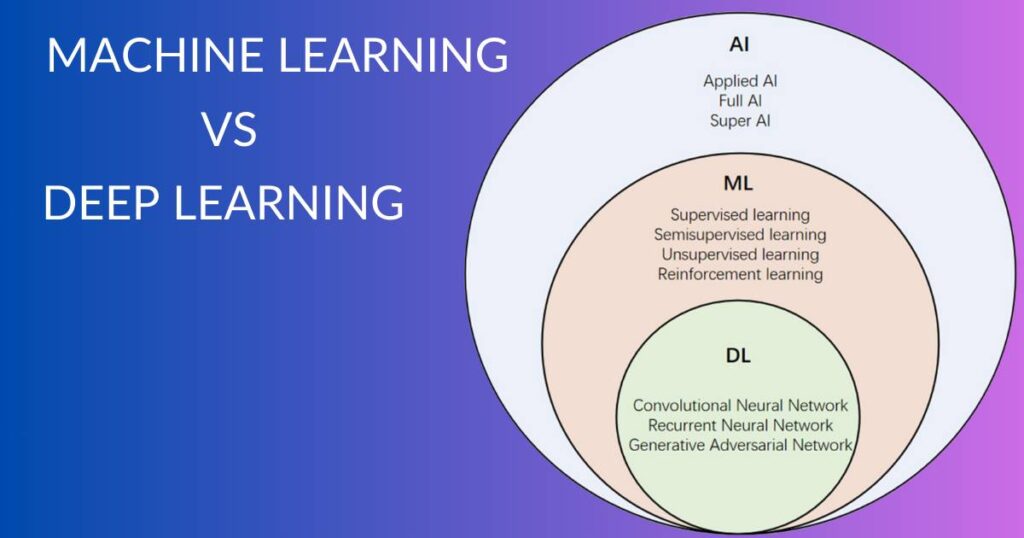
Machine Learning vs. Deep Learning: A Breakdown
The terms “machine learning” and “deep learning” are often used interchangeably, but they represent distinct approaches within the broader realm of AI.
Machine Learning
Machine learning is the process of teaching computers to learn from data. It entails the creation of algorithms that let computers recognize patterns, anticipate outcomes, and gradually become more efficient. Machine learning algorithms have found applications in various domains, from email filtering and recommendation systems to fraud detection and autonomous vehicles.
The historical development of machine learning is a testament to human ingenuity. Early machine learning models, such as linear regression and decision trees, paved the way for more advanced techniques like neural networks and support vector machines. The availability of vast datasets and increased computational power have led to remarkable advancements in machine learning, enabling applications like natural language processing and computer vision.
Deep Learning
Deep learning, a subset of machine learning, aims to replicate the functioning of the human brain’s neural networks. It consists of artificial neural networks with multiple layers (hence the term “deep”) that can automatically extract hierarchical features from data. Significant advances in natural language processing, autonomous robotics, image and audio recognition, and other fields have been made possible through deep learning.
Historically, deep learning has been around for a while, but it has gained more prominence in the 21st century due to the availability of extensive datasets and the development of powerful hardware, particularly graphics processing units (GPUs). Deep learning is transforming fields like marketing, finance, and healthcare by becoming superior at tasks like image categorization and machine translation.
Ethical Considerations in AI Applications
In the journey of artificial intelligence from mechanical minds to ethical algorithms, it’s clear that as AI advances, ethical concerns grow more critical. Applying artificial intelligence in various domains raises significant questions regarding privacy, bias, and accountability.
AI Ethics and Regulations
The field of AI ethics has gained prominence in response to these concerns. Researchers, policymakers, and organizations are actively working to establish ethical guidelines and regulations that ensure AI technologies serve humanity without causing harm. Initiatives like “AI Ethics Principles” and “Ethics by Design” promote the responsible use of AI.
Ethical Dilemmas in AI
Historically, there have been instances where AI applications have resulted in ethical dilemmas. One prominent example is algorithmic bias, where AI systems may perpetuate discrimination or unfairness due to biased training data. Understanding these historical cases is crucial to preventing similar issues in the future.
Privacy Concerns
Regarding AI technology, privacy is a major problem. Robust rules and procedures are required to safeguard people’s personal data when AI systems gather and evaluate enormous volumes of information. Developers must prioritize implementing measures that ensure data security and privacy rights are respected.
Bias Mitigation
Bias in AI algorithms is another essential consideration. Since machine learning models learn from existing data sets, there’s a risk that the algorithms can perpetuate biases in those datasets. This is not merely a theoretical concern; it has real-world consequences. Biased AI can lead to discriminatory outcomes, unfair treatment, and the perpetuation of societal prejudices.
Developers should actively mitigate these biases and strive for fairness in their models by ensuring diverse and representative training data. The development of AI should prioritize ongoing efforts toward fairness and transparency to make sure that systems do not aggravate already-existing disparities or introduce new ones.
Accountability and Transparency
Accountability is also paramount when deploying AI technologies. It’s essential to establish clear lines of responsibility so that any negative consequences or errors caused by AI systems can be appropriately addressed. Accountability goes beyond theory and is crucial in real-world scenarios. AI systems may make life-altering decisions in healthcare, legal, or financial domains, and ensuring accountability is a fundamental aspect of responsible AI deployment.
Developers should emphasize transparency by making the decision-making process of their algorithms understandable and auditable. Understanding how AI systems arrive at their decisions is not just a matter of curiosity but a practical necessity to address issues and ensure that AI operates fairly and responsibly.
Collaboration between developers, policymakers, ethicists, researchers, and other stakeholders becomes crucial to ensure the responsible use of AI technologies. Open dialogue among these groups allows for comprehensive guidelines and regulations that address ethical concerns effectively. In the absence of such collaboration, AI development may proceed without adequate oversight and ethical considerations, potentially leading to unintended consequences.
Taking these ethical issues into account will help build public trust, support the long-term success of AI technologies in many areas, and reduce the harm that could happen.
AI-Driven Innovations in Entertainment: A Transformative Force
“In the fascinating journey of artificial intelligence from mechanical minds to ethical algorithms, the impact of AI on the entertainment industry cannot be overstated. AI-driven innovations have transformed how we experience and consume media, ushering in a significant shift in the entertainment landscape. These advancements are enhancing user experiences and revolutionizing content creation processes.
Personalized Recommendations
One of the most visible uses of AI in entertainment is content recommendation. Streaming services like Netflix and music platforms like Spotify leverage AI algorithms to analyze user preferences and behavior, providing personalized recommendations. This improves the user experience while also assisting these platforms in keeping users as subscribers. The impact of these recommendations goes beyond convenience; they shape our choices, preferences, and, ultimately, our entertainment experiences.
Immersive Virtual Reality
Additionally, AI has been important in producing compelling virtual reality experiences where users can dive into entirely new worlds and engage with content like never before. By harnessing the power of artificial intelligence, developers have created lifelike simulations that blur the line between reality and digital entertainment. These VR experiences are not just novelties; they offer new ways of storytelling and interaction, pushing the boundaries of what’s possible in entertainment.
Efficient Content Creation
AI-driven innovations have not only transformed but propelled the entertainment industry forward. Artificial intelligence is automating content creation processes. From generating scripts to automating video editing, these intelligent systems have expedited production timelines while maintaining high-quality standards. The impact on the industry is profound, as it enables content creators to be more productive and innovative. This translates to more content, more creativity, and, ultimately, more choices for consumers.
AI in Healthcare and Transportation: A Transformative Force
In addition to its impact on the workplace, AI is revolutionizing numerous industries and shaping the future in profound ways. This transformative force extends to healthcare and transportation, two sectors where AI is making a significant impact.
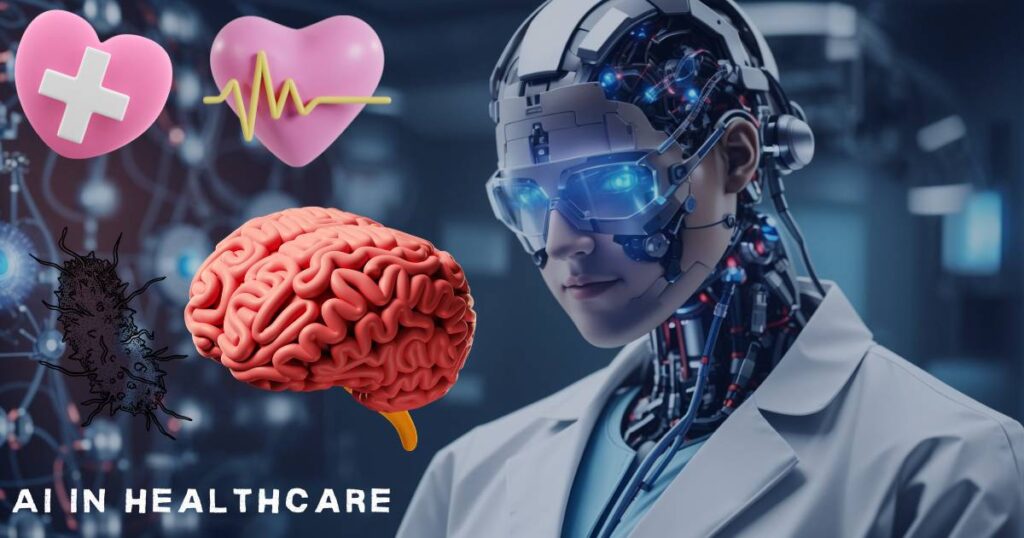
AI in Healthcare
AI is transforming healthcare by analyzing massive patient data sets to produce more precise diagnoses and individualized treatment regimens. It’s enabling healthcare professionals to make data-driven decisions with greater accuracy, improving patient care and outcomes. The impact on healthcare is not just theoretical; it’s a matter of life and death. Accurate diagnoses and personalized treatment plans are saving lives and improving the quality of healthcare.
AI in Transportation
In the transportation sector, AI-powered autonomous vehicles are enhancing road safety and efficiency. These vehicles rely on AI algorithms for real-time decision-making, making roads safer and more efficient. The impact on transportation is not merely a matter of convenience; it’s a matter of safety and efficiency. In addition to lowering traffic jams and fuel consumption, autonomous cars have the ability to prevent accidents and save lives.
AI Across Industries
Across various sectors, businesses recognize AI technologies’ immense potential in streamlining processes, boosting operational efficiency, and reducing costs. AI’s impact on industries is not just theoretical; it’s practical and financial. By leveraging these cutting-edge solutions, companies can automate manual tasks, maximize productivity, and stay competitive in dynamic markets. The ability of AI to analyze large datasets quickly enables organizations to make data-driven decisions with greater accuracy and confidence. This empowers businesses to stay ahead of their competition by identifying trends, predicting customer behavior, and tailoring their strategies accordingly.
The Metamorphosis of GPT: A Game-Changing Enigma
The current AI explosion owes much of its growth to the development of smarter learning techniques and the rise of big neural networks like OpenAI’s GPT series. Think of GPT-3, which debuted in 2020, as a shining example. It’s powered by a whopping 175 billion parts and can understand and create human-like language in ways we’ve never seen before.
GPT-3’s success has ignited more research in the AI field. Now, we have GPT-4, the latest version. It’s building on the strong foundation of its predecessors and taking AI capabilities to new heights. This progress is remarkable, and it’s reshaping the AI landscape in a profound way.
Conclusion
The evolution of Artificial intelligence is a captivating journey through time. By understanding its historical roots and ongoing development, we can make informed decisions about AI’s future applications and navigate the ethical considerations surrounding its use. It’s critical to carefully utilize AI’s potential as it gets more ingrained in our daily lives to make sure that society as a whole gains from it. Embracing AI, learning from its history, and staying attuned to its present innovations will be key to a brighter, AI-enhanced future.
With rapid advances in AI and ongoing discussions about ethical considerations, the responsible and innovative use of AI technology is essential. As we witness the evolution of artificial intelligence unfold before our eyes, it is clear that this technology holds immense potential for positive change. However, we must approach its development and implementation with a robust ethical framework to harness its benefits responsibly. The future of AI is bright, but it requires responsible stewardship to ensure that it continues to serve humanity in ways that are safe, fair, and beneficial.
Biotechnology is a field that combines biology and technology to revolutionize our world. This article will explore the intricacies of biotechnology, including its historical roots, key principles, applications in various sectors, ethical considerations, challenges, and future trends. By the end, you’ll have a comprehensive understanding of how biotechnology is shaping our world.
Introduction to Biotechnology
Biotechnology is the discipline that harnesses biological processes, organisms, or systems to create products or technologies that improve our lives. It merges the power of living organisms with the precision of technology.
Historical Background of Biotechnology
The history of biotechnology is extensive and extends back to prehistoric times. One of the first applications of biotechnology is the fermentation and brewing processes that involve yeast. But it wasn’t until the 20th century—and Watson and Crick’s discovery of DNA’s structure—that biotechnology was acknowledged as a separate field.
One of the mainstays of biotechnology, genetic engineering, was made possible by this discovery. Scientists can modify an organism’s genetic makeup through genetic engineering, cloning, and gene editing. These methods have transformed biotechnology and created new opportunities for study and creativity.
Key Principles of Biotechnology
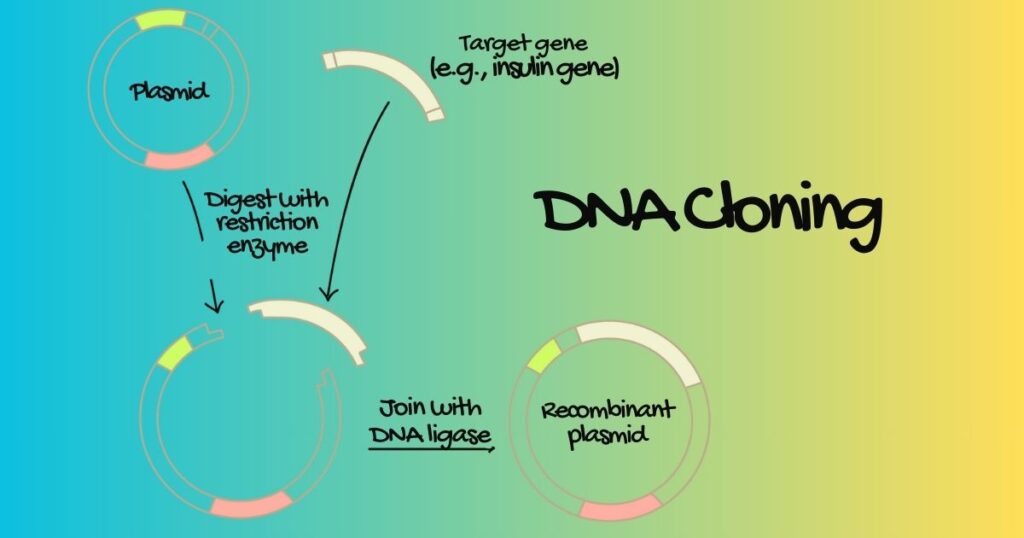
One of the mainstays of biotechnology, genetic engineering, was made possible by this discovery. In genetic engineering, new features or qualities are created by modifying the genetic material of live creatures. Additional fundamental biotechnological concepts that allow scientists to modify living things genetically are cloning and gene editing. While gene editing entails making precise modifications to an organism’s DNA, cloning entails producing an exact genetic replica of an organism.
With the use of a process called gene editing, scientists can change a living organism’s DNA sequence. Based on a truncated form of the bacterial CRISPR-Cas9 antiviral defense system, CRISPR-Cas9 is one of the most widely used gene editing tools. Applications for gene editing have been found in a variety of fields, including environmental conservation, agriculture, and medicine.
Applications of Biotechnology
Biotechnology finds applications in diverse sectors, with its primary domains being medicine, agriculture, and environmental conservation. Its potential to combat diseases, enhance crop yields, and protect the environment is remarkable.
Biotechnology in Medicine
Biotechnology has paved the way for groundbreaking medical innovations, including gene therapy, vaccines, and personalized medicine. These advancements are changing the way we diagnose and treat diseases.
Biotechnology in Agriculture
Biotechnology is a field that combines biology and technology to revolutionize our world. In agriculture, biotechnology is driving increased crop productivity and resistance to pests through genetically modified organisms (GMOs). This has the potential to alleviate global food security concerns.
Biotechnology in Environmental Conservation
Biotechnology also plays a vital role in environmental preservation, with the development of bioremediation and eco-friendly industrial practices. It’s a crucial tool in mitigating environmental degradation.
Ethical Considerations in Biotechnology
In biotechnology, ethical considerations are paramount, particularly in areas like cloning, stem cell research, and genetic modification. The power to manipulate genetics raises complex moral questions. Cloning offers benefits but also concerns about individuality and misuse. Stem cell research involves ethical dilemmas, especially when using embryonic stem cells. Genetic modification sparks debates about consent and potential consequences. Striking a balance between scientific progress and ethical responsibility is crucial.
Current Challenges in Biotechnology
Biotechnology faces challenges such as navigating complex regulatory landscapes, balancing oversight and innovation, and navigating public perception. It’s crucial to bridge the gap between scientific advancements and public understanding to build trust. Biosecurity concerns involve protecting biotechnological knowledge from misuse for harmful purposes.
Overcoming these challenges is essential for the growth and responsible application of biotechnology. By establishing streamlined regulations, improving public communication, and implementing stringent security measures, the biotech industry can realize its potential for society’s benefit.
Future Trends in Biotechnology
The future of biotechnology is bright, with trends like CRISPR technology, synthetic biology, and nanobiotechnology leading the way. These advancements hold the potential to redefine our world. While biotechnology offers immense benefits, concerns about safety, genetic discrimination, and equitable access persist. Striking a balance is essential to ensure its responsible use.
Benefits and Concerns Surrounding Biotechnology
In conclusion, biotechnology is a dynamic field that has transformed the world through science. Its applications in medicine, agriculture, and environmental conservation are changing our lives. However, ethical considerations and challenges must be addressed as we march toward an exciting biotechnological future.
Conclusion
In conclusion, biotechnology is a dynamic field that has transformed the world through science. Its applications in medicine, agriculture, and environmental conservation are changing our lives. However, ethical considerations and challenges must be addressed as we march toward an exciting biotechnological future.
FAQs
What is biotechnology?
Biotechnology is a field that uses biological processes and technology to create products or technologies that benefit humanity.
How is biotechnology applied in medicine?
Biotechnology has led to advancements like gene therapy and personalized medicine, improving disease diagnosis and treatment.
What challenges does biotechnology face?
Biotechnology faces challenges like regulatory issues, public perception, and biosecurity concerns.
What are the ethical considerations in biotechnology?
Ethical concerns in biotechnology relate to issues like cloning, genetic modification, and stem cell research.
What does the future hold for biotechnology?
The future of biotechnology looks promising, with trends like CRISPR technology and synthetic biology driving innovation.
Cybersecurity, in today’s hyper-connected world, where digital convenience is a significant perk, assumes a critical role. Our increasing reliance on technology presents a paradox. The more we integrate technology into our lives, the more vulnerable we become to cyber-attacks. Here’s where cybersecurity stands as a digital sentry, guarding our virtual gateways from malicious threats.
Unraveling Cybersecurity
At its core, cybersecurity is about protecting systems, networks, and programs from digital attacks. These cyber-attacks usually aim to access, change, or destroy sensitive information, extort money from users, or interrupt normal business processes.
The Need for Cyber Shields
Implementing effective cybersecurity is not just a need but a necessity. With everything from smartphones to smart homes, our world is more connected than ever and, unfortunately, more at risk. The repercussions of inadequate cyber defences can range from personal data breaches to widespread societal impact, highlighting the undeniable need for robust cyber shields.
Threats in The Cyber World
The realm of cyber threats is not just vast; it’s continuously evolving, with new threats emerging as technology advances.
Types of Cyber Threats
From malware, phishing, and ransomware to social engineering and DDoS attacks, the assortment of threats is extensive. Understanding each helps in developing more effective countermeasures.
Malware: Malware is a type of software intended to damage or take advantage of any server, network, or device. Ransomware, worms, trojans, and viruses are among them.
Phishing: Phishing is a kind of social engineering assault in which victims are tricked into divulging private information, including bank account information, credit card numbers, and passwords. Usually, phone conversations, texts, or emails are used for it.
Ransomware: Ransomware is a type of malware that encrypts a victim’s files and requests payment in exchange for the decryption key .
Social Engineering: Social Engineering is a form of cyberattack whereby an attacker uses psychological tricks to deceive victims into disclosing private information. Phishing, pretexting, baiting, and more tactics are included.
DDoS attack: Distributed Denial of Service (DDoS) attacks aim to flood a server or website with requests from various sources at once. Because of this, legitimate people are unable to access the website or server.
Case Studies of Cyber Attacks
Analyzing incidents like the infamous WannaCry ransomware attack or the Equifax data breach reveals the profound implications of these threats, impacting millions globally, tarnishing reputations, and incurring formidable financial losses.
Fortifying Defenses: Cybersecurity Measures
Combating the plethora of cyber threats requires a multi-faceted approach. It involves employing various strategies, tools, and practices designed to protect against attacks and vulnerabilities.
Personal Cybersecurity
Individuals must take proactive steps, like using strong, unique passwords, enabling multi-factor authentication, and regularly updating software to shield personal data from cyber predators.
Organizational Cybersecurity
For businesses, the stakes are higher, necessitating comprehensive cybersecurity strategies. This means not only employing advanced technological defences but also fostering a culture of security awareness among employees.
Emerging Technologies in Digital Security
Innovations such as Artificial Intelligence (AI), machine learning, and blockchain are revolutionizing cybersecurity. These technologies enhance the ability to predict, prevent, and mitigate cyber-attacks more efficiently and effectively.
Legal Landscape and Policies
The legal aspect of cybersecurity is intricate, given the borderless nature of the internet. Various laws and regulations have been enacted worldwide to uphold data privacy, regulate digital conduct, and ensure compliance.
Global Cybersecurity Standards
Standards like the General Data Protection Regulation (GDPR) and others set by organizations such as the International Standards Organization (ISO) underline the global effort toward unified cybersecurity practices.
The Future of Cybersecurity
As we venture into the digital future, cybersecurity fields are expected to evolve, presenting both unprecedented challenges and innovative solutions. The rise of quantum computing, for instance, could both dismantle and dramatically reinforce current security protocols.
Preparing for Tomorrow’s Threats
In anticipation of emerging cyber threats, continuous adaptation and learning, investment in cutting-edge technology, and comprehensive emergency response plans are crucial. Staying informed about cyber hygiene practices is not just recommended; it’s a requisite for safely navigating the digital space.
In conclusion, cybersecurity is not a static realm; it’s a continuously evolving field that demands vigilance, awareness, and proactivity. Whether individual or organizational, cybersecurity is an undeniable necessity in our increasingly digital lives, serving as the guardian of our digital doorways. Embracing this reality and implementing robust cybersecurity measures will ensure that society thrives in the face of digital adversity.
FAQs
1. What is cybersecurity? Cybersecurity refers to the collective methods, technologies, and processes to protect internet-connected systems and data from unauthorized access or cyber-attacks.
2. Why is cybersecurity critical? It’s crucial for personal, corporate, and national security as we rely more on digital platforms, and the risk of cyber theft, fraud, and sabotage increases.
3. Can emerging technologies like AI improve cybersecurity? Absolutely, AI and machine learning help in predictive analysis, enabling proactive defense measures against potential cyber threats.
4.What are the common types of cyber threats? The spectrum includes malware, phishing attacks, ransomware, and DDoS attacks, among others.
5.How can I improve my cybersecurity? Keep your software updated, use strong passwords, be wary of suspicious emails or links, and regularly back up your data.
Welcome to the world of Artificial Intelligence (AI), where things are more fascinating and less complicated than you might think. AI is like a clever friend that helps us humans with daily tasks, making decisions based on learning from different situations, just like we do. From virtual assistants in our phones to intelligent systems predicting what show we should binge-watch next, AI is everywhere! Understanding AI isn’t just for tech wizards; it’s crucial for everyone because it’s reshaping the way we live, work, and even play.
Demystifying Artificial Intelligence
Let’s dive deeper into Artificial Intelligence and break it down into bite-sized pieces. Imagine teaching a child to recognize shapes. You show them different objects until they can tell a circle from a square. That’s similar to how Machine Learning works—systems learn from data to make decisions. Now, remember the brainy networks we mentioned? Those are ‘Neural Networks,’ designed to mimic our brains, and ‘Deep Learning’ is their superhero persona, handling tasks too complex for simpler AI forms. But don’t worry; they’re not here to replace us. Despite the myths, AI isn’t an all-knowing entity. It’s a tool that we create and control, enhancing our lives in many ways.
The Evolution of AI: A Brief History
Artificial Intelligence is not a new concept. It has been a work in progress since the mid-20th century! What started as basic computer programs has evolved into systems that learn and adapt. From historic moments like IBM’s Deep Blue beating a chess grandmaster to today’s AI, which can compose music or even drive cars, the milestones are nothing short of awe-inspiring. We’re part of an ongoing journey, witnessing history in the making!
AI in Daily Life: Recognizable Applications
Let’s talk about how AI is a part of your everyday life. Do you enjoy voice texting on your smartphone? That’s AI. Have you ever been amazed by personalized playlists on your music app? Thank AI. It’s not just convenience; it’s precision, efficiency, and sometimes pure fun. Beyond our phone screens, Artificial Intelligence is in our hospitals, assisting in diagnoses, and it’s navigating our roads in smart cars. It’s making our world not just more connected, but also safer and more innovative. The seamless blending of AI into our lives enhances our experiences and pushes us towards newer, bolder frontiers.
Ethical Considerations and Public Perception
However, with great power comes great responsibility. There are valid concerns about privacy and job security in an AI-driven age. That’s why it’s vital to develop AI ethically, considering the societal impacts. Balancing AI’s possibilities with precaution can help ensure it remains a force for good, respecting our privacy and empowering rather than replacing our workforce.
Future Prospects: How AI Might Shape the World of Tomorrow
Looking ahead, AI has the potential to revolutionize healthcare by making early diagnosis and treatments accessible to all. It can also help protect the environment by monitoring ecosystems in real time. The possibilities are vast, spanning sectors we’ve yet to imagine. As AI continues to evolve, the only limit is our innovation.
Navigating a World Powered by AI: Adapting to Change
In this rapidly changing landscape, adaptability is critical. Stay curious, keep learning, and embrace the advancements. It’s through this open-mindedness that we’ll thrive alongside AI innovations.
So, here we are — at the doorstep of endless possibilities with Artificial Intelligence. It’s not just technology; it’s a companion in our evolutionary journey. Embracing this dynamic wave means staying informed and engaged. It’s about ensuring this powerful tool uplifts, protects, and inspires us all. As we stand on the brink of this new era, it’s not just a leap into the unknown; it’s a stride into a future crafted by our choices today. Are you ready to be part of this extraordinary adventure? Through this heart-to-heart, we’ve journeyed through AI’s intricacies and its profound role in shaping our collective tomorrow. Now, more than ever; our story intertwines with artificial intelligence — a narrative of growth, challenges, and immense potential.