Author: SEOWriterHadis

  • Healthcare Data Breaches: A Threat to Patients Privacy

    Healthcare Data Breaches: A Threat to Patients Privacy

    The healthcare industry possesses some of the most sensitive data imaginable: a patient’s entire medical history. Unfortunately, this valuable information also makes it a prime target for cybercriminals. Healthcare data breaches are on the rise, posing a significant threat to patient privacy, trust in healthcare providers, and the financial well-being of institutions.

    healthcare data breaches

    In this post, we explore the increasing threat of healthcare data breaches and the impact they have on patient privacy. We also provide tips on how healthcare organizations can protect sensitive patient information from cyber threats.

    Understanding Healthcare Data Breaches

    In today’s digital age, our health information is increasingly stored electronically. This convenience comes with a critical concern: healthcare data breaches. A healthcare data breach occurs when unauthorized individuals gain access to protected health information (PHI).

    PHI is any data that links you to your medical condition, treatment, or payment history. This includes details like:

    • Name
    • Address
    • Date of Birth
    • Social Security number
    • Medical diagnoses
    • Medications
    • Treatment records
    • Insurance information

    Breaches can happen intentionally, through hacking attempts or malware attacks. They can also be unintentional, like a lost laptop containing unencrypted patient data. Regardless of the cause, a data breach can have serious consequences for patients.

    By understanding healthcare data breaches, you can be more vigilant about protecting your information. Knowing the types of breaches, how they occur, and the potential consequences empowers you to take action.

    In the following sections of this blog, we’ll delve deeper into the impact of data breaches, the various ways they happen, and the steps you can take to safeguard your health information.

    Impact on Patient Privacy

    Healthcare data breaches pose a significant threat to patient privacy. When sensitive patient information is compromised, it can lead to identity theft, financial fraud, and other serious consequences for individuals. Patients trust healthcare organizations to keep their personal and medical information secure, and breaches can erode that trust.

    In addition, healthcare data breaches can also lead to legal and regulatory repercussions for organizations, as they are responsible for safeguarding patient data. Healthcare organizations must prioritize data security and implement robust measures to protect patient privacy.

    This can include encryption, secure data storage, regular security audits, and staff training on best practices for handling sensitive information. By taking proactive steps to prevent data breaches, healthcare organizations can uphold patient privacy and maintain trust in their services.

    Common Causes of Healthcare Data Breaches

    Healthcare Data Breaches

    Several factors contribute to the rise of healthcare data breaches. Most of the common causes are:

    • Human error: Employees may inadvertently expose sensitive patient information by mishandling data or falling victim to phishing scams.
    • Insider threats: Employees with access to patient data may intentionally misuse or steal this information for personal gain.
    • Cyberattacks: Hackers may target healthcare organizations to gain access to patient data, sell it on the dark web, or use it for fraudulent activities.
    • Lost or stolen devices: Laptops, smartphones, or other devices containing patient information can be lost or stolen, putting sensitive data at risk.
    • Third-party breaches: Healthcare organizations may work with third-party vendors or partners who have access to patient data, and if these partners experience a breach, it can impact the healthcare organization as well.

    To mitigate these risks, healthcare organizations should invest in robust cybersecurity measures, conduct regular security assessments, and train staff on how to recognize and respond to potential security threats. Additionally, implementing strong access controls and encryption can help protect patient data from unauthorized access.

    Tips for Protecting Sensitive Patient Information

    Fortunately, there are several actionable steps healthcare organizations can take to improve their data security posture. Here are some best practices:

    • Employee Training: Regularly educate staff on cybersecurity best practices, including phishing awareness and password hygiene.
    •  Data Encryption: Implement strong encryption for all patient data, both at rest and in transit.
    •  Access Controls: Establish strict access controls that limit access to patient data based on the principle of least privilege.
    •  Regular Security Audits: Conduct regular security audits to identify and address vulnerabilities in systems and processes.
    •  Multifactor Authentication: Implement multifactor authentication for all user accounts to add an extra layer of security.
    •  Risk Assessments: Conduct regular risk assessments to identify and prioritize potential threats the organization faces.
    •  Data Loss Prevention (DLP): Utilize DLP software to prevent accidental or unauthorized data exfiltration.

    Importance of Compliance with HIPAA and other regulations

    Healthcare organizations must prioritize compliance with HIPAA (Health Insurance Portability and Accountability Act) and other regulations to protect patient privacy and prevent data breaches. This includes implementing strong security measures, conducting regular risk assessments, and providing ongoing training to staff members on handling sensitive patient information.

    Non-compliance can lead to severe penalties and reputational damage for healthcare organizations, so it’s crucial to stay up-to-date with the latest regulations and ensure that data protection protocols are consistently followed. By prioritizing compliance, healthcare organizations can safeguard patient data and maintain trust in the healthcare system.

    Read: AI in Healthcare: New Possibilities in Healthcare

    The Role of Cybersecurity in Healthcare Organizations

    As technology continues to advance, healthcare organizations are increasingly at risk of data breaches that compromise the sensitive information of their patients. These breaches can significantly impact patient privacy and trust in the healthcare system.

    Healthcare organizations must prioritize cybersecurity measures to protect patient data and maintain the confidentiality of medical records. Implementing robust security protocols, regularly updating software, and providing ongoing cybersecurity training to staff are crucial steps in safeguarding sensitive patient information.

    Additionally, utilizing encryption and access controls can help prevent unauthorized access to healthcare data. By prioritizing cybersecurity, healthcare organizations can better protect patient privacy and maintain the trust of those they serve.

    Steps to Take in the Event of a Data Breach

    In a data breach, healthcare organizations must act quickly to mitigate the impact on patient privacy. First and foremost, it is crucial to notify affected individuals and regulatory authorities as required by laws and regulations. Prompt communication can minimize the potential damage and demonstrate transparency in the face of a security incident.

    Additionally, conducting a thorough investigation to identify the cause of the breach and implementing measures to prevent future incidents is essential. Healthcare organizations should also consider offering credit monitoring and identity theft protection services to affected individuals to help mitigate the potential harm caused by the breach.

    By taking proactive steps in the event of a data breach, healthcare organizations can demonstrate their commitment to protecting patient privacy and maintaining trust in the healthcare system.

    Read: Disruptive Innovation in Healthcare: Discover 5 Innovations!

    Conclusion

    Healthcare data breaches are a serious threat to patient privacy and can have damaging effects on individuals and healthcare organizations. Healthcare organizations must take proactive measures to protect sensitive patient information and prevent data breaches.

    This includes implementing robust cybersecurity measures, conducting regular security audits, and providing comprehensive training for staff on data security protocols. Additionally, healthcare organizations should stay updated on the latest security trends and technologies to ensure they are staying ahead of potential threats.

    By prioritizing data security and privacy, healthcare organizations can work towards creating a safe and secure environment for their patients and employees.

    What information is at risk in a healthcare data breach?

    Healthcare data breaches can expose a wide range of personal information, including: * Name * Address * Date of Birth * Social Security number * Medical diagnoses * Medications * Treatment records * Insurance information.

    How can a healthcare data breach happen?

    Hacking: Cybercriminals may target healthcare organizations to steal patient data.
    Malware Attacks: Malicious software can infect computer systems and steal data.
    Insider Threats: Employees or contractors with access to patient data may intentionally or unintentionally compromise it.
    Physical Loss of Devices: Laptops, USB drives, or other devices containing unencrypted patient data may be lost or stolen.

    What are the consequences of a healthcare data breach for patients?

    Medical identity theft: Criminals can use stolen information to obtain medical services, prescriptions, or even commit insurance fraud.
    Financial losses: Patients may be liable for fraudulent charges resulting from identity theft.
    Difficulty obtaining insurance: A history of a data breach could make it harder to get future insurance coverage.
    Emotional distress: The fear and uncertainty associated with a data breach can cause significant stress and anxiety.

    What can I do if I believe my data has been breached?

    Contact your healthcare provider: Find out if they have been affected by a data breach and what information may have been compromised.
    Review your credit report: Monitor for any suspicious activity and consider placing a freeze on your credit report.
    Report the breach: If you suspect a data breach, report it to the Department of Health and Human Services (HHS) Office for Civil Rights (OCR).
    Consider enrolling in identity theft protection services.

    How can I protect myself from healthcare data breaches?

    Ask your healthcare providers about their data security practices.
    Be cautious about what information you share online and with healthcare providers.
    Use strong passwords and enable two-factor authentication whenever possible.
    Review your medical bills and statements regularly for any suspicious activity.
  • Top 5 STEM Robotics Kits for Future Engineers and Innovators

    Top 5 STEM Robotics Kits for Future Engineers and Innovators

    In an era where technology and innovation shape our world, ensuring our children are equipped with STEM (Science, Technology, Engineering, and Math) skills is paramount. Engaging kids in these subjects can be a challenge, which is where robotics kits come into play.

    stem robotics kits

    Not just toys, these stem robotics kits are educational tools that combine science, engineering, and logic, allowing children to build and program their robots. Whether it’s a simple set of building blocks that turn into a moving robot or a more complex construction with advanced programming features, robotics kits are the perfect blend of fun and learning.

    In this article, we will discuss the top 5 STEM robotic kits available on the market, as well as the significance and advantages of these kits.

    The Importance of Early STEM Engagement

    Early exposure to STEM concepts can open doors to a lifetime of discovery and innovation. These kits are designed to introduce young minds, as young as five years old, to problem-solving, coding, engineering principles, and other critical skills.

    They are not just building kits; they are gateways to the future of work, technology, and limitless creativity. With this in mind, we present a hand-selected list of the top 5 STEM robotics kits for beginners that are sure to educate and inspire the next generation of engineers, programmers, and innovators.

    Benefits of STEM Robotics Kits for Children

    Robotic kits for kids offer an array of benefits that extend beyond just entertainment. Here’s a closer look at the advantages they provide:

    • 1. Develop Problem-Solving Skills: Every robotics kit is a puzzle waiting to be solved. Through building and programming robots, children learn the importance of perseverance and trial-and-error, which are essential in finding solutions to complex problems.
    • 2. Boosts Critical Thinking and Creativity: Robotic kits encourage kids to think outside the box; by following instructions and then modifying their creations, they tap into their creativity to make something unique.
    • 3. Enhances Logical Reasoning and Coding Skills: Coding is the language of the future, and these kits provide a gentle introduction to this essential skill. By giving commands to their robots, children learn basic coding principles intuitively.
    • 4. Introduces Engineering Principles and Mechanics: Robotic kits often include elements from engineering like gears, levers, and sensors, giving children hands-on experience with these fundamental mechanical concepts.
    • 5. Improves Hand-Eye Coordination and Fine Motor Skills: Assembling and programming a robot involves delicate spatial awareness and hand-eye coordination, skills that are refined through continuous play.
    • 6. A Fun and Engaging Way to Learn: Above all, these kits are designed to be enjoyable. The joy of seeing a creation come to life is rewarding and serves as a powerful incentive for further learning.

    Top 5 STEM Robotics Kits on the Market

    Now that we’ve established the benefits of STEM robotics kits and the factors to consider when purchasing one, it’s time to browse through our top 5 picks. These kits have been selected based on their educational value, user-friendliness, and, of course, fun factor.

    Here are the top 5 STEM robotics kits for future engineers and innovators:

    1. LEGO Mindstorms EV3

      LEGO Mindstorms EV3

      LEGO is a household name when it comes to building blocks, but their Mindstorms EV3 takes things to the next level. Recommended for ages 10+, this kit allows children to build and program their robots using LEGO bricks, motors, sensors, and a programmable brick.

      The accompanying software is user-friendly, making it easy for children to code their robots to follow commands and complete tasks. With the bonus of being able to build multiple robot models with just one kit, the LEGO Mindstorms EV3 is truly a versatile and engaging tool for STEM education.

      2. Sphero SPRK+

      The Sphero SPRK+ is a spherical robot designed to inspire creativity and curiosity in children. It can be programmed using a visual drag-and-drop interface or using the text-based coding language, allowing kids of all ages and skill levels to participate. With the ability to control its movements, change colors, and even create mazes for it to navigate through, the Sphero SPRK+ is a fun and interactive way to learn about coding, robotics, and physics.

      Here’s what makes the Sphero SPRK+ so engaging:

      • Multiple Coding Levels: Whether your child is a complete beginner or has some coding experience, the Sphero SPRK+ can adapt. The drag-and-drop interface allows for intuitive programming with visual blocks, while text-based coding offers a deeper challenge for more advanced learners.
      • STEAM Learning: The SPRK+ goes beyond just coding. By controlling the robot’s movements and lights, kids can experiment with concepts of motion, speed, and cause-and-effect, all while building their spatial reasoning skills.
      Stem robotic kits
      • Open-Ended Play: The Sphero SPRK+ isn’t just for pre-programmed routines. The possibilities are endless! Kids can create their own games, and obstacle courses, and even use multiple SPRK+ robots to work together.
      • Community Engagement: The Sphero Edu app, which controls the SPRK+, features a community section where kids can share their creations, get inspired by others, and learn from more experienced coders.

      With the Sphero SPRK+, learning becomes an engaging and interactive experience, sparking a lifelong love of STEM subjects in children.

      3. ButterflyEdufields 30in1 STEM Kits

      Electricity & Magnetism Edition is a powerhouse of learning disguised as endless fun. Designed for kids aged 8–12, this kit ignites a passion for science through hands-on exploration of electricity and magnetism.

      stem robotic kits

      Unleash the Inner Engineer

      This jam-packed kit boasts over 100 components, including wires, bulbs, switches, and more. With these tools, young scientists can embark on a journey of building 30+ incredible projects! From crafting an electrifying electromagnetic crane to constructing a fascinating electroscope, the possibilities are limited only by their imagination.

      Learning Amplified

      Forget rote memorization! The ButterflyEdufields kit fosters a love for science through an engaging, interactive approach. Kids learn by doing, actively building and experimenting with each project. This not only deepens their understanding of scientific concepts but also hones critical problem-solving and critical thinking skills.

      Beyond Science

      This kit’s benefits extend far beyond the realm of science. It fosters creativity, encouraging children to think outside the box and design their own unique experiments. Plus, it offers a fantastic alternative to screen time, promoting collaboration and imaginative play.

      Read: Power Up Your Child’s Mind with STEM Robots

      4. Makeblock mBot

      The Makeblock mBot is a versatile robot that can be built in just 10 minutes using the included instructions and tools. It can be programmed using either Scratch, a visual programming language, or Arduino, a text-based coding language. With a variety of sensors and add-ons available, the possibilities for creativity and learning with this kit are endless.

      stem robotic kits

      Build, Code, Play!

      The mBot is a breeze to assemble, taking just 15 minutes with clear instructions. As kids build, they’ll gain valuable knowledge about electronics, robotics, and different mechanical components. But the fun doesn’t stop there! Once built, the mBot transforms into a remote-controlled car with impressive features like line-following and obstacle avoidance.

      Learning Made Easy

      The Makeblock mBot doesn’t just entertain, it educates! With included coding lessons and free software (mBlock), kids can learn to code step-by-step using Scratch or Arduino, popular programming languages. Three free Makeblock apps allow them to explore remote control functions, play coding games, and create their own unique programs.

      The Makeblock mBot Robot Kit is the ideal gift for any curious child. It’s a guaranteed recipe for fun, sparking a lifelong love of learning and opening doors to the exciting world of STEM. Give the gift of creativity and codability with the Makeblock mBot!

      5. UBTECH Jimu Robot BuilderBots Kit

      Calling all future engineers and robot masters! The JIMU Robot BuilderBots Kit is here to ignite your child’s passion for STEM (Science, Technology, Engineering, and Math) through interactive building and coding fun.pen_spark

      ubtech stem robots

      More Than Just Blocks

      This award-winning kit (Tillywig Brain Child Award winner, no less!) goes beyond traditional building sets. With 357 snap-together parts, motors, and sensors, kids can create two pre-designed robots—GrabberBot and DigBot—or unleash their imagination and design their own unique JIMU creation.

      Coding Made Easy

      The fun doesn’t stop at building! The JIMU app empowers kids to bring their robots to life with easy-to-use Blockly coding. They can program their creations to navigate obstacles, pick up objects, and perform amazing actions—all through intuitive drag-and-drop commands.

      These are just some of the many STEM robotics kits available on the market. Each one offers a unique hands-on learning experience that combines science, technology, engineering, and math in a fun and engaging way.

      Embarking on the STEM Journey

      The selection of the right STEM robotics kit is the first step in your child’s educational and developmental journey. These kits offer more than just a chance to play; they provide an opportunity to learn, explore, and set the stage for a future in STEM-related fields.

      For parents and educators looking to cultivate a child’s passion for technology and the sciences, a robotics kit is a fitting and future-forward investment. When choosing a kit, be sure to consider not only the present enjoyment but also the potential for long-term skill development. By engaging children early in these disciplines, we can lay the foundation for a future that is rich in innovation and discovery.

      As our world becomes increasingly driven by technology, these kits are a valuable investment in our children’s future as engineers, innovators, and problem-solvers. So why wait? Start exploring the exciting world of robotics with your child today! Happy building!

    1. Power Up Your Child’s Mind with STEM Robots

      Power Up Your Child’s Mind with STEM Robots

      In a world increasingly driven by technology, fostering a love for science, technology, engineering, and math (STEM) in children has become more important than ever. But how can we ignite a passion for these complex subjects?

      STEM Robots

      Enter the exciting world of STEM robots! The field of robotics has undergone a significant transformation in recent years. These advanced machines, which combine principles from science, technology, engineering, and mathematics, have revolutionized various industries and sparked a new era of innovation.

      STEM robots are now used in fields such as healthcare, manufacturing, and education, with the potential to greatly improve efficiency and productivity. The rapid development and integration of these robots into our daily lives raise intriguing questions about the future of technology and its impact on society.

      In this article, we will delve into the rise of STEM robots, their types and capabilities, and the potential implications for the future. Now, we’ll delve into the transformative power of STEM robots, exploring the scientific evidence and real-world benefits they offer for children’s development.

      The Power of Playful Learning with STEM Robots

      Learning shouldn’t feel like a chore. STEM robots excel at transforming complex concepts into captivating experiences that ignite a love for knowledge in children. Research has consistently shown that playful learning with STEM robots fosters a multitude of benefits, nurturing young minds in remarkable ways.

      STEM Robots
      • Spark Curiosity and Creativity: STEM robots are inherently captivating. Their ability to move, interact with their surroundings, and respond to commands fuels a sense of wonder and a desire to explore. This natural curiosity translates into creative problem-solving as children experiment with different functionalities and programming possibilities.
      • Boost Critical Thinking and Problem-Solving Skills: At their core, robots are intricate puzzles waiting to be solved. Whether it’s navigating an obstacle course or constructing a specific sequence of movements, STEM robots challenge children to think critically and develop effective problem-solving strategies.
      • Nurture Collaboration and Teamwork: Many STEM robots are designed for collaborative play. Children can work together to build, program, and operate their robots, fostering teamwork skills and communication as they strategize and tackle challenges together.
      • Bridge the Gap Between Imagination and Reality: STEM robots empower children to bring their imaginative ideas to life. By physically constructing and programming robots, they witness the tangible results of their creative vision, solidifying their understanding of STEM concepts.
      • Develop Essential STEM Skills: From familiarizing themselves with basic coding principles to understanding the principles of mechanics and sensors, STEM robots provide a fun and interactive way to develop crucial foundational skills in science, technology, engineering, and math.

      The benefits don’t stop there! STEM robots can also enhance hand-eye coordination, perseverance, and a sense of accomplishment. They can even cater to specific learning styles, offering a unique and engaging approach to education.

      Now, we’ll unveil the exciting world of STEM robots in all their diversity, exploring the different types available and their suitability for various age groups.

      Exploring Different Types of STEM Robots

      With a dazzling array of STEM robots available, choosing the perfect one for your child can feel overwhelming. But fear not! This section will unveil the diverse landscape of STEM robots, categorized by complexity and age-appropriateness, making your decision a breeze.

      A. Pre-built Robots for Budding Inventors (Ages 4-7):

      Ideal for younger children, pre-built robots offer an exciting entry point into the world of STEM. These captivating companions come ready-to-play, often featuring vibrant colors, playful sounds, and interactive features. While pre-programmed for specific functions, many offer simple controls that allow children to explore basic coding concepts like sequencing and cause-and-effect.

      Through engaging interactions with these robots, young minds develop crucial skills like color and shape recognition, problem-solving through trial and error, and an understanding of directional movement.

      B. Build-it-Yourself Kits for Aspiring Engineers (Ages 8-12):

      As children mature, their thirst for challenge grows. Build-it-yourself kits cater to this desire, offering a rewarding hands-on experience. These kits typically come with pre-fabricated parts that snap together, allowing children to construct their very own robots.

      The difficulty level varies, with some kits offering step-by-step instructions for simpler builds, while others encourage creative exploration with more open-ended designs. Building these robots hones critical thinking, spatial reasoning, and fine motor skills. The sense of accomplishment upon completing the construction further fuels a child’s confidence and inspires them to tackle new challenges.

      C. Coding Robots for Tech-Savvy Learners (Ages 10 and Up):

      For children ready to delve deeper into the world of technology, coding robots offer a thrilling introduction to programming. These robots often come equipped with apps or software platforms that allow children to create custom commands and program their robots to perform specific actions.

      By engaging with basic coding concepts like loops, conditional statements, and functions, children develop computational thinking skills – a valuable asset in today’s technology-driven world. The possibilities for these robots are virtually endless, allowing children to create robots that navigate mazes, draw pictures, or even respond to voice commands.

      How STEM robots are revolutionizing education

      How STEM robots are revolutionizing education.

      As we look to the future of education, STEM robots are emerging as a powerful tool in revolutionizing the way students learn and engage with scientific and technological concepts.

      These innovative robots provide hands-on experiences that actively involve students in the learning process, fostering critical thinking, problem-solving, and collaboration skills. By integrating STEM robots into classrooms, educators can create an immersive learning environment where students can experiment, explore, and apply their knowledge in real-world contexts.

      These robots offer interactive programming interfaces, allowing students to code and control their actions, providing an engaging and interactive way to understand complex STEM topics. Moreover, STEM robots promote inclusivity by catering to different learning styles, allowing students to learn at their own pace and encouraging creativity and innovation.

      By embracing STEM robots in education, we can ignite a passion for science, technology, engineering, and mathematics in the next generation, preparing them for the challenges and opportunities of the digital age.

      The future of automation and robotics.

      In the foreseeable future, automation and robotics are poised to continue their rapid advancements, transforming industries and reshaping the way we work. As technology continues to evolve, we can expect to see even more sophisticated robots that are capable of understanding and adapting to complex environments.

      These robots will possess enhanced artificial intelligence and machine learning capabilities, enabling them to make autonomous decisions and perform tasks that were once exclusively reserved for humans. With the integration of Internet of Things (IoT) technology, these robots will be able to seamlessly connect and communicate with other devices, allowing for unprecedented levels of coordination and collaboration.

      Additionally, advancements in robotics will also extend to the realm of personal robotics, where robots will become more prevalent in our daily lives, aiding in household chores, providing companionship, and even assisting in caregiving.

      The future of automation and robotics holds tremendous potential for enhancing efficiency, improving safety, and unlocking new possibilities across a wide range of industries.

      Getting Started with STEM Robotics

      The captivating world of STEM robots isn’t just for children! For curious adults and hobbyists yearning to delve deeper into robotics, the possibilities are endless. Whether you dream of building your own robots or mastering the art of robot programming, this section equips you with the essential resources to embark on your exciting journey.

      A Glimpse into the Building Blocks:

      Before diving in, let’s take a quick peek under the hood. Robots, at their core, are a fascinating combination of hardware and software. Here are some of the key components you’ll encounter:

      • Motors: These are the tiny engines that bring your robot to life, allowing it to move and interact with its surroundings. Different types of motors exist, each suited for specific tasks.
      • Sensors: These act as the robot’s eyes and ears, collecting information about the environment. Light sensors detect light levels, distance sensors measure proximity, and touch sensors respond to physical contact. These sensory inputs allow robots to react and adapt to their surroundings.
      • Controllers: Think of these as the robot’s brain. Controllers receive signals from sensors and user commands, then process that information to instruct the motors on how to move. Some controllers are pre-programmed, while others can be customized using software platforms.

      Building Your Robotics Journey:

      The world of robot building and programming is an exciting playground for the curious mind. Here’s a roadmap to get you started:

      • Embrace the Power of Online Learning: The internet is brimming with valuable resources for aspiring robot builders and programmers. Numerous online tutorials cater to all skill levels, offering step-by-step guides on building specific robots or teaching essential programming languages commonly used in robotics, like Python or Arduino. Learning platforms like Coursera and edX offer comprehensive courses on robotics fundamentals and advanced concepts.
      • Connect with the Robotics Community: You don’t have to embark on this journey alone! A wealth of online robot builder communities and forums exist, where passionate enthusiasts share knowledge, troubleshoot problems, and inspire each other. These communities are a fantastic resource for finding answers to your questions, learning from experienced builders, and staying up-to-date on the latest advancements in the field.
      • Gather Your Tools and Materials: Once you’ve identified your project and learning resources, it’s time to gather the necessary tools and materials. Many online retailers specialize in robotics components, offering everything from pre-made kits to individual motors, sensors, and controllers. You can also find starter kits that include all the essential components you need to get started on your first robot building project.

      Conclusion

      The captivating world of STEM robots offers a playground for both budding minds and curious adults. These remarkable creations seamlessly blend playtime with powerful learning experiences, igniting a passion for science, technology, engineering, and math (STEM) in individuals of all ages.

      Whether it’s the joy of interacting with a pre-built robot or the rewarding challenge of building and programming their own creations, STEM robots instill a sense of wonder and a desire to explore. They nurture critical thinking, problem-solving skills, and computational thinking – essential assets for navigating today’s ever-evolving world.

      This comprehensive guide has unveiled the vast potential of STEM robots. Parents and educators are equipped with the knowledge to choose the perfect robot companion that sparks a child’s lifelong love of STEM learning.

      Explore the resources provided, delve into popular robot kits, and find the ideal tool to ignite that spark of curiosity. Hobbyists and enthusiasts are empowered to take the first step in their robotics journey. Embrace online tutorials, connect with passionate communities, and gather the tools necessary to bring your creative visions to life.

      How have advancements in STEM technology contributed to the development of robots in various industries?

      Advancements in STEM technology have significantly contributed to the development of robots in various industries by enabling the creation of more sophisticated sensors, actuators, and programming languages that enhance robots’ capabilities and efficiency.
      These advancements have allowed robots to perform complex tasks with precision, speed, and accuracy, ultimately improving productivity, safety, and resource utilization in industries such as manufacturing, healthcare, agriculture, and transportation.
      Additionally, developments in AI and machine learning have further empowered robots to learn, adapt, and communicate effectively in dynamic environments, paving the way for increased automation and innovation across different sectors.

      What are the potential benefits and drawbacks of relying on STEM robots for tasks traditionally performed by humans?

      Using STEM robots for tasks traditionally done by humans can increase efficiency, reduce errors, and improve safety in hazardous environments. However, drawbacks include job displacement, loss of human touch, and potential ethical concerns related to autonomy and decision-making.
      Striking a balance between automation and human involvement will be crucial to maximize benefits while addressing these challenges.

      How are STEM robots being utilized in fields such as healthcare, manufacturing, and agriculture?

      STEM robots are being utilized in healthcare to assist with surgery, patient care, and medication management. In manufacturing, they are used for automation, quality control, and assembly line tasks.
      In agriculture, STEM robots are employed for precision farming, planting, harvesting, and monitoring crop health. They help increase efficiency, reduce human error, and improve overall productivity in these industries.

      What ethical considerations should be taken into account when designing and deploying STEM robots?

      When designing and deploying STEM robots, ethical considerations such as privacy protection, ensuring safety, avoiding reinforcement of harmful stereotypes, promoting inclusivity and diversity, transparency in decision-making algorithms, and addressing potential job displacement should be taken into account.
      It is crucial to prioritize ethical principles to ensure that STEM robots are developed and used in a responsible and respectful manner that benefits society as a whole.

      How can individuals prepare for a future workforce increasingly reliant on STEM robots for automation and efficiency?

      Individuals can prepare for a future workforce by developing skills that complement automation, such as critical thinking, problem-solving, creativity, and adaptability. Continuous learning and upskilling in STEM fields can also help individuals stay competitive in a job market that values technological proficiency.
      Embracing lifelong learning, staying updated on industry trends, and cultivating a growth mindset are essential for success in a workforce where automation and robotics play a significant role.
      Additionally, building strong interpersonal skills and emotional intelligence can differentiate individuals in roles that require human interaction and collaboration, areas where robots may struggle to replace human workers.
    2. Intel Rapid Storage Technology for Ultimate PC Performance

      In an era where the digital world is expanding at an unprecedented rate, harnessing the capabilities of cutting-edge technology is not just a preference. It’s a necessity. One such technology that’s silently powering your PC’s performance and data management is Intel Rapid Storage Technology (RST).

      Intel Rapid Storage Technology
      Source: Infographic: Intel® Rapid Storage Technology

      Enthusiasts, gamers, and IT professionals constantly seek ways to enhance their systems, and understanding RST is key. In this guide, we’ll explore RST’s details and explain how you can unlock its full potential for optimal PC performance.

      Understanding Intel Rapid Storage Technology (RST)

      Intel Rapid Storage Technology (RST) is a software package developed by Intel Corporation that enables users to manage and configure storage devices such as hard drives, solid-state drives (SSDs), and RAID arrays. It’s specifically designed for Windows operating systems and is supported on Intel chipsets, including the latest 11th-generation processors.

      With RST, users can configure different levels of data protection and performance on their storage devices, allowing for faster read/write speeds and improved system responsiveness. It also offers advanced features such as Intel Optane Memory support, further enhancing overall system performance.

      Understanding IRST:

      • 1. Beginners: Imagine your storage devices as a band. IRST acts like the conductor, ensuring all the drives (instruments) work together seamlessly. This means that regardless of the number or type of drives (HDDs, SSDs), IRST optimizes performance and efficiency without managing each drive individually.
      • 2. Tech Enthusiasts: Dive deeper with dynamic storage acceleration. IRST offers intricate control over both performance and redundancy with RAID configurations. It’s versatile, adapting to your needs. Prioritize raw speed or data safety based on your RAID setup (RAID 0, 1, 5, etc.). IRST also unlocks the potential of Intel Optane Memory, a revolutionary technology that drastically reduces data access times and boosts responsiveness.
      • 3. IT Professionals: Managing multiple systems becomes easier with IRST. It ensures consistent performance across your network. With features like RAID and performance tuning, IRST offers resilience and protects against potential disk failures through data redundancy.

      The Benefits of RST Across User Profiles

      Unleashing the potential of Intel RST is more than just ticking a few software boxes or buying the latest hardware. It’s about taking a strategic approach to managing and optimizing your storage infrastructure.

      The benefits translate into a smoother, faster computing experience for the everyday user. For those who push their systems to their limits, RST unlocks the additional horsepower, providing the edge they need.

      • Boosting System Performance: RST accelerates data transfers for improved application and operating system load times, catering to performance-hungry applications like gaming, media editing, and virtualization. It ensures that your CPU and memory aren’t idly waiting on data from slower storage media.
      •  Data Protection and Redundancy: For those who can’t afford data loss, RST’s RAID support is a lifesaver. By mirroring data across drives or stripping it for improved read/write speeds, RAID 0 or RAID 1 configurations can significantly reduce the chances of data loss due to drive failure.
      •  Enhanced Drive Health and Longevity: Beyond immediate performance enhancements, RST features like monitoring and data migration contribute to the long-term health of your drives. Wear-leveling algorithms optimize the use of SSDs, spreading the write cycles evenly to extend their life.
      •  Configuring RST for Ultimate Performance: Configuring RST isn’t rocket science, but it does require a systematic approach to ensure you’re getting the most from your system’s storage subsystem.
      •  Setting Up Your System for RST: The first step is checking compatibility. Your system must have an Intel chipset that supports Intel RST, and the feature should be enabled in your system BIOS. You’ll then need to install the appropriate RST drivers; these can be found on the Intel website.
      •  Configuring RAID and Performance Enhancement: To set up RAID, you’ll assemble your disks, enter the Intel RST option ROM utility at system start-up, and follow the configuration wizard. It’s important to decide beforehand whether you want to focus on performance (RAID 0), redundancy (RAID 1), or a combination for versatility (RAID 5 or 10).
      •  Understanding the Performance Impact: The changes you’ll notice after setting up RST depend on your usage pattern and configuration. Regularly benchmarking your system can help quantify the performance gain and tune RAID settings to get the most out of your hardware.
      •  Real-World Applications of RST: The true testament to any technology’s prowess is its real-world application. Some case studies and examples of RST reveal its power in different scenarios.
      •  Accelerating Load Times for Gamers: PC gamers see a considerable improvement in load times for games and the overall responsiveness of their system thanks to RST. Games are swiftly loaded into memory by caching commonly accessed data for a seamless gaming experience.
      •  Video Editing and Content Creation: Professionals working with large media files find their workflow enhanced with RST. The technology ensures that data is fed to the processor and memory as quickly as possible, reducing the bottlenecks that can stall a high-intensity work session.
      •  Enterprise Solutions: In the enterprise environment, RST ensures that data warehouses and backup solutions continue to operate at peak performance, even under heavy concurrent access and during drive rebuild operations necessitated by redundancy protocols.

       Keeping Up With RST’s Evolving Role

       As with any technology, RST isn’t static. Intel regularly updates the software with new features, optimizations, and broader support for emerging storage technologies.

       Keeping Up With RST’s Expanding Toolkit

       Technology never sleeps, and IRST is no exception. Intel consistently rolls out updates that bring new features, optimizations, and even broader support for cutting-edge storage solutions. This ensures your system stays ahead of the curve and leverages the latest advancements.

       Future-Proofing Your Investment

       You’re future-proofing your system by opting for the latest hardware and keeping your IRST software updated. New chipsets and drivers constantly refine IRST’s role and capabilities, allowing you to fully exploit the potential of ever-evolving storage technologies.

       Unlocking the Power of Optane

       Intel’s revolutionary Optane Memory represents a significant leap forward in storage. Expect IRST to play a central role in harnessing Optane’s power. This dynamic duo will deliver even more substantial performance gains, streamlining your workflow.

       A Symphony of Storage Solutions

       The future of storage points towards diverse media types working together seamlessly. IRST will continue to evolve, fostering better integration and interoperability with a wider range of storage devices and interfaces. Imagine IRST as the conductor, harmonizing a symphony of HDDs, SSDs, and potentially even future storage solutions, maximizing the potential of each component.

      Read: Alienware Area 51 M: The Ultimate Gaming Machine for Hardcore Gamers!

      How to Unlock the Full Potential of Intel Rapid Storage Technology

      Now that we have a better understanding of RST and its benefits, here are some ways to unlock its full potential on your PC:

      • Enable RAID Configurations

      One of RST’s key features is its ability to enable RAID configurations. This allows you to combine multiple storage devices into a single logical drive, providing better performance and data protection. To enable RAID configurations, you need compatible hardware and follow the necessary steps in the RST software.

      • Utilize Intel Optane Memory

      Intel Optane Memory is a revolutionary technology that uses 3D XPoint memory to boost system performance. When paired with RST, it can significantly enhance overall system responsiveness by caching frequently used data and applications. It’s important to note that Intel Optane Memory is only compatible with certain Intel processors and motherboards.

      • Keep RST Drivers Up-to-date

      To ensure optimal performance, keeping your RST drivers up-to-date is crucial. New software versions often come with bug fixes and performance improvements, so regularly checking for updates is recommended.

      • Take Advantage of RST’s Power Management Features

      RST offers advanced power management features that can help reduce power consumption and improve laptop battery life. By enabling the “Aggressive Link Power Management” feature, RST will intelligently manage the power usage of storage devices, resulting in more efficient energy usage.

      • Monitor Your System Using Intel® Performance Maximizer

      For those who want to take their system performance to the next level, Intel® Performance Maximizer is a powerful tool that can help optimize your system’s hardware settings for maximum performance. It works seamlessly with RST and allows you to monitor your system’s real-time performance.

      Whether you’re an enthusiast looking to boost your gaming experience or an IT professional seeking ways to improve your data management, Intel Rapid Storage Technology can be a game-changer for your PC. By unlocking its full potential and utilizing its advanced features, you can take your system’s performance to new heights.

      In conclusion, Intel RST is a powerful and versatile tool for optimizing and protecting your data storage experience. Whether you’re a gamer seeking faster load times or an enterprise user looking for reliable data backup solutions, RST has something to offer.

      And with ongoing updates and advancements, its capabilities only continue to grow. So why wait? Start exploring the endless possibilities of RST today and take your computing experience to the next level!

    3. Can artificial intelligence rate attractiveness accurately?

      Can artificial intelligence rate attractiveness accurately?

      In the world of technology, few frontiers remain as intriguing as the intersection of artificial intelligence and human perception. A particularly fascinating application is AI’s capacity to assess attractiveness—a timeless human trait that’s been notoriously hard to pin down.

      From the dawn of civilization to the modern era, the definition of ‘attractive’ has morphed with time, culture, and individual quirks.

      Can artificial intelligence rate attractiveness accurately?

      Attractiveness is a multifaceted and culturally influenced concept that varies significantly from person to person. Artificial intelligence (AI) has ventured into the complex realm of human perception by attempting to assess attractiveness through facial features and characteristics.

      This raises an intriguing question: Can artificial intelligence rate attractiveness accurately? Does AI truly understand and rate attractiveness? Let’s delve deeper into this captivating intersection of technology and human perception.

      Decoding Beauty’s Layers

      Attractiveness is a complex phenomenon that holds immense power in our lives. We crave it, yet its definition dances on a tightrope between universal desire and intensely personal preference.

      From influencing the outcome of a job interview to sparking romantic connections, attractiveness holds a key we all want to unlock.

      Beyond the Measurable

      While we often try to quantify attractiveness through facial symmetry, proportioned features, and adherence to mathematical formulas like the “golden ratio,” these are just surface-level brushstrokes on a far richer canvas. True attractiveness extends far beyond the realm of mere physical attributes.

      Imagine attractiveness as a symphony. Facial features might be the notes, but the true magic lies in the intangible harmony that emerges from their interplay. It’s the captivating charisma, the confidence that radiates outward, and the unique spark that make someone stand out from the crowd. These qualities resonate with us on a deeper level, defying easy definition or algorithmic capture.

      The Rise of Facial Analysis Tools

      The quest to quantify and analyze attractiveness has led to the rise of facial analysis tools. These AI-powered systems promise to dissect our features with clinical precision, offering a data-driven perspective on beauty.

      Qoves Studio: A Case Study

      One such player in this field is Qoves Studio. Their AI-driven facial assessment system operates with lightning speed, analyzing uploaded photos within milliseconds. The results? A detailed report card outlining a laundry list of perceived flaws. From the well-known nasolabial folds (smile lines) to less familiar concerns like under-eye contour depression and periocular discoloration, Qoves Studio aims to identify every possible imperfection.

      But the analysis continues beyond there. The system then recommends solutions, ranging from targeted beauty products to, in more extreme cases, surgical interventions. This creates a one-stop shop for users seeking to address these perceived flaws and achieve their ideal aesthetic.

      However, it’s important to consider the limitations inherent in such an approach.

      The Limitations of the Machine Gaze

      While facial analysis tools offer a seemingly objective assessment, it’s crucial to recognize their limitations. These systems are trained on vast datasets of faces, often influenced by societal beauty standards. This inherent bias can skew the results, potentially overlooking unique features or cultural variations in what constitutes attractiveness.

      Furthermore, these tools focus solely on the physical, neglecting the intangible aspects that make someone captivating. They cannot capture the spark of personality, the confidence that shines through, or the ineffable charisma that draws us in.

      Ultimately, these tools offer a narrow view of beauty, akin to analyzing the individual notes of a symphony without appreciating the harmonious interplay that creates the music’s magic.

      This section connects back to the article’s main theme – that attractiveness is a complex concept that goes beyond the physical. It highlights how AI tools might need help to capture the essence of what makes someone truly attractive.

      Can AI See What We Miss?

      Computer vision has made significant strides in facial recognition and analysis. This has opened the door to the intriguing possibility of AI unlocking the secrets of physical attractiveness. Machine learning algorithms, trained on massive datasets of faces, can now identify facial characteristics often associated with attractiveness across various cultures.

      By meticulously analyzing the relationships between pixels, AI can potentially “see” what the human eye might miss. This analysis could uncover universal markers of beauty based on prevailing cultural standards. For instance, the algorithms might identify features like facial symmetry, clear skin, and specific proportions of facial features as indicators of attractiveness.

      However, the key question remains: Do these metrics truly capture the essence of beauty? Cultural preferences for attractiveness are constantly evolving, and what’s considered beautiful in one society might not be in another. Additionally, focusing solely on these metrics neglects the significant role played by individual preferences and subjective interpretations of beauty.

      While AI offers a fascinating glimpse into the quantifiable aspects of physical beauty, it’s important to remember that attractiveness is multifaceted. The true magic lies beyond the measurable—in a person’s unique spark, captivating personality, and overall charisma.

      Limitations of AI Attractiveness Assessment

      While AI’s ability to analyze faces is impressive, its effectiveness in accurately assessing attractiveness faces significant limitations. Let’s delve into two key challenges:

      Subjectivity and Bias:

      Attractiveness is far from a universal concept. What one person finds captivating, another might find ordinary. AI algorithms, however, need help grasping this level of subjectivity. They need a nuanced understanding of human cultural and individual preferences, which can lead to biased assessments.

      For example, suppose the AI is trained on a dataset that predominantly features faces from a specific ethnicity or adheres to a narrow beauty standard. In that case, its evaluation will likely reflect those biases. Imagine an AI trained primarily on photos from Western fashion magazines; it might prioritize Eurocentric features as attractiveness markers, overlooking other cultures’ beauty standards.

      Context and Emotional Factors:

      Attractiveness isn’t static. It can be significantly influenced by context and emotional factors. Imagine someone radiating confidence during a presentation; they might be perceived as more attractive than usual. Conversely, feeling nervous on a first date might project a different aura. AI currently struggles to account for these contextual nuances and intangible factors like personality, confidence, and emotional state.

      These factors play a crucial role in how we perceive others, and their absence in AI assessments limits their ability to capture the true essence of attractiveness. Ultimately, AI offers a glimpse into the measurable aspects of physical beauty. Still, it’s a narrow view that neglects the rich tapestry of human perception and the multifaceted nature of what makes someone attractive.

      AI’s Role in the Beauty Industry

      While the limitations of AI in attractiveness assessment are undeniable, AI is revolutionizing the beauty industry in exciting ways. It’s a powerful tool that goes beyond analyzing physical features, instead focusing on enhancing the outward expressions of our unique beauty.

      Imagine a world where:

      • Virtual Try-On Becomes Reality: AI-powered apps allow you to virtually try different makeup looks before touching a product. Want to experiment with a bold red lip or a smoky eye? No problem! See how the colors complement your complexion and discover your perfect shade.
      •  Personalized Skincare Solutions: Forget the one-size-fits-all approach. AI assistants can analyze your skin type, considering texture, oiliness, and sun damage. Based on this analysis, they can recommend a customized skincare routine with products designed to target your specific concerns.
      •  Makeup Magic for Your Unique Features: No more flipping through endless makeup tutorials. AI makeup assistants can analyze your facial features and suggest styles that flatter your unique contours. Learn to highlight your best assets and create looks that make you feel confident and beautiful.
      •  The Power of Recommendation: AI algorithms can analyze past purchases and preferences to suggest new beauty products you might love. Discover hidden gems and stay on top of the latest trends tailored to your tastes.

      These are just a few examples of AI transforming the beauty industry. By focusing on personalization and offering a more data-driven approach, AI empowers us to embrace and enhance our beauty. It’s a tool that can guide us on our unique beauty journeys, not dictate a single standard.

      The Future of Beauty

      The future of beauty is not a dystopian vision of robots dictating our appearance. Instead, it’s a world where AI and human ingenuity collaborate to create a more personalized and empowering beauty experience. As AI technology evolves rapidly, we can expect even more sophisticated applications catering to our needs and preferences.

      Imagine a future where:

      • AI Analyzes, We Personalize:

      AI’s ability to analyze vast faces and beauty trends datasets will become even more refined. This data and information about your skin type, lifestyle, and personal preferences will be used to create truly customized beauty solutions. Imagine AI makeup tutorials that adapt to your changing skin conditions or skincare regimens that adjust based on your environment and daily activities.

      • Beyond Physical Attributes:

      AI’s reach will extend beyond analyzing physical features. Imagine AI assistants considering your personality, style, and emotional state when recommending beauty products and routines. An AI stylist could suggest a bold lipstick shade to boost your confidence for an important presentation or recommend calming skincare products to help you unwind after a stressful day.

      • Augmented Reality Becomes Reality:

      The lines between the physical and digital will continue to blur. Augmented reality (AR)-powered mirrors will allow you to virtually experiment with different hairstyles, hair colors, and even non-permanent cosmetic procedures. This technology will empower you to make informed decisions about your appearance and explore a world of possibilities before committing to a change.

      • Democratization of Beauty:

      AI can play a crucial role in democratizing the beauty industry. Imagine AI-powered apps that translate beauty tutorials into multiple languages or offer accessibility features for visually impaired users. Additionally, AI can analyze and recommend beauty products across a wider range of price points, ensuring everyone has access to create their unique look.

      However, it’s crucial to remember that AI is a tool, and the guiding hand behind it will always be human. Designers, developers, and beauty experts will shape how AI interacts with the beauty industry. They will ensure that AI is used ethically and inclusively, celebrating the multifaceted nature of human attraction. AI should empower users to explore their unique beauty, not dictate a standard.

      The future of beauty is a collaboration. It’s about harnessing the power of AI to enhance our human creativity and expertise, ultimately creating a more personalized and fulfilling journey towards feeling confident and beautiful in our skin.

      Conclusion

      In summary, while AI has shown promising capabilities in assessing attractiveness through facial recognition and analysis, its accuracy could be more reliable due to cultural differences, the subjective nature of attractiveness, and ethical concerns. However, with further advancements in technology and a more comprehensive and diverse dataset, AI has the potential to improve its accuracy in the future.

      Remember that true beauty lies beyond algorithms—our uniqueness, imperfections, and the stories etched on our faces. AI can be a valuable companion on this journey, illuminating the interplay between cultural standards and individual preferences, but the final arbiter of beauty will always remain delightfully human.

      Stay tuned to TechInnovationPro.com for more in-depth insights into the latest advancements in artificial intelligence, machine learning, and other cutting-edge technologies!

    4. Sustainable Materials: The Key to a Healthier Planet

      Sustainable Materials: The Key to a Healthier Planet

      In an age imperiled by environmental degradation, where the persistent churn of consumption takes an increasingly heavy toll on the planet, the quest for sustainable solutions becomes urgent. Materials play a pivotal role in this narrative, often the unsung heroes of a healthier world.

      This comprehensive exploration charts the importance of sustainable materials in the grand scheme of environmental sustainability, shedding light on their types, impacts, innovations, and practical applications.

      Introduction to Sustainable Materials

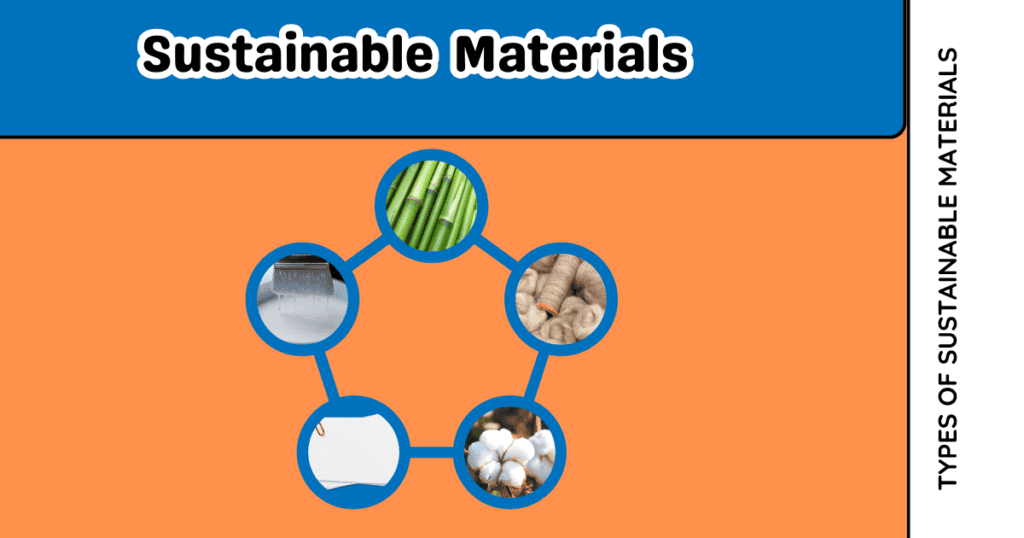
      Sustainable materials or ‘green materials’ refer to resources that have a reduced environmental impact throughout their life cycle compared to conventional alternatives. These can include renewable and biodegradable materials such as bamboo, wool, and cotton; recycled materials like paper, glass, and metal; and non-toxic materials like natural dyes and water-based paints. By using these materials, we can significantly reduce the negative impacts of production, use, and disposal on the environment.

      At the heart of this eco-conscious paradigm shift are sustainable materials — resources that meet present needs without compromising the ability of future generations to meet their own. Such materials are not a mere trend but a fundamental component of the stewardship the Earth urgently requires.

      Why Are Sustainable Materials Vital?

      Sustainable materials offer an escape from the linear consumption model, which extracts, consumes, and discards resources in perpetuity. They advocate for a circular economy, where materials are continually looped back into the manufacturing process, promoting longevity, reduction in waste, and preservation of natural resources.

      By reducing energy consumption, emissions, and pollutants, sustainable materials help mitigate climate change and protect ecosystems. They also support ethical values by promoting fair labor practices and minimizing the exploitation of workers.

      Types of Sustainable Materials

      Sustainable materials encompass various categories of resources, each with specific traits that make them environmentally friendly. These include biodegradable materials, renewable materials, recycled materials, and non-toxic materials.

      Sustainable Materials

      Each type has its own unique benefits and applications, but all share the common goal of reducing harm to the environment. Biodegradable materials, for instance, decompose naturally and do not harm the environment during disposal.

      There are several key categories of sustainable materials:

      1. Biodegradable Materials

      Biodegradability marks a milestone in the life cycle of materials. Items crafted from biodegradable materials can return to the earth safely within a relatively short time frame, typically by the action of microorganisms. The benefits are manifold, from reducing landfill pressure to preventing soil and water contamination.

      Examples and Benefits
      • Bioplastics: Derived from renewable plant sources like corn and sugarcane, bioplastics hold the promise of plastic utility without the eternal ecological footprint of conventional plastics.
      • Natural Fibers: Materials such as hemp, bamboo, and jute offer versatile alternatives to synthetic fibers, boasting sturdy, biodegradable properties.

      2. Recycled and Upcycled Materials

      Recycling and upcycling are potent tools in the sustainability arsenal. By reprocessing used materials into new products or materials of higher quality, both recycling and upcycling help to close the consumption loop.

      Examples and Benefits
      • Recycled Plastics: Companies are leaping toward the use of plastics derived from recycled content, turning waste materials into fresh, useful products that contribute to a cleaner planet.
      • Upcycled Textiles: The fashion industry is innovating with textiles created from pre-existing materials, offering style with a lower environmental impact.

      3. Renewable Materials

      Renewable materials are those sourced from natural elements that can be replenished at a rate equal to or faster than their rate of use. These resources are the cornerstones of a sustainable economy.

      Examples and Benefits
      • Timber and Wood Products: Sustainably harvested timber ensures forests can regenerate, providing a perpetual supply of wood for various applications without deforestation.
      • Solar Energy Materials: Photovoltaic technology harnesses the sun’s energy using materials that require minimal environmental inputs and produce renewable electricity.

      The Impact of Sustainable Materials

      The consequences of unsustainable materials are vast, and their impacts are far-reaching. Inefficient production processes, overconsumption, and improper waste management contribute to the depletion of natural resources, pollution of land and water, and endangerment of biodiversity.

      Unsustainable materials also have a significant carbon footprint, contributing to climate change by releasing greenhouse gases into the atmosphere. The negative effects on human health and ecosystems are evident, and without a shift towards sustainable materials, these problems will continue to worsen.

      Environmental Benefits

      The most immediate impact of sustainable materials is on the environment. By reducing the extraction of virgin resources and lessening the amount of waste that ends up in landfills or natural ecosystems, these materials help protect biodiversity, conserve energy, and mitigate climate change.

      Case Studies
      • Patagonia’s Recycled Polyester Jackets: Patagonia’s investment in sustainable materials is evident in its range of clothing items incorporating recycled materials. This initiative not only benefits the environment but also educates consumers about the possibility of sustainable fashion.
      • The Boring Company’s Tunnel Technology: Elon Musk’s tunnel construction venture is a visionary example of sustainable materials in action, utilizing recycled elements to create infrastructure in a resource-responsible manner.

      Social and Economic Impact

      Beyond ecological benefits, sustainable materials can bolster local economies and improve the lives of communities, particularly in developing nations with rich natural resources.

      Case Studies
      • IKEA’s Community Wood Initiatives: By supporting programs that promote responsible forestry and craftspeople, IKEA ensures that the materials they use benefit both the environment and society.
      • Interface’s Recycling Partnerships: Interface’s commitment to resource efficiency is a model for corporate social responsibility, fostering partnerships that not only source sustainable materials but also contribute to a circular economy through initiatives like Net-Works, which repurposes discarded fishing nets.

      Innovations in Sustainable Materials

      Innovations in sustainable materials are constantly pushing the boundaries of what is possible, offering new and exciting solutions to global environmental challenges. From revolutionary changes to existing materials, like the development of biodegradable plastic alternatives, to entirely new inventions, such as self-healing concrete, these innovations continue to transform industries and inspire a more sustainable mindset.

      Nanotechnology

      Nanotechnology, the manipulation of matter at an atomic or molecular scale, has brought about significant advancements in sustainable materials. It has allowed for the creation of stronger and more durable materials using fewer resources, as well as the development of new properties such as water and stain resistance. Applications range from eco-friendly building materials to lightweight and energy-efficient electronics.

      3D Printing

      3D printing, also known as additive manufacturing, has been gaining traction in the production of sustainable materials. This technology allows for precise and efficient use of resources, reducing waste during the manufacturing process.

      It also enables the creation of complex and customized designs using a variety of materials, including recycled ones. The potential for 3D printing to revolutionize industries such as construction and healthcare is immense, offering sustainable solutions to current challenges.

      Sustainable materials play a vital role in promoting environmental sustainability and mitigating the harmful effects of traditional manufacturing processes. From biodegradable and renewable materials to innovative technologies like nanotechnology and 3D printing, sustainable materials offer endless possibilities for creating a more environmentally responsible future.

      Practical Applications of Sustainable Materials

      The use of sustainable materials goes beyond just reducing environmental impact; it also offers practical benefits for individuals, businesses, and society as a whole. From cost savings to improved health and safety, the adoption of sustainable materials is proving to be a win-win situation for all stakeholders involved.

      Cost Savings

      The use of sustainable materials can lead to significant cost savings for businesses and individuals. For example, using renewable energy sources instead of non-renewable ones can reduce energy costs in the long run. Similarly, utilizing recycled materials in production processes can result in lower material costs and waste management expenses.

      Health and Safety

      Sustainable materials also offer health and safety benefits for both humans and the environment. For example, using biodegradable materials in food packaging reduces exposure to harmful chemicals found in traditional plastics. Using sustainable materials also supports a cleaner environment, which can lead to improved public health.

      Social Impact

      The adoption of sustainable materials has a positive social impact as well. It creates job opportunities in industries such as renewable energy and sustainable agriculture, promoting economic growth. It also encourages responsible consumption and production practices, leading to a more sustainable society.

      The use of sustainable materials is integral to achieving environmental sustainability. From biodegradable and recycled materials to renewable resources and innovative technologies, the potential for these materials to create a greener future is vast. By harnessing these materials and their practical applications, we can create a more sustainable world for generations to come.

      Read: What Innovation Changed the Textile Industry?

      Challenges and Future of Sustainable Materials

      The path to a sustainable future is not without obstacles. The adoption of sustainable materials faces challenges ranging from cost to consumer education and infrastructure limitations. Yet, the horizon is rich with potential as stakeholders collaborate, and technology evolves.

      Overcoming Obstacles

      To realize the full potential of sustainable materials, concerted efforts are necessary to address issues related to regulation, investment, and cultural norms.

      Collective Solutions
      • Policy Initiatives: Proactive policies and incentives can spur the adoption of sustainable materials, rewarding businesses that prioritize environmental stewardship.
      • Public Awareness Campaigns: Education and outreach are vital tools to cultivate a consumer base that demands and supports sustainable alternatives.

      Tomorrow’s Sustainable Materials

      The innovation pipeline for sustainable materials is overflowing with possibilities! As we move forward, here’s a peek at what the future holds for this exciting field:

      • Biomimetic Marvels: Nature has always been the ultimate engineer. Imagine buildings mimicking termite mounds for natural temperature regulation, or self-healing materials inspired by the regenerative powers of lizards. Biomimicry will play a key role in designing sustainable materials with superior functionality and lower environmental impact.
      • Rise of the Machines: Automation and artificial intelligence (AI) will revolutionize sustainable material production. AI can optimize complex processes, minimize waste, and even design new materials with previously unforeseen properties. This will lead to more efficient and eco-friendly manufacturing.
      • A Circular Economy Takes Root: The concept of a circular economy, where materials are reused and recycled endlessly, will become mainstream. Imagine buildings constructed from prefabricated, recycled components, designed for disassembly and re-use in future projects. Sustainable materials will be engineered for repairability and adaptability, reducing our reliance on virgin resources.
      • Mushrooms Take Over (Not Really, But Almost!) Mycelium, the root network of fungi, is emerging as a game-changer. Mycelium-based materials are not only biodegradable but also hold promise for insulation, packaging, and even construction applications. Research suggests they can even be used to purify polluted environments!
      • A Material World, Reimagined: The future of sustainable materials isn’t just about replacing existing ones. We can expect entirely new categories of materials with unique properties. Imagine fabrics that capture and convert solar energy to power wearable electronics, or self-cleaning surfaces that eliminate the need for harsh chemicals.

      This glimpse into the future paints an optimistic picture. By embracing innovation and collaboration, sustainable materials have the potential to revolutionize the way we build, consume, and interact with the world around us. Stay tuned for further explorations into this exciting realm!

      Conclusion

      Sustainable materials are not just a buzzword; they are the fabric of a greener, more resilient planet. From the battlefields of waste reduction to the frontier of material science, their significance is unambiguous.

      It is through their adoption and proliferation that we lay the groundwork for a future where resource use is married to the rhythms of the natural world, ensuring a legacy that future generations will cherish. The time to act is now, and sustainable materials are the keys to unlocking our collective potential for a healthier, more harmonious world.

    5. Why the Motorola Moto G Play 2023 is a Bang for Your Buck

      Are you looking for an affordable yet reliable smartphone? Look no further than the Motorola Moto G Play 2023. Packed with features usually only seen in more expensive versions, this inexpensive phone is incredibly valuable. This budget-friendly phone is a steal for the price.

      The Moto G Play 2023 offers impressive 3-day battery life, an unlocked design compatible with all US carriers, 3GB of RAM and 32GB of storage, and a 16MP camera, all in a sleek navy blue color. This budget-friendly smartphone provides reliable performance and features that punch above its price tag.

      This review will explore why the Moto G Play 2023 is a bang for your buck, from its impressive battery life to its expandable storage capabilities.

      First Impressions and Build Quality

      As I unboxed the Motorola Moto G Play 2023, my expectations were immediately exceeded. The navy blue finish exuded a level of sophistication and modernity I hadn’t anticipated in a budget-friendly device. Holding the phone in my hands, I first noticed its robustness. The design didn’t just look good; it felt durable, ready to withstand the often inevitable day-to-day bumps and scratches.

      Motorola Moto G Play

      The device’s physical build struck a nice balance between looking sleek and feeling substantial. Despite its affordability, nothing about its exterior screamed “budget phone.” The materials conveyed a sense of quality that’s only sometimes present in this price segment. It was reassuring to see the attention to detail in the phone’s construction, from the positioning of the buttons to the smoothness of the back panel, which also houses a fingerprint reader for added security.

      Furthermore, the water-repellent design hinted at the thoughtfulness behind the Moto G Play 2023’s engineering. Knowing that the phone could survive accidental spills or light rain was comforting, underscoring Motorola’s commitment to delivering practical durability.

      The device’s size and weight felt just right in the hand, striking a good balance between screen size and portability. It was neither too bulky to carry around comfortably nor too slight to strain the eyes while watching videos or playing games.

      This initial interaction with the Moto G Play 2023 laid a solid foundation for the user experience. The phone promised not just to be a tool for communication but a resilient companion for everyday adventures. Its build quality and design aesthetics set a high bar for what users can expect from budget-friendly smartphones, making it clear that Motorola did not cut corners in creating a device that feels premium despite its price tag.

      Battery Life of Motorola Moto G Play

      The Motorola Moto G Play 2023 boasts a battery capacity that is nothing short of remarkable for its price point. Its 3-day battery life is a feature that sets it apart from many competitors within the budget smartphone market.

      This budget phone boasts a massive 5000mAh battery, promising extended use on a single charge. But does it live up to the hype?

      Moto G Play 2023 Battery Claims:

      Motorola claims the Moto G Play 2023 can deliver up to three days of battery life. This translates to:

      • Light users: Three days of use could be achievable for those who use their phone for basic tasks like texting, calling, and occasional browsing.
      • Moderate users: With moderate use like social media, music streaming, and some web browsing, you can expect the phone to last a full day or close to it.
      • Heavy users: Gamers and avid content creators might need to reach for the charger before the end of the day, but the phone should still hold its own for a significant amount of time.

      Real-World Battery Performance:

      Reviews suggest that the Moto G Play 2023 delivers on its promise of long battery life. Users report achieving two days of use with moderate usage, which is impressive for a budget phone. The phone’s power-efficient processor and optimized software further contribute to its impressive battery performance.

      Tips to Maximize Battery Life:

      • Adjust screen brightness: Lowering the screen brightness is one of the most effective ways to conserve battery life.
      • Turn off Bluetooth and Wi-Fi when not in use.
      • Close unused apps: Background apps can drain the battery.
      • Utilize battery saver mode: This mode reduces performance but extends battery life.

      The Moto G Play 2023 lives up to its reputation for long battery life. With a 5000mAh battery and optimized software, this phone is a great option for users who prioritize extended use on a single charge. Whether you’re a light user or a moderate user, the Moto G Play 2023 has the battery power to keep you connected throughout your day.

      Throughout my use, the phone consistently delivered on this promise, eliminating the common worry of daily charging. This endurance is particularly beneficial for those who lead active lifestyles or require a dependable device during long workdays or travel. The extended battery life ensures the phone remains functional from morning to night, even with moderate to heavy use.

      Performance and Speed

      When it comes to budget phones, speed and performance are often a worry. But the Moto G Play 2023 is a surprising exception!

      Sure, it might not have the strongest processor or the most RAM compared to super expensive phones. But for everyday tasks, it works great! Opening apps, checking emails, and browsing the web all happen smoothly, thanks to Motorola’s clever software that gets the most out of the phone.

      Gaming and multitasking are a bit trickier. Simple games run perfectly, but demanding apps might slow things down a bit. The Moto G Play 2023 knows its limits and handles them well. You won’t get the fastest performance, but it still delivers a good experience.

      The bottom line? This phone proves that smooth performance doesn’t have to cost a fortune. Apps open quickly, and everything runs consistently, which is all most people need. So, if you’re looking for a reliable phone that won’t break the bank, the Moto G Play 2023 is a great option!

      Display and Camera

      The Moto G Play 2023 display is one of its more appealing aspects, featuring a sizable 6.5″ HD+ display with a resolution of 1600 x 720 pixels and 269 ppi. This vibrant and clear IPS TFT LCD screen enriches the visual experience, whether you’re scrolling through social media, binge-watching your favorite series, or immersing yourself in mobile gaming.

      Text is sharp and images are displayed with reasonable clarity, making it a pleasure to use for daily tasks and entertainment.

      Camera Breakdown:

      • Optical sensor resolution: 13 megapixels
      • Maximum display resolution: HD+ (1600×720) | 269ppi
      • Display Type: IPS TFT LCD
      • Form factor: Smartphone
      • Other camera description: 13MP + 2MP triple camera, 5MP selfie camera

      While the display holds its own, the versatile triple-lens camera system could be better compared to more sophisticated offerings in pricier phones. In optimal lighting conditions, it manages to capture decent shots, but the images often lack detail and dynamic range that photography enthusiasts might seek.

      Low-light performance is noticeably limited, with photos sometimes appearing grainy and lacking definition. The camera experience is inconsistent, so depending on the setting and subject matter, it can be either good or bad.

      Despite these limitations, the camera app has several features and modes that attempt to elevate the photography experience. You can experiment with various modes like portrait mode and panoramic shots, to enhance your photos.

      However, users looking for a phone primarily focused on advanced photography might find the Moto G Play 2023’s camera capabilities underwhelming. For everyday snapshots and social media posts, though, it serves its purpose and complements the overall value proposition of the device, balancing its performance with its affordable price point.

      Unique Features and Expandability

      The Moto G Play 2023 isn’t just another budget phone; it packs some punches that users on a budget will love. Here’s what makes it stand out:

      Say goodbye to storage worries: Tired of deleting apps to make space for photos? The Moto G Play 2023 lets you expand storage up to a massive 512GB with a microSD card. No more choosing between your favorite games and those cute cat videos!

      Built to last: Spills happen, but that doesn’t mean your phone should suffer. The Moto G Play 2023’s water-repellent design protects it from light rain and accidental splashes, giving you peace of mind.

      Unlocking made easy: Forget complex passwords or remembering patterns. The fingerprint reader on the back lets you unlock your phone quickly and securely with just a touch.

      A phone that adapts to you: Whether you’re a photo enthusiast, a casual gamer, or someone who juggles work and play, the Moto G Play 2023 keeps up. With expandable storage and a durable design, it’s a versatile tool that can handle your daily needs.

      Bonus! Motorola prioritizes value with the Moto G Play 2023. You won’t have to sacrifice functionality or future-proofing for an affordable price. This phone is built to last and grow with your needs.

      Read: Boost Mobile Prepaid Plans: A Comprehensive Guide in 2024

      Navigating the Shortcomings

      Every product has limitations, and the Motorola Moto G Play 2023 is no exception. Potential users should consider these drawbacks to make an informed decision. The device is equipped with a processor and RAM that, while sufficient for basic tasks and moderate use, may need to catch up with the demands of more intensive applications or heavy multitasking. Users who enjoy high-end gaming or rely on their phones for resource-heavy work may find the performance lacking.

      Despite being a triple setup, the camera system does not consistently deliver the high-quality photos one might expect. In well-lit environments, it performs adequately, but in low-light conditions, the results can be disappointing, with noticeable noise and a lack of detail. This may deter users for whom photography is a priority, though it remains passable for everyday shots and casual use.

      Another aspect to consider is the charging speed. In an era where quick charging has become more common, the Moto G Play 2023 needs to catch up with its slower charging capabilities. This could concern users who are often on the move and need a quick power boost to get through the day.

      While these aspects may be seen as drawbacks, they are worth considering against the phone’s budget-friendly price point. The Moto G Play 2023 is not positioned as a high-end device, and its limitations reflect its affordability. Prospective buyers should evaluate their needs and usage patterns to determine if the phone’s advantages outweigh these considerations. These shortcomings may be manageable for those seeking a reliable, everyday device that excels in battery life and offers a solid range of features.

      Is the Moto G Play 2023 Worth It?

      After spending significant time with the Motorola Moto G Play 2023, it’s evident that this smartphone is a standout in the budget category. It masterfully balances affordability with a suite of features that cater well to the average user’s needs. The device’s impressive battery life alone is a game-changer, allowing you to go about your day without constant anxiety over the next charge. Coupled with a large, vivid HD+ display, it ensures a satisfying viewing and user experience, whether for casual browsing, media consumption, or gaming.

      The expandable storage is a thoughtful addition, allowing users to easily increase their phone’s capacity as needed. This, along with the water-repellent design and the convenience of a fingerprint reader, underscores Motorola’s commitment to creating a device that’s affordable, practical, and adaptable to various lifestyles. Being unlocked for all carriers adds another layer of versatility, making it an excellent choice for a wide audience.

      However, it’s not without its compromises. The lower-end processor and RAM setup, along with the camera’s average performance and slower charging, indicate its budget-friendly nature. Potential buyers must weigh these considerations against their personal needs and expectations from a smartphone.

      For those who prioritize a solid, reliable phone that excels in battery life and day-to-day functionality over high-end specs or professional-grade photography, the Moto G Play 2023 stands out as a compelling choice. Offering a well-rounded package that defies its price tag, it earns a well-deserved rating of 4 out of 5 stars.

      In the landscape of budget smartphones, finding one that provides this level of value is a rarity, making the Moto G Play 2023 a device that’s not only worth considering but also highly recommended for the budget-conscious user.

    6. Cloud Network Technology: Strategies and Solutions

      Cloud Network Technology: Strategies and Solutions

      Navigating through the landscape of cloud network technology reveals a realm of innovative strategies and robust solutions designed to propel businesses forward.

      From the intricate design of cloud network architecture to the tailored security measures safeguarding data, companies are exploring diverse cloud networks to enhance their operational efficiency and scalability.

      Cloud Network Technology

      Understanding the nuances of virtual networks, from SDN (Software-Defined Networking) to hybrid cloud networking, is crucial for optimizing performance and managing costs effectively.

      Integrating AI and machine learning, alongside strategies for efficient cost management during migration, further enriches this landscape. In this article, we will discover powerful techniques and practical solutions in the realm of cloud networking.

      Exploring the Types of Cloud Networks for Business

      Embarking on the journey toward adopting cloud network technology requires a nuanced understanding of its diverse ecosystems, specifically public, private, and hybrid cloud basics.

      This understanding forms the bedrock upon which businesses can align their operational needs and objectives with the most suitable cloud solution.

      Navigating through the cloud’s intricate landscape, from cloud network architecture to cloud security, demands a strategy that not only addresses immediate needs but is also scalable for future growth.

      As we delve deeper into the types of cloud networks, remember, that the choice between a virtual network, a cloud WAN, or a hybrid cloud networking solution isn’t merely about data storage locations; it’s about crafting a network that resonates with the pace and scale of your business aspirations.

      This section lays a comprehensive foundation, guiding you through these critical choices to ensure your business not only thrives but excels in leveraging cloud capabilities.

      Understanding Public, Private, and Hybrid Cloud Basics

      Grasping the basic concepts of public, private, and hybrid cloud networks forms the cornerstone of any digital transformation strategy. For a long time, my journey in deciphering the complexities of cloud network technology reinforced the importance of aligning business infrastructure with cloud environments that best fulfill organizational goals and requirements.

      Public clouds offer a vast, on-demand infrastructure managed by third-party providers, eliminating the need for businesses to invest in and maintain their own physical servers. In contrast, private clouds provide a dedicated environment controlled entirely by the organization, offering a greater level of security and customization.

      Meanwhile, hybrid cloud networking bridges the gap, combining the scalability and cost-efficiency of public clouds with the control and security of private clouds, creating a flexible and dynamic networking ecosystem tailored to a business’s unique needs.

      Matching Your Business Needs to the Right Cloud Solution

      Identifying the right cloud solution for your business is akin to piecing together a puzzle where each piece represents a different aspect of your operational needs. Whether it’s the agility and expansiveness of cloud WAN, the meticulous control and privacy offered by a private cloud, or the innovative approach of SDN (Software-Defined Networking), the goal is to find a solution that not only fits today’s objectives but also adapts to future demands.

      Through my experience, leveraging a hybrid cloud networking strategy often emerges as a powerful solution, especially for businesses navigating the complexities of integrating legacy systems with modern cloud applications. This approach allows for a seamless blend of network virtualization technologies, including cloud VPNs for secure remote access and multi-cloud networking strategies to optimize performance and costs.

      Ultimately, the choice is driven by a thorough assessment of cloud security requirements, data accessibility needs, and the overarching ambition to harness the cloud’s potential for innovation and growth.

      Ensuring Security in Your Cloud Network Infrastructure

      Securing cloud network infrastructure isn’t just about erecting barriers; it’s about creating a robust framework that ensures the integrity and confidentiality of data as it moves through the virtual expanse of the cloud.

      As I’ve navigated through the complexities of cloud networking, it’s become increasingly clear that the foundation of a secure cloud environment hinges on not only where data is stored but also on how it is accessed and transmitted.

      By focusing on best practices for secure data storage and transmission, including the adoption of multi-factor authentication and comprehensive encryption strategies, businesses can significantly mitigate risks, turning their cloud network into a fortress that safeguards their most valuable assets while fostering an environment of trust and reliability.

      Best Practices for Secure Data Storage and Transmission

      In my journey through the landscape of cloud network technology, I’ve learned that the art of securing data in transition presents a unique set of challenges. Emphasizing encryption becomes paramount, as it transforms sensitive information into unreadable text for anyone without the decryption key, ensuring that data remains protected as it traverses across the cloud.

      Another critical lesson was the importance of adopting a holistic viewpoint toward access control mechanisms within the cloud network. By meticulously crafting who has permission to both view and manage data, I’ve seen first-hand how businesses significantly lower the risk of unauthorized access, reinforcing the security framework surrounding their cloud-based assets.

      Implementing Multi-Factor Authentication and Encryption

      In my professional journey, implementing multi-factor authentication (MFA) became a pivotal strategy in enhancing the security of cloud network infrastructures. By integrating this layer, I made it considerably harder for unauthorized users to gain access, as it requires them to provide two or more verification factors to authenticate their identity, far beyond just a password.

      Alongside MFA, diving deep into encryption strategies taught me the non-negotiable importance of protecting data at rest and in transit. By converting sensitive information into a code accessible only through a decryption key, I fortified the cloud environment against breaches and leaks, fostering a secure ecosystem for sensitive data across the virtual landscape.

      Optimizing Performance in Cloud Network Environments

      Cloud Network Technology

      In my exploration of cloud network technology, a pivotal focus has been on enhancing performance across the board.

      A common hurdle I’ve encountered involves the latency inherent in distributed networks—how it can impair user experience and slow down operations.

      My strategy to counteract this involves two critical techniques: reducing latency through strategic interventions and leveraging the power of Content Delivery Networks (CDNs) to accelerate access to data.

      Each method has proven to be instrumental in smoothing out performance peaks and troughs, ensuring that the network’s speed matches the pace of business demands.

      Techniques for Reducing Latency in Distributed Networks

      In my journey through the nuanced realm of cloud network technology, an innovative real-world approach has been adopting SDN (Software-Defined Networking) to dynamically manage and optimize the network. SDN’s ability to programmatically configure network resources and prioritize data packets significantly cuts down latency, proving to be a game-changer in maintaining high-speed operations across distributed networks.

      Another strategy that has markedly influenced the performance metrics within cloud environments is the strategic placement of cloud VPN endpoints. By situating these access points closer to the user’s location, the communication path is shortened, inherently reducing travel time for data. This adjustment can lead to a palpable decrease in latency and an enhanced overall user experience, showcasing the tangible benefits of a meticulously planned cloud network architecture.

      Leveraging Content Delivery Networks for Improved Speeds

      In my quest to uplift cloud network performance, embracing Content Delivery Networks (CDNs) emerged as a critical momentum builder. These networks adeptly cache content at numerous points across the globe, ensuring users receive data from the nearest server, significantly boosting speed and reducing server load.

      My implementation of CDNs has vividly transformed the accessibility and reliability of digital resources, redefining user experiences by minimizing delays in content delivery. This approach harnesses geographical diversity to optimize network efficiency, a testament to the innovative realm of network virtualization and its capacity to elevate the performance standards of cloud networking environments.

      The Role of AI and Machine Learning in Cloud Networking

      The transformative impact of AI and machine learning in cloud network technology cannot be overstated, especially as businesses seek more sophisticated ways to optimize and secure their cloud environments.

      Cloud Network Technology

      By integrating AI tools for automating network management tasks, organizations can not only streamline operations but also significantly reduce the risk of human error.

      Similarly, machine learning algorithms play a vital role in enhancing predictive analytics, providing insights that allow for proactive adjustments to network configurations based on real-time data.

      This fusion of AI and machine learning is revolutionizing the way we approach cloud network architecture, paving the way for more intelligent, autonomous systems that adapt and evolve in response to an organization’s changing needs.

      Automating Network Management Tasks With AI Tools

      In my career, I’ve witnessed the transformational power of integrating AI tools into routine network management tasks. This innovation brings a new level of efficiency, enabling networks to self-monitor, self-configure, and even self-heal, dramatically reducing the time IT teams spend on day-to-day maintenance.

      Embracing AI-driven automation has also allowed me to preemptively identify network vulnerabilities and performance issues before they escalate.

      This preemptive approach, powered by sophisticated AI algorithms, shifts the paradigm from reactive to proactive network management, ensuring seamless operations and a superior user experience.

      Enhancing Predictive Analytics With Machine Learning Algorithms

      In my line of work, the application of machine learning algorithms has been a critical factor in amplifying predictive analytics capabilities within cloud network environments. These algorithms analyze patterns and trends from vast datasets, allowing us to forecast future network demands and challenges with remarkable accuracy.

      This foresight enables me to tailor network resources and configurations preemptively, ensuring the infrastructure can handle upcoming loads or threats without a hitch. The integration of machine learning into cloud networking has not only streamlined operational efficiency but also elevated the predictability and reliability of network performance.

      Managing Costs While Migrating to a Cloud Network

      Migrating to a cloud network presents an exciting frontier for enhancing business operations, yet managing the associated costs demands a strategic approach.

      In my experience, the transition to cloud-based infrastructure, while promising significant benefits, also introduces complexities in cost management and optimization.

      Identifying cost-effective strategies for this migration is crucial to ensuring that businesses not only benefit from the technological advantages but also maintain financial viability and efficiency throughout the process.

      The pursuit of finding the balance between leveraging advanced cloud network features and managing expenditures has propelled me to explore and implement practical solutions designed to mitigate costs without compromising on the quality or scalability of the cloud infrastructure.

      Identifying Cost-Effective Strategies for Migration

      In my professional journey towards optimizing cloud network migrations, I’ve discovered that a thorough assessment of existing infrastructure is imperative. Such evaluations allow me to pinpoint areas where transitioning to the cloud would not only enhance efficiency but also lead to significant cost savings, avoiding unnecessary expenditures on migrating resources that are already operating optimally on-premise.

      Another pivotal strategy I’ve employed involves negotiating scalable contracts with cloud service providers. This flexibility ensures that the business only pays for the resources it actually uses, preventing overinvestment in capacity that might not be needed immediately but can be scaled up as the organization grows and its cloud networking demands evolve.

      Conclusion

      Navigating cloud network technology with strategic acumen and selecting the appropriate solutions is crucial for businesses aiming to leverage the cloud’s potential effectively.

      By understanding the distinct characteristics and benefits of public, private, and hybrid clouds, businesses can align their operational needs and future goals with the right cloud environment, ensuring scalability, security, and performance.

      Employing hybrid cloud strategies and embracing innovations such as SDN, cloud VPNs, and multi-cloud networking can optimize both cost and efficiency, providing a tailored approach to meeting specific business requirements.

      Additionally, prioritizing security through encryption, multi-factor authentication, and best practices in data management protects valuable assets in the cloud. Optimizing performance by reducing latency and leveraging CDNs enhances user experience and operational speed.

      Furthermore, integrating AI and machine learning into cloud networking automates tasks, enhances predictive analytics, and fosters a more responsive, autonomous network infrastructure.

      Lastly, managing migration costs effectively ensures that businesses can enjoy the technological and operational benefits of cloud networking without compromising their financial health.

      Overall, a strategic approach to navigating cloud network technology lays a foundation for innovation, growth, and long-term success in the digital landscape.

    7. Environmental Packaging – A Comprehensive Guide

      Environmental Packaging – A Comprehensive Guide

      Imagine a world where the packaging protecting your purchases doesn’t come at the cost of the environment. This vision is becoming a reality with the rise of environmental packaging.

      Environmental Packaging

      While traditional plastic packaging has long been the norm, its environmental impact is undeniable. Landfills overflowing with plastic waste and oceans choked by microplastics paint a stark picture. However, environmental packaging offers a powerful solution. By utilizing sustainable materials and innovative designs, we minimize our environmental footprint and pave the way for a more responsible future.

      This article delves deep into the world of environmental packaging, exploring its benefits, diverse materials, and how businesses and consumers can embrace this game-changer.

      What is Environmental Packaging?

      Environmental packaging is the process of packing various products with eco-friendly elements. It comprises plants, paper, cardboard, and many natural ingredients. It may also include compostable PLA, such as cellulose.

      The aim of using such materials is to reduce environmental costs. Our product should not pollute our environment. These should be sustainable and eco-friendly. So, if we use environmentally friendly materials, we can use them repeatedly. Besides, it will not ruin our world. Additionally, we can compost to use in crops.

      Importance of Environmental Packaging

      It is essential to use eco-friendly materials in business and daily life. It is our world. Our responsibility is to protect it. If we destroy it, our descendants will not be able to survive here.

      The entire earth produces 10 billion plastic bags weekly. The problem with plastic is that it never degrades. They hardly compost themselves gradually. As a result, it reduces the fertility of our lovely land.

      An adult consumes about 2000 microplastics through seafood and water in a year. It can cause cancer and lung disease, reduce the fertility of humans, and much more. We should use alternative, sustainable materials to package various inventories.

      Moreover, a business should always prefer its audience. Otherwise, they will lose customers and may crash one day. Some institutions have done a study in North America. They found that 69% of customers are ready to pay more for eco-friendly product packaging.

      Even globally, 40% of consumers preferred ecologically sound products. So, if you want to grow your company, you should use sustainable packaging.

      If you use sustainable materials, they will not cause any harm to humans or the environment. Instead, they will be beneficial for us. We can compost them to increase the fertility of our land and grow more crops. Moreover, recycling some sustainable materials can reduce packaging costs.

      Types of Ecologically Sound Packaging

      Eco-Friendly Packaging

      There are three main types of environmental packaging. They are as follows:

      • Recyclable package
      • Biodegradable package
      • Reusable package

      Recyclable package

      Recyclable packaging consists of packages that can be recycled again. The consumer or business may not be able to use it again. However, if they recycle it, then they can use it again. As a result, it reduces waste.

      The recyclable packages have to be sent to specialized factories for recycling. Otherwise, they might be thrown to the ground.

      Usually, recyclable packages are made of paper, cardboard, aluminum, glass, etc. Sometimes, they may catch unremovable stains. Then, it becomes difficult to recycle them. However, if it is possible to remove those stains and other identifiable labels, they could be recycled easily.

      Biodegradable package

      Another category of ecological package is the biodegradable package. They are mainly made of plants. It includes but is not limited to rice, corn, mushrooms, etc.

      Most of the time, they degrade and do not cause any damage to our country. It can be used for soil fertilizer if it can be appropriately decomposed. So, it is beneficial in two ways.

      Reusable package

      The final category is reusable packaging. These sorts of packages cannot be decomposed. Instead, we can use them repeatedly for various purposes for decades.

      They are usually made of glass, metals, still, silicons, etc. We can use them to preserve food and carry various materials. We do not throw them away. Instead, we can repurpose them.

      How Businesses and Consumers Can Drive Environmental Packaging

      Environmental packaging presents a revolutionary shift in the way we protect products and minimize environmental impact. But how can this game-changer be truly embraced? Here’s how both businesses and consumers can play a crucial role:

      Businesses: Leading the Sustainable Shift

      • Embrace Innovation: Explore the diverse world of sustainable materials like recycled content, compostable options, and minimal packaging solutions. Partner with suppliers who offer high-quality, eco-friendly packaging options.
      • Life Cycle Thinking: Conduct a life cycle assessment to understand the environmental impact of your current packaging and identify opportunities for improvement. Design for sustainability, optimizing packaging for functionality while minimizing material usage.
      • Transparency and Communication: Clearly communicate your commitment to environmental packaging to stakeholders like retailers and consumers. Highlight the sustainable materials used and provide information on proper disposal or recycling.

      Consumers: Making Conscious Choices

      • Become Informed: Educate yourself about different types of environmental packaging and their benefits. Look for certifications and symbols that indicate recycled content, compostability, or other sustainable practices.
      • Support Sustainable Brands: Do your research and prioritize brands that prioritize sustainability throughout their operations, including their packaging choices. Your purchasing decisions send a powerful message.
      • Responsible Disposal: Play your part! Follow proper disposal or recycling guidelines based on the packaging material used. Compost compostable options, recycle what can be recycled, and dispose of non-recyclable materials responsibly.

      By working together, businesses and consumers can create a powerful force for change. Businesses can develop innovative and affordable sustainable packaging solutions, while consumers can drive demand for these options through their purchasing decisions.

      Read: How is Renewable Energy Technology Transforming the World?

      Some Alternate Examples of Environmental Packaging

      Although packaging material is necessary, price is also a significant factor in selecting a product in developing countries. Instead, brand value and reputation are preferable factors in selecting a product.

      While Indian customers understand environmental costs, they mostly prefer price and product quality over eco-friendly packaging. About 70% of participants in a study have shared that they would prefer price first before determining ecologically sound packaging.

      However, they understand the importance of ecologically sound packaging. If policymakers could play a role in reducing prices and offering incentives for environmentally friendly packaging and products, they may prefer those products. As a result, it could reduce the burden on our lovely planet.

      However, another study has argued against the above view. The study has found a positive view towards environmentally friendly packaging and products. Since e-commerce is evolving and online shopping is growing, digital customers are becoming aware of the environmental costs of packaging and products. They prefer ecologically sound packaging over price. It has been mentioned that more people would prefer sustainable packaging if adequately educated.

      Conclusion

      The world of packaging is undergoing a transformation. Environmental packaging, with its focus on sustainable materials and innovative designs, offers a beacon of hope for a future where protecting products doesn’t come at the expense of our planet.

      Businesses have the opportunity to lead the charge by embracing innovation and transparency. Consumers, empowered by knowledge, can make informed choices and support brands aligned with their values.

      Ultimately, people should choose environmental packaging instead of low-priced and convenient plastics. Instead, they should use more environmentally friendly packaging. As a result, we would build a healthy planet for future generations.

    8. Fishing Drones: Perfect Drone for Fishing in 2024

      Fishing Drones: Perfect Drone for Fishing in 2024

      Fishing drones, essentially unmanned aerial vehicles (UAVs) specifically designed for anglers, are rapidly transforming the sport. These technological marvels offer a wealth of advantages, empowering anglers to cast lines far beyond the limitations of a traditional rod and reel.

      Imagine effortlessly reaching untouched fishing grounds previously inaccessible from the shore. With a fishing drone, you can scout vast areas of water from above, pinpointing hidden structures and underwater vegetation that attract fish.

      Benefits of Fishing Drones:

      • Extended Reach: Fishing drones can fly out over waters that are difficult or impossible to reach from shore, giving anglers access to new fishing spots.
      • Efficient Bait Delivery: Drones equipped with bait release systems enable precise bait placement, increasing the chances of a successful catch.
      • Enhanced Visibility: Built-in cameras on fishing drones provide real-time footage of the water below, helping anglers locate schools of fish and plan their strategy accordingly.

      Whether you’re into surf fishing or prefer casting your line from a boat, there’s a fishing drone out there to suit your needs. From budget-friendly options under $500 to top-of-the-line models with advanced features like waterproofing and DJI technology, the market offers a wide range of choices for every angler.

      However, it’s crucial to remember that with great power comes great responsibility. Fishing drones should be used ethically and sustainably. Always prioritize responsible fishing practices, respecting size and catch limits, and ensuring proper fish handling.

      Stay tuned as we delve deeper into the world of fishing drones in this article! Let’s talk about the types of fishing drones first.

      Types of Fishing Drones

      Gone are the days of limited visibility and blind casting. Fishing drones have arrived, offering a new perspective and a tactical advantage for anglers. Here’s a breakdown of the three main types that will transform your time on the water:

      Aerial Drones

      Imagine a bird’s-eye view of the entire fishing ground. Aerial drones, with their high-resolution cameras, provide a breathtaking vantage point. These airborne observers become your eyes in the sky, scanning vast areas of water for hidden coves, feeding frenzies, and most importantly, schools of fish.

      Features:

      • Eagle-Eyed Scouting: Equipped with high-resolution cameras, aerial drones provide a panoramic view of the water, revealing hidden structures and underwater activity that might go unnoticed from the boat.
      • GPS Precision: Forget imprecise casting. Aerial drones equipped with GPS ensure pinpoint accuracy, allowing you to drop bait right in the heart of the action.
      • Bait Delivery (on some models): Some advanced aerial drones take convenience to the next level. They boast built-in bait release mechanisms, enabling you to deliver bait with surgical precision, right next to unsuspecting fish.

      Use Cases:

      • Spotting Schools: Scan vast areas of water quickly and efficiently to identify concentrations of fish, maximizing your chances of a successful catch.
      • Mapping the Terrain: Create detailed 3D maps of underwater structures like reefs and drop-offs, allowing you to target specific fish habitats with unmatched precision.
      • Live Streaming: Share the thrill of the hunt! Live stream your fishing escapades with fellow anglers and capture the excitement of the catch from a unique aerial perspective.
      Fishing Drone

      Popular Models:

      • DJI Phantom 4 Pro: Renowned for its exceptional camera quality and intelligent flight features. Generally more user-friendly and easier to fly, especially for beginners. It also has a longer range than the base model Autel Robotics EVO II Pro.
      • Autel Robotics EVO II Pro: It offers a longer flight time (up to 40 minutes) compared to the Phantom 4 Pro and a high-resolution camera with good low-light performance. This can be beneficial for spotting fish in low-light conditions.

      Underwater Drones

      While aerial drones dominate the skies, underwater drones delve into the watery depths, exploring the hidden world where fish roam. These submersible scouts equip you with an invaluable tool – the ability to see what lurks beneath the surface.

      Features:

      • X-Ray Vision (almost): Equipped with advanced sonar systems, underwater drones act like fish finders on steroids. They reveal detailed underwater topography and pinpoint the exact locations of fish, giving you an unfair (but awesome) advantage.
      • Silent Operators: Unlike traditional fish finders that rely on sound waves, underwater drones operate silently. This stealthy approach ensures you won’t spook your prized catch before you even have a chance to cast.

      Use Cases:

      • Fish Identification: Observe fish behavior up close and personal. Get to know your target species better and learn about their preferred hiding spots.
      • Checking Bait Placement: Ensure your bait isn’t landing in a barren wasteland. Use underwater drones to verify that your bait presentation is right in the strike zone.
      • Inspecting Structures: Submerged obstacles like logs and rocks can harbor fish. Underwater drones allow you to investigate these structures thoroughly, unearthing potential honeyholes.
      Drone for fishing

      Popular Models:

      • PowerVision PowerRay Wizard: A powerful underwater drone with a long runtime and excellent image quality.
      • Chasing Gladius Mini: A compact and affordable underwater drone perfect for exploring tight spaces.

      Hybrid Drones

      For the ultimate angler who craves versatility, hybrid drones offer the best of both worlds – aerial and underwater exploration in a single package. These transformers of the fishing drone world seamlessly transition between soaring through the air and diving beneath the surface.

      Features:

      • Unmatched Versatility: Hybrid drones eliminate the need for separate aerial and underwater units. They provide a comprehensive view of your fishing environment, allowing you to strategize effectively.
      • Seamless Transition: Switch between aerial and underwater exploration with ease. These adaptable drones allow you to scout vast areas from above and then dive down for a closer look at promising underwater structures.
      • Dual Cameras (on some models): Capture stunning visuals from every angle. Some hybrid drones boast both high-resolution aerial cameras and underwater cameras, giving you a complete picture of the fishing environment.

      Use Cases:

      • Dynamic Exploration: Effortlessly switch between aerial scouting and underwater investigation. Plan your approach strategically and target fish with unmatched precision.
      • Extreme Angling: Hybrid drones open up new fishing possibilities. Tackle challenging environments like murky water or dense vegetation with confidence.

      Popular Models:

      • Geneinno Titan: A powerful hybrid drone with long-range and excellent camera capabilities.
      Underwater drone

      Choosing the right fishing drone is akin to selecting the perfect fishing rod – it should seamlessly complement your angling style and target species. Here’s a breakdown of key features to consider before casting your drone (metaphorically speaking) into the vast selection available:

      1. Camera Quality: Your lens is your fishing buddy’s eye. Opt for high-resolution cameras to spot fish schools, monitor water clarity, and document your adventures. Example: The DJI Phantom 4 Pro is renowned for its exceptional camera quality. It boasts a 1-inch 20-megapixel CMOS sensor capable of capturing stunning 4K video at 60 fps.

      2. Battery Life: Long-lasting batteries ensure extended fishing sessions. Imagine capturing that trophy fish without worrying about power! Example: The PowerVision PowerRay underwater drone boasts an impressive 4-hour battery life, allowing you to explore vast underwater areas on a single charge.

      3. Range and Signal Strength: A robust signal keeps your drone under control. Explore distant corners of the lake without losing connection. Example: The Autel Robotics EVO II Pro offers an impressive transmission range of up to 8km, allowing you to explore vast fishing grounds with confidence.

      4. Waterproofing: Drones and water don’t always mix well. Look for waterproof models that can handle splashes and unexpected dives. Example: The SplashDrone 4 is a purpose-built fishing drone boasting an IP67 waterproof rating. This means it can withstand being submerged in up to 1 meter of water for up to 30 minutes.

      5. Bait Release Systems: Precision matters. Choose drones with bait release mechanisms for accurate casting. Example: The Swellpro Fisherman FD series boasts an impressive payload capacity of up to 3.5kg, allowing you to deploy multiple fishing lines or even live bait with pinpoint accuracy. Its bait release mechanism is integrated with the flight controller, enabling automatic bait release at designated GPS waypoints.

      By carefully considering these features and your individual needs, you’ll be well-equipped to select the perfect fishing drone that elevates your angling experience to a whole new level. Remember, a fishing drone is an investment that can transform the way you fish, opening doors to new possibilities and unlocking a world of underwater secrets. So, cast off the limitations of traditional fishing and embrace the future with a trusty fishing drone by your side.

      Read: The Best DJI Drones in 2024: Top Picks for Beginners

      Pros and Cons of Using Fishing Drones

      Fishing drones are revolutionizing the sport, offering a wealth of advantages that can significantly enhance your angling experience. However, like any new technology, there are considerations and potential drawbacks to be aware of. Let’s weigh the pros and cons to help you decide if a fishing drone is the right fit for you.

      Advantages

      1. Precision:
        • Bullseye Accuracy: Fishing drones allow you to drop bait or lure with surgical precision. No more casting blindly; hit the sweet spot every time.
        • Spotting Schools: Their high-resolution cameras reveal fish schools, helping you strategize effectively.
        • Hover and Observe: Hover above a promising spot, observing fish behavior without disturbing them.
      2. Accessibility:
        • Reach the Unreachable: Drones explore areas that are hard to access from the shore or boat.
        • Scout New Waters: Discover hidden coves, submerged structures, and fish-rich pockets.
        • No Boat Required: Even landlocked anglers can now explore lakes and rivers like seasoned mariners.
      3. Unique Perspectives:
        • Bird’s-Eye Views: Witness the water’s topography from above, spotting underwater features.
        • Cinematic Shots: Capture stunning videos of your fishing adventures.
        • Instagram-Worthy: Impress your followers with aerial shots of your catch.

      Challenges

      1. Legal Restrictions:
        • Airspace Rules: Abide by FAA regulations. No buzzing near airports or restricted zones.
        • Privacy Concerns: Respect others’ privacy; avoid spying on sunbathers or neighboring boats.
        • Wildlife Disturbance: Minimize disruption to birds and wildlife.
      2. Learning Curve:
        • Pilot Skills: Mastering drone flight takes practice. Expect a learning curve.
        • Weather Awareness: Wind, rain, and storms affect drone performance.
        • Maintenance Know-How: Regular checks and software updates are essential.
      3. Cost:
        • Initial Investment: Quality fishing drones aren’t cheap. Consider it an investment.
        • Accessories Add Up: Spare batteries, propellers, and waterproof cases increase costs.
        • Insurance: Protect your investment with drone insurance.

      By carefully considering these pros and cons, you can make an informed decision about whether a fishing drone is the right addition to your angling arsenal. Remember, responsible use, adherence to regulations, and a commitment to honing your piloting skills are paramount for a safe, enjoyable, and rewarding fishing experience with your drone.

      Choosing the Right Fishing Drone

      With a vast array of fishing drones available, selecting the perfect one can feel overwhelming. Don’t worry – by carefully considering your needs and budget, you can find the ideal drone to elevate your fishing experience. Here’s a roadmap to guide you:

      1. Evaluate Your Needs: Casual Casting or Competitive Edge?

      • Casual Anglers: If you enjoy occasional fishing trips on local ponds or spend weekends casting lines from the shore of a lake, a user-friendly drone with basic features might be the perfect fit. Prioritize ease of use and affordability. For example, the** DJI Spark** is a great option for casual anglers. It’s a compact, budget-friendly drone with a user-friendly interface and a decent camera, allowing you to scout nearby areas and drop bait with improved accuracy.
      • Professional Anglers: For serious anglers who frequently fish large bodies of water and compete in tournaments, a feature-packed drone becomes an essential tool. Look for advanced capabilities like long flight times (to explore vast areas), a robust camera with exceptional zoom and low-light performance (for identifying fish species and underwater structures), and a reliable bait release mechanism with pinpoint accuracy. Consider durability as well, as these drones will likely see frequent use. For instance, the Autel Robotics EVO II Pro is a high-end drone favored by professional anglers. It boasts a long flight time of up to 40 minutes, a powerful camera with a 6K resolution and a 1-inch sensor, and a payload capacity that can handle even heavy lures or live bait.

      2. Budget Considerations: Balancing Features and Cost

      • Set a Budget: Before diving into specific models, determine how much you’re realistically comfortable spending on a fishing drone. Fishing drones range in price from under $500 to several thousand dollars, so having a budget in mind will help narrow down your options.
      • Feature Prioritization: Not all features are created equal. Allocate your budget towards functionalities that matter most to your fishing style. For example, if precise bait placement is your top priority, invest in a drone with a reliable bait release system. On the other hand, if capturing stunning aerial footage is what excites you, prioritize a drone with a high-quality camera and image stabilization features.

      3. Research Specific Models Based on Your Requirements

      Once you have a good understanding of your needs and budget, delve deeper into researching specific models. Here are some helpful tips:

      • Read Reviews: Learn from the experiences of other anglers. Online reviews and forums offer valuable insights into the strengths and weaknesses of various fishing drones. Look for reviews from anglers with similar fishing styles and priorities to yours.
      • Compare Specs: Don’t get bogged down by technical jargon, but focus on the key specifications that matter most. Pay attention to battery life (how long can you fly before needing to recharge?), range (how far can the drone travel from the controller?), camera quality (resolution, zoom capabilities, low-light performance), and durability (materials used, water resistance). Many online retailers offer comparison charts that can simplify this process.
      • Consider Brands: Several reputable drone manufacturers offer fishing-specific models or drones well-suited for fishing applications. Popular brands include DJI, Autel Robotics, and PowerVision. Researching these brands and their product lines will give you a good starting point for your search.

      By following these steps and carefully considering your needs and budget, you’ll be well-equipped to navigate the vast selection of fishing drones and find the perfect one to reel in a more successful and rewarding fishing experience.

      Read: Cheapest DJI Drones in 2024: Your Gateway to Stunning Aerial

      Legalities and Regulations: Navigating the Legal Waters

      Before taking flight, familiarize yourself with drone regulations. The FAA sets the groundwork:

      • Register your drone: If it weighs over 0.55 lbs (250 grams), register it with the FAA through DroneZone.
      • Fly responsibly: Always prioritize safety. Maintain visual contact, follow altitude restrictions (typically 400 ft. max), and avoid crowds or moving vehicles.
      • Stay informed: Drone regulations evolve. Regularly check the FAA’s DroneZone for updates.

      Commercial Use? Obtain a License

      If you plan to use your drone for commercial fishing (e.g., aerial photography for charters), you’ll need a Part 107 remote pilot certificate from the FAA. This requires passing a knowledge test and following specific commercial drone regulations.

      Safety First: General Guidelines

      Always prioritize responsible drone use:

      • Avoid crowds: Steer clear of flying over gatherings or events.
      • Maintain distance from airports: Respect airspace restrictions and no-fly zones.
      • Respect wildlife: Avoid disturbing wildlife habitats with your drone.

      By understanding these regulations and safety practices, you can ensure your drone fishing adventures are legal, safe, and enjoyable. Fly responsibly and explore the exciting world of fishing from a new perspective!

      Conclusion

      Fishing drones are revolutionizing the sport, offering a wealth of advantages that can significantly enhance your angling experience. From scouting vast areas and pinpointing fish locations to capturing stunning aerial footage and sharing your passion with the world, these innovative tools open doors to entirely new fishing possibilities.

      However, with this exciting technology comes the responsibility to use drones safely and responsibly. Familiarize yourself with local and federal regulations, prioritize responsible flight practices, and prioritize the well-being of the environment. By following these guidelines, you can ensure your drone fishing adventures are not only successful but also legal and sustainable.

      So, are you ready to cast off the limitations of traditional fishing and embrace the future? With a trusty fishing drone by your side, a world of possibilities awaits. Happy drone fishing!