Category: Innovations

Explore Tech’s Future! Tech Innovation Pro dives into innovations shaping our world: sustainable, social, medical & more. Discover breakthroughs today!

  • Tesla Robotaxi: A New Era in Autonomous Transportation

    Tesla Robotaxi: A New Era in Autonomous Transportation

    In a world where innovation drives progress, Tesla stands at the forefront of transforming transportation with its bold Robotaxi initiative. This revolutionary concept is not just about cars driving themselves; it’s about reshaping how people view and interact with urban mobility. From tech enthusiasts to environmentalists, the Tesla Robotaxi promises to offer something for everyone. But what exactly is a Tesla Robotaxi? And why is it such a game-changer?

    Introduction to Tesla Robotaxi

    Tesla’s Robotaxi isn’t just another autonomous vehicle—it’s a vision of the future. At its core, the concept involves self-driving Teslas operating as on-demand ride-sharing vehicles, eliminating the need for human drivers. This innovation marks a significant step forward in both the automotive and technology sectors, promising to alter how cities function and how individuals commute.

    For Tesla, the Robotaxi represents a synthesis of their cutting-edge technology, environmental mission, and ambition to revolutionize transportation networks. It’s a project that highlights the company’s drive to push boundaries and explore new horizons in mobility. For tech enthusiasts and investors, understanding this initiative is crucial to grasping the full scope of Tesla’s innovation prowess.

    Understanding Tesla’s Approach

    The development of Tesla’s Robotaxi is deeply rooted in the company’s long-term vision for autonomous driving. Tesla’s approach leverages its existing vehicles equipped with Full Self-Driving (FSD) software, an advanced suite capable of navigating complex urban environments without human intervention. This technology underpins the Robotaxi network, creating a seamless blend of automotive excellence and artificial intelligence.

    tesla robotaxi interior
    Tesla Robotaxi Interior

    Tesla’s massive infrastructure investments, including its vast network of Superchargers and strategically positioned service centers, provide the backbone for the Robotaxi fleet. These resources ensure that the Robotaxi service can operate efficiently, minimizing downtime and maximizing accessibility for users across urban landscapes.

    Central to Tesla’s strategy is the integration of its vehicles into a shared network, allowing owners to add their cars to the Robotaxi fleet when not in use. This not only maximizes the utility of each vehicle but also offers potential financial incentives for Tesla owners, encouraging widespread adoption and participation in this groundbreaking venture.

    The Impact on Urban Commuting and Ride-Sharing

    The introduction of Tesla’s Robotaxi service promises to revolutionize urban commuting, offering a convenient, cost-effective alternative to traditional ride-sharing options. By enabling cars to autonomously ferry passengers, Tesla aims to reduce traffic congestion, decrease travel times, and enhance the overall efficiency of urban transportation systems.

    For ride-sharing users, Tesla’s Robotaxi presents a compelling proposition—access to state-of-the-art electric vehicles with autonomous capabilities. This service could democratize access to premium vehicles, providing a luxurious travel experience at a fraction of the cost associated with traditional car ownership or ride-hailing services.

    Furthermore, the widespread deployment of Robotaxis could encourage the transformation of cityscapes, as reduced car ownership leads to a decrease in the demand for parking spaces and infrastructure. Urban planners may find new opportunities to repurpose land for green spaces, bike lanes, and pedestrian pathways, fostering healthier, more sustainable living environments.

    The Potential for Investors and Businesses

    For investors, Tesla’s Robotaxi initiative presents a tantalizing opportunity to tap into a burgeoning market poised for exponential growth. With autonomous ride-sharing projected to become a multi-billion-dollar industry, Tesla’s first-mover advantage positions it as a key player in this space, offering substantial returns for investors who recognize the potential.

    Businesses, too, stand to benefit from the widespread adoption of Robotaxis. Corporate fleets could be integrated into Tesla’s network, optimizing logistics and reducing operational costs. Additionally, the data generated from autonomous operations could provide valuable insights for companies looking to enhance their market strategies and stay ahead of competitors.

    The Robotaxi initiative has the potential to create new partnerships and collaborations between Tesla and various stakeholders, ranging from tech startups to urban mobility firms. This synergy could spur innovation, leading to the development of complementary technologies and services that further enhance the value proposition of autonomous ride-sharing.

    Environmental Implications

    Tesla’s commitment to sustainability is exemplified by its Robotaxi service, which promises significant environmental benefits. By replacing internal combustion engine vehicles with electric Robotaxis, Tesla aims to reduce greenhouse gas emissions and decrease the overall carbon footprint of urban transportation.

    Autonomous electric vehicles are more energy-efficient than their traditional counterparts, optimizing routes and driving patterns to minimize energy consumption. This efficiency, combined with Tesla’s renewable energy initiatives, positions the Robotaxi service as a critical component of Tesla’s mission to accelerate the transition to sustainable energy.

    The environmental impact extends beyond immediate emissions reductions. The adoption of Robotaxis could lead to a decrease in vehicle production and resource consumption, as fewer cars are needed to meet the same transportation needs. This shift supports a circular economy model, reducing waste and promoting sustainable practices across the automotive industry.

    Challenges and Future Outlook

    Despite the promising potential of Tesla’s Robotaxi initiative, several challenges must be addressed before widespread adoption can occur. Regulatory hurdles remain a significant barrier, as governments grapple with the implications of autonomous vehicles on existing transportation frameworks and public safety.

    Safety concerns are paramount, with Tesla and other stakeholders working diligently to ensure that autonomous systems meet rigorous standards and can effectively respond to complex driving scenarios. Continued advancements in sensor technology, machine learning algorithms, and real-time data processing are essential to overcoming these challenges.

    Looking ahead, the future of autonomous vehicles, including Tesla’s Robotaxi, appears bright. As technology continues to evolve, the prospect of fully autonomous ride-sharing becomes increasingly feasible. With ongoing research and development, Tesla is well-positioned to play a leading role in shaping the future of transportation, paving the way for smarter, more sustainable urban mobility solutions.

    Conclusion

    Tesla’s Robotaxi initiative represents a paradigm shift in how we perceive transportation, blending cutting-edge technology with sustainable practices to redefine urban mobility. For tech enthusiasts, investors, and industry experts, understanding the potential of this revolutionary service is crucial to navigating the evolving landscape of autonomous vehicles.

    By offering a glimpse into the future of transportation, Tesla’s Robotaxi promises to create new opportunities and reshape cities for the better. While challenges remain, the pursuit of a safer, more efficient, and environmentally friendly transportation system is within reach.

    For those eager to explore the world of autonomous ride-sharing, Tesla’s Robotaxi offers a compelling vision of what lies ahead. Whether you’re a tech aficionado, an investor seeking new opportunities, or an urban commuter looking for more sustainable options, the Robotaxi revolution is poised to make a significant impact on the way we move and live.

    In the meantime, keep your eyes peeled for developments in Tesla’s Robotaxi initiative and consider how this innovation could transform your perspective on transportation and urban living.


  • What is Tesla Robotaxi? | Everything You Need to Know

    What is Tesla Robotaxi? | Everything You Need to Know

    Say Goodbye to expensive ride-share services and Hello to the Convenient and Affordable Tesla Robotaxi! But what is Tesla Robotaxi? In this article, we will delve into what exactly the Tesla Robotaxi is, how it works, and the potential impact it could have on the way we get from point A to point B. Buckle up and get ready to be blown away by the future of autonomous driving.

    What is Tesla Robotaxi

    Have you ever wondered what the future of transportation looks like? Well, wonder no more because the Tesla Robotaxi is here to revolutionize the way we travel. This innovative transportation solution promises to revolutionize how we think about commuting, offering an efficient and cost-effective alternative for urban travel.

    The Tesla Robotaxi, officially named Cybercab, is a game-changer in the world of transportation. It is a fully autonomous electric vehicle that is designed to operate as a taxi service, eliminating the need for human drivers. This means that you can simply summon a Tesla Robotaxi with the touch of a button and it will pick you up and take you to your destination without any human intervention.

    The Tesla Robotaxi works by utilizing advanced autonomous driving technology to navigate and transport passengers without the need for a human driver. It uses a combination of sensors, cameras, and artificial intelligence to safely and efficiently transport passengers to their desired destinations. This innovative technology not only provides a convenient and eco-friendly transportation option, but also represents the future of autonomous driving.

    With the Tesla Robotaxi, people will have access to transportation whenever they need it, without the hassle of driving or the expense of owning a car. Not only is this a convenient and efficient way to travel, but it also has the potential to reduce traffic congestion, lower emissions, and make our roads safer.

    The Tesla Robotaxi has the potential to revolutionize the taxi industry. With its advanced technology and autonomous driving capabilities, it has the potential to replace human-driven taxis, providing a safer and more efficient mode of transportation. Not only will it reduce the risk of human error, but it will also offer a more consistent and reliable service. The future of transportation is here, and the Tesla Robotaxi is leading the way.

    Do you think autonomous vehicles will replace human-driven taxis? Share your thoughts in the comment section below, and we’ll respond soon.

    Read: The Rise of Self-Driving Cars: Navigating Tricky Ethics Questions

    Read the Latest Posts:

    What is Tesla Robotaxi?

    The Tesla Robotaxi is a fully autonomous electric vehicle designed to operate as a taxi service, picking up and dropping off passengers without the need for a human driver.

    When will the Tesla Robotaxi be available?

    The timeline for the release of the Tesla Robotaxi is still uncertain, as it is dependent on regulatory approval and further development of the technology.

    How will the Tesla Robotaxi impact transportation?

    The introduction of the Tesla Robotaxi has the potential to revolutionize the transportation industry, offering a convenient and environmentally friendly alternative to traditional taxis and ridesharing services.

    Can anyone use the Tesla Robotaxi?

    Once available, the Tesla Robotaxi will likely be accessible to anyone looking for a convenient and efficient mode of transportation.

  • The Ultimate Guide to Choosing the Right Projector Screen and Stand

    The Ultimate Guide to Choosing the Right Projector Screen and Stand

    For home entertainment enthusiasts, event planners, and educational institutions, selecting the appropriate projector screen and stand combination is crucial for optimizing viewing experiences. This guide offers an in-depth look into the types of projector screens and stands available, factors to consider when choosing the right pair, and answers to frequently asked questions.

    ImageProductFeaturesPrice
    Our Pick1
    Projector Screen Outdoor
    5
    JWSIT 120 inch

    3D and 4K Ultra HD
    160 degrees wide viewing angle
    1-year warranty

    Our Pick2
    PropVue Projector Screen with Stand 100 inch

    PropVue Projector

    16:9 HD viewing experience
    Wide viewing capacity
    1-year warranty

    Our Pick3
    lejiada Projector Screen and Stand
    lejiada Projector

    150 inch Movie Projector
    Weights 12 pounds
    10-year maintenance service

    Understanding Projector Screens and Stands

    A projector screen is a surface upon which visual content from a projector is displayed. It enhances image quality compared to projecting directly onto a wall. A projector stand, on the other hand, is a support structure that holds the projector in place, ensuring it is correctly aligned with the screen.

    Types of Projector Screens

    Projector screens come in various formats catering to different needs:

    • Fixed Frame Screens: These screens are mounted on a wall and provide a permanent, tensioned surface for superior image quality. Ideal for dedicated home theaters.
    • Retractable Screens: Available in manual and motorized versions, retractable screens are versatile and can be concealed when not in use, making them perfect for multi-purpose spaces.
    • Portable Screens: Designed for mobility, portable screens are easy to set up and take down, suitable for presentations, outdoor movies, or temporary setups.

    Types of Projector Stands

    Projector stands also vary to suit different environments and purposes:

    • Tripod Stands: Compact and easily adjustable, tripod stands are ideal for mobile presentations and small venues.
    • Ceiling Mounts: For a more permanent solution, especially in home theaters or conference rooms, ceiling mounts free up floor space and provide a stable platform.
    • Cart Stands: Featuring wheels and sometimes additional shelves for equipment, cart stands offer flexibility and convenience for educational or professional settings.

    Choosing the Right Projector Screen and Stand

    When selecting a projector screen and stand, consider the following:

    • Viewing Environment: Assess the ambient light, room size, and seating arrangements to decide on screen type and size.
    • Aspect Ratio: Ensure the screen’s aspect ratio matches your projector’s output. Common ratios include 16:9 for HDTV content and 4:3 for standard definition.
    • Screen Material: Gain and viewing angle affect image brightness and visibility. Higher gain materials suit environments with ambient light, while wide viewing angles are preferred for larger audiences.
    • Portability: For events or presentations, portable stands and screens offer convenience and flexibility.
    • Installation: Consider the ease of set-up and whether you need a more permanent fixture or something temporary.

    Additional Considerations

    Beyond the basic types and selection criteria, also think about:

    • Acoustic Transparency: If placing speakers behind the screen, opt for an acoustically transparent screen to prevent sound distortion.
    • Warranty and Support: Look for products with solid warranties and responsive customer support for peace of mind.

    Conclusion

    Choosing the correct projector screen and stand enhances the viewing experience, whether for personal enjoyment, professional presentations, or educational purposes. By considering the types available and matching them to your specific needs, you can ensure a quality setup that meets your expectations.

    1. Can I use a white wall instead of a projector screen?

    While possible, using a screen significantly improves image quality by providing a smooth, reflective surface designed specifically for projection.

    2. How important is the screen’s aspect ratio?

    Matching the screen’s aspect ratio with your projector’s output is crucial for displaying images without distortion or unnecessary black bars.

    3. Are portable screens durable?

    Yes, many portable screens are designed to withstand regular assembly and disassembly, though their longevity will depend on frequency of use and care during transport.
  • Cyber Insurance Coverage Silverfort

    Cyber Insurance Coverage Silverfort

    In an era where digital threats are evolving at an unprecedented pace, ensuring the safety and integrity of business operations has never been more critical. This necessity introduces the vital role of cyber insurance coverage, an area where products like Silverfort are making significant strides in providing comprehensive protection.

    For small business owners, IT professionals, and decision-makers, understanding the scope and benefits of cyber insurance is essential in safeguarding against the multifaceted nature of cyber risks.

    Cyber Insurance Coverage Silverfort

    The Imperative of Cyber Security

    Cyber security is at the forefront of protecting business assets and data in the digital age. With cybercriminals employing increasingly sophisticated methods, the need for robust cybersecurity measures is indisputable.

    Effective data protection and loss prevention strategies are the first line of defense against these threats, alongside endpoint security measures that ensure every device connected to the network is secured.

    Understanding Data Protection and Loss Prevention

    Data is arguably one of the most valuable assets a company can possess. Protecting this data from unauthorized access, theft, or damage is paramount. Data protection involves implementing measures that preserve the privacy and integrity of data, while loss prevention focuses on preventing unauthorized access or data breaches. Together, these approaches form a comprehensive strategy for safeguarding a company’s informational assets.

    Understanding Cyber Insurance

    Cyber insurance is designed to mitigate the risks associated with electronic business activities by providing a safety net against financial losses from cyber incidents. For small businesses, which often operate with limited resources, falling victim to cyber threats can have devastating effects, making cyber insurance not just beneficial but essential.

    • Data Protection

    The backbone of any cybersecurity policy is data protection. Effective data protection strategies safeguard critical business and customer information from unauthorized access and cyber theft. Cyber insurance plays a crucial role here by covering the costs associated with data breaches, including legal fees, notification expenses, and rehabilitation measures like credit monitoring services for affected customers.

    • Data Loss Prevention

    Data loss prevention involves measures and technologies employed to prevent sensitive information from leaving an organization’s network. Accidental data loss or deliberate data theft can severely impact a business’s operations and reputation. A comprehensive cyber insurance policy provides coverage for losses incurred due to unintentional data loss, offering financial assistance for recovery and restoration efforts.

    • Endpoint Security

    Endpoint security is concerned with protecting the end-user devices that access your network, such as computers, smartphones, and tablets. These devices serve as entry points for threats and, if compromised, can pose significant risks to your entire IT infrastructure. Cyber insurance assists in recovering from attacks that have bypassed endpoint security measures, covering the costs related to system repairs, data recovery, and business interruption.

    Ransomware Protection

    Ransomware, a type of malware that encrypts files and demands payment for their release, has become a significant threat to businesses of all sizes.

    The financial ramifications of a ransomware attack can be staggering, not only due to the ransom demands but also because of the operational downtimes and data loss.

    Cyber insurance coverage includes ransom payment negotiations, payment of the ransom (where legally permissible), and support for data recovery and system restoration.

    Selecting the Right Cyber Insurance Policy

    Choosing the right cyber insurance policy requires a careful evaluation of your organization’s specific needs and risks. Decision-makers should consider the following factors:

    • Coverage Limits: Ensure the policy covers the potential financial impact of cyber incidents on your business.
    • Inclusions and Exclusions: Understand what is covered under the policy and, equally importantly, what is not.
    • Claims Process: Familiarize yourself with the process to lodge a claim, including any requirements for documenting incidents and losses.

    Enter Cyber Insurance Coverage

    While preventive measures play a critical role, the reality is that no system is infallible. This acknowledgment is where cyber insurance, including offerings like Silverfort’s coverage, comes into play. Cyber insurance is designed to mitigate the financial risks associated with cyber incidents.

    It can cover a range of costs, from legal fees and fines related to data breaches to the expenses of restoring data and systems after a ransomware attack.

    Comprehensive Coverage with Silverfort

    Silverfort offers a unique value proposition in the realm of cyber insurance. By focusing on a holistic approach that includes not just the financial aspects but also technical support in the wake of a cyber incident, Silverfort’s coverage stands out.

    For businesses looking for a comprehensive solution that addresses the complex nature of cyber risks, Silverfort offers a compelling option.

    Final Thinking

    As technology advances, cyber threats become more sophisticated and pose a serious risk to businesses. Having cyber insurance from a reliable company like Silverfort is a crucial element of a strong cybersecurity plan. Silverfort goes beyond basic coverage, offering customized solutions, broad protection, and valuable risk management services.

    This comprehensive approach helps businesses minimize the potential damage from cyberattacks, safeguarding their finances, reputation, and operational continuity. With their expertise, rigorous review process, and partnerships with leading insurance providers, Silverfort emerges as a trusted partner. They empower organizations to effectively prepare for and address cyber risks in today’s digital world.

    This revision maintains the original message while offering some minor improvements in flow and specificity.

    1. What exactly does cyber insurance cover?

    Cyber insurance policies can vary, but most cover a range of expenses related to cyberattacks, including:
    Data breach costs: This includes expenses like notifying customers, credit monitoring, and legal fees associated with the breach.
    Business interruption: If your systems are down due to a cyberattack, cyber insurance can help cover lost revenue and the cost of getting back online.
    Cyber extortion: This covers situations where hackers threaten to release data or disrupt your operations unless you pay a ransom.
    Cybercrime: This can include coverage for financial losses due to theft of funds or fraudulent transfers.
    Network security liability: This covers your legal defense costs if someone sues you for a data breach.

    2. Is cyber insurance necessary for my small business?

    While not mandatory, cyber insurance is becoming increasingly important for businesses of all sizes. Even small businesses are targets for cyberattacks, and the financial impact can be devastating. Cyber insurance can help protect your business from financial ruin and help you recover quickly from an attack.

    3. How much does cyber insurance cost?

    The cost of cyber insurance depends on several factors, such as the size of your business, the industry you operate in, and the amount of coverage you need. However, cyber insurance is generally considered to be a relatively affordable way to protect your business from a significant financial risk.

    4.What can I do to reduce my cyber insurance premium?

    Several steps can be taken to reduce your cyber insurance premium. These include:
    Implementing strong cybersecurity measures such as firewalls, anti-virus software, and employee training.
    Maintaining good data security practices, such as data encryption and access controls.
    Having a data breach response plan in place.
    By taking these steps, you can demonstrate to insurers that you are taking steps to minimize your cyber risk.

    5.How do I choose the right cyber insurance policy for my business?

    It’s important to shop around and compare different cyber insurance policies before making a decision. Be sure to consider the specific needs of your business and choose a policy that provides the coverage you need. It’s also important to work with a reputable insurance agent or broker who can help you understand your options and choose the right policy.

  • Sustainable Materials: The Key to a Healthier Planet

    Sustainable Materials: The Key to a Healthier Planet

    In an age imperiled by environmental degradation, where the persistent churn of consumption takes an increasingly heavy toll on the planet, the quest for sustainable solutions becomes urgent. Materials play a pivotal role in this narrative, often the unsung heroes of a healthier world.

    This comprehensive exploration charts the importance of sustainable materials in the grand scheme of environmental sustainability, shedding light on their types, impacts, innovations, and practical applications.

    Introduction to Sustainable Materials

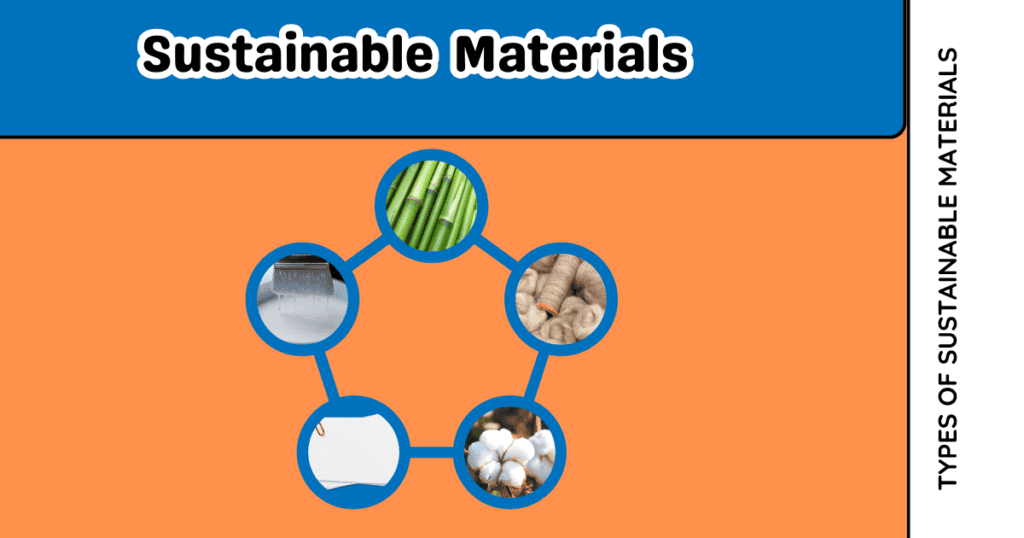
    Sustainable materials or ‘green materials’ refer to resources that have a reduced environmental impact throughout their life cycle compared to conventional alternatives. These can include renewable and biodegradable materials such as bamboo, wool, and cotton; recycled materials like paper, glass, and metal; and non-toxic materials like natural dyes and water-based paints. By using these materials, we can significantly reduce the negative impacts of production, use, and disposal on the environment.

    At the heart of this eco-conscious paradigm shift are sustainable materials — resources that meet present needs without compromising the ability of future generations to meet their own. Such materials are not a mere trend but a fundamental component of the stewardship the Earth urgently requires.

    Why Are Sustainable Materials Vital?

    Sustainable materials offer an escape from the linear consumption model, which extracts, consumes, and discards resources in perpetuity. They advocate for a circular economy, where materials are continually looped back into the manufacturing process, promoting longevity, reduction in waste, and preservation of natural resources.

    By reducing energy consumption, emissions, and pollutants, sustainable materials help mitigate climate change and protect ecosystems. They also support ethical values by promoting fair labor practices and minimizing the exploitation of workers.

    Types of Sustainable Materials

    Sustainable materials encompass various categories of resources, each with specific traits that make them environmentally friendly. These include biodegradable materials, renewable materials, recycled materials, and non-toxic materials.

    Sustainable Materials

    Each type has its own unique benefits and applications, but all share the common goal of reducing harm to the environment. Biodegradable materials, for instance, decompose naturally and do not harm the environment during disposal.

    There are several key categories of sustainable materials:

    1. Biodegradable Materials

    Biodegradability marks a milestone in the life cycle of materials. Items crafted from biodegradable materials can return to the earth safely within a relatively short time frame, typically by the action of microorganisms. The benefits are manifold, from reducing landfill pressure to preventing soil and water contamination.

    Examples and Benefits
    • Bioplastics: Derived from renewable plant sources like corn and sugarcane, bioplastics hold the promise of plastic utility without the eternal ecological footprint of conventional plastics.
    • Natural Fibers: Materials such as hemp, bamboo, and jute offer versatile alternatives to synthetic fibers, boasting sturdy, biodegradable properties.

    2. Recycled and Upcycled Materials

    Recycling and upcycling are potent tools in the sustainability arsenal. By reprocessing used materials into new products or materials of higher quality, both recycling and upcycling help to close the consumption loop.

    Examples and Benefits
    • Recycled Plastics: Companies are leaping toward the use of plastics derived from recycled content, turning waste materials into fresh, useful products that contribute to a cleaner planet.
    • Upcycled Textiles: The fashion industry is innovating with textiles created from pre-existing materials, offering style with a lower environmental impact.

    3. Renewable Materials

    Renewable materials are those sourced from natural elements that can be replenished at a rate equal to or faster than their rate of use. These resources are the cornerstones of a sustainable economy.

    Examples and Benefits
    • Timber and Wood Products: Sustainably harvested timber ensures forests can regenerate, providing a perpetual supply of wood for various applications without deforestation.
    • Solar Energy Materials: Photovoltaic technology harnesses the sun’s energy using materials that require minimal environmental inputs and produce renewable electricity.

    The Impact of Sustainable Materials

    The consequences of unsustainable materials are vast, and their impacts are far-reaching. Inefficient production processes, overconsumption, and improper waste management contribute to the depletion of natural resources, pollution of land and water, and endangerment of biodiversity.

    Unsustainable materials also have a significant carbon footprint, contributing to climate change by releasing greenhouse gases into the atmosphere. The negative effects on human health and ecosystems are evident, and without a shift towards sustainable materials, these problems will continue to worsen.

    Environmental Benefits

    The most immediate impact of sustainable materials is on the environment. By reducing the extraction of virgin resources and lessening the amount of waste that ends up in landfills or natural ecosystems, these materials help protect biodiversity, conserve energy, and mitigate climate change.

    Case Studies
    • Patagonia’s Recycled Polyester Jackets: Patagonia’s investment in sustainable materials is evident in its range of clothing items incorporating recycled materials. This initiative not only benefits the environment but also educates consumers about the possibility of sustainable fashion.
    • The Boring Company’s Tunnel Technology: Elon Musk’s tunnel construction venture is a visionary example of sustainable materials in action, utilizing recycled elements to create infrastructure in a resource-responsible manner.

    Social and Economic Impact

    Beyond ecological benefits, sustainable materials can bolster local economies and improve the lives of communities, particularly in developing nations with rich natural resources.

    Case Studies
    • IKEA’s Community Wood Initiatives: By supporting programs that promote responsible forestry and craftspeople, IKEA ensures that the materials they use benefit both the environment and society.
    • Interface’s Recycling Partnerships: Interface’s commitment to resource efficiency is a model for corporate social responsibility, fostering partnerships that not only source sustainable materials but also contribute to a circular economy through initiatives like Net-Works, which repurposes discarded fishing nets.

    Innovations in Sustainable Materials

    Innovations in sustainable materials are constantly pushing the boundaries of what is possible, offering new and exciting solutions to global environmental challenges. From revolutionary changes to existing materials, like the development of biodegradable plastic alternatives, to entirely new inventions, such as self-healing concrete, these innovations continue to transform industries and inspire a more sustainable mindset.

    Nanotechnology

    Nanotechnology, the manipulation of matter at an atomic or molecular scale, has brought about significant advancements in sustainable materials. It has allowed for the creation of stronger and more durable materials using fewer resources, as well as the development of new properties such as water and stain resistance. Applications range from eco-friendly building materials to lightweight and energy-efficient electronics.

    3D Printing

    3D printing, also known as additive manufacturing, has been gaining traction in the production of sustainable materials. This technology allows for precise and efficient use of resources, reducing waste during the manufacturing process.

    It also enables the creation of complex and customized designs using a variety of materials, including recycled ones. The potential for 3D printing to revolutionize industries such as construction and healthcare is immense, offering sustainable solutions to current challenges.

    Sustainable materials play a vital role in promoting environmental sustainability and mitigating the harmful effects of traditional manufacturing processes. From biodegradable and renewable materials to innovative technologies like nanotechnology and 3D printing, sustainable materials offer endless possibilities for creating a more environmentally responsible future.

    Practical Applications of Sustainable Materials

    The use of sustainable materials goes beyond just reducing environmental impact; it also offers practical benefits for individuals, businesses, and society as a whole. From cost savings to improved health and safety, the adoption of sustainable materials is proving to be a win-win situation for all stakeholders involved.

    Cost Savings

    The use of sustainable materials can lead to significant cost savings for businesses and individuals. For example, using renewable energy sources instead of non-renewable ones can reduce energy costs in the long run. Similarly, utilizing recycled materials in production processes can result in lower material costs and waste management expenses.

    Health and Safety

    Sustainable materials also offer health and safety benefits for both humans and the environment. For example, using biodegradable materials in food packaging reduces exposure to harmful chemicals found in traditional plastics. Using sustainable materials also supports a cleaner environment, which can lead to improved public health.

    Social Impact

    The adoption of sustainable materials has a positive social impact as well. It creates job opportunities in industries such as renewable energy and sustainable agriculture, promoting economic growth. It also encourages responsible consumption and production practices, leading to a more sustainable society.

    The use of sustainable materials is integral to achieving environmental sustainability. From biodegradable and recycled materials to renewable resources and innovative technologies, the potential for these materials to create a greener future is vast. By harnessing these materials and their practical applications, we can create a more sustainable world for generations to come.

    Read: What Innovation Changed the Textile Industry?

    Challenges and Future of Sustainable Materials

    The path to a sustainable future is not without obstacles. The adoption of sustainable materials faces challenges ranging from cost to consumer education and infrastructure limitations. Yet, the horizon is rich with potential as stakeholders collaborate, and technology evolves.

    Overcoming Obstacles

    To realize the full potential of sustainable materials, concerted efforts are necessary to address issues related to regulation, investment, and cultural norms.

    Collective Solutions
    • Policy Initiatives: Proactive policies and incentives can spur the adoption of sustainable materials, rewarding businesses that prioritize environmental stewardship.
    • Public Awareness Campaigns: Education and outreach are vital tools to cultivate a consumer base that demands and supports sustainable alternatives.

    Tomorrow’s Sustainable Materials

    The innovation pipeline for sustainable materials is overflowing with possibilities! As we move forward, here’s a peek at what the future holds for this exciting field:

    • Biomimetic Marvels: Nature has always been the ultimate engineer. Imagine buildings mimicking termite mounds for natural temperature regulation, or self-healing materials inspired by the regenerative powers of lizards. Biomimicry will play a key role in designing sustainable materials with superior functionality and lower environmental impact.
    • Rise of the Machines: Automation and artificial intelligence (AI) will revolutionize sustainable material production. AI can optimize complex processes, minimize waste, and even design new materials with previously unforeseen properties. This will lead to more efficient and eco-friendly manufacturing.
    • A Circular Economy Takes Root: The concept of a circular economy, where materials are reused and recycled endlessly, will become mainstream. Imagine buildings constructed from prefabricated, recycled components, designed for disassembly and re-use in future projects. Sustainable materials will be engineered for repairability and adaptability, reducing our reliance on virgin resources.
    • Mushrooms Take Over (Not Really, But Almost!) Mycelium, the root network of fungi, is emerging as a game-changer. Mycelium-based materials are not only biodegradable but also hold promise for insulation, packaging, and even construction applications. Research suggests they can even be used to purify polluted environments!
    • A Material World, Reimagined: The future of sustainable materials isn’t just about replacing existing ones. We can expect entirely new categories of materials with unique properties. Imagine fabrics that capture and convert solar energy to power wearable electronics, or self-cleaning surfaces that eliminate the need for harsh chemicals.

    This glimpse into the future paints an optimistic picture. By embracing innovation and collaboration, sustainable materials have the potential to revolutionize the way we build, consume, and interact with the world around us. Stay tuned for further explorations into this exciting realm!

    Conclusion

    Sustainable materials are not just a buzzword; they are the fabric of a greener, more resilient planet. From the battlefields of waste reduction to the frontier of material science, their significance is unambiguous.

    It is through their adoption and proliferation that we lay the groundwork for a future where resource use is married to the rhythms of the natural world, ensuring a legacy that future generations will cherish. The time to act is now, and sustainable materials are the keys to unlocking our collective potential for a healthier, more harmonious world.

  • Environmental Packaging – A Comprehensive Guide

    Environmental Packaging – A Comprehensive Guide

    Imagine a world where the packaging protecting your purchases doesn’t come at the cost of the environment. This vision is becoming a reality with the rise of environmental packaging.

    Environmental Packaging

    While traditional plastic packaging has long been the norm, its environmental impact is undeniable. Landfills overflowing with plastic waste and oceans choked by microplastics paint a stark picture. However, environmental packaging offers a powerful solution. By utilizing sustainable materials and innovative designs, we minimize our environmental footprint and pave the way for a more responsible future.

    This article delves deep into the world of environmental packaging, exploring its benefits, diverse materials, and how businesses and consumers can embrace this game-changer.

    What is Environmental Packaging?

    Environmental packaging is the process of packing various products with eco-friendly elements. It comprises plants, paper, cardboard, and many natural ingredients. It may also include compostable PLA, such as cellulose.

    The aim of using such materials is to reduce environmental costs. Our product should not pollute our environment. These should be sustainable and eco-friendly. So, if we use environmentally friendly materials, we can use them repeatedly. Besides, it will not ruin our world. Additionally, we can compost to use in crops.

    Importance of Environmental Packaging

    It is essential to use eco-friendly materials in business and daily life. It is our world. Our responsibility is to protect it. If we destroy it, our descendants will not be able to survive here.

    The entire earth produces 10 billion plastic bags weekly. The problem with plastic is that it never degrades. They hardly compost themselves gradually. As a result, it reduces the fertility of our lovely land.

    An adult consumes about 2000 microplastics through seafood and water in a year. It can cause cancer and lung disease, reduce the fertility of humans, and much more. We should use alternative, sustainable materials to package various inventories.

    Moreover, a business should always prefer its audience. Otherwise, they will lose customers and may crash one day. Some institutions have done a study in North America. They found that 69% of customers are ready to pay more for eco-friendly product packaging.

    Even globally, 40% of consumers preferred ecologically sound products. So, if you want to grow your company, you should use sustainable packaging.

    If you use sustainable materials, they will not cause any harm to humans or the environment. Instead, they will be beneficial for us. We can compost them to increase the fertility of our land and grow more crops. Moreover, recycling some sustainable materials can reduce packaging costs.

    Types of Ecologically Sound Packaging

    Eco-Friendly Packaging

    There are three main types of environmental packaging. They are as follows:

    • Recyclable package
    • Biodegradable package
    • Reusable package

    Recyclable package

    Recyclable packaging consists of packages that can be recycled again. The consumer or business may not be able to use it again. However, if they recycle it, then they can use it again. As a result, it reduces waste.

    The recyclable packages have to be sent to specialized factories for recycling. Otherwise, they might be thrown to the ground.

    Usually, recyclable packages are made of paper, cardboard, aluminum, glass, etc. Sometimes, they may catch unremovable stains. Then, it becomes difficult to recycle them. However, if it is possible to remove those stains and other identifiable labels, they could be recycled easily.

    Biodegradable package

    Another category of ecological package is the biodegradable package. They are mainly made of plants. It includes but is not limited to rice, corn, mushrooms, etc.

    Most of the time, they degrade and do not cause any damage to our country. It can be used for soil fertilizer if it can be appropriately decomposed. So, it is beneficial in two ways.

    Reusable package

    The final category is reusable packaging. These sorts of packages cannot be decomposed. Instead, we can use them repeatedly for various purposes for decades.

    They are usually made of glass, metals, still, silicons, etc. We can use them to preserve food and carry various materials. We do not throw them away. Instead, we can repurpose them.

    How Businesses and Consumers Can Drive Environmental Packaging

    Environmental packaging presents a revolutionary shift in the way we protect products and minimize environmental impact. But how can this game-changer be truly embraced? Here’s how both businesses and consumers can play a crucial role:

    Businesses: Leading the Sustainable Shift

    • Embrace Innovation: Explore the diverse world of sustainable materials like recycled content, compostable options, and minimal packaging solutions. Partner with suppliers who offer high-quality, eco-friendly packaging options.
    • Life Cycle Thinking: Conduct a life cycle assessment to understand the environmental impact of your current packaging and identify opportunities for improvement. Design for sustainability, optimizing packaging for functionality while minimizing material usage.
    • Transparency and Communication: Clearly communicate your commitment to environmental packaging to stakeholders like retailers and consumers. Highlight the sustainable materials used and provide information on proper disposal or recycling.

    Consumers: Making Conscious Choices

    • Become Informed: Educate yourself about different types of environmental packaging and their benefits. Look for certifications and symbols that indicate recycled content, compostability, or other sustainable practices.
    • Support Sustainable Brands: Do your research and prioritize brands that prioritize sustainability throughout their operations, including their packaging choices. Your purchasing decisions send a powerful message.
    • Responsible Disposal: Play your part! Follow proper disposal or recycling guidelines based on the packaging material used. Compost compostable options, recycle what can be recycled, and dispose of non-recyclable materials responsibly.

    By working together, businesses and consumers can create a powerful force for change. Businesses can develop innovative and affordable sustainable packaging solutions, while consumers can drive demand for these options through their purchasing decisions.

    Read: How is Renewable Energy Technology Transforming the World?

    Some Alternate Examples of Environmental Packaging

    Although packaging material is necessary, price is also a significant factor in selecting a product in developing countries. Instead, brand value and reputation are preferable factors in selecting a product.

    While Indian customers understand environmental costs, they mostly prefer price and product quality over eco-friendly packaging. About 70% of participants in a study have shared that they would prefer price first before determining ecologically sound packaging.

    However, they understand the importance of ecologically sound packaging. If policymakers could play a role in reducing prices and offering incentives for environmentally friendly packaging and products, they may prefer those products. As a result, it could reduce the burden on our lovely planet.

    However, another study has argued against the above view. The study has found a positive view towards environmentally friendly packaging and products. Since e-commerce is evolving and online shopping is growing, digital customers are becoming aware of the environmental costs of packaging and products. They prefer ecologically sound packaging over price. It has been mentioned that more people would prefer sustainable packaging if adequately educated.

    Conclusion

    The world of packaging is undergoing a transformation. Environmental packaging, with its focus on sustainable materials and innovative designs, offers a beacon of hope for a future where protecting products doesn’t come at the expense of our planet.

    Businesses have the opportunity to lead the charge by embracing innovation and transparency. Consumers, empowered by knowledge, can make informed choices and support brands aligned with their values.

    Ultimately, people should choose environmental packaging instead of low-priced and convenient plastics. Instead, they should use more environmentally friendly packaging. As a result, we would build a healthy planet for future generations.

  • Economy Circular: Break Free from the Take-Make-Waste Cycle

    Economy Circular: Break Free from the Take-Make-Waste Cycle

    Imagine a world where our planet’s resources are treated not as a finite well to exploit, but as a precious ecosystem to nurture. A world where products are designed not for a single use and discard, but for longevity, adaptability, and ultimately, a second, third, or even fourth life. This visionary approach to consumption and production is the essence of the economy circular, also known as circularity (CE).

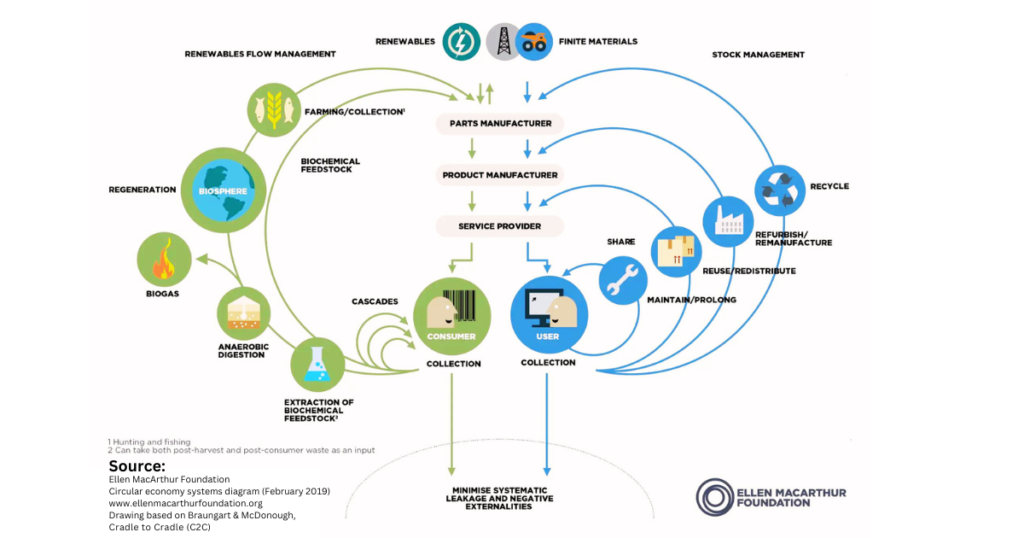
    The economy circular/ circular economy is a visionary approach to consumption and production that focuses on resource circulation rather than extraction, production, consumption, and disposal. It aims to keep products and materials in use for as long as possible, minimizing waste and maximizing efficiency.

    This model contrasts with the current “take-make-dispose” model, which assumes limitless resources and an ever-expanding capacity for waste absorption. The circular economy emphasizes reuse, refurbishment, remanufacturing, and recycling, with inspiring examples of companies and communities embracing circular practices. The circular economy offers both challenges and opportunities for creating a more sustainable future.

    Throughout this article, we will delve into the principles of the circular economy, exploring its core tenets like reuse, refurbishment, remanufacturing, and recycling. We will showcase inspiring examples of companies and communities embracing circular practices.

    Besides, we will explore the challenges and opportunities that lie ahead, and most importantly, we will highlight the role each of us can play in creating a more sustainable future through the circular economy.

    Understanding the Circular Economy

    Circularity (CE), another name for an economy circular, is a paradigm that emphasizes reusing, recycling, and other methods to maintain goods and resources in circulation. Materials are rented, shared, fixed, renovated, and used as often as feasible under this paradigm.

    The intention is to do away with goods sales and implement a rental property system. After the product has served its purpose, it is brought back to the manufacturer and disassembled so that the functional pieces can be reused.

    The circular economy is a systemic shift towards a more sustainable model of production and consumption. In contrast to the linear “take-make-dispose” model, it prioritizes keeping resources in use for as long as possible. Imagine a circular loop, where products and materials are designed for durability, repairability, and ultimately, reintegration back into the system at the end of their lifespan.

    Imagine a future, says Ellen MacArthur, Founder of the Ellen MacArthur Foundation, where resources are used as long as feasible, objects are built to last, and waste is nonexistent. This is the circular economy, which represents a radically altered method of creating, manufacturing, and consuming. A systematic change toward a more sustainable model of production and consumption is known as the circular economy.

    This revolutionary approach is built upon a foundation of core principles:

    Economy Circular
    • Reduce: The first and most crucial step is minimizing resource extraction at the source. This involves designing products with fewer materials, using recycled content, and encouraging mindful consumption habits.
    • Reuse: Extending the lifespan of existing products is a cornerstone of the circular economy. This can be achieved through encouraging product repair, promoting secondhand markets, and designing products for multiple uses.
    • Refurbish: Giving a product a new lease on life through repairs and upgrades is another key principle. This can involve replacing worn-out components, restoring functionality, and extending a product’s usable life.
    • Remanufacture: When refurbishment isn’t feasible, remanufacturing offers an alternative. In this process, high-quality components from used products are disassembled, cleaned, and reassembled into new products.
    • Recycle: At the end of a product’s useful life, the remaining materials shouldn’t be discarded. Advanced recycling technologies allow us to recover valuable materials from waste streams and reintroduce them back into the production cycle.

    Benefits for All:

    The circular economy offers a win-win scenario for the environment, the economy, and society as a whole. Let’s explore these benefits in detail:

    Environmental Benefits:
    • Reduced Resource Extraction: By prioritizing resource circulation, the circular economy helps us move away from reliance on virgin resources. This translates to less mining, deforestation, and overall environmental impact.
    • Minimized Waste Generation: Since products are designed for multiple lifespans and materials are recovered at the end of life, the circular economy significantly reduces waste generation. This translates to less pressure on landfills and a cleaner environment.
    • Reduced Pollution: The extraction, processing, and disposal of materials often contribute significantly to air, water, and soil pollution. The circular economy’s focus on resource efficiency and closed-loop systems helps minimize this pollution.

    Examples: Consider closed-loop water systems in buildings or industrial facilities. These systems capture and treat wastewater, making it suitable for reuse within the same system. Similarly, composting food scraps and yard waste diverts organic materials from landfills and creates a valuable nutrient-rich soil amendment.

    Economic Benefits:
    • Cost Savings for Businesses: Businesses can benefit from reduced reliance on virgin materials through the circular economy. This can lead to cost savings on raw materials and waste disposal fees. Additionally, designing for durability and repairability can minimize warranty claims and product returns.
    • Job Creation: The circular economy fosters new sectors like repair, refurbishment, and remanufacturing. This translates to job creation across various skill sets, from technicians specializing in product repair to engineers designing for disassembly and reintegration.
    • Potential Economic Benefits for Consumers: While upfront costs for some circular products might be higher initially, the extended lifespan and potential for repair can lead to long-term savings for consumers.
    Social Benefits:
    • Improved Resource Security: By maximizing resource utilization, the circular economy fosters greater resource security for communities and nations. This reduces dependence on finite resources and promotes long-term sustainability.
    • Community Development: Local repair businesses and reuse initiatives contribute to community development by creating jobs, fostering skills development, and promoting a sense of environmental responsibility.

    By adopting the principles of the circular economy, we can create a more sustainable future for generations to come. The environmental benefits are clear – a reduction in resource depletion, waste generation, and pollution. The economic opportunities are also enticing – cost savings for businesses, job creation, and potentially, long-term benefits for consumers.

    And the social impact, from improved resource security to community development, shouldn’t be overlooked. The circular economy offers a holistic approach to building a thriving society in harmony with our planet.

    Examples in Action

    The circular economy isn’t just a theoretical concept; it’s being embraced across various sectors, transforming how we produce, consume, and manage resources. Here, we’ll delve into inspiring examples that showcase the power of circularity in action:

    1. Closing the Loop on Plastic:

    Plastic pollution is a major environmental concern. The circular economy offers a solution through recycling plastic to create new products. Companies are developing innovative technologies to efficiently sort and reprocess plastic waste into high-quality materials. This recycled plastic can then be used to manufacture bottles, packaging materials, and even clothing, reducing reliance on virgin plastic and minimizing plastic waste.

    2. Turning Kitchen Scraps into Black Gold:

    Food waste is a significant contributor to landfill methane emissions. Composting offers a sustainable solution. By composting food scraps and yard waste, we can create nutrient-rich soil amendment, reducing our reliance on chemical fertilizers and diverting organic waste from landfills. This “black gold” nourishes our gardens and promotes healthy plant growth, completing a beautiful circular cycle.

    3. Making Products Last Longer:

    The circular economy prioritizes extending the useful life of products. This can be achieved through various means. Manufacturers are designing products with durability and repairability in mind. Imagine appliances with modular components that can be easily replaced, or electronics designed for user upgrades, extending their functionality and reducing the need for frequent replacements. Additionally, promoting repair services and readily available spare parts empowers consumers to keep their products functioning for longer.

    4. Designing for Circularity:

    From the very beginning, the circular economy emphasizes designing products with a closed-loop system in mind. Design with an aim of durability and easy repair is crucial. Imagine smartphones with easily replaceable batteries or clothing designed with repairable seams. This thoughtful approach minimizes waste during the product’s life cycle and facilitates dismantling and material recovery at the end of its usable life.

    5. Renewable Energy: Powering a Sustainable Future:

    The circular economy extends beyond physical products. Renewable energies like solar, wind, and geothermal power offer a sustainable alternative to fossil fuels. These renewable sources provide clean energy, reduce our dependence on finite resources, and minimize environmental pollution. Similarly, decentralized energy systems, where communities generate and manage their own power, promote energy efficiency and reduce reliance on traditional energy grids.

    6. Rethinking Packaging:

    Single-use plastic packaging is a major source of waste. The circular economy promotes reusable and returnable packaging. Companies are developing innovative solutions like refillable containers for household products or reusable packaging systems for online deliveries. These alternatives significantly reduce waste generation and create a closed-loop system for packaging materials.

    These are just a few examples of the many ways the circular economy is taking root across industries. From empowering individuals to repair their electronics to offering sustainable packaging solutions and promoting product longevity through innovative service models, the circular economy is transforming the way we consume, produce, and manage resources.

    Reducing Waste, Saving Resources, and Contributing to the Circular Economy

    The circular economy thrives on a collective effort. While systemic changes are crucial, individual choices and actions have a significant impact on resource use and waste generation. Here’s how you can become an active participant in the circular economy:

    • Reduce Waste at the Source: The most effective way to minimize waste is to avoid creating it in the first place. This translates to mindful consumption habits. Before making a purchase, consider the product’s true need. Can you borrow it from a friend? Could you purchase a pre-owned item? Opt for multi-purpose products to reduce the overall number of items you own.
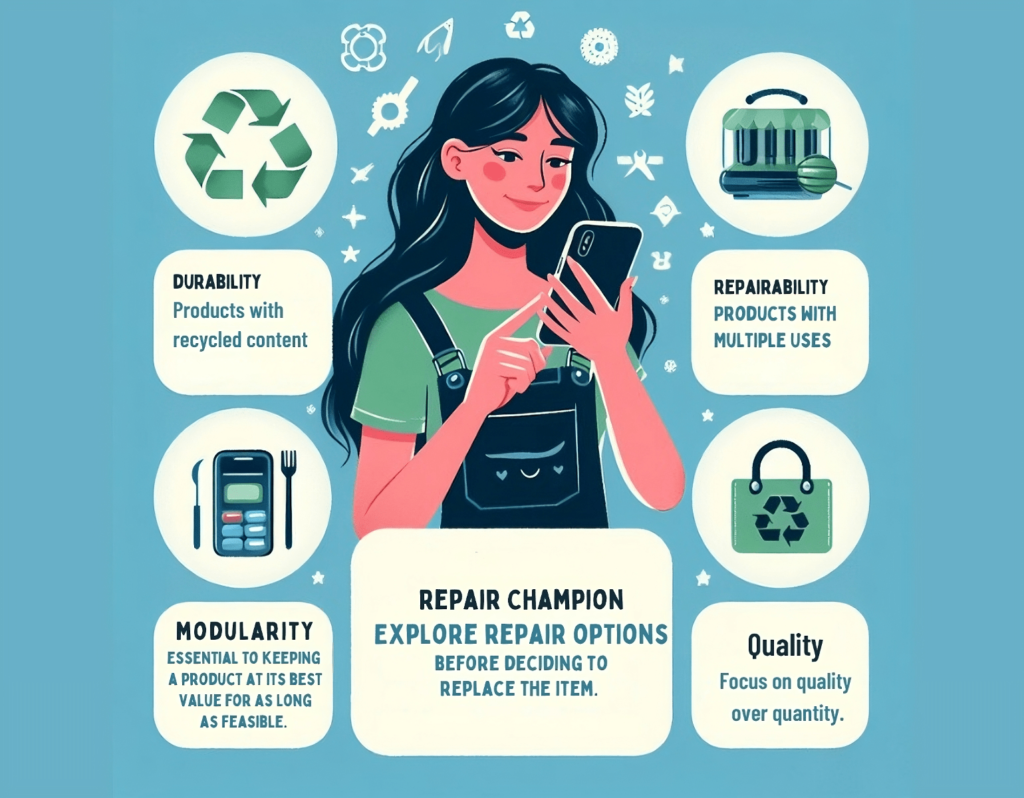
    • Embrace Durability and Repairability: Look for products built to last. Check warranty information and choose items with readily available replacement parts. Prioritize products designed for repairability. Simple repairs can significantly extend a product’s lifespan and keep it out of landfills.
    • Become a Repair Champion: Don’t be quick to discard a broken item. Explore repair options before resorting to replacement. Many online resources offer repair guides and tutorials. Local repair shops can breathe new life into your electronics, appliances, and clothing.
    • Master the Art of Reuse: Give pre-owned items a second chance. Shop at thrift stores, consignment shops, or online marketplaces for gently used items. Consider holding clothing swaps with friends or donating unwanted items to charity. Get creative – repurpose old jars, containers, and furniture instead of throwing them away.
    • Embrace Sustainable Consumption Practices: Be mindful of your daily habits. Reduce your reliance on single-use plastics by carrying reusable shopping bags and water bottles. Opt for products with minimal packaging. Compost food scraps and yard waste to create nutrient-rich soil amendments.

    By incorporating these practices into your daily routine, you’ll not only reduce your own waste footprint but also contribute to a more circular future. Remember, every small action adds up. As more and more individuals embrace mindful consumption and prioritize reuse and repair, the collective impact becomes significant.

    Read: How is Renewable Energy Technology Transforming the World?

    Challenges & Opportunities

    The transition towards a circular economy presents both challenges and exciting opportunities. In this section we will talk about the challenges and opportunities of Economy Circular. Let’s explore these in detail:

    Acknowledging Challenges:

    While the circular economy holds immense promise, it’s not without its hurdles. Here are some key challenges we need to address:

    • Consumer Behavior Change: Shifting consumer preferences towards repairing and reusing products instead of opting for the allure of the “new” requires a cultural shift. Promoting awareness about the environmental impact of our consumption habits and highlighting the benefits of product longevity are crucial steps.
    • Infrastructure Development: A robust infrastructure for reuse and recycling is essential for a thriving circular economy. This includes efficient collection systems for used products, dismantling and sorting facilities, and advanced recycling technologies. Investing in and developing this infrastructure is key to creating a closed-loop system.
    • Policy Frameworks: Supportive policy frameworks are needed to incentivize circular practices and discourage waste generation. This could involve implementing extended producer responsibility schemes, where manufacturers are held accountable for the end-of-life management of their products. Tax breaks for businesses embracing circular practices and subsidies for consumers choosing repair or reuse services could further accelerate the transition.

    The Power of Opportunity:

    Despite these challenges, the circular economy presents a wealth of opportunities:

    • Design Innovation: Product design plays a pivotal role in the circular economy. Innovation in design for durability, repairability, and disassembly is crucial. Imagine products with modular components that can be easily replaced or upgraded, extending their lifespan. Designing products with disassembly in mind facilitates the recovery of valuable materials for use in new products.
    • Collaboration: The transition to a circular economy requires collaboration across stakeholders. Businesses have a role to play in adopting circular design principles, while governments can create enabling policy frameworks. Research institutions can develop innovative technologies for resource recovery and material science. Consumers play a crucial role by making informed choices and supporting circular businesses. A multi-stakeholder approach is vital to realizing the full potential of the circular economy.
    • Technological Advancements: Technological advancements are constantly reshaping the landscape of resource recovery. Advanced recycling technologies allow us to extract valuable materials from complex waste streams, reducing our reliance on virgin resources. Biomimicry, the practice of learning from nature’s closed-loop systems, offers inspiration for designing more efficient and sustainable products. By embracing technological advancements, we can create a circular economy that is not only environmentally sound but also economically viable.

    These challenges and opportunities are not insurmountable. Through a combination of strategic planning, innovation, and collaboration, we can pave the way for a more sustainable future powered by the principles of the circular economy.

    Our Collective Responsibility

    The circular economy isn’t just an abstract concept; it’s a call to action for each of us. While systemic change is necessary, individual choices and actions play a crucial role in driving the transition. Here’s how you can contribute to a more circular future:

    Economy Circular

    Individual Action:

    • Embrace Mindful Consumption: Before making a purchase, consider the product’s durability, repairability, and potential lifespan. Opt for products made with recycled content and designed for multiple uses. Resist the urge for impulse purchases and focus on quality over quantity.
    • Become a Repair Champion: Don’t be quick to discard a broken item. Explore repair options before resorting to replacement. Many online resources offer repair guides and tutorials, and local repair shops can breathe new life into your electronics, appliances, and clothing.
    • Support Circular Businesses: Seek out and support businesses embracing circular practices. Look for companies offering refillable packaging options, product-as-a-service models, or extended repair warranties. By supporting these businesses, you send a powerful message and contribute to the growth of the circular economy.

    Businesses & Policymakers:

    • Businesses: Integrate circularity into your core business strategy. Embrace design for durability, modularity, and disassembly. Invest in repair and refurbishment programs, and explore innovative take-back and recycling schemes. By adopting these principles, businesses can not only contribute to a sustainable future but also unlock new revenue streams and enhance brand reputation.
    • Policymakers: Enact policies that incentivize circular practices and discourage waste generation. Support research and development in resource recovery technologies. Implement extended producer responsibility schemes and create a regulatory environment that fosters innovation and collaboration within the circular economy.

    By working together, individuals, businesses, and policymakers can create a powerful force for change. The circular economy isn’t just a future possibility; it’s a path we can collectively pave through informed choices, innovative practices, and collaborative action.

    Conclusion:

    The current “take-make-dispose” economic model is unsustainable. Our planet’s resources are finite, and our waste generation is reaching a tipping point. The circular economy offers a transformative alternative. By prioritizing resource circulation, minimizing waste, and maximizing resource efficiency, it paves the way for a more sustainable future.

    The power of the circular economy lies in its collective impact. Individuals can embrace mindful consumption, prioritize repair over replacement, and support businesses embracing circular practices. Businesses can integrate circularity into their core strategy, design for longevity, and invest in innovative recycling solutions. Policymakers can create supportive frameworks that incentivize circularity and discourage waste generation.

    The transition to a circular economy won’t be without challenges, but the potential rewards are immense. By working together, we can create a future where resources are valued, waste is minimized, and our planet thrives. The circular economy is not just a dream; it’s a call to action for a more sustainable and prosperous future for generations to come. Let’s embrace this opportunity to create a better tomorrow, together.

    What is the circular economy?

    The circular economy is a system designed to keep resources in use for as long as possible. It prioritizes recycling, reuse, and refurbishment of products and materials to minimize waste and pollution.

    How is the circular economy different from the linear economy?

    The traditional “linear economy” follows a take-make-dispose model, where resources are extracted, used, and then discarded. The circular economy, in contrast, focuses on creating closed-loop systems where materials are recovered and reintroduced into the production cycle.

    What are the benefits of the circular economy?

    The circular economy offers numerous benefits, including:
    1. Reduced waste generation and pollution
    2. Conservation of precious resources
    3. Creation of new jobs in repair, reuse, and recycling sectors
    4. Potential cost savings for businesses and consumers

    How can I contribute to the circular economy?

    There are many ways you can contribute to the circular economy:
    Make mindful consumption choices – prioritize durable, repairable products
    Embrace repair over replacement whenever possible
    Support businesses with circular practices, like those offering refillable packaging or repair services
    Reduce your reliance on single-use plastics
    Compost food scraps and yard waste

    4 principles of circular economy

    A production and consumption paradigm known as the “circular economy” emphasizes sharing, reusing, mending, and recycling already-existing materials and goods. The four R imperatives—reduce, reuse, recycle, and recover—are the cornerstones of the circular economy.

    What are some examples of the circular economy in action?

    Examples of the circular economy include:
    Recycling plastic bottles into new clothing or packaging materials
    Repairing electronics and appliances to extend their lifespan
    Using refillable containers for household products
    Designing products with modular components for easy disassembly and repair
    Utilizing renewable energy sources like solar and wind power
  • Unlock Factory Efficiency: The Power of IoT in Manufacturing

    Unlock Factory Efficiency: The Power of IoT in Manufacturing

    In the dynamic realm of modern manufacturing, where every second counts and efficiency reigns supreme, the Industrial Internet of Things (IIoT) emerges as a transformative force. IoT in Manufacturing is not just about machines and data; it’s about revolutionizing the way factories operate, making them smarter, more efficient, and cost-effective.

    IoT in Manufacturing

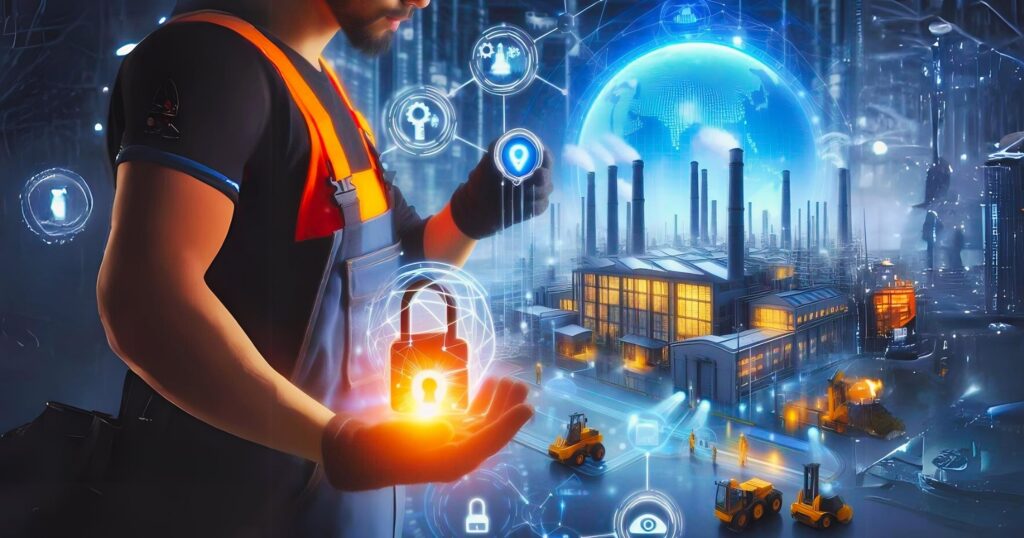
    Imagine a factory floor where machines converse fluently, orchestrating their activities autonomously. This isn’t science fiction; it’s the reality of connected manufacturing through IoT sensors.

    In this article, we delve into the profound impact of IIoT on the manufacturing industry. Buckle up as we explore how IoT supercharges efficiency, slashes costs, and propels factories into the era of Industry 4.0. From predictive maintenance to digital twins, we’ll unravel the intricacies of this technological revolution.

    Let’s delve into how IIoT supercharges efficiency and slashes costs across the manufacturing sector.

    The Impact of IoT in the Manufacturing Industry

    • Efficiency and Productivity: Imagine a factory floor where machines communicate seamlessly, orchestrating their activities autonomously. This is the power of connected manufacturing through IoT sensors. These sensors enable real-time data exchange, allowing machines to optimize their performance. A McKinsey report predicts that IoT applications in manufacturing could generate a staggering $1.2 to $3.7 trillion annual impact by 2025. This translates to a massive boost for the manufacturing industry, potentially unlocking trillions of dollars in economic value. Efficiency gains are not just incremental; they’re transformative.
    • Predictive Maintenance: Predictive maintenance, fueled by IoT technologies, is a game-changer. By analyzing data from sensors, manufacturers can predict equipment failures before they happen. Imagine slashing breakdowns by 70% and cutting maintenance costs by 25%! That’s the power of predictive maintenance, according to Deloitte. Imagine the savings and uninterrupted production cycles!
    • Energy and Sustainability: IoT isn’t just about machinery; it’s about resource optimization. Even portable toilet companies are going green! Armal, a manufacturer in this industry, used real-time data to cut their energy use by almost 40%. Imagine what this technology can do for your factory. Sustainable practices are no longer a luxury; they’re a necessity for competitive manufacturing.
    • Supply Chain Optimization: In today’s fast-paced world, supply chains need to be agile. IoT solutions enhance operational efficiency, improve production speeds, and automate repetitive tasks. 78% of supply chain leaders seek technology to achieve these goals. Nearly 8 out of 10 supply chain leaders are looking to unlock the efficiency and speed of tomorrow’s factories. That’s where IoT comes in. By automating repetitive tasks, optimizing operations, and accelerating production, IoT solutions are the key to gaining a competitive edge. The connected factory ensures smoother logistics and reduced lead times.

    Industry 4.0 and Beyond

    Industry 4.0 isn’t a distant dream; it’s here. The convergence of IoT, cloud computing, and machine learning has birthed smart manufacturing. Factories are no longer just assembly lines; they’re intelligent ecosystems. Let’s explore what drives this transformation:

    • Smart Manufacturing: It’s not just about making things; it’s about making them smarter. Smart factories optimize processes, minimize waste, and adapt swiftly to changing demands.
    • Data Analytics in Manufacturing: Data isn’t just raw numbers; it’s actionable insights. Analyzing production data helps factories make informed decisions, spot trends, and fine-tune operations.
    • Cloud Computing in Manufacturing: The cloud isn’t just for storage; it’s a dynamic platform for real-time collaboration, scalability, and remote monitoring. It’s where data becomes accessible power.
    • Machine Learning in Manufacturing: Machines learn from data, adapt, and improve. Whether it’s quality control or demand forecasting, machine learning optimizes processes.
    • Digital Twin: Imagine a virtual replica of your factory. Digital twins simulate real-world scenarios, allowing manufacturers to test changes, predict outcomes, and optimize performance.

    The era of smart manufacturing is upon us. IIoT isn’t just a buzzword; it’s a revolution. As factories embrace these technologies, they unlock efficiency, reduce costs, and pave the way for a sustainable future. So, gear up for Industry 4.0 – where machines don’t just produce; they innovate!

    Innovative Use Cases for Modern Manufacturing

    Imagine a factory that can predict problems before they happen, optimize production on the fly, and even catch human errors before they cause issues. That’s the power of modern manufacturing! Here’s how some innovative technologies are changing the game:

    • Say Goodbye to Downtime:
      • Smart machines: Sensors embedded in equipment track things like vibration, temperature, and energy use. This allows advanced software to predict breakdowns before they occur, preventing costly downtime.
      • Real-time insights: Manufacturers can constantly monitor their factory floor, making quicker and more informed decisions to keep things running smoothly.
    • Optimizing Production for Maximum Output:
      • No bottlenecks here: With a constant stream of data, manufacturers can identify areas slowing down production. Adjustments can be made to maximize output and keep everything flowing efficiently.
      • Machine performance at your fingertips: Track individual machine performance in real time to identify any underperformers or machines needing adjustments. This ensures optimal use of resources.
    • Human Error? No More!
      • Automating repetitive tasks: Manufacturing often involves repetitive tasks like moving materials or operating machines. These tasks are prone to errors. Luckily, the Internet of Things (IoT) can automate these tasks, eliminating human error entirely.
    • Making Smarter Decisions with Real-Time Data:
      • Instant insights: IoT and other data-generating technologies provide manufacturers with a constant stream of real-time data. This allows for immediate insights to make faster and more accurate decisions on the factory floor.
    • Saving Money While Making Great Products:
      • Reduced costs: IoT helps prevent equipment failures that can halt production and waste money. It also allows for just-in-time deliveries, reducing storage costs. Additionally, by analyzing quality control data, manufacturers can identify and fix problems early, reducing scrap and rework costs.
    • Sensors: The Eyes and Ears of Your Factory:
      • Monitoring everything: Sensors can track machine temperatures, vibration levels, pressure, and even product quality throughout the production line. This allows for early detection of issues and ensures consistent high-quality output.
    • Supply Chain Smoother Than Ever:
      • Real-time tracking: Imagine a network of sensors following your products everywhere – from warehouses to trucks. This allows for real-time location tracking, optimized delivery routes, and ensuring proper storage conditions for all your goods.

    These are just a few examples of how modern manufacturing is using cutting-edge tech to become more efficient, cost-effective, and reliable. The future of manufacturing is bright, and it’s all thanks to innovation!

    Industrial Future Using IoT Data Analytics

    IoT in Manufacturing

    The future factory floor is a symphony of interconnected devices, each playing its part. Sensors embedded in machines become the factory’s nervous system, feeding real-time data into a central hub.

    Here, advanced analytics algorithms become the brain, interpreting the whispers and turning them into actions. Predictive maintenance becomes the norm, with machines serviced before a breakdown disrupts the flow.

    Inventory, once a guessing game, transforms into a precisely orchestrated dance, with materials arriving just in time to eliminate waste. The physical walls of the factory dissolve in this future, replaced by a digital tapestry woven from real-time data.

    Imagine holographic projections of assembly lines overlaid on the physical world, highlighting bottlenecks and inefficiencies. Engineers, no longer confined to a single location, collaborate virtually from anywhere on the globe, manipulating these digital phantoms to optimize production.

    Augmented reality headsets transform factory workers into walking instruction manuals, with critical information and repair procedures superimposed on their field of vision. The factory itself becomes a living organism, constantly learning and evolving, adapting to market demands with the agility of a digital chameleon.

    Renowned companies using IoT in manufacturing

    1. Industrial Automation Giants: Siemens, Bosch, ABB, Rockwell Automation (These companies are at the forefront of providing industrial automation solutions that integrate seamlessly with IoT)
    2. Tech Titans: IBM, Microsoft, Amazon (These tech giants offer powerful cloud platforms for building and deploying industrial IoT applications)
    3. Manufacturing Powerhouses: General Electric (GE), Caterpillar, Boeing (These companies are leveraging IoT to optimize their manufacturing processes and develop innovative products)
    4. Aerospace Leaders: Airbus (Airbus is a prime example of a company using IoT to create its “Factory of the Future”)

    This list is not exhaustive, but it highlights some of the major players who are shaping the future of manufacturing with IoT.

    Read: What Innovation Changed the Textile Industry?

    Challenges of Integrating IoT in Manufacturing

    Every invention has some drawbacks; the goal is to overcome these drawbacks to achieve desired outcomes. Despite these challenges, the potential benefits of IoT in manufacturing are undeniable. By addressing these hurdles, manufacturers can cultivate a future of industrial excellence, ripe with efficiency, productivity, and innovation.

    However, here are some issues that we should handle carefully to prevent any unintended consequences.

    1. Security Vulnerability: Imagine a vast network of interconnected devices – a treasure trove for cybercriminals. With increased connectivity comes a magnified risk of cyber-attacks. Manufacturers need robust security measures to protect sensitive data and prevent disruptions to critical operations.
    2. Data Deluge: IoT devices generate a massive amount of data. Imagine factories overflowing with information – sensor readings, performance metrics, and equipment logs. Manufacturers need data management strategies to store, analyze, and extract value from this data deluge.
    3. Interoperability Blues: Picture a factory floor where devices speak different languages. A lack of standardized protocols across manufacturers and devices can lead to integration headaches. Imagine sensors not communicating effectively or struggling to connect with existing systems. Finding solutions that ensure seamless communication between devices is crucial.
    4. Costly Cultivation: Implementing IoT can be an expensive proposition. Imagine the initial investment in sensors, data infrastructure, and security measures. The cost of integrating and maintaining this new ecosystem needs careful consideration.
    5. Workforce Weeds: New technologies require a skilled workforce. Imagine a gap between existing skills and the demands of IoT-driven manufacturing. Manufacturers need to invest in training programs to equip their workforce with the skills needed to manage and optimize IoT systems.

    Conclusion

    The integration of IoT technology into manufacturing processes heralds a profound transformation in the industry. Through real-time data monitoring, predictive analytics, and seamless connectivity, IoT empowers manufacturers to optimize operations, enhance efficiency, and drive innovation.

    From predictive maintenance and supply chain optimization to smart factories and personalized production, the potential of IoT in manufacturing is vast and far-reaching. Embracing IoT not only unlocks new levels of productivity and competitiveness but also fosters a paradigm shift towards agile, sustainable, and customer-centric manufacturing ecosystems.

    As we stand at the brink of this technological revolution, harnessing the power of IoT is not merely an option but an imperative for manufacturers aiming to thrive in the dynamic landscape of the future.

    What is IoT in manufacturing?

    Imagine your factory floor as a living organism. IoT equips this organism with a nervous system of sensors that collect data on its health and performance. This data is then analyzed by a central brain (the analytics platform) that generates insights on how the organism can function more efficiently. The result? A smarter factory that optimizes production, minimizes waste and keeps downtime to a minimum.

    How does IoT help in manufacturing?

    IoT acts as a digital nervous system for your factory. Sensors collect a wealth of data on everything from machine performance to environmental conditions. This data is then analyzed to identify areas for improvement. IoT can:
    Increase efficiency: By optimizing production processes and identifying bottlenecks.
    Improve production speeds: Through real-time monitoring and adjustments based on data.
    Automate tasks: Repetitive tasks can be automated, freeing up workers for more complex activities.
    Reduce waste: By optimizing material usage and identifying areas of excess.
    Improve inventory management: Real-time data allows for better forecasting and minimizes the risk of stockouts or overstocking.

    How is IoT used in manufacturing?

    Here’s a breakdown of the typical IoT setup in manufacturing:
    Sensors: These are installed on machines and throughout the factory floor. They collect data on things like temperature, vibration, and energy consumption.
    Gateways: These devices aggregate the data from the sensors and transmit it securely to the cloud.
    Analytics Platform: This platform analyzes the data from the sensors to identify trends, predict issues, and generate insights.
    User Interface: This interface allows operators to visualize the data and take action based on the insights generated.

    How to implement IoT in manufacturing?

    There’s no single approach, as it depends on your specific needs. However, there’s a general roadmap:
    Identify areas for improvement: Start by pinpointing areas where efficiency can be boosted or downtime reduced.
    Choose the right sensors and software: Select sensors that gather relevant data and choose software that integrates with your existing systems.
    Develop a plan for data security: Ensure your data is protected from cyber threats.
    Integrate the system with existing infrastructure: Connect the IoT system to your existing manufacturing software and equipment.
    Train your workforce: Employees need to understand how to use the new system and interpret the data it generates.

    How can IoT minimize downtime in manufacturing?

    Traditionally, maintenance happens on a schedule or after a breakdown occurs. IoT sensors embedded in machines collect real-time data on performance and wear. By analyzing this data, manufacturers can predict equipment failures before they happen. This allows for preventative maintenance, catching problems early and fixing them before they cause costly downtime.
  • What Is Metacognition in Teaching and Learning? Explore Now!

    What Is Metacognition in Teaching and Learning? Explore Now!

    Have you ever struggled to learn something new, feeling stuck and confused despite putting in hours of effort? You might have reread chapters countless times, diligently completed practice problems, or even stayed up late cramming information, yet that elusive understanding remained just out of reach.

    What Is Metacognition in Teaching

    In this article, we’ll delve into a powerful tool that can break this cycle of passive learning: metacognition in teaching. By understanding what metacognition is in teaching, you’ll uncover the key to empowering learners to take control of their educational journey. So, what is metacognition in teaching, and how does it hold the potential to revolutionize the way we learn? Let’s explore.

    Metacognition in teaching is the art of thinking about your thinking. It’s that inner voice guiding you through the learning process, helping you plan your approach, monitor your understanding, and evaluate your progress.

    Metacognition refers to the process by which learners actively engage with their own thinking and learning strategies. It involves being aware of one’s cognitive processes, monitoring progress, and evaluating outcomes.

    Imagine having a personal learning coach residing within you, constantly analyzing your strengths and weaknesses, adapting your tactics, and celebrating your successes. That’s the incredible power of metacognition in teaching.

    This article serves as your guide to unlocking this superpower. We’ll demystify the concept, explore its key components, and delve into how teachers can utilize this magic in their classrooms to cultivate self-aware, empowered learners.

    What is The Difference Between Cognition and Metacognition?

    What Is Metacognition in Teaching

    Cognition and metacognition are related concepts, but they have distinct differences:

    1. Cognition:
      • Definition: Cognition refers to the mental processes involved in acquiring, processing, storing, and using information. It encompasses a wide range of activities, including perception, attention, memory, language, and problem-solving.
      • Function: Essentially, cognition is how our brain processes information from the environment and makes sense of it.
      • Examples: When we read, work through math problems, or identify faces, we are actively involved in cognitive processes.
    1. Metacognition:
      • Definition: Metacognition, on the other hand, refers to the awareness and understanding of one’s own cognitive processes. It involves:
        • Reflecting on one’s thinking.
        • Monitoring and regulating cognitive activities.
        • Making strategic decisions about how to approach tasks.
      • Importance: Metacognition is essential for effective learning and problem-solving because it allows individuals to become more aware of their own thinking processes and make intentional decisions about their approach.
      • Skills: Metacognitive skills encompass abilities such as planning, monitoring progress, self-evaluation, and self-regulation.

    In summary, cognition is the foundation upon which metacognition is built. While cognition focuses on mental processes, metacognition enables us to think about how we think and optimize

    Components of Metacognition

    Metacognition, the art of “thinking about your thinking,” isn’t just a fancy educational term; it’s the key to unlocking your full learning potential. Imagine stepping into a vast library, equipped with a map and tools to navigate its treasure trove of knowledge. Metacognition empowers you to become that navigator, guiding your learning journey with self-awareness, strategic planning, and insightful evaluation.

    Let’s delve into the key components of metacognition, unveiling the secrets to becoming a self-directed learning master: the knowledge component and the regulatory component.

    1. Metacognitive Knowledge: Self-Awareness as a Learning Compass

    Know thyself, know thy learning journey. This first component revolves around understanding yourself as a learner. It’s about building self-awareness and acknowledging your strengths, weaknesses, and preferences. Just like choosing the right tool for the job, understanding your individual learning style (visual, auditory, kinesthetic) helps you select the most effective strategies for each task.

    Are you an information sponge who thrives on detailed notes? Or do you learn best through visual aids and hands-on activities? Recognizing your preferences equips you to choose the path that leads to deeper understanding.

    But it doesn’t stop there. Metacognitive knowledge also encompasses understanding different learning strategies and their strengths. Flashcards might work wonders for memorizing vocabulary, while mind maps excel at connecting complex concepts. Knowing the tool kit available empowers you to choose the right strategy for the specific learning challenge you’re facing.

    2. Metacognitive Regulation: Charting Your Learning Course

    Once you know your strengths and have the tools at your disposal, it’s time to take control! Metacognitive regulation is all about actively charting your learning course.

    What Is Metacognition in Teaching

    Think of metacognition in teaching as a three-pronged compass guiding your learning journey:

    • 1. Planning: This involves setting clear goals, choosing appropriate strategies based on the task and your learning style, and anticipating potential challenges. Imagine preparing for a hike. You wouldn’t blindly venture into the wilderness without packing appropriate gear, planning your route, and anticipating weather changes. Similarly, metacognition encourages students to become strategic learners, crafting a personalized roadmap to reach their learning destinations.
    • 2. Monitoring: This is the act of checking your understanding throughout the learning process. Are you grasping the concepts? Is your chosen strategy effective? Do you need to adjust your approach or seek clarification? Think of it like navigating a hike—constantly checking your map, observing landmarks, and adapting based on the terrain. Metacognition empowers students to become active participants, not passive listeners, constantly gauging their comprehension and adjusting their learning course as needed.
    • 3. Evaluating: This final stage involves reflecting on your learning experience, assessing your progress, and identifying areas for improvement. Just like reflecting on your hike, and analyzing what worked well and what could be done better, metacognition encourages students to critically evaluate their learning journey. Did the chosen strategy yield results? Are there alternative approaches to explore? This self-reflection fosters a growth mindset, empowering students to continuously refine their learning strategies and become self-assured, adaptable learners.

    Remember, metacognition in teaching isn’t just about acquiring knowledge; it’s about fostering the crucial skills to learn effectively, adapt efficiently, and become a lifelong learner. It’s about empowering students to take ownership of their learning journey, transforming them from passive recipients of information into active architects of their understanding.

    Why Metacognition Matters: What Is Metacognition in Teaching

    Metacognition, often referred to as “thinking about thinking,” plays a pivotal role in our ability to learn, problem-solve, and adapt. It’s the inner dialogue that guides our cognitive processes, allowing us to monitor and regulate our thoughts, strategies, and understanding. In the context of education, metacognition is a powerful tool that can significantly impact student success.

    How Metacognition Influences Exam Performance

    Let’s delve into a typical student scenario. Imagine a dedicated student, Alex, preparing for a challenging exam. Alex attends classes, takes thorough notes, and diligently completes practice problems. However, when the exam day arrives, Alex’s performance falls short of expectations. What went wrong?

    What Is Metacognition in Teaching and Learning

    The answer lies in metacognition. Alex focused on surface-level learning—memorizing formulas and solving problems mechanically—without truly understanding the underlying concepts. Alex lacked metacognitive awareness—the ability to reflect on one’s learning process, identify gaps, and adjust strategies accordingly.

    Now, consider another student, Maya. Maya approaches the same exam differently. She engages in metacognitive practices:

    1. Self-Questioning: Maya asks herself, “Do I truly grasp the fundamental principles behind these equations?” She digs deeper, seeking connections between concepts.
    2. Monitoring: During practice sessions, Maya monitors her comprehension. If she struggles with a problem, she pauses, reflects, and identifies the specific challenge.
    3. Strategy Adaptation: When faced with a complex problem, Maya doesn’t panic. Instead, she adjusts her approach. If one method fails, she explores alternatives.

    The result? Maya performs exceptionally well on the same calculus exam. Her metacognitive skills allowed her to navigate the material effectively, retain knowledge, and apply it flexibly.

    The Need for Explicit Metacognitive Skill Development in Education

    What Is Metacognition in Teaching

    Metacognition isn’t innate; it’s a skill that can be cultivated. Unfortunately, many educational systems prioritize content over process. Students receive information but often lack guidance on how to learn effectively. Here’s why explicit metacognitive skill development matters:

    1. Improved Learning Outcomes: When students understand their learning process, they become active participants. They engage in deeper learning, connect ideas, and retain knowledge beyond rote memorization.
    2. Problem-Solving Agility: Metacognition equips students with problem-solving tools. They learn to assess their understanding, identify misconceptions, and adjust strategies. These skills extend beyond exams—they’re essential for lifelong learning.
    3. Reduced Cognitive Load: Metacognition streamlines learning. Students learn to allocate mental resources efficiently, focusing on what truly matters. They become efficient learners.
    4. Transferable Skills: Metacognitive practices aren’t confined to specific subjects. They transfer across disciplines, benefiting students in science, literature, art, and beyond.

    Metacognition isn’t an abstract concept; it’s a practical skill that transforms learning experiences. As educators, we must prioritize metacognitive development alongside content delivery. Let’s empower students like Maya—students who not only know what to learn but also how to learn. By doing so, we foster critical thinkers, problem-solvers, and lifelong learners.

    Read Also: Transformative Pedagogical Approaches: The Future of Education

    Power of Metacognition in Teaching: The Magic for Students and Teachers

    Imagine a classroom buzzing not just with activity but with intentional learning. Students aren’t passively consuming information but actively engaging, strategizing, and reflecting on their progress. This, my friends, is the transformative power of metacognition in teaching in action.

    Cultivating metacognitive skills in students isn’t just an educational fad; it’s an investment in their future. Here’s why:

    • Empowered Learners: With metacognition, students become active participants, not passive recipients. They learn to set goals, plan their learning journey, and monitor their progress, fostering a sense of ownership and responsibility. Imagine the shift: instead of waiting for the teacher to spoon-feed them information, students become strategic learners, capable of adapting their approaches and seeking help when needed. This newfound agency fuels motivation, confidence, and a lifelong love of learning.
    • Deeper Understanding: True learning goes beyond rote memorization. Metacognition encourages students to go beyond the “what” and delve into the “why” and “how” of knowledge. They analyze, synthesize, and evaluate information, building deeper connections and constructing meaningful understanding. Think of it like building a house. With metacognition, students aren’t just assembling bricks; they’re architects, understanding the structure and purpose of their learning edifice.
    • Improved Efficiency: Imagine spending hours studying only to feel like you’re treading water. Metacognition helps students identify effective learning strategies. They learn to allocate their time wisely, choose the right tools, and adjust their approach based on their strengths and weaknesses. This optimization leads to improved learning outcomes and reduced frustration, freeing up valuable time and mental energy for exploration and deeper engagement.
    • Enhanced Self-Awareness: Metacognition fosters self-reflection, encouraging students to analyze their learning styles, preferences, and areas for improvement. This introspective awareness empowers them to make informed choices about their learning journey, developing a growth mindset and a belief in their own potential. It’s like having a personal learning coach whisper wise advice and guide them toward becoming truly self-directed learners.

    But how do we, as teachers, unlock this magic for our students? Here’s where the “how” of metacognition in teaching comes alive:

    1. Explicit Instruction: Don’t assume students will magically develop metacognitive skills. Make these skills visible! Dedicate time to explaining and modeling metacognitive strategies, encouraging discussions and reflections. Help students understand the why behind these strategies, connecting them to real-world learning scenarios.
    2. Inquiry-Based Learning: Move away from teacher-centered lectures and embrace inquiry-based activities. Encourage students to ask questions, formulate hypotheses, and investigate solutions. This hands-on approach naturally fosters metacognitive skills as students plan, monitor, and evaluate their learning throughout the process.
    3. Metacognitive Prompts: Integrate thought-provoking questions into your lessons. Prompt students to reflect on their understanding, ask them to explain their thought processes, and encourage them to evaluate the effectiveness of their chosen strategies. These regular metacognitive moments become stepping stones for self-awareness and strategic learning.
    4. Self-Assessment Tools: Empower students to track their progress and identify areas for improvement. Utilize learning logs, journals, and self-assessment rubrics to encourage reflection and goal setting. By taking ownership of their learning journey, students become active collaborators in their own academic success.
    5. Collaborative Learning: Encourage students to work together, sharing their learning strategies and offering constructive feedback. This collaborative environment allows students to learn from each other’s metacognitive approaches, fostering a community of support and shared growth.

    Remember, metacognition in teaching is not a one-time lesson; it’s a continuous journey. By integrating these strategies into your classroom and fostering a culture of metacognitive reflection, you’ll witness the magic unfold: students who are engaged, empowered, and self-directed learners, ready to conquer any academic challenge!

    What are Some Examples of Metacognitive Strategies?

    Ever feel like you’re studying hard but not getting anywhere? You’re not alone! Sometimes, just hitting the books isn’t enough. Here’s where metacognitive skills come in. Think of them as superpowers for learning; they help you understand how you learn best. Let’s explore some examples:

    Self-Questioning
    1. Self-Questioning:
      • Pause during a task to consciously check your actions.
      • Ask important questions like:
        • Is this the best way to carry out this task?
        • Did I miss something? Maybe I should check again.
        • How could I do better next time?
        • Am I looking at this task the right way?
      • Good students interrogate their actions both during task completion and upon its completion.
    2. Meditation:
      • Clear your mind and reach a calm, focused state.
      • Enhance self-awareness and inner speech.
      • Meditation is increasingly used in schools to help students attain heightened self-awareness.
    3. Reflection:
      • Pause to think about a task.
      • Reflect on your thought processes and ways to improve.
      • Follow reflective cycles:
        • Plan the task.
        • Attempt the task.
        • Evaluate how you did.
        • Identify areas for improvement.
        • Plan the next task, focusing on weaknesses.
        • Repeat the process.
      • Competent reflection can occur even while performing a task (known as reflection in action).
    4. Awareness of Strengths and Weaknesses:
      • Recognize your own strengths and weaknesses.
      • Genuine assessment leads to self-improvement.
    5. Thinking Aloud:
      • Verbalize your thought process while solving problems.
      • It helps you monitor and adjust your thinking strategies.
    6. Active Listening:
      • Engage fully in listening to others.
      • Reflect on what you’ve heard and how it connects to your existing knowledge.
    7. Using Mnemonic Aids:
      • Employ memory techniques (mnemonics) to enhance recall.
      • Examples include acronyms, visualization, and memory palaces.

    These are just a few examples! The key is to experiment and find what works best for YOU. With a little metacognitive magic, you can unlock your full learning potential and become a true learning master!

    Remember, metacognition empowers learners to take charge of their learning journey. By incorporating these strategies into teaching practices, educators can cultivate lifelong learning skills and enhance learning outcomes effectively.

    Conclusion

    So, what is metacognition in teaching? It’s not just a fancy educational term—it’s a revolutionary approach to empowering students to become self-directed, confident learners. By equipping them with the metacognitive skills to think about their thinking, we unlock a world of possibilities in the classroom.

    We’ve explored the key components of metacognition in teaching:

    • Metacognitive knowledge: understanding oneself as a learner and different learning strategies.
    • Metacognitive regulation: planning, monitoring, and evaluating the learning process.
    • Metacognitive experience: the emotions, thoughts, and awareness you have while learning.

    By integrating these components into your teaching, you foster a culture of metacognitive thinking. Students become active participants, no longer passively receiving information but actively constructing their understanding. They learn to ask questions, set goals, monitor their progress, and adapt their strategies based on their needs.

    The benefits of what is metacognition in teaching are undeniable:

    • Deeper learning: Students move beyond rote memorization to grasp concepts critically and connect them to real-world applications.
    • Improved problem-solving: They develop the skills to analyze challenges, identify solutions, and adapt to new situations.
    • Enhanced self-motivation and confidence: By understanding their learning process, students take ownership of their education and become more engaged learners.
    • Lifelong learning skills: They cultivate the tools and mindset to continue learning and exploring throughout their lives.

    Remember, metacognition in teaching is not a one-time lesson; it’s a journey of continuous discovery. Embrace it as a core principle in your teaching philosophy, experiment with different strategies, and encourage your students to explore their own metacognitive superpowers.

    Together, let’s transform classrooms into vibrant hubs of self-directed learning, fueled by the magic of what is metacognition in teaching!

    Ready to explore further? Delve into specific metacognitive strategies, share your experiences with other educators, and embark on this transformative journey with us! Remember, the power of metacognition in teaching lies in its potential to unlock the potential of every learner. Start today and witness the magic unfold!

  • Brain Transplant 101: Everything You Need to Know

    Brain Transplant 101: Everything You Need to Know

    Brain transplant is a medical procedure that involves replacing a person’s brain with another brain. It is a highly complex and controversial procedure that has been the subject of much debate in the medical community.

    In this article, we will explore the history of brain transplants, the science behind it, and the ethical considerations that surround it. We will also discuss the potential benefits and risks of brain transplants, as well as the current state of research in this field.

    Brain Transplantation

    Brain transplantation is a highly controversial and theoretical procedure involving the transplant of one organism’s brain into the body of another. This differs from head transplants, where the entire head is transplanted into a new body rather than just the brain.

    In theory, individuals facing total organ failure could receive a new and functional body through this procedure, maintaining their personality, memory, and consciousness. However, several challenges exist, including the inability of nerve tissue to heal properly, leading to scarring that hinders signal transmission.

    What is a brain transplant?

    A brain transplant, also known as a whole-brain transplant, is a hypothetical surgical procedure in which a human brain is removed from its original body and placed in a new, healthy body. It is important to distinguish this from a head transplant, which involves transferring the entire head, including the brain and face, into a new body.

    It’s a concept that once belonged only to science fiction and has ignited the curiosity and debate of scientists and philosophers alike. It is an idea that is both fascinating and unsettling, promising the possibility of defying death and redefining our understanding of consciousness.

    Imagine a scenario where a damaged or diseased brain is carefully removed from its original host and placed inside a new, healthy body. This is the essence of a brain transplant, also known as a whole-brain transplant. It is a hypothetical surgical feat, similar to a heart or kidney transplant, but on an entirely different plane of complexity, penetrating the very core of our being.

    Brain vs. Head: A Matter of Distinction

    Brain Transplant

    It’s crucial to differentiate brain transplants from head transplants. While both involve placing a human head onto another body, the key distinction lies in what gets transferred. A head transplant involves the entire head, including the brain, skull, face, and all its underlying structures. This intricate procedure remains largely theoretical and faces insurmountable challenges in terms of nerve reconnection and facial reconstruction.

    In contrast, a brain transplant focuses solely on the brain itself, leaving behind the original body’s head and face. The extracted brain is then meticulously connected to the new body’s vascular and nervous systems, aiming for seamless integration. While equally complex, this approach avoids the additional challenges associated with transplanting facial features and preserving facial identity.

    Brain transplants, while currently in the realm of scientific speculation, offer a tantalizing glimpse into a future where biological boundaries might be redefined. However, the journey towards this future is paved with immense challenges, demanding a cautious and responsible approach that prioritizes ethical considerations and scientific rigor. Only time will tell if this bold venture will become a medical marvel or remain a figment of our scientific imagination.

    Is it possible?

    Brain transplantation is a highly speculative and controversial topic that is unlikely to become a reality anytime soon due to the many technical and ethical challenges that must be overcome.

    Some of the technical challenges include keeping the brain alive during the transplant process, ensuring that the transplanted brain is properly attached to the recipient’s body, and preventing the recipient’s immune system from rejecting the transplanted brain. Ethical concerns include issues of identity, autonomy, and the definition of death.

    Although there have been some successful brain transplant experiments in animals, the procedure is far from safe or practical for humans. The living brain is soft and squishy, and it’s easily damaged trying to get it out of one skull and into another. Attempting to transplant a severed brain would require reconnecting many delicate cranial nerves, which would be challenging.

    In summary, brain transplantation is a highly speculative and controversial topic that is unlikely to become a reality anytime soon due to the many technical and ethical challenges that must be overcome.

    Currently, brain transplants are not possible with our existing technology. The brain is incredibly complex and delicate, and interrupting its blood supply for even a short period of time can cause irreparable damage.

    First-Ever Brain Transplant

    first ever brain transplant,” it’s important to clarify that no successful brain transplants have been performed on humans to date. It remains a purely hypothetical procedure due to the immense technical and ethical challenges involved.

    The history of attempts and research related to brain transplants:

    Brain Transplant

    Alexis Carrel and the Two-Headed Dog (1908): French surgeon Alexis Carrel, a Nobel laureate for his work in vascular surgery, embarked on a controversial experiment in 1908. He attempted to transplant the head of one dog onto the body of another. While the surgery appeared successful initially, with the grafted head showing some reflexes, the animal only survived for a few hours. The main challenges Carrel faced included severed nerve connections, inadequate blood supply to the transplanted brain, and rejection by the recipient’s body.

    Robert White and the “Reanimated” Monkey Brain (1970s): However, in 1970, neurosurgeon Robert J. White performed a head transplant experiment on two monkeys. He successfully attached the head of one monkey to the body of another. While electroencephalography (EEG) readings initially indicated some brain activity, suggesting function, the procedure wasn’t a complete success. While early reports proclaimed the brain as an immunologically privileged organ due to the lack of immediate rejection, this proved inaccurate. After nine days, the recipient monkey unfortunately succumbed to immune system reactions, highlighting the significant challenges associated with head transplants.

    The first successful human brain transplant has not been performed yet. However, in 1970, neurosurgeon First-Ever Brain Transplant conducted an experiment in which he grafted the head of one monkey onto the headless body of another. EEG readings indicated normal brain functioning initially, suggesting the brain’s immunological privilege. However, immunorejection led to the monkey’s death after nine days.

    How does this procedure work?

    Brain transplant procedures are still largely theoretical and have not yet been performed on humans. However, some researchers propose a method involving the transplant of one organism’s brain into another’s body.

    Brain Transplantation Procedure

    In this procedure, the surgeon first makes an incision at the back of the patient’s head to expose the brain. They then cut through all the connective tissue and vessels linking it to its host body. The spinal cords are severed, and the recipient’s brain and head are transplanted into the new body.

    The recipient’s body serves as a transfusion source, and the spine is fused with metal plates while blood supply loop catheters are individually removed as the blood vessels are sutured together.

    It’s important to note that brain transplantation is still a highly experimental procedure, and much remains unknown about its safety and efficacy. Therefore, it’s unclear whether the potential benefits outweigh the associated risks and ethical concerns.

    In summary, while the process of brain transplantation is largely theoretical, some researchers propose the possibility of transplanting one organism’s brain into another’s body. The procedure involves exposing the brain through an incision in the patient’s head, cutting connective tissue and vessels, and transplanting the brain and head into the new body.

    However, brain transplantation remains a highly experimental and controversial procedure, raising numerous ethical questions.

    The Challenges for Brain Translation

    Brain transplantation is a highly complex and controversial topic that remains largely in the realm of science fiction. While there have been some successful brain transplant experiments in animals, the procedure is currently far from safe or practical for humans.

    • Overcoming numerous technical and ethical challenges is necessary before brain implants become a reality, and significant progress in this field may take years if not decades.
    • Technical challenges include keeping the brain alive during the transplant process, ensuring proper attachment of the transplanted brain to the recipient’s body, and preventing the recipient’s immune system from rejecting the transplanted organ. Ethical concerns encompass issues of identity, autonomy, and the definition of death.

    In summary, brain transplantation is a highly speculative and controversial topic that is unlikely to become a reality anytime soon due to the many technical and ethical challenges that need to be overcome.

    The ethical considerations

    If brain transplants ever become possible, there would be a host of ethical issues to consider. Who would be eligible for the procedure? How would we ensure informed consent from both the donor and recipient? What would happen to the original body? And what would the psychological and legal implications be of having one brain in two different bodies?

    1. The ethical implications of brain transplantation are complex and multifaceted. One primary concern is the potential misuse of the method for unethical purposes, such as creating a race of superhumans or prolonging life indefinitely. Additionally, there are worries about the psychological impact on the recipient and the potential loss of identity or personality.
    2. Another ethical consideration is the issue of consent. Since brain transplantation is a highly experimental procedure not yet performed in humans, uncertainties about its safety and efficacy raise questions about how informed consent can be obtained from patients considering the procedure.
    3. Concerns also extend to resource allocation, with the possibility that brain transplantation could exacerbate existing healthcare disparities. Given the high cost and complexity of the procedure, it is likely that only a few individuals will be able to afford it, potentially widening the gap in healthcare access.

    In summary, brain transplantation, though holding the potential for significant benefits in cases of complete organ failure, remains a highly controversial and theoretical procedure, posing numerous ethical questions. The challenges and limitations associated with this approach must be carefully considered.

    What are the potential benefits of a brain transplant?

    The potential benefits of brain transplantation are primarily theoretical, as the procedure has not yet been performed on humans.

    • Nonetheless, researchers suggest that brain transplants could serve as a means to extend life and enhance the quality of life for individuals with total organ failure. Theoretically, this procedure could provide a new and functional body while retaining the patient’s personality, memory, and consciousness.
    • Another potential benefit lies in using brain transplantation to treat certain neurological diseases, such as Parkinson’s disease, by transplanting healthy brain tissue into damaged areas. Although promising results have been observed in animal studies, human trials have not yet been conducted.

    It’s crucial to note that brain transplantation remains a highly experimental procedure, and much remains unknown about its safety and efficacy. Consequently, the assessment of whether the potential benefits outweigh the associated risks and ethical concerns remains unclear.

    In summary, while brain transplantation holds the potential for significant benefits in treating total organ failure and specific neurological disorders, it is currently a highly experimental and controversial procedure, prompting numerous ethical questions.

    The future of brain transplants

    Some scientists believe that brain transplantation may become a reality in the future despite the challenges involved. Advances in regenerative medicine, artificial intelligence, and neural interface technology may pave the way for this intricate surgery. However, the concept of brain transplantation raises numerous ethical and practical concerns and remains a subject of debate among experts.

    Regenerative medicine focuses on developing therapies to replace or regenerate damaged tissues and organs. Artificial intelligence (AI) involves creating intelligent machines capable of tasks requiring human intelligence, such as visual perception, speech recognition, decision-making, and language translation. Neural interface technology encompasses the use of electronic devices to communicate with the nervous system, including brain-computer interfaces (BCIs).

    While the idea of brain transplantation may sound like science fiction, some experts believe it could become a reality in the future. However, several challenges must be overcome, including the development of new surgical techniques, ensuring compatibility between donor and recipient, and addressing ethical concerns. Some argue that the idea of brain transplantation is not only impractical but also immoral, raising questions about personal identity, consciousness, and the nature of the self.

    In conclusion, although brain transplantation may become a reality in the future, it remains a subject of debate among experts, and numerous challenges must be addressed. Developments in regenerative medicine, artificial intelligence, and neural interface technology may pave the way for this complex surgery, but ethical and practical concerns need careful consideration.