Tech Innovation Pro explores the future of learning with educational technology innovations. Discover engaging tools, and insightful analysis. Explore now!
For home entertainment enthusiasts, event planners, and educational institutions, selecting the appropriate projector screen and stand combination is crucial for optimizing viewing experiences. This guide offers an in-depth look into the types of projector screens and stands available, factors to consider when choosing the right pair, and answers to frequently asked questions.
Image
Product
Features
Price
Our Pick1
5
JWSIT 120 inch
3D and 4K Ultra HD 160 degrees wide viewing angle 1-year warranty
A projector screen is a surface upon which visual content from a projector is displayed. It enhances image quality compared to projecting directly onto a wall. A projector stand, on the other hand, is a support structure that holds the projector in place, ensuring it is correctly aligned with the screen.
Types of Projector Screens
Projector screens come in various formats catering to different needs:
Fixed Frame Screens: These screens are mounted on a wall and provide a permanent, tensioned surface for superior image quality. Ideal for dedicated home theaters.
Retractable Screens: Available in manual and motorized versions, retractable screens are versatile and can be concealed when not in use, making them perfect for multi-purpose spaces.
Portable Screens: Designed for mobility, portable screens are easy to set up and take down, suitable for presentations, outdoor movies, or temporary setups.
Types of Projector Stands
Projector stands also vary to suit different environments and purposes:
Tripod Stands: Compact and easily adjustable, tripod stands are ideal for mobile presentations and small venues.
Ceiling Mounts: For a more permanent solution, especially in home theaters or conference rooms, ceiling mounts free up floor space and provide a stable platform.
Cart Stands: Featuring wheels and sometimes additional shelves for equipment, cart stands offer flexibility and convenience for educational or professional settings.
Choosing the Right Projector Screen and Stand
When selecting a projector screen and stand, consider the following:
Viewing Environment: Assess the ambient light, room size, and seating arrangements to decide on screen type and size.
Aspect Ratio: Ensure the screen’s aspect ratio matches your projector’s output. Common ratios include 16:9 for HDTV content and 4:3 for standard definition.
Screen Material: Gain and viewing angle affect image brightness and visibility. Higher gain materials suit environments with ambient light, while wide viewing angles are preferred for larger audiences.
Portability: For events or presentations, portable stands and screens offer convenience and flexibility.
Installation: Consider the ease of set-up and whether you need a more permanent fixture or something temporary.
Additional Considerations
Beyond the basic types and selection criteria, also think about:
Acoustic Transparency: If placing speakers behind the screen, opt for an acoustically transparent screen to prevent sound distortion.
Warranty and Support: Look for products with solid warranties and responsive customer support for peace of mind.
Conclusion
Choosing the correct projector screen and stand enhances the viewing experience, whether for personal enjoyment, professional presentations, or educational purposes. By considering the types available and matching them to your specific needs, you can ensure a quality setup that meets your expectations.
1. Can I use a white wall instead of a projector screen?
While possible, using a screen significantly improves image quality by providing a smooth, reflective surface designed specifically for projection.
2. How important is the screen’s aspect ratio?
Matching the screen’s aspect ratio with your projector’s output is crucial for displaying images without distortion or unnecessary black bars.
3. Are portable screens durable?
Yes, many portable screens are designed to withstand regular assembly and disassembly, though their longevity will depend on frequency of use and care during transport.
In an era where digital threats are evolving at an unprecedented pace, ensuring the safety and integrity of business operations has never been more critical. This necessity introduces the vital role of cyber insurance coverage, an area where products like Silverfort are making significant strides in providing comprehensive protection.
For small business owners, IT professionals, and decision-makers, understanding the scope and benefits of cyber insurance is essential in safeguarding against the multifaceted nature of cyber risks.
The Imperative of Cyber Security
Cyber security is at the forefront of protecting business assets and data in the digital age. With cybercriminals employing increasingly sophisticated methods, the need for robust cybersecurity measures is indisputable.
Effective data protection and loss prevention strategies are the first line of defense against these threats, alongside endpoint security measures that ensure every device connected to the network is secured.
Understanding Data Protection and Loss Prevention
Data is arguably one of the most valuable assets a company can possess. Protecting this data from unauthorized access, theft, or damage is paramount. Data protection involves implementing measures that preserve the privacy and integrity of data, while loss prevention focuses on preventing unauthorized access or data breaches. Together, these approaches form a comprehensive strategy for safeguarding a company’s informational assets.
Understanding Cyber Insurance
Cyber insurance is designed to mitigate the risks associated with electronic business activities by providing a safety net against financial losses from cyber incidents. For small businesses, which often operate with limited resources, falling victim to cyber threats can have devastating effects, making cyber insurance not just beneficial but essential.
Data Protection
The backbone of any cybersecurity policy is data protection. Effective data protection strategies safeguard critical business and customer information from unauthorized access and cyber theft. Cyber insurance plays a crucial role here by covering the costs associated with data breaches, including legal fees, notification expenses, and rehabilitation measures like credit monitoring services for affected customers.
Data Loss Prevention
Data loss prevention involves measures and technologies employed to prevent sensitive information from leaving an organization’s network. Accidental data loss or deliberate data theft can severely impact a business’s operations and reputation. A comprehensive cyber insurance policy provides coverage for losses incurred due to unintentional data loss, offering financial assistance for recovery and restoration efforts.
Endpoint Security
Endpoint security is concerned with protecting the end-user devices that access your network, such as computers, smartphones, and tablets. These devices serve as entry points for threats and, if compromised, can pose significant risks to your entire IT infrastructure. Cyber insurance assists in recovering from attacks that have bypassed endpoint security measures, covering the costs related to system repairs, data recovery, and business interruption.
Ransomware Protection
Ransomware, a type of malware that encrypts files and demands payment for their release, has become a significant threat to businesses of all sizes.
The financial ramifications of a ransomware attack can be staggering, not only due to the ransom demands but also because of the operational downtimes and data loss.
Cyber insurance coverage includes ransom payment negotiations, payment of the ransom (where legally permissible), and support for data recovery and system restoration.
Selecting the Right Cyber Insurance Policy
Choosing the right cyber insurance policy requires a careful evaluation of your organization’s specific needs and risks. Decision-makers should consider the following factors:
Coverage Limits: Ensure the policy covers the potential financial impact of cyber incidents on your business.
Inclusions and Exclusions: Understand what is covered under the policy and, equally importantly, what is not.
Claims Process: Familiarize yourself with the process to lodge a claim, including any requirements for documenting incidents and losses.
Enter Cyber Insurance Coverage
While preventive measures play a critical role, the reality is that no system is infallible. This acknowledgment is where cyber insurance, including offerings like Silverfort’s coverage, comes into play. Cyber insurance is designed to mitigate the financial risks associated with cyber incidents.
It can cover a range of costs, from legal fees and fines related to data breaches to the expenses of restoring data and systems after a ransomware attack.
Comprehensive Coverage with Silverfort
Silverfort offers a unique value proposition in the realm of cyber insurance. By focusing on a holistic approach that includes not just the financial aspects but also technical support in the wake of a cyber incident, Silverfort’s coverage stands out.
For businesses looking for a comprehensive solution that addresses the complex nature of cyber risks, Silverfort offers a compelling option.
Final Thinking
As technology advances, cyber threats become more sophisticated and pose a serious risk to businesses. Having cyber insurance from a reliable company like Silverfort is a crucial element of a strong cybersecurity plan. Silverfort goes beyond basic coverage, offering customized solutions, broad protection, and valuable risk management services.
This comprehensive approach helps businesses minimize the potential damage from cyberattacks, safeguarding their finances, reputation, and operational continuity. With their expertise, rigorous review process, and partnerships with leading insurance providers, Silverfort emerges as a trusted partner. They empower organizations to effectively prepare for and address cyber risks in today’s digital world.
This revision maintains the original message while offering some minor improvements in flow and specificity.
1. What exactly does cyber insurance cover?
Cyber insurance policies can vary, but most cover a range of expenses related to cyberattacks, including: Data breach costs: This includes expenses like notifying customers, credit monitoring, and legal fees associated with the breach. Business interruption: If your systems are down due to a cyberattack, cyber insurance can help cover lost revenue and the cost of getting back online. Cyber extortion: This covers situations where hackers threaten to release data or disrupt your operations unless you pay a ransom. Cybercrime: This can include coverage for financial losses due to theft of funds or fraudulent transfers. Network security liability: This covers your legal defense costs if someone sues you for a data breach.
2. Is cyber insurance necessary for my small business?
While not mandatory, cyber insurance is becoming increasingly important for businesses of all sizes. Even small businesses are targets for cyberattacks, and the financial impact can be devastating. Cyber insurance can help protect your business from financial ruin and help you recover quickly from an attack.
3. How much does cyber insurance cost?
The cost of cyber insurance depends on several factors, such as the size of your business, the industry you operate in, and the amount of coverage you need. However, cyber insurance is generally considered to be a relatively affordable way to protect your business from a significant financial risk.
4.What can I do to reduce my cyber insurance premium?
Several steps can be taken to reduce your cyber insurance premium. These include: Implementing strong cybersecurity measures such as firewalls, anti-virus software, and employee training. Maintaining good data security practices, such as data encryption and access controls. Having a data breach response plan in place. By taking these steps, you can demonstrate to insurers that you are taking steps to minimize your cyber risk.
5.How do I choose the right cyber insurance policy for my business?
It’s important to shop around and compare different cyber insurance policies before making a decision. Be sure to consider the specific needs of your business and choose a policy that provides the coverage you need. It’s also important to work with a reputable insurance agent or broker who can help you understand your options and choose the right policy.
Have you ever struggled to learn something new, feeling stuck and confused despite putting in hours of effort? You might have reread chapters countless times, diligently completed practice problems, or even stayed up late cramming information, yet that elusive understanding remained just out of reach.
In this article, we’ll delve into a powerful tool that can break this cycle of passive learning: metacognition in teaching. By understanding what metacognition is in teaching, you’ll uncover the key to empowering learners to take control of their educational journey. So, what is metacognition in teaching, and how does it hold the potential to revolutionize the way we learn? Let’s explore.
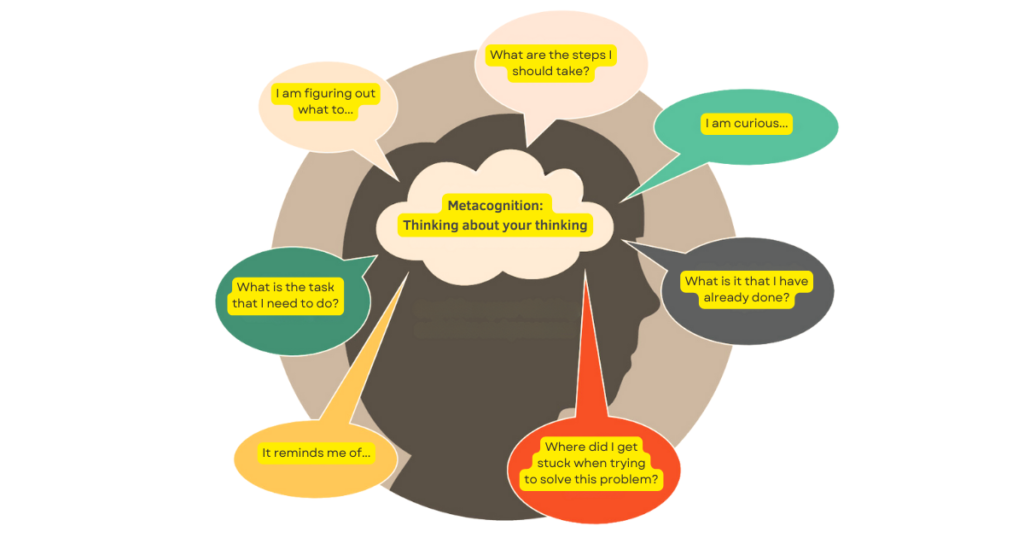
Metacognition in teaching is the art of thinking about your thinking. It’s that inner voice guiding you through the learning process, helping you plan your approach, monitor your understanding, and evaluate your progress.
Metacognition refers to the process by which learners actively engage with their own thinking and learning strategies. It involves being aware of one’s cognitive processes, monitoring progress, and evaluating outcomes.
Imagine having a personal learning coach residing within you, constantly analyzing your strengths and weaknesses, adapting your tactics, and celebrating your successes. That’s the incredible power of metacognition in teaching.
This article serves as your guide to unlocking this superpower. We’ll demystify the concept, explore its key components, and delve into how teachers can utilize this magic in their classrooms to cultivate self-aware, empowered learners.
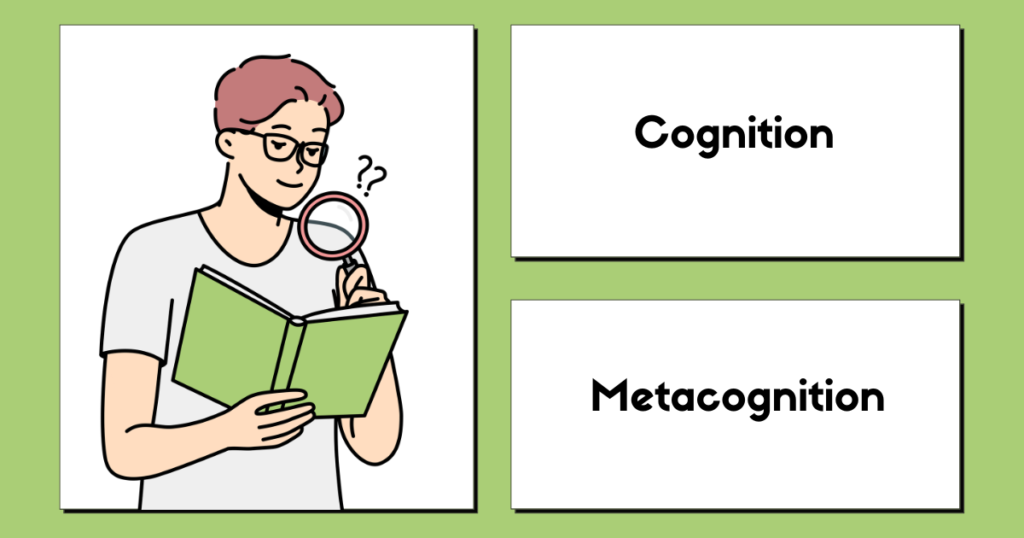
What is The Difference Between Cognition and Metacognition?
Cognition and metacognition are related concepts, but they have distinct differences:
Cognition:
Definition: Cognition refers to the mental processes involved in acquiring, processing, storing, and using information. It encompasses a wide range of activities, including perception, attention, memory, language, and problem-solving.
Function: Essentially, cognition is how our brain processes information from the environment and makes sense of it.
Examples: When we read, work through math problems, or identify faces, we are actively involved in cognitive processes.
Metacognition:
Definition: Metacognition, on the other hand, refers to the awareness and understanding of one’s own cognitive processes. It involves:
Reflecting on one’s thinking.
Monitoring and regulating cognitive activities.
Making strategic decisions about how to approach tasks.
Importance: Metacognition is essential for effective learning and problem-solving because it allows individuals to become more aware of their own thinking processes and make intentional decisions about their approach.
Skills: Metacognitive skills encompass abilities such as planning, monitoring progress, self-evaluation, and self-regulation.
In summary, cognition is the foundation upon which metacognition is built. While cognition focuses on mental processes, metacognition enables us to think about how we think and optimize
Components of Metacognition
Metacognition, the art of “thinking about your thinking,” isn’t just a fancy educational term; it’s the key to unlocking your full learning potential. Imagine stepping into a vast library, equipped with a map and tools to navigate its treasure trove of knowledge. Metacognition empowers you to become that navigator, guiding your learning journey with self-awareness, strategic planning, and insightful evaluation.
Let’s delve into the key components of metacognition, unveiling the secrets to becoming a self-directed learning master: the knowledge component and the regulatory component.
1. Metacognitive Knowledge: Self-Awareness as a Learning Compass
Know thyself, know thy learning journey. This first component revolves around understanding yourself as a learner. It’s about building self-awareness and acknowledging your strengths, weaknesses, and preferences. Just like choosing the right tool for the job, understanding your individual learning style (visual, auditory, kinesthetic) helps you select the most effective strategies for each task.
Are you an information sponge who thrives on detailed notes? Or do you learn best through visual aids and hands-on activities? Recognizing your preferences equips you to choose the path that leads to deeper understanding.
But it doesn’t stop there. Metacognitive knowledge also encompasses understanding different learning strategies and their strengths. Flashcards might work wonders for memorizing vocabulary, while mind maps excel at connecting complex concepts. Knowing the tool kit available empowers you to choose the right strategy for the specific learning challenge you’re facing.
2. Metacognitive Regulation: Charting Your Learning Course
Once you know your strengths and have the tools at your disposal, it’s time to take control! Metacognitive regulation is all about actively charting your learning course.
Think of metacognition in teaching as a three-pronged compass guiding your learning journey:
1. Planning: This involves setting clear goals, choosing appropriate strategies based on the task and your learning style, and anticipating potential challenges. Imagine preparing for a hike. You wouldn’t blindly venture into the wilderness without packing appropriate gear, planning your route, and anticipating weather changes. Similarly, metacognition encourages students to become strategic learners, crafting a personalized roadmap to reach their learning destinations.
2. Monitoring: This is the act of checking your understanding throughout the learning process. Are you grasping the concepts? Is your chosen strategy effective? Do you need to adjust your approach or seek clarification? Think of it like navigating a hike—constantly checking your map, observing landmarks, and adapting based on the terrain. Metacognition empowers students to become active participants, not passive listeners, constantly gauging their comprehension and adjusting their learning course as needed.
3. Evaluating: This final stage involves reflecting on your learning experience, assessing your progress, and identifying areas for improvement. Just like reflecting on your hike, and analyzing what worked well and what could be done better, metacognition encourages students to critically evaluate their learning journey. Did the chosen strategy yield results? Are there alternative approaches to explore? This self-reflection fosters a growth mindset, empowering students to continuously refine their learning strategies and become self-assured, adaptable learners.
Remember, metacognition in teaching isn’t just about acquiring knowledge; it’s about fostering the crucial skills to learn effectively, adapt efficiently, and become a lifelong learner. It’s about empowering students to take ownership of their learning journey, transforming them from passive recipients of information into active architects of their understanding.
Why Metacognition Matters: What Is Metacognition in Teaching
Metacognition, often referred to as “thinking about thinking,” plays a pivotal role in our ability to learn, problem-solve, and adapt. It’s the inner dialogue that guides our cognitive processes, allowing us to monitor and regulate our thoughts, strategies, and understanding. In the context of education, metacognition is a powerful tool that can significantly impact student success.
How Metacognition Influences Exam Performance
Let’s delve into a typical student scenario. Imagine a dedicated student, Alex, preparing for a challenging exam. Alex attends classes, takes thorough notes, and diligently completes practice problems. However, when the exam day arrives, Alex’s performance falls short of expectations. What went wrong?
The answer lies in metacognition. Alex focused on surface-level learning—memorizing formulas and solving problems mechanically—without truly understanding the underlying concepts. Alex lacked metacognitive awareness—the ability to reflect on one’s learning process, identify gaps, and adjust strategies accordingly.
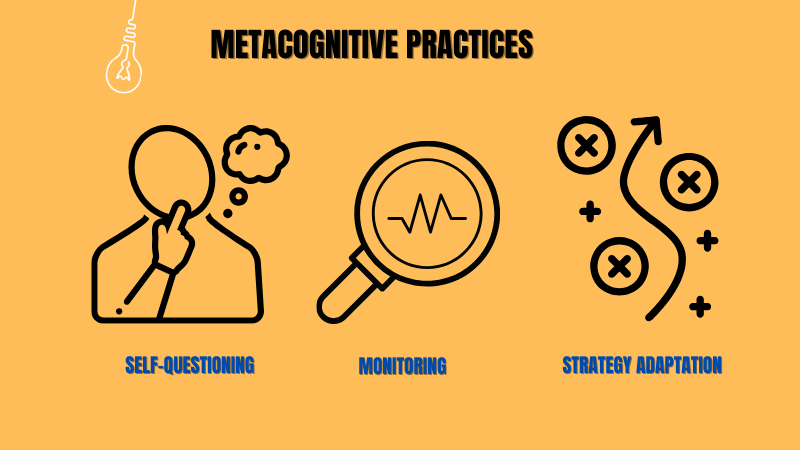
Now, consider another student, Maya. Maya approaches the same exam differently. She engages in metacognitive practices:
Self-Questioning: Maya asks herself, “Do I truly grasp the fundamental principles behind these equations?” She digs deeper, seeking connections between concepts.
Monitoring: During practice sessions, Maya monitors her comprehension. If she struggles with a problem, she pauses, reflects, and identifies the specific challenge.
Strategy Adaptation: When faced with a complex problem, Maya doesn’t panic. Instead, she adjusts her approach. If one method fails, she explores alternatives.
The result? Maya performs exceptionally well on the same calculus exam. Her metacognitive skills allowed her to navigate the material effectively, retain knowledge, and apply it flexibly.
The Need for Explicit Metacognitive Skill Development in Education
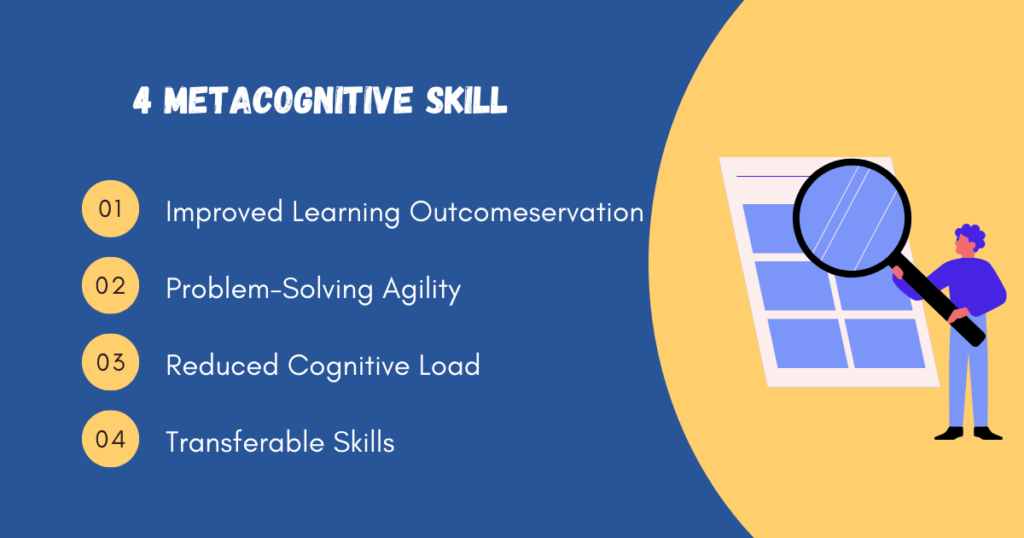
Metacognition isn’t innate; it’s a skill that can be cultivated. Unfortunately, many educational systems prioritize content over process. Students receive information but often lack guidance on how to learn effectively. Here’s why explicit metacognitive skill development matters:
Improved Learning Outcomes: When students understand their learning process, they become active participants. They engage in deeper learning, connect ideas, and retain knowledge beyond rote memorization.
Problem-Solving Agility: Metacognition equips students with problem-solving tools. They learn to assess their understanding, identify misconceptions, and adjust strategies. These skills extend beyond exams—they’re essential for lifelong learning.
Reduced Cognitive Load: Metacognition streamlines learning. Students learn to allocate mental resources efficiently, focusing on what truly matters. They become efficient learners.
Transferable Skills: Metacognitive practices aren’t confined to specific subjects. They transfer across disciplines, benefiting students in science, literature, art, and beyond.
Metacognition isn’t an abstract concept; it’s a practical skill that transforms learning experiences. As educators, we must prioritize metacognitive development alongside content delivery. Let’s empower students like Maya—students who not only know what to learn but also how to learn. By doing so, we foster critical thinkers, problem-solvers, and lifelong learners.
Power of Metacognition in Teaching: The Magic for Students and Teachers
Imagine a classroom buzzing not just with activity but with intentional learning. Students aren’t passively consuming information but actively engaging, strategizing, and reflecting on their progress. This, my friends, is the transformative power of metacognition in teaching in action.
Cultivating metacognitive skills in students isn’t just an educational fad; it’s an investment in their future. Here’s why:
Empowered Learners: With metacognition, students become active participants, not passive recipients. They learn to set goals, plan their learning journey, and monitor their progress, fostering a sense of ownership and responsibility. Imagine the shift: instead of waiting for the teacher to spoon-feed them information, students become strategic learners, capable of adapting their approaches and seeking help when needed. This newfound agency fuels motivation, confidence, and a lifelong love of learning.
Deeper Understanding: True learning goes beyond rote memorization. Metacognition encourages students to go beyond the “what” and delve into the “why” and “how” of knowledge. They analyze, synthesize, and evaluate information, building deeper connections and constructing meaningful understanding. Think of it like building a house. With metacognition, students aren’t just assembling bricks; they’re architects, understanding the structure and purpose of their learning edifice.
Improved Efficiency: Imagine spending hours studying only to feel like you’re treading water. Metacognition helps students identify effective learning strategies. They learn to allocate their time wisely, choose the right tools, and adjust their approach based on their strengths and weaknesses. This optimization leads to improved learning outcomes and reduced frustration, freeing up valuable time and mental energy for exploration and deeper engagement.
Enhanced Self-Awareness: Metacognition fosters self-reflection, encouraging students to analyze their learning styles, preferences, and areas for improvement. This introspective awareness empowers them to make informed choices about their learning journey, developing a growth mindset and a belief in their own potential. It’s like having a personal learning coach whisper wise advice and guide them toward becoming truly self-directed learners.
But how do we, as teachers, unlock this magic for our students? Here’s where the “how” of metacognition in teaching comes alive:
Explicit Instruction: Don’t assume students will magically develop metacognitive skills. Make these skills visible! Dedicate time to explaining and modeling metacognitive strategies, encouraging discussions and reflections. Help students understand the why behind these strategies, connecting them to real-world learning scenarios.
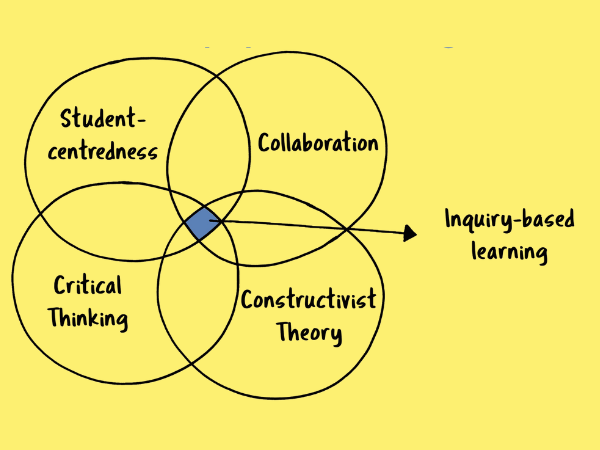
Inquiry-Based Learning: Move away from teacher-centered lectures and embrace inquiry-based activities. Encourage students to ask questions, formulate hypotheses, and investigate solutions. This hands-on approach naturally fosters metacognitive skills as students plan, monitor, and evaluate their learning throughout the process.
Metacognitive Prompts: Integrate thought-provoking questions into your lessons. Prompt students to reflect on their understanding, ask them to explain their thought processes, and encourage them to evaluate the effectiveness of their chosen strategies. These regular metacognitive moments become stepping stones for self-awareness and strategic learning.
Self-Assessment Tools: Empower students to track their progress and identify areas for improvement. Utilize learning logs, journals, and self-assessment rubrics to encourage reflection and goal setting. By taking ownership of their learning journey, students become active collaborators in their own academic success.
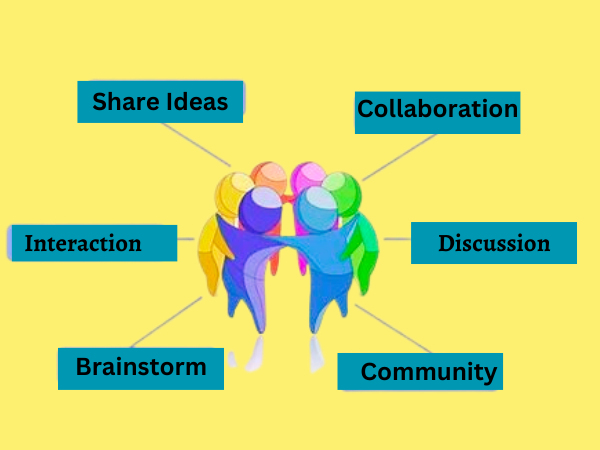
Collaborative Learning: Encourage students to work together, sharing their learning strategies and offering constructive feedback. This collaborative environment allows students to learn from each other’s metacognitive approaches, fostering a community of support and shared growth.
Remember, metacognition in teaching is not a one-time lesson; it’s a continuous journey. By integrating these strategies into your classroom and fostering a culture of metacognitive reflection, you’ll witness the magic unfold: students who are engaged, empowered, and self-directed learners, ready to conquer any academic challenge!
What are Some Examples of Metacognitive Strategies?
Ever feel like you’re studying hard but not getting anywhere? You’re not alone! Sometimes, just hitting the books isn’t enough. Here’s where metacognitive skills come in. Think of them as superpowers for learning; they help you understand how you learn best. Let’s explore some examples:
Self-Questioning:
Pause during a task to consciously check your actions.
Ask important questions like:
Is this the best way to carry out this task?
Did I miss something? Maybe I should check again.
How could I do better next time?
Am I looking at this task the right way?
Good students interrogate their actions both during task completion and upon its completion.
Meditation:
Clear your mind and reach a calm, focused state.
Enhance self-awareness and inner speech.
Meditation is increasingly used in schools to help students attain heightened self-awareness.
Reflection:
Pause to think about a task.
Reflect on your thought processes and ways to improve.
Follow reflective cycles:
Plan the task.
Attempt the task.
Evaluate how you did.
Identify areas for improvement.
Plan the next task, focusing on weaknesses.
Repeat the process.
Competent reflection can occur even while performing a task (known as reflection in action).
Awareness of Strengths and Weaknesses:
Recognize your own strengths and weaknesses.
Genuine assessment leads to self-improvement.
Thinking Aloud:
Verbalize your thought process while solving problems.
It helps you monitor and adjust your thinking strategies.
Active Listening:
Engage fully in listening to others.
Reflect on what you’ve heard and how it connects to your existing knowledge.
Using Mnemonic Aids:
Employ memory techniques (mnemonics) to enhance recall.
Examples include acronyms, visualization, and memory palaces.
These are just a few examples! The key is to experiment and find what works best for YOU. With a little metacognitive magic, you can unlock your full learning potential and become a true learning master!
Remember, metacognition empowers learners to take charge of their learning journey. By incorporating these strategies into teaching practices, educators can cultivate lifelong learning skills and enhance learning outcomes effectively.
Conclusion
So, what is metacognition in teaching? It’s not just a fancy educational term—it’s a revolutionary approach to empowering students to become self-directed, confident learners. By equipping them with the metacognitive skills to think about their thinking, we unlock a world of possibilities in the classroom.
We’ve explored the key components of metacognition in teaching:
Metacognitive knowledge: understanding oneself as a learner and different learning strategies.
Metacognitive regulation: planning, monitoring, and evaluating the learning process.
Metacognitive experience: the emotions, thoughts, and awareness you have while learning.
By integrating these components into your teaching, you foster a culture of metacognitive thinking. Students become active participants, no longer passively receiving information but actively constructing their understanding. They learn to ask questions, set goals, monitor their progress, and adapt their strategies based on their needs.
The benefits of what is metacognition in teaching are undeniable:
Deeper learning: Students move beyond rote memorization to grasp concepts critically and connect them to real-world applications.
Improved problem-solving: They develop the skills to analyze challenges, identify solutions, and adapt to new situations.
Enhanced self-motivation and confidence: By understanding their learning process, students take ownership of their education and become more engaged learners.
Lifelong learning skills: They cultivate the tools and mindset to continue learning and exploring throughout their lives.
Remember, metacognition in teaching is not a one-time lesson; it’s a journey of continuous discovery. Embrace it as a core principle in your teaching philosophy, experiment with different strategies, and encourage your students to explore their own metacognitive superpowers.
Together, let’s transform classrooms into vibrant hubs of self-directed learning, fueled by the magic of what is metacognition in teaching!
Ready to explore further? Delve into specific metacognitive strategies, share your experiences with other educators, and embark on this transformative journey with us! Remember, the power of metacognition in teaching lies in its potential to unlock the potential of every learner. Start today and witness the magic unfold!
Transformative pedagogy is an innovative teaching method that encourages students to critically examine their values, beliefs, knowledge, and attitudes. The goal is to develop a reflective knowledge base, an appreciation for multiple perspectives, and critical thinking. Transformative pedagogy can also help teachers and students develop their identities as whole people with relationships based on interdependence and moral values.
Education is a dynamic and ever-evolving field, constantly adapting to meet the changing needs of learners and societies. In today’s rapidly changing world, characterised by technological advancements, globalisation, and interconnectedness, the need for innovative pedagogical approaches is more pressing than ever. Traditional teaching methods, while valuable, often fall short of addressing the complex challenges and demands of the 21st century.
Transformative pedagogical approaches, rooted in the principles of critical thinking, social justice, and student empowerment, are emerging as the driving force behind educational reform. In this article, we will explore the innovative pedagogical approaches shaping the future of education.
Understanding the Essence of Transformative Pedagogy
Transformative pedagogy is not merely a new set of teaching techniques; it represents a paradigm shift in education. It moves beyond the traditional teacher-centered model, where knowledge is passively transferred from the instructor to the student, towards a more student-centered approach. In transformative pedagogy, learners are not merely recipients of information but active participants in the construction of knowledge. They are encouraged to engage in critical thinking, question assumptions, challenge norms, and explore diverse perspectives.
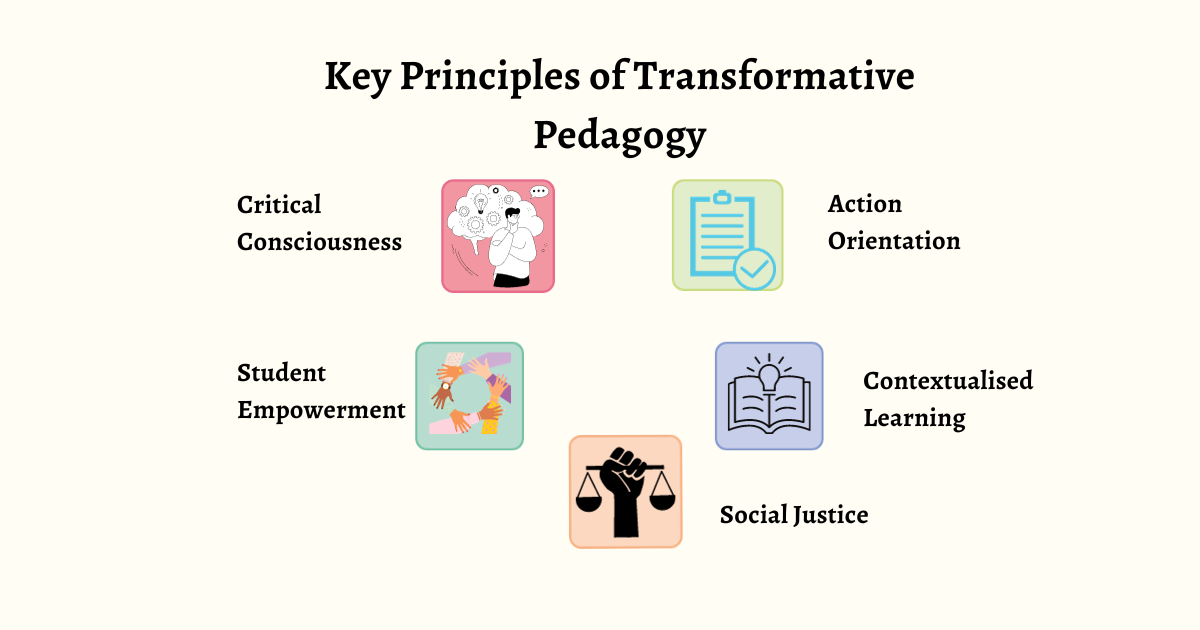
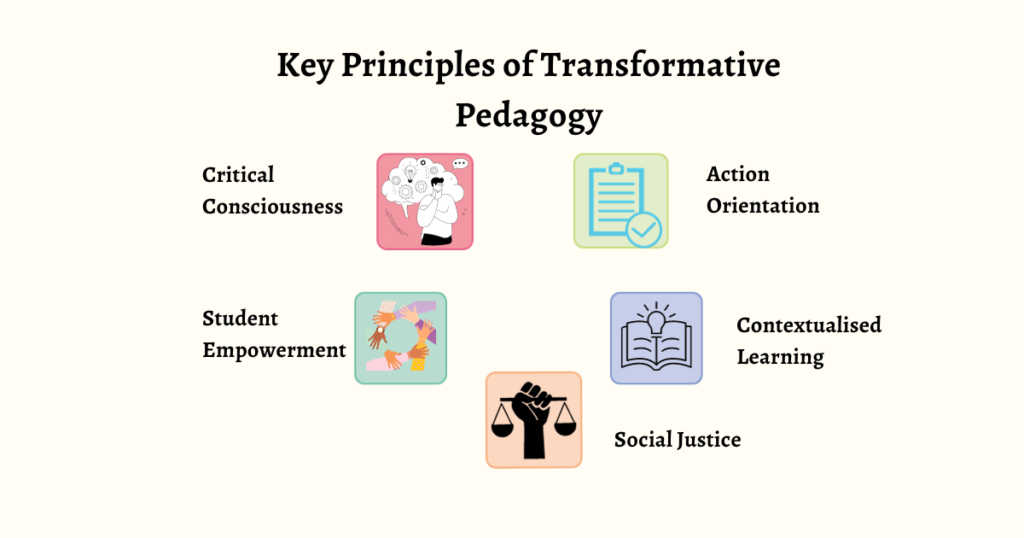
Key Principles of Transformative Pedagogy
Critical Consciousness
Transformative pedagogy cultivates critical consciousness in learners, empowering them to question assumptions, challenge norms, and examine power structures. This involves developing an awareness of social inequalities, questioning biases and prejudices, and recognising the role of power dynamics in shaping society. By fostering critical consciousness, transformative pedagogy encourages students to become active agents of social change.
Student Empowerment
Students are not mere recipients of knowledge but active participants in the learning process. Transformative pedagogy promotes student empowerment by providing opportunities for self-directed learning, encouraging collaboration, and valuing student voices. Students are encouraged to take ownership of their learning, setting their own goals, making choices, and evaluating their progress. This empowerment fosters a sense of agency and responsibility, enabling students to become lifelong learners.
Social Justice
Transformative pedagogy is deeply intertwined with social justice, aiming to create a more equitable and just society. It encourages students to examine social inequalities, understand the root causes of injustice, and advocate for positive change. This involves developing an understanding of different forms of oppression, recognising the impact of social structures on individuals and communities, and challenging discriminatory practises. By promoting social justice, transformative pedagogy empowers students to become agents of social transformation.
Contextualised Learning
Learning is not confined to textbooks and classrooms. Transformative pedagogy connects learning to real-world contexts, allowing students to apply their knowledge to address social, environmental, and economic challenges. This involves incorporating real-world issues into the curriculum, providing opportunities for community engagement, and encouraging students to apply their knowledge to solve practical problems. By contextualising learning, transformative pedagogy fosters a deeper understanding of concepts and the ability to make a positive impact on the world.
Action Orientation
Transformative pedagogy does not end with understanding; it emphasises action. Students are encouraged to apply their knowledge and skills to create positive change in their communities and the world at large. This involves translating knowledge into action, engaging in community service projects, and advocating for social justice. By promoting action orientation, transformative pedagogy empowers students to become changemakers and contribute to a more just and equitable society.
Examples of Transformative Pedagogical Approaches
In the dynamic landscape of education, the quest for innovation in pedagogical approaches has become paramount. As we navigate the ever-evolving realm of teaching and learning, the spotlight is on “Pedagogical Approaches” and, in particular, the transformative strides they are making in shaping the future of education.
Problem-Based Learning (PBL): Students work collaboratively to solve real-world problems, fostering critical thinking, communication, and problem-solving skills. This approach encourages students to apply their knowledge to real-world scenarios, developing a deep understanding of concepts and the ability to think creatively and critically.
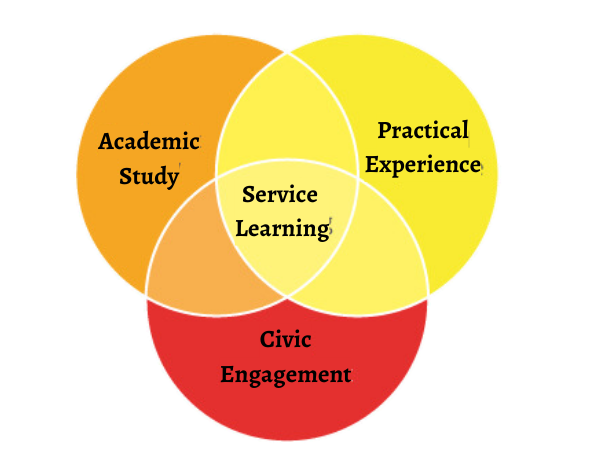
2.Service-Learning: Students engage in community service projects, integrating academic learning with practical application and social responsibility. This approach fosters a sense of civic engagement and social justice as students learn to apply their knowledge and skills to address real-world problems and contribute to their communities.
3. Inquiry-Based Learning: Students take the lead in exploring questions, conducting research, and drawing their own conclusions, developing independence, curiosity, and self-directed learning. This approach encourages students to become active investigators and thinkers, fostering a lifelong love of learning and the ability to think critically and independently.
4. Cooperative Learning: Students work together in small groups, promoting teamwork, communication, and peer-to-peer learning. This approach fosters a sense of collaboration and shared responsibility, as students learn to work together effectively to achieve common goals.
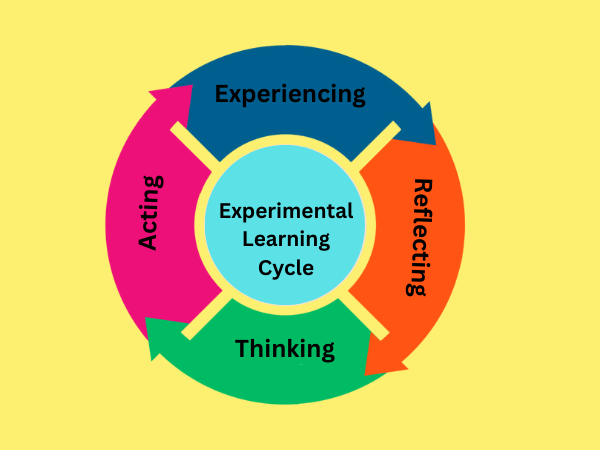
5.Experiential Learning: Students learn through hands-on experiences, simulations, and real-world projects, enhancing engagement, retention, and application of knowledge. This approach provides students with opportunities to apply their knowledge in practical settings, fostering a deeper understanding of concepts and the ability to adapt to new situations.
Impact of Transformative Pedagogy
Transformative pedagogy has a profound and multifaceted impact on both learners and society. It empowers students to become critically thinking, socially responsible, and engaged citizens capable of addressing the complexities of the 21st century. It fosters a more equitable and just society by promoting understanding, empathy, and action for positive change.
Impact on Learners
Develops Critical Thinking Skills: Transformative pedagogy cultivates critical thinking skills in learners, enabling them to analyse information, question assumptions, and form their own judgments. This empowers them to make informed decisions, solve problems creatively, and engage in meaningful discourse.
Promotes Social Responsibility: Transformative pedagogy instills a sense of social responsibility in students, encouraging them to become active participants in addressing social and environmental issues. They develop an awareness of social inequalities and a commitment to advocating for positive change.
Enhances Engagement and Motivation: Transformative pedagogy fosters a more engaging and motivating learning environment where students are actively involved in the construction of knowledge. This leads to increased interest, deeper understanding, and a greater sense of ownership over their learning.
Nurtures Self-Directed Learning: Transformative pedagogy empowers students to become self-directed learners, capable of setting goals, managing their time, and taking responsibility for their own learning. This prepares them for lifelong learning and adaptability in an ever-changing world.
Promotes Personal and Social Growth: Transformative pedagogy fosters personal and social growth in students, helping them develop their identity, build relationships, and contribute to their communities. They become more aware of their strengths and weaknesses, learn to collaborate effectively and develop a sense of empathy and compassion.
Impact on Society
Creates a More Informed and Engaged Citizenry: Transformative pedagogy contributes to a more informed and engaged citizenry, as students develop the skills and dispositions necessary to participate actively in democratic processes. They are more likely to vote, advocate for their communities, and hold their leaders accountable.
Promotes Social Justice and Equity: Transformative pedagogy promotes social justice and equity by challenging societal biases and inequalities. Students learn to recognize and challenge discrimination, advocate for marginalized groups, and work towards a more just and equitable society.
Encourages Sustainable Practices: Transformative pedagogy encourages sustainable practices by fostering an understanding of environmental issues and empowering students to take action to protect the environment. They learn to make informed choices, conserve resources, and promote sustainable lifestyles.
Fosters Innovation and Creativity: Transformative pedagogy fosters innovation and creativity by encouraging students to think outside the box, challenge conventional thinking, and explore new ideas. This leads to the development of creative solutions to real-world problems and advancements in various fields.
Promotes Cultural Understanding and Global Citizenship: Transformative pedagogy promotes cultural understanding and global citizenship by exposing students to diverse perspectives and encouraging them to engage with people from different backgrounds. They develop an appreciation for cultural differences, gain cross-cultural communication skills, and become responsible global citizens.
Charting the Path Forward: The Future of Education
As we navigate the ever-evolving landscape of education, it is becoming increasingly clear that traditional pedagogical approaches are no longer sufficient to prepare students for the demands of the 21st century. The world is changing at an unprecedented pace, characterized by technological advancements, globalization, and interconnectedness. To equip our youth with the skills and dispositions necessary to thrive in this dynamic world, we must embrace transformative pedagogical approaches.
Transformative pedagogy represents a paradigm shift in education, moving away from teacher-centered, knowledge-transmission models towards student-centered, collaborative, and inquiry-based learning environments. It emphasises critical thinking, problem-solving, social responsibility, and action for positive change. This shift is not merely a passing trend; it is a fundamental transformation of how we approach education, one that is essential for preparing students to become engaged, informed, and responsible citizens.
The future of education is not about acquiring a static set of facts and figures; it is about developing the ability to think critically, adapt to change, and contribute meaningfully to society. Transformative pedagogy fosters these essential skills by encouraging students to question assumptions, challenge norms, and explore diverse perspectives. It empowers them to become active participants in their own learning, take ownership of their education, and develop a lifelong love of learning.
By embracing transformative pedagogy, we can cultivate a generation of individuals who are not only knowledgeable but also critically engaged, socially responsible, and equipped to make a positive impact on the world. These individuals will be the driving force behind innovation, social progress, and a more just and equitable society.
Key Steps for Embracing Transformative Pedagogy
Educator Professional Development: Provide ongoing professional development opportunities for educators to learn about, understand, and implement transformative pedagogical approaches. This includes workshops, seminars, and mentorship programmes that foster a deep understanding of the principles and practises of transformative pedagogy.
Curriculum Transformation: Revise and adapt curricula to align with transformative pedagogical principles. This involves incorporating real-world contexts, promoting critical thinking, and emphasising student-centered learning activities.
Supportive Learning Environments: Create supportive learning environments that foster collaboration, creativity, and a sense of community. This includes providing access to technology, encouraging open communication, and celebrating diverse perspectives.
Assessment and Evaluation: Redesign assessment and evaluation methods to reflect the goals of transformative pedagogy. This includes focusing on critical thinking skills, problem-solving abilities, and self-reflection rather than rote memorization and standardised testing.
Community Engagement: Engage with parents, community members, and stakeholders to create a shared vision for transformative education. This involves fostering open communication, seeking feedback, and building partnerships that support the implementation of transformative pedagogical approaches.
Conclusion
The future of education is bright, filled with innovative teaching methods, diverse learning environments, and a renewed commitment to student empowerment and social responsibility. By embracing transformative pedagogical approaches, we can shape a future where education is not just about acquiring knowledge but about becoming active participants in creating a more just, equitable, and sustainable world.