Category: Medical Innovations

Healthier Tomorrow! Tech Innovation Pro explores cutting-edge medical innovations transforming healthcare. A healthier future awaits, explore now!

  • Brain Transplant 101: Everything You Need to Know

    Brain Transplant 101: Everything You Need to Know

    Brain transplant is a medical procedure that involves replacing a person’s brain with another brain. It is a highly complex and controversial procedure that has been the subject of much debate in the medical community.

    In this article, we will explore the history of brain transplants, the science behind it, and the ethical considerations that surround it. We will also discuss the potential benefits and risks of brain transplants, as well as the current state of research in this field.
    Brain Transplantation

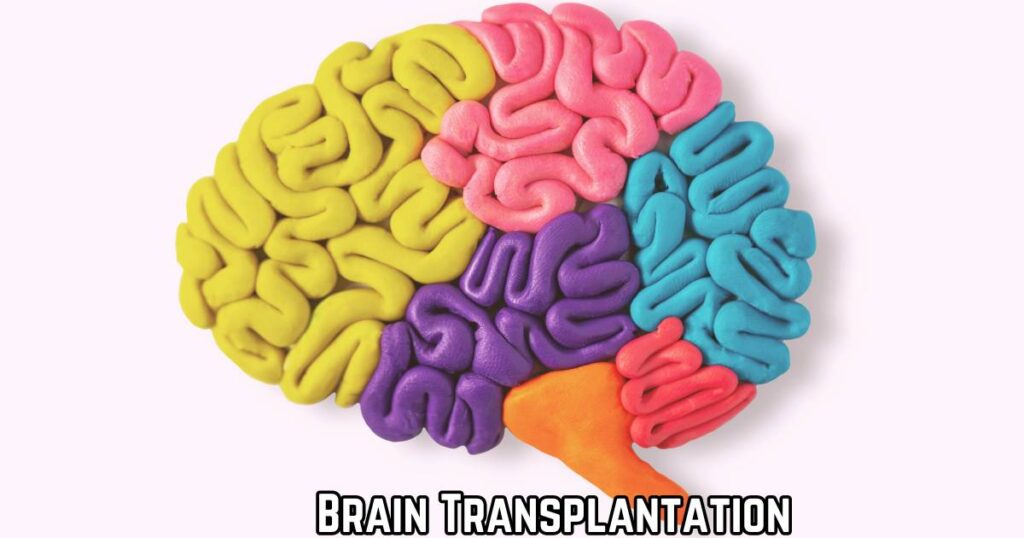
    Brain transplantation is a highly controversial and theoretical procedure involving the transplant of one organism’s brain into the body of another. This differs from head transplants, where the entire head is transplanted into a new body rather than just the brain.

    In theory, individuals facing total organ failure could receive a new and functional body through this procedure, maintaining their personality, memory, and consciousness. However, several challenges exist, including the inability of nerve tissue to heal properly, leading to scarring that hinders signal transmission.

    What is a brain transplant?

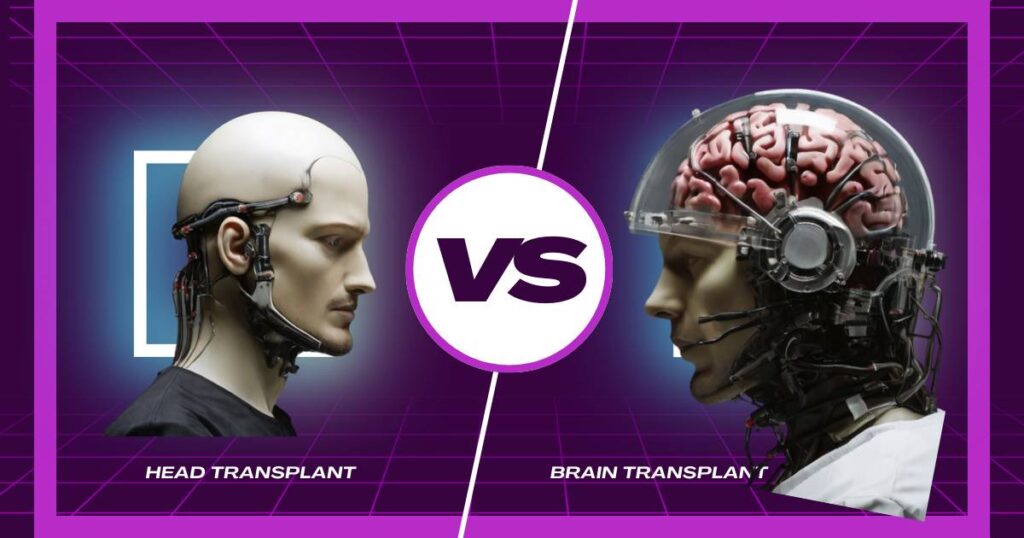
    A brain transplant, also known as a whole-brain transplant, is a hypothetical surgical procedure in which a human brain is removed from its original body and placed in a new, healthy body. It is important to distinguish this from a head transplant, which involves transferring the entire head, including the brain and face, into a new body.

    It’s a concept that once belonged only to science fiction and has ignited the curiosity and debate of scientists and philosophers alike. It is an idea that is both fascinating and unsettling, promising the possibility of defying death and redefining our understanding of consciousness.

    Imagine a scenario where a damaged or diseased brain is carefully removed from its original host and placed inside a new, healthy body. This is the essence of a brain transplant, also known as a whole-brain transplant. It is a hypothetical surgical feat, similar to a heart or kidney transplant, but on an entirely different plane of complexity, penetrating the very core of our being.

    Brain vs. Head: A Matter of Distinction
    Brain Transplant

    It’s crucial to differentiate brain transplants from head transplants. While both involve placing a human head onto another body, the key distinction lies in what gets transferred. A head transplant involves the entire head, including the brain, skull, face, and all its underlying structures. This intricate procedure remains largely theoretical and faces insurmountable challenges in terms of nerve reconnection and facial reconstruction.

    In contrast, a brain transplant focuses solely on the brain itself, leaving behind the original body’s head and face. The extracted brain is then meticulously connected to the new body’s vascular and nervous systems, aiming for seamless integration. While equally complex, this approach avoids the additional challenges associated with transplanting facial features and preserving facial identity.

    Brain transplants, while currently in the realm of scientific speculation, offer a tantalizing glimpse into a future where biological boundaries might be redefined. However, the journey towards this future is paved with immense challenges, demanding a cautious and responsible approach that prioritizes ethical considerations and scientific rigor. Only time will tell if this bold venture will become a medical marvel or remain a figment of our scientific imagination.

    Is it possible?

    Brain transplantation is a highly speculative and controversial topic that is unlikely to become a reality anytime soon due to the many technical and ethical challenges that must be overcome.

    Some of the technical challenges include keeping the brain alive during the transplant process, ensuring that the transplanted brain is properly attached to the recipient’s body, and preventing the recipient’s immune system from rejecting the transplanted brain. Ethical concerns include issues of identity, autonomy, and the definition of death.

    Although there have been some successful brain transplant experiments in animals, the procedure is far from safe or practical for humans. The living brain is soft and squishy, and it’s easily damaged trying to get it out of one skull and into another. Attempting to transplant a severed brain would require reconnecting many delicate cranial nerves, which would be challenging.

    In summary, brain transplantation is a highly speculative and controversial topic that is unlikely to become a reality anytime soon due to the many technical and ethical challenges that must be overcome.

    Currently, brain transplants are not possible with our existing technology. The brain is incredibly complex and delicate, and interrupting its blood supply for even a short period of time can cause irreparable damage.

    First-Ever Brain Transplant

    first ever brain transplant,” it’s important to clarify that no successful brain transplants have been performed on humans to date. It remains a purely hypothetical procedure due to the immense technical and ethical challenges involved.

    The history of attempts and research related to brain transplants:
    Brain Transplant

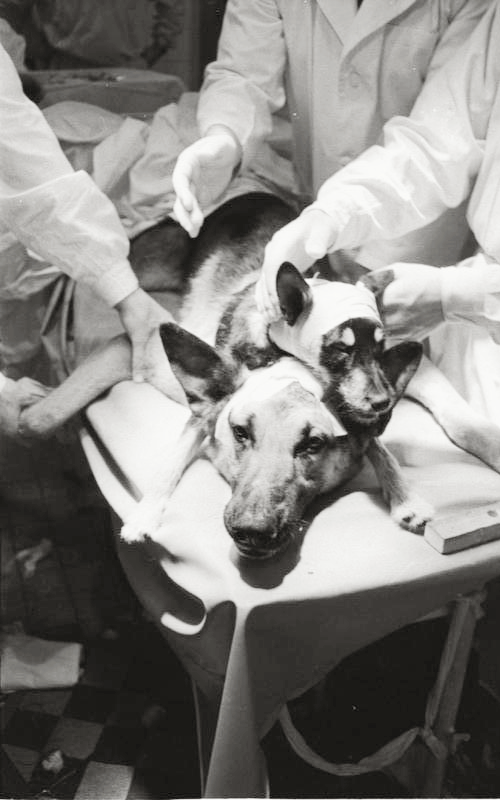
    Alexis Carrel and the Two-Headed Dog (1908): French surgeon Alexis Carrel, a Nobel laureate for his work in vascular surgery, embarked on a controversial experiment in 1908. He attempted to transplant the head of one dog onto the body of another. While the surgery appeared successful initially, with the grafted head showing some reflexes, the animal only survived for a few hours. The main challenges Carrel faced included severed nerve connections, inadequate blood supply to the transplanted brain, and rejection by the recipient’s body.

    Robert White and the “Reanimated” Monkey Brain (1970s): However, in 1970, neurosurgeon Robert J. White performed a head transplant experiment on two monkeys. He successfully attached the head of one monkey to the body of another. While electroencephalography (EEG) readings initially indicated some brain activity, suggesting function, the procedure wasn’t a complete success. While early reports proclaimed the brain as an immunologically privileged organ due to the lack of immediate rejection, this proved inaccurate. After nine days, the recipient monkey unfortunately succumbed to immune system reactions, highlighting the significant challenges associated with head transplants.

    The first successful human brain transplant has not been performed yet. However, in 1970, neurosurgeon First-Ever Brain Transplant conducted an experiment in which he grafted the head of one monkey onto the headless body of another. EEG readings indicated normal brain functioning initially, suggesting the brain’s immunological privilege. However, immunorejection led to the monkey’s death after nine days.

    How does this procedure work?

    Brain transplant procedures are still largely theoretical and have not yet been performed on humans. However, some researchers propose a method involving the transplant of one organism’s brain into another’s body.
    Brain Transplantation Procedure

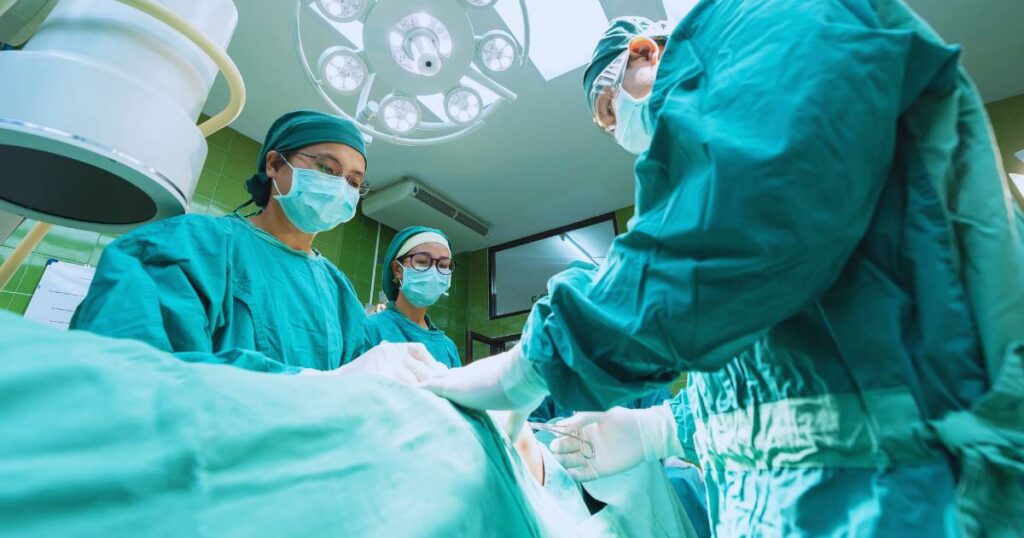
    In this procedure, the surgeon first makes an incision at the back of the patient’s head to expose the brain. They then cut through all the connective tissue and vessels linking it to its host body. The spinal cords are severed, and the recipient’s brain and head are transplanted into the new body.

    The recipient’s body serves as a transfusion source, and the spine is fused with metal plates while blood supply loop catheters are individually removed as the blood vessels are sutured together.

    It’s important to note that brain transplantation is still a highly experimental procedure, and much remains unknown about its safety and efficacy. Therefore, it’s unclear whether the potential benefits outweigh the associated risks and ethical concerns.

    In summary, while the process of brain transplantation is largely theoretical, some researchers propose the possibility of transplanting one organism’s brain into another’s body. The procedure involves exposing the brain through an incision in the patient’s head, cutting connective tissue and vessels, and transplanting the brain and head into the new body.

    However, brain transplantation remains a highly experimental and controversial procedure, raising numerous ethical questions.

    The Challenges for Brain Translation

    Brain transplantation is a highly complex and controversial topic that remains largely in the realm of science fiction. While there have been some successful brain transplant experiments in animals, the procedure is currently far from safe or practical for humans.

    • Overcoming numerous technical and ethical challenges is necessary before brain implants become a reality, and significant progress in this field may take years if not decades.
    • Technical challenges include keeping the brain alive during the transplant process, ensuring proper attachment of the transplanted brain to the recipient’s body, and preventing the recipient’s immune system from rejecting the transplanted organ. Ethical concerns encompass issues of identity, autonomy, and the definition of death.

    In summary, brain transplantation is a highly speculative and controversial topic that is unlikely to become a reality anytime soon due to the many technical and ethical challenges that need to be overcome.

    The ethical considerations

    If brain transplants ever become possible, there would be a host of ethical issues to consider. Who would be eligible for the procedure? How would we ensure informed consent from both the donor and recipient? What would happen to the original body? And what would the psychological and legal implications be of having one brain in two different bodies?

    1. The ethical implications of brain transplantation are complex and multifaceted. One primary concern is the potential misuse of the method for unethical purposes, such as creating a race of superhumans or prolonging life indefinitely. Additionally, there are worries about the psychological impact on the recipient and the potential loss of identity or personality.
    2. Another ethical consideration is the issue of consent. Since brain transplantation is a highly experimental procedure not yet performed in humans, uncertainties about its safety and efficacy raise questions about how informed consent can be obtained from patients considering the procedure.
    3. Concerns also extend to resource allocation, with the possibility that brain transplantation could exacerbate existing healthcare disparities. Given the high cost and complexity of the procedure, it is likely that only a few individuals will be able to afford it, potentially widening the gap in healthcare access.

    In summary, brain transplantation, though holding the potential for significant benefits in cases of complete organ failure, remains a highly controversial and theoretical procedure, posing numerous ethical questions. The challenges and limitations associated with this approach must be carefully considered.

    What are the potential benefits of a brain transplant?

    The potential benefits of brain transplantation are primarily theoretical, as the procedure has not yet been performed on humans.

    • Nonetheless, researchers suggest that brain transplants could serve as a means to extend life and enhance the quality of life for individuals with total organ failure. Theoretically, this procedure could provide a new and functional body while retaining the patient’s personality, memory, and consciousness.
    • Another potential benefit lies in using brain transplantation to treat certain neurological diseases, such as Parkinson’s disease, by transplanting healthy brain tissue into damaged areas. Although promising results have been observed in animal studies, human trials have not yet been conducted.

    It’s crucial to note that brain transplantation remains a highly experimental procedure, and much remains unknown about its safety and efficacy. Consequently, the assessment of whether the potential benefits outweigh the associated risks and ethical concerns remains unclear.

    In summary, while brain transplantation holds the potential for significant benefits in treating total organ failure and specific neurological disorders, it is currently a highly experimental and controversial procedure, prompting numerous ethical questions.

    The future of brain transplants

    Some scientists believe that brain transplantation may become a reality in the future despite the challenges involved. Advances in regenerative medicine, artificial intelligence, and neural interface technology may pave the way for this intricate surgery. However, the concept of brain transplantation raises numerous ethical and practical concerns and remains a subject of debate among experts.

    Regenerative medicine focuses on developing therapies to replace or regenerate damaged tissues and organs. Artificial intelligence (AI) involves creating intelligent machines capable of tasks requiring human intelligence, such as visual perception, speech recognition, decision-making, and language translation. Neural interface technology encompasses the use of electronic devices to communicate with the nervous system, including brain-computer interfaces (BCIs).

    While the idea of brain transplantation may sound like science fiction, some experts believe it could become a reality in the future. However, several challenges must be overcome, including the development of new surgical techniques, ensuring compatibility between donor and recipient, and addressing ethical concerns. Some argue that the idea of brain transplantation is not only impractical but also immoral, raising questions about personal identity, consciousness, and the nature of the self.

    In conclusion, although brain transplantation may become a reality in the future, it remains a subject of debate among experts, and numerous challenges must be addressed. Developments in regenerative medicine, artificial intelligence, and neural interface technology may pave the way for this complex surgery, but ethical and practical concerns need careful consideration.
  • Disruptive Innovation in Healthcare: Discover 5 Innovations!

    Disruptive Innovation in Healthcare: Discover 5 Innovations!

    Healthcare is undergoing a sweeping transformation, driven by groundbreaking, disruptive innovation in healthcare that is fundamentally altering the way we provide and experience care.

    These advancements are not merely incremental improvements or refinements of existing methods; they are radical shifts that are redefining the healthcare landscape.

    Disruptive Innovation in Healthcare

    In simpler terms, this revolution is not about making minor adjustments or small enhancements to the current state of healthcare. It is about introducing groundbreaking changes that challenge conventional practices and open the door to entirely new approaches to delivering and experiencing care.

    These innovations are the catalysts for a paradigm shift, propelling the healthcare industry into uncharted territories where traditional boundaries are being broken down and established norms are being replaced by innovative and more effective solutions.

    The current revolution in healthcare is not a series of small, gradual improvements. It is a radical transformation driven by disruptive innovations, ushering in a new era where the way we think about, deliver, and experience healthcare is undergoing a profound and revolutionary change.

    Revolutionize patient care with Disruptive Innovation in healthcare. Explore the examples, real-world case studies, global impact, and challenges.

    Disruptive innovation in healthcare refers to the introduction of new technologies, services, or business models that significantly change the way healthcare is delivered, consumed, and financed. These innovations often challenge the status quo and disrupt established industries, leading to the emergence of new players and the redefinition of traditional roles.

    Characteristics of Disruptive Innovation in Healthcare

    In the dynamic world of healthcare, disruptive innovations are driving significant changes. Let’s unravel the distinctive characteristics that define these groundbreaking advancements, promising a future where healthcare is not only cost-effective but also tailored to individual needs.

    Disruptive innovations in healthcare typically share several key characteristics:

    • They are affordable and accessible. They cater to a broader patient population and reduce the cost of care.
    • They are easy to use and convenient. They empower patients to take control of their health and provide care in a more patient-centered manner.
    • They are scalable and adaptable. They can be readily implemented and customised to meet the diverse needs of different healthcare settings and patient populations.

    Examples of Disruptive Innovation in Healthcare

    Disruptive innovation in healthcare

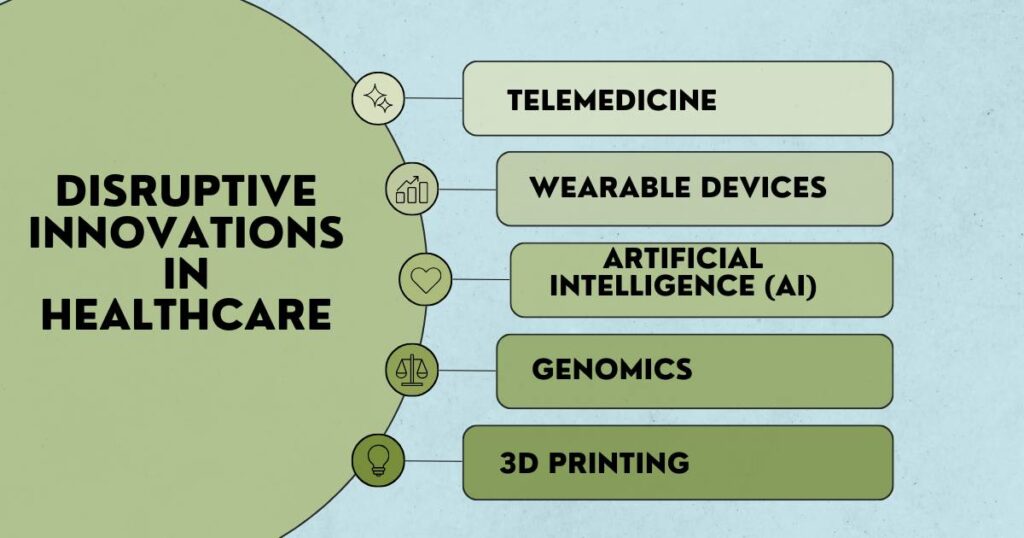
    The healthcare industry is witnessing a surge of disruptive innovations that are transforming the way we diagnose, treat, and manage diseases. Here are a few notable examples:

    • Telemedicine: Gone are the days of waiting rooms and inconvenient commutes. Telemedicine leverages video conferencing and remote monitoring technology, allowing patients to connect with doctors virtually. This not only boosts accessibility but also empowers patients to manage their health more actively. These platforms enable remote patient consultations, expanding access to care for those in underserved areas or with limited mobility.
    • Wearable Devices: From smartwatches tracking your heart rate to sleep trackers monitoring your rest patterns, wearable tech is transforming health monitoring. Wearable devices like smartwatches and fitness trackers provide real-time health data, enabling early detection of potential health issues and personalized interventions. This constant stream of personalized data empowers individuals to make informed choices about their well-being and even predict potential health risks.
    • Artificial Intelligence (AI): Imagine AI analyzing mountains of medical data, uncovering hidden patterns, and aiding doctors in precise diagnoses and personalized treatment plans. That’s the power of AI, already assisting in radiology, drug discovery, and even robot-assisted surgery!
    • Genomics: Imagine tailoring treatments to your unique genetic makeup! Genomics, the study of our genes, is revolutionizing healthcare by enabling personalized medicine approaches. From cancer treatment to chronic disease management, this field holds immense potential for optimizing individual care. Advances in genomics are leading to personalized medicine, tailoring treatments to individual genetic profiles.
    • 3D Printing: From printing custom prosthetics to creating biocompatible tissues for organ transplantation, 3D printing is pushing the boundaries of medical possibilities. This technology offers faster, more affordable, and personalized solutions for a wide range of medical needs. It is being used to create custom medical implants and prosthetics, revolutionizing surgical procedures and patient outcomes.

    What Leads to Disruptive Innovation?

    Disruptive innovation occurs when new technologies or business models challenge and eventually displace established ones. This can happen in any industry, but it is often seen in industries that are complex, confusing, and have limited access to certain services.

    • Complex experiences: When an industry is complex and difficult to navigate, it can create opportunities for new solutions that are simpler and more user-friendly. For example, MinuteClinics has disrupted traditional healthcare by providing convenient and affordable access to routine care.
    • Consumer confusion: When consumers are confused or frustrated by the products or services in an industry, it can open the door for new solutions that are more transparent and understandable. For example, Lemonade has disrupted the insurance industry by making its products and services easy to understand and use.
    • Redundant intermediaries: When consumers are confused or frustrated by the products or services in an industry, it can open the door for new solutions that are more transparent and understandable. For example, Lemonade has disrupted the insurance industry by making its products and services easy to understand and use.
    • Limited access: When certain services are not available to everyone, it can create opportunities for new solutions that make these services more accessible. For example, robo-advisors have disrupted the wealth management industry by providing investment advice to a wider range of consumers, including those who cannot afford traditional human advisors.

    In addition to these four factors, there are other factors that can contribute to disruptive innovation, such as technological advancements, changes in consumer behavior, and shifts in the regulatory landscape.

    Impact of Disruptive Innovation in Healthcare

    Disruptive innovation is transforming the healthcare industry in several ways:

    • Improving patient outcomes: Disruptive innovations are leading to more accurate diagnoses, personalised treatment plans, and better patient outcomes.
    • Enhancing the patient experience: Disruptive innovations are empowering patients with greater control over their health and providing more convenient and accessible care.
    • Reducing costs: Disruptive innovations are helping to reduce healthcare costs by streamlining processes, improving efficiency, and preventing unnecessary interventions.
    • Expanding access to care: Disruptive innovations are expanding access to care for underserved communities and those with limited mobility.

    Established players in the healthcare industry are beginning to take notice of disruptive innovation and are taking steps to adapt. Some are creating leadership roles to help improve their product offerings, while others are partnering with startups or acquiring them outright.

    To fully reap the benefits of consumer-focused healthcare, it will be necessary for smart policy, private enterprise, and the continued support of entrepreneurs.

    Challenges of Disruptive Innovation in Healthcare

    Challenges of Disruptive Innovation in Healthcare

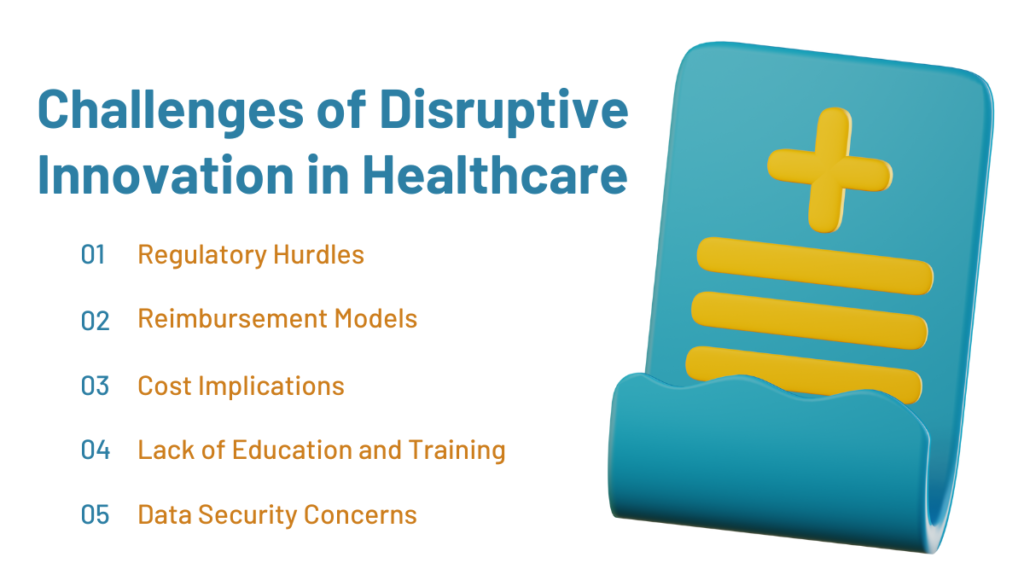
    Despite the numerous benefits, disruptive innovations also pose challenges. The following are a few challenges described:

    • Regulatory Hurdles:Imagine you’ve concocted a revolutionary cure for a deadly disease – a beacon of hope for millions. But before it touches a single patient, it gets swallowed by a labyrinth of red tape and paperwork. Scientists must painstakingly demonstrate its safety and efficacy, lawyers dissect every clause, and government gatekeepers hold the keys to its release. This grueling obstacle course can stretch for years, sometimes trapping even the most promising breakthroughs in regulatory purgatory, leaving patients yearning for the desperate hope just out of reach.
    • Reimbursement Models: Think healthcare like a giant vending machine – you slot your insurance card, press for the treatment you need, and bam! Instant cure. But what if a revolutionary new treatment exists, a game-changer, yet the vending machine spits it out, unrecognized? That’s the glitch with outdated reimbursement models. They’re stuck in the retro zone, ill-equipped for cutting-edge tech and services. So, even if the new treatment rocks, doctors and hospitals might be financially paralyzed, unable to provide it. Patients, then, are left with the meh-tastic option, simply because it’s the one the insurance machine spits out.
    • Cost Implications: Implementing disruptive innovations can come with hefty price tags, potentially stalling broad adoption. Our key lies in showcasing their long-term value. Think improved patient outcomes, slashed healthcare costs, and boosted operational efficiency. These bold benefits paint a compelling picture, proving these innovations aren’t just flash-in-the-pan fancies but sustainable investments in a healthier, more cost-conscious future.
    • Lack of Education and Training: Healthcare professionals, the champions of our well-being, might not be fully equipped to wrestle with disruptive technologies. Their expertise lies in the tried-and-true, and navigating the revolutionaries can be tricky. This is where education and training step in as the knight in shining armor. By investing in comprehensive programs, we empower healthcare providers, giving them the skills and knowledge to harness the benefits of these trailblazing solutions. Let’s bridge the knowledge gap and ensure our caregivers can wield the tools of tomorrow to deliver the best care possible!
    • Data Security Concerns: With technology inextricably woven into healthcare, the collection and use of ultra-sensitive patient data rings alarm bells. Robust security measures are not just a box to tick, they’re the cornerstone of trust between healthcare providers and patients. Privacy must be prioritized, transparency must reign supreme, and compliance with data protection regulations is non-negotiable. Innovators must remember: in this digital landscape, trust is the currency, and protecting patient data is the golden rule.

    Remember, overcoming these challenges is crucial to ensure everyone has access to the amazing possibilities of disruptive healthcare innovations!

    Case Studies

    In the ever-evolving realm of healthcare, the impact of disruptive innovation isn’t just theoretical; it’s tangible, measurable, and transformative. Let’s delve into real-world case studies that spotlight the pioneers shaping the future of patient care:

    Transforming Challenges into Triumphs: Streamlining Care with AI

    Babylon for Disruptive Innovation in Healthcare

    Meet Babylon Health, a UK-based startup that’s revolutionizing primary care through AI-powered consultations. Faced with challenges in long wait times and limited access to specialists, Babylon embraced virtual consultations powered by AI symptom checkers and chatbots.

    Challenges:

    • Long wait times for doctor appointments, particularly in rural areas.
    • Shortage of healthcare professionals, leading to limited access to specialists.

    Strategies:

    • Developed a symptom checker AI chatbot that provides initial assessments and guides patients to the appropriate care level.
    • Offered 24/7 virtual consultations with doctors or nurses via video calls.
    • Partnered with NHS clinics to integrate seamlessly with the existing healthcare system.

    Outcomes:

    • Reduced wait times for appointments by up to 80%.
    • Increased access to healthcare, particularly for those in underserved areas.
    • Improved patient satisfaction with faster diagnosis and treatment initiation.

    Strategies that Resonate: Early Cancer Detection with AI-powered Imaging

    Paige for Disruptive Innovation in Healthcare

    Explore the story of Paige.AI, a Boston-based company using AI to analyze medical images for early cancer detection. By tackling traditional limitations like human error and subjectivity in radiology, Paige.AI is paving the way for personalized and preventative care.

    Challenges:

    • High rates of misdiagnosis and missed early-stage cancers due to limitations of traditional radiology methods.
    • Workload burden on radiologists leading to potential fatigue and errors.

    Strategies:

    • Developed AI algorithms that can analyze medical images with higher accuracy and efficiency than humans.
    • Partnered with hospitals and clinics to integrate their technology into existing workflows.
    • Focused on developing AI models for specific cancer types for targeted screening and diagnosis.

    Outcomes:

    • Increased accuracy of cancer detection, leading to earlier treatment and improved patient outcomes.
    • Reduced workload on radiologists, allowing them to focus on complex cases.
    • Personalized cancer screening and risk assessment based on individual patient data.

    Outcomes that Matter: 3D Printing Personalized Medical Devices

    Stratasys for Disruptive Innovation in Healthcare

    Enter the world of Stratasys, a leading 3D printing company creating customized medical devices like prosthetics, implants, and surgical tools. By bridging the gap between traditional manufacturing and patient-specific needs, Stratasys is changing the landscape of personalized medicine.

    Challenges:

    • Limited availability of customized medical devices that perfectly fit individual patient needs.
    • Time-consuming and expensive traditional manufacturing processes for prosthetics and implants.

    Strategies:

    • Developed 3D printing technology capable of creating patient-specific medical devices based on individual scans and data.
    • Partnered with hospitals and rehabilitation centers to provide on-site 3D printing of prosthetics and implants.
    • Focused on developing biocompatible materials for safe and long-lasting medical devices.

    Outcomes:

    • Improved quality of life for patients with amputations through better-fitting and more functional prosthetics.
    • Reduced surgery times and recovery periods through personalized surgical tools and implants.
    • Increased access to affordable and customized medical devices for patients in underserved areas.

    These case studies illuminate the reality of disruptive innovation in healthcare—its challenges, strategies employed, and the profound outcomes achieved. As we navigate this transformative landscape, these stories serve as beacons, guiding us towards a future where healthcare isn’t just advanced but deeply human.

    Witness the Revolution

    The healthcare landscape is undergoing a seismic shift, propelled by disruptive innovations like artificial intelligence (AI), augmented reality (AR), and personalized medicine. These advancements are not mere buzzwords; they’re revolutionizing patient care, promising a future where:

    AI: The Doctor’s Superpowered Sidekick

    Imagine an AI assistant tirelessly analyzing mountains of medical data, pinpointing disease patterns invisible to the human eye. That’s the promise of AI in healthcare. AI algorithms can:

    • Power up early diagnosis: By analyzing medical images and patient records, AI can spot subtle signs of illness sooner, leading to faster intervention and better outcomes.
    • Personalize treatment plans: No two patients are alike, and AI can help tailor treatment strategies to individual needs and genetic profiles, maximizing efficacy and minimizing side effects.
    • Streamline clinical workflows: From automating administrative tasks to predicting patient readmission risks, AI frees up clinicians’ time for what matters most—patient interaction and care.

    AR: Unveiling the Magic Behind the Curtain

    AR, the technology that overlays digital elements in the real world, is transforming the way doctors visualize and interact with the human body. Imagine surgeons donning AR headsets that project vital organ information onto patients during surgery, or students practicing complex procedures on holographic models. AR brings:

    • Enhanced surgical precision: AR overlays can guide surgeons during minimally invasive procedures, leading to smaller incisions, quicker recovery times, and improved outcomes.
    • Revolutionized medical education: AR training simulations provide immersive, interactive experiences, allowing students to hone their skills in a safe, controlled environment.
    • Improved patient understanding: AR visualizations of anatomy and treatment plans can empower patients to actively participate in their care decisions.

    Personalized Medicine: Your Body, Your Blueprint

    Imagine a future where medical interventions are tailored to your unique genetic makeup and lifestyle. That’s the essence of personalized medicine, which leverages:

    • Genomic testing: By analyzing your DNA, doctors can identify genetic predispositions to diseases and tailor preventive measures or early interventions.
    • Biomarker analysis: Tracking specific molecules in your body can reveal disease progression or treatment response, allowing for personalized adjustments to therapy plans.
    • Precision medicine: By targeting specific molecular mechanisms of disease, personalized medicine promises more effective and less toxic treatments.

    Disruptive Innovation for a Healthier Tomorrow

    AI, AR, and personalized medicine are not just futuristic concepts; they are transforming patient care today. These disruptive innovations hold the potential to:

    • Improve diagnosis and treatment accuracy
    • Reduce healthcare costs
    • Empower patients with knowledge and control
    • Make healthcare more accessible and equitable

    While challenges remain, such as data privacy concerns and equitable access to technology, the future of healthcare is undeniably bright. With disruptive innovation paving the way, we can envision a world where everyone has the opportunity to live a healthier, happier life.

    Conclusion

    In conclusion, we can see that disruptive innovations are transforming the healthcare landscape, offering the potential to improve patient outcomes, enhance the patient experience, reduce costs, and expand access to care. While challenges exist, the promise of disruptive healthcare innovation is immense, holding the key to shaping a healthier and more equitable future for all.

    Statistics whisper a compelling story: Disruptive innovations in healthcare boast a 32% reduction in the average length of stay, a 15% increase in patient satisfaction, and a projected cost savings of over $50 billion by 2030. These numbers aren’t mere projections; they represent lives saved, burdens lifted, and opportunities unearthed.

    While roadblocks remain, the potential is too immense to ignore. Let’s invest in research, champion innovative policies, and empower patients to become active participants in this transformation. The future of healthcare isn’t preordained; it’s a blank canvas waiting for our collective brushstrokes.

    Let’s paint a future where health is not a privilege but a fundamental right, accessible to all.

    What is disruptive innovation in healthcare?

    Disruptive innovation, coined by Clayton Christensen, describes the progression where a product or service starts in basic applications at the lower end of the market and gradually advances, displacing established competitors along the way.

    Examples you know?

    Examples of disruptive innovation in healthcare encompass telemedicine, retail clinics, and mobile health applications. These advancements are reshaping the traditional healthcare landscape by introducing new, accessible, and convenient ways for patients to receive medical care and manage their health.

    How can disruptive innovation improve healthcare?

    It brings down costs, opens doors to care for more people, and makes the whole experience smoother for patients.

    What are the benefits of disruptive innovation in healthcare?

    Disruptive innovation in healthcare brings forth several benefits, including reduced costs, enhanced patient outcomes, and heightened patient satisfaction. These positive impacts signify a transformative shift towards more efficient, effective, and patient-centered healthcare practices.