Category: Innovations

Explore Tech’s Future! Tech Innovation Pro dives into innovations shaping our world: sustainable, social, medical & more. Discover breakthroughs today!

  • What is Machine Learning? How to Become an ML Engineer?

    What is Machine Learning? How to Become an ML Engineer?

    What is Machine Learning? And how do I become an ML Engineer? All your questions were answered! Master the ML workflow, libraries, projects, and salary secrets!

    What is Machine Learning? How to Become an ML Engineer?

    Machine learning (ML) is a subfield of artificial intelligence (AI) that focuses on the development of computer algorithms that can learn from data and improve their performance on a specific task over time. Imagine a child learning to identify different types of cars. Initially, they might need you to point out each car and tell them its name. But over time, they start to identify the patterns that distinguish cars from other objects, and eventually, they can do it on their own.

    Imagine a computer that not only follows instructions but also learns from them. That’s the magic of machine learning (ML), a field of artificial intelligence (AI) where algorithms evolve with experience, unlocking a world of possibilities.

    Before we delve into its intricate workings, let’s crack the code on its core concepts.

    Learning on Autopilot: Unlike traditional, rule-based programs, ML algorithms don’t need explicit instructions. Instead, they devour training data, and sets of examples used to identify patterns and build models. Think of these models as brain maps, constantly refining their understanding of the world through the data they consume. This allows them to make predictions, whether it’s classifying an email as spam, recommending the perfect movie for you, or recognizing a loved one’s face in a photo.

    A Historical Timeline: Though the term “machine learning” first surfaced in the 1950s, its roots date back centuries. Early pioneers like Ada Lovelace laid the groundwork for theoretical algorithms, while Alan Turing envisioned “learning machines” capable of intelligent behavior. Key breakthroughs throughout the 20th century, like artificial neural networks and statistical learning methods, paved the way for the explosive growth we witness today.

    Everyday Encounters with ML: Look around, and you’ll see machine learning fingerprints everywhere. Search engines predict your next query based on past searches, recommendation systems suggest music you might love, and image recognition powers your phone’s face unlock. The list goes on: from speech recognition in voice assistants to spam filters shielding your inbox, ML has become an invisible friend, quietly enhancing our lives.

    Embarking on a career as a Machine Learning Engineer is an exciting journey that requires a combination of education, skills development, and practical experience. In this guide, we will outline the essential steps to help you pave the way to becoming a proficient Machine Learning Engineer.

    What is a Machine Learning engineer?

    What is a Machine Learning Engineer- What is Machine Learning How to Become an ML Engineer-min

    A Machine Learning Engineer is a professional at the intersection of software engineering and machine learning, specializing in creating programs that empower computers to learn and adapt autonomously. Much like software engineers, they exhibit proficiency in programming languages and are well-versed in tools such as IDEs, GitHub, and Docker.

    Core Responsibilities:

    1. Programming Proficiency: Machine learning engineers are adept programmers, utilizing their skills to develop software that enables computers to learn from data.
    2. Integration of Software Engineering and ML: The distinguishing feature of a machine learning engineer is the fusion of software engineering expertise with in-depth knowledge of machine learning principles.
    3. Focus on Self-Learning Systems: Unlike traditional software engineers, machine learning engineers center their efforts on creating programs that facilitate self-learning in computers.
    4. Data-to-Product Conversion: The primary objective is to convert data into a tangible product. Machine learning engineers play a crucial role in transforming raw data into predictive models and automated systems.
    5. Research and Development: Engaged in continuous research, machine learning engineers explore innovative approaches to improve and refine self-learning algorithms.
    6. Model Building and Design: Machine learning engineers are involved in the entire lifecycle of model development, from conceptualization and design to implementation and optimization.

    Key Distinctions:

    • Autonomous Learning Emphasis: The primary focus is on developing systems that can autonomously learn and adapt, distinguishing them from conventional software engineering roles.
    • Predictive Modeling: Machine learning engineers specialize in creating predictive models, enabling computers to make informed decisions based on patterns and data.
    • Automation of Processes: They contribute to the automation of various processes by leveraging machine learning algorithms, leading to increased efficiency and accuracy.

    Technical Soundness:

    • Research-Driven Approach: Machine learning engineers approach problem-solving with a research-oriented mindset, staying abreast of the latest advancements in both machine learning and software engineering.
    • Technical Design and Implementation: Proficient in designing and implementing technically sound solutions, machine learning engineers ensure that the developed systems meet the desired objectives.

    In summary, a Machine Learning engineer is a skilled professional who harmoniously blends the principles of software engineering with the intricacies of machine learning, working towards the goal of transforming data into intelligent, self-learning products and systems.

    Cracking the Machine Learning Code: Algorithms, Models, and Methods

    Explore the intricate world of ML, from cutting-edge algorithms to advanced models. Elevate your understanding with insightful methods. Let the journey to mastering Machine Learning begin!

    • Behind the Curtain of Algorithms: But how do these algorithms learn? Imagine a vast network of interconnected nodes, each representing a “neuron” in a digital brain. As data flows through, these nodes adjust their connections, strengthening some and weakening others, until patterns emerge. This iterative process, known as optimization, helps the model refine its understanding of the data.
    • Model Mayhem: Just like tools in a toolbox, different ML models serve distinct purposes. Neural networks, mimicking the human brain’s structure, excel at complex tasks like image recognition and language translation. Support vector machines, on the other hand, are champions of classification, drawing clear boundaries between distinct data points. Other models, like Bayesian networks and decision trees, offer unique strengths, each tailor-made for specific problems.
    • Learning Paradigms: But how do these models “know” what to learn? This depends on the learning paradigm. Supervised learning is the teacher-student relationship, where labeled data (with both inputs and outputs) guides the model towards making accurate predictions. Think of spam filters trained on labeled emails—each “spam” or “not spam” example teaches the model to identify new emails correctly.
    • Unsupervised learning throws away the training wheels. With unlabeled data, the model must discover patterns on its own. Imagine clustering customer data to identify distinct market segments—the model finds hidden groupings without any prior labels. Finally, reinforcement learning takes a trial-and-error approach. Imagine an AI playing a game; its actions receive rewards or penalties, shaping its future decisions through a “learn by doing” process.
    • Methodological Toolbox: Now, let’s explore the arsenal of methods these models wield. Classification puts data into pre-defined categories, like sorting emails or identifying objects in images. Regression models relationships between variables, predicting trends like stock prices or housing values. Clustering uncovers hidden patterns and groupings, ideal for market segmentation or anomaly detection. Finally, dimensionality reduction tackles data overload by condensing complex datasets into manageable forms, facilitating better understanding and analysis.
    • ML vs. Traditional Software: A Face-Off: So, why choose ML over traditional software? ML’s superpowers lie in its adaptability and flexibility. It thrives on data, constantly improving its predictions over time. However, traditional software still reigns supreme in tasks requiring well-defined rules and deterministic outcomes. The key is understanding where each shines—think of ML as a creative problem solver, while traditional software excels at predictable, rule-based tasks.
    • Limitations and Challenges: Of course, ML isn’t perfect. Its dependence on data exposes vulnerabilities like bias and interpretability. Biases in training data can lead to unfair or discriminatory outcomes, highlighting the need for responsible data sourcing and model development. Additionally, understanding how complex models arrive at their conclusions can be challenging, making it difficult to explain their decisions or gain trust in their predictions.

    This is just the first step in our journey through the intricate world of machine learning algorithms. In the next section, we’ll dive deeper into the practical aspects of ML development, from data handling to real-world case studies, and explore the exciting future possibilities this field holds.

    The Machine Learning Development Workflow

    Building an effective machine learning model isn’t simply an act of inspiration; it’s a meticulously crafted journey from data collection to real-world application. Buckle up as we dissect the key stages of this fascinating process:

    1. Data, the Indispensable Fuel: Every ML journey starts with data, the raw material fueling the learning process. Collection involves gathering relevant data from various sources, be it internal databases, sensors, web scraping, or external datasets. But data isn’t always pristine. Cleaning becomes crucial in tackling issues like missing values, inconsistencies, and duplicates. Imagine scrubbing a dirty canvas before painting; clean data lays the foundation for a clear and accurate model.

    2. Model Training: Where Magic Happens: Now, the cleaned data gets fed to the chosen algorithm. This is where the training phase kicks in. Think of it as the model going to school, learning from the data to identify patterns and relationships. This iterative process, involving optimization techniques, fine-tunes the model’s parameters, gradually sharpening its predictive abilities.

    3. Deployment: From Sandbox to Reality: Once trained, the model graduates to the real world. Deployment involves integrating it into the target application, be it a website, mobile app, or even physical machinery. This can involve challenges like scaling the model to handle large volumes of data, ensuring its security and reliability, and monitoring its performance in production.

    Real-World Case Studies: ML in Action

    Now, let’s witness the power of ML in action, exploring how companies are harnessing its magic:

    • Netflix: Recommends movies and shows you’ll love based on your past viewing habits, a testament to the power of collaborative filtering algorithms.
    • Spotify: Creates personalized playlists that match your musical taste, using clustering techniques to group similar songs and identify your preferences.
    • Fraud Detection: Banks and financial institutions utilize anomaly detection algorithms to identify suspicious transactions and prevent fraud in real time.
    • Medical Diagnosis: AI-powered systems are being developed to analyze medical images and assist doctors in diagnosis, potentially leading to earlier and more accurate detection of diseases.

    These are just a glimpse into the vast potential of ML. As the field continues to evolve, we can expect even more transformative applications in healthcare, climate change, and beyond.

    Remember, the ML development workflow is an iterative process. Data insights can inform model refinement, leading to improved performance and real-world impact. The key lies in fostering a culture of continuous learning and experimentation, which will allow us to unlock the full potential of this revolutionary technology.

    How to Become a Machine Learning Engineer?

    So, the magic of machine learning has captivated you, and you’re eager to join the ranks of those building these intelligent systems. But where do you start? Don’t worry, aspiring engineer, for the path to becoming an ML whiz is paved with excitement and resources. Let’s unveil the essential steps you can take to turn your passion into a fulfilling career:

    Undergraduate Degree 

    For aspiring machine learning engineers, a bachelor’s degree in mathematics, data science, computer science, or computer programming is ideal. Related fields like statistics or physics can also be applicable. Business degrees can be a starting point, but technical training in essential sciences is necessary for a comprehensive skill set.

    Master’s or Ph.D.

    While a Master’s degree or Ph.D. is not strictly necessary to become a machine learning engineer, it can significantly enhance your opportunities and skill set. Many machine learning roles may require or prefer advanced degrees, especially for research-focused positions or specialized domains within the field.

    Hands-On Experience

    Practical experience is invaluable for gaining proficiency in machine learning. Hands-on engagement with algorithms and software design allows you to apply theoretical knowledge to real-world scenarios, fostering a deeper understanding of machine learning concepts.

    Advanced Mathematics Knowledge

    Machine learning engineers must possess advanced knowledge of mathematics and strong data analytical skills. A solid grasp of mathematical concepts is crucial for developing and fine-tuning Machine Learning algorithms.

    Fundamentals of Computer Science

    Understanding the basics of computer science is essential for Machine Learning engineers. This includes knowledge of data structures, data modeling, algorithms, software, and computer architecture, forming the backbone of a successful career in machine learning.

    Automation Practices

    Familiarity with essential automation practices is beneficial for those aspiring to excel in the field of machine learning. This understanding enables you to streamline processes and enhance efficiency in developing Machine Learning solutions.

    System Design Concepts

    System design concepts are critical for machine learning engineers. Knowing how to architect systems ensures the efficient implementation of machine learning models and solutions within broader technological frameworks.

    Additional Skills for Machine Learning Engineers

    Data Modeling and Evaluation

    Developing expertise in data modeling and evaluation is essential. This skill involves creating effective models and assessing their performance, a crucial aspect of refining machine learning solutions.

    Application of Machine Learning Algorithms

    Aspiring machine learning engineers should learn how to apply machine learning algorithms to various problems. This can be achieved through hands-on practice using datasets, machine learning libraries, and online learning resources.

    By combining these qualifications and skills with a structured learning approach, aspiring machine learning engineers can embark on a successful journey in this dynamic and evolving field.

    Remember, becoming an ML engineer is a marathon, not a sprint. Be patient, persistent, and passionate. Celebrate your wins, learn from your mistakes, and, above all, enjoy the journey of unlocking the secrets of machine learning. With dedication and the right toolkit, you too can join the ranks of these AI alchemists, shaping the future with every line of code and every innovative model you build.

    How to Become a Machine Learning Engineer Without a Degree?

    There are several ways to become a Machine Learning engineer without a degree. Here are some steps you can take:

    1. Learn to code: Python is a popular language for machine learning. You can start by learning the basics of Python programming language and then move on to more advanced topics.
    2. Enroll in a machine learning course: There are many online courses available that can teach you the fundamentals of machine learning. Some popular platforms include Coursera, Udemy, and edX.
    3. Try a personal machine learning project: Once you have a basic understanding of machine learning, try building a project on your own. This will help you gain practical experience and build your portfolio.
    4. Join online machine learning communities or participate in a contest: Joining online communities such as Kaggle or GitHub can help you connect with other machine learning enthusiasts and learn from their experiences.
    5. Apply to machine learning internships and jobs: Once you have gained enough knowledge and experience, start applying for machine learning internships or jobs. You can also consider freelancing or working on your own projects.

    Remember, becoming a machine learning engineer without a degree is possible but requires hard work, dedication, and a willingness to learn.

    Read Also: Artificial Intelligence: Mechanical Minds to Ethical Algorithms

    How long does it take to become a machine learning engineer?

    The time it takes to become a machine learning engineer can vary depending on your background, experience, and the amount of time you can dedicate to learning. According to Syracuse University, it can take about 18 months to two years to become a machine learning engineer. However, this is just an estimate and the actual time it takes can be shorter or longer depending on your individual circumstances.

    To become a machine learning engineer, you need to have a strong foundation in programming and mathematics. You can start by learning the basics of Python programming language and then move on to more advanced topics. 

    There are many online courses available that can teach you the fundamentals of machine learning, such as Coursera, Udemy, and edX. Once you have a basic understanding of machine learning, try building a project on your own. This will help you gain practical experience and build your portfolio. 

    Joining online communities such as Kaggle or GitHub can help you connect with other Machine Learning enthusiasts and learn from their experiences. Once you have gained enough knowledge and experience, start applying for machine learning internships or jobs. You can also consider freelancing or working on your own projects.

    Remember, becoming a machine learning engineer requires hard work, dedication, and a willingness to learn. Good luck!

    What are some Machine Learning libraries I can use?

    There are many Machine Learning libraries available that can help you with your projects. Here are some popular ones:

    NumPy-What is Machine Learning How to Become an ML Engineer
    1. NumPy: A popular Python library for multi-dimensional array and matrix processing. It’s ideal for machine learning and artificial intelligence (AI) projects, allowing users to manipulate the matrix to easily improve machine learning performance.

    2. Scikit-learn: A very popular machine learning library that is built on NumPy and SciPy. It supports most of the classic supervised and unsupervised learning algorithms, and it can also be used for data mining, modeling, and analysis.


    Scikit-learn for What is Machine Learning How to Become an ML Engineer
    TensorFlow for What is Machine Learning and How to Become an ML Engineer

    3. TensorFlow: An open-source software library for dataflow and differentiable programming across a range of tasks. It is a symbolic math library, and is also used for machine learning applications such as neural networks.

    4. Keras: A high-level neural networks API, written in Python and capable of running on top of TensorFlow, CNTK, or Theano. It was developed with a focus on enabling fast experimentation.

    Keras for What is Machine Learning and How to Become an ML Engineer
    PyTorch for What is Machine Learning and How to Become an ML Engineer

    5. PyTorch: An open-source machine learning library based on the Torch library. It is primarily developed by Facebook’s AI Research lab. PyTorch provides two high-level features: tensor computation (like NumPy) with strong GPU acceleration and deep neural networks built on a tape-based autodiff system.

    You can find more information about these libraries and others on websites like CourseraEducba, and upGrad. Good luck with your projects! 😊

    What are some Machine Learning projects I can work on?
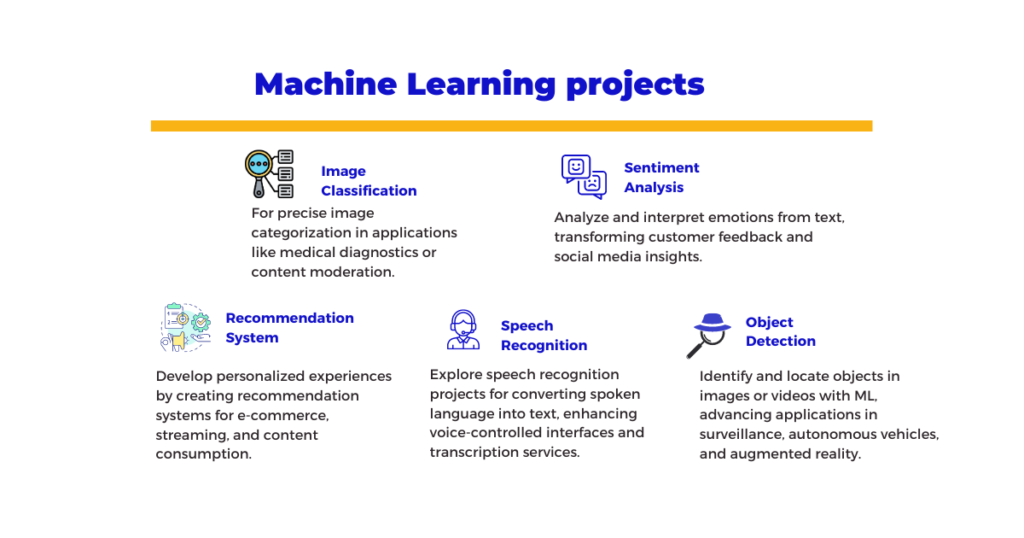
    Machine Learning projects for What is Machine Learning and How to Become an ML Engineer

    There are many machine learning projects that you can work on. Here are some ideas to get you started:

    1. Image classification: Build a model that can classify images into different categories. For example, you can build a model that can identify different types of flowers.
    2. Sentiment analysis: Develop a model that can analyze text and determine the sentiment behind it. For example, you can build a model that can determine whether a movie review is positive or negative.
    3. Recommendation system: Build a model that can recommend products or services to users based on their preferences. For example, you can build a model that can recommend movies to users based on their viewing history.
    4. Speech recognition: Develop a model that can recognize speech and convert it into text. For example, you can build a model that can transcribe audio recordings into text.
    5. Object detection: Build a model that can detect objects in images or videos. For example, you can build a model that can detect cars in traffic footage.

    You can find more ideas and projects on websites like GeeksforGeeksThe Clever Programmer, and DataCamp. Good luck with your projects! 😊

    How much do Machine Learning engineers earn?

    According to various salary aggregate sites, the average salary for a machine learning engineer in the United States ranges from $116,416 to $140,180 depending on experience, industry, and location. The average salary for a machine learning engineer in the United States is $161,555 per year. The salary range for a machine learning engineer is $44K-$170K.

    It’s important to note that the salary of a machine learning engineer can be influenced by many factors, such as experience, industry, and geographic location. According to Glassdoor, the experience breaks down as follows:

    • 0-1 years: $127,350
    • 1-3 years: $144,572
    • 4-6 years: $150,193
    • 7-9 years: $154,779
    • 10-14 years: $162,356
    • 15+ years: $170,603

    Machine learning engineers are in high demand in many industries, including healthcare, transportation, finance, agriculture, and cybersecurity. If you’re interested in pursuing a career in machine learning engineering, you can expect to make much more than the median salary in the United States.

    Conclusion

    We’ve embarked on a whirlwind journey through the fascinating world of machine learning, exploring its inner workings, potential applications, and real-world examples. Now, as we stand at the crossroads of the present and future, let’s reflect on the key takeaways and peer into the exciting possibilities that lie ahead.

    A Recap of Wonders: Machine learning has unveiled its magic, demonstrating its ability to learn, adapt, and evolve. We’ve witnessed how algorithms decipher patterns in data, generating predictions from spam filtering to image recognition. Different models, like neural networks and support vector machines, tackle diverse tasks, while supervised, unsupervised, and reinforcement learning offer unique learning paradigms.

    We’ve also acknowledged the strengths and limitations of ML, its dependence on data, and the challenges of bias and interpretability. Importantly, we’ve delved into the intricate development workflow, from data collection and cleaning to model training and deployment, highlighting the critical role of continuous learning and refinement.

    Open Questions Remain: Despite its advancements, several questions remain open for exploration. Can we achieve true artificial general intelligence, replicating the vast learning capabilities of the human brain? How do we mitigate biases and ensure the ethical development of ML systems? Can we make complex models more interpretable, fostering trust and transparency? These are crucial questions that will shape the future trajectory of this field.

    Predictions for an ML-Powered Future: As we gaze into the crystal ball, the future seems ablaze with the potential of machine learning. Imagine personalized healthcare with AI-powered diagnosis and treatment plans. Envision self-driving cars that navigate city streets with superhuman precision. Picture an education system tailored to individual learning styles, maximizing the potential of every student. These are just a few glimpses of the transformative world that awaits, where ML acts as a silent co-pilot, enhancing every aspect of our lives.

    The journey of machine learning has just begun. As we continue to delve deeper into its intricacies, harness its potential responsibly, and address its challenges, we stand poised to unlock a future brimming with possibilities. This is not just a technological revolution; it’s a chance to reshape our world for the better, one algorithm at a time.

    What exactly is machine learning?

    Machine learning is a subfield of artificial intelligence (AI) that focuses on the development of algorithms and statistical models that enable computer systems to improve their performance on a specific task through experience and learning from data, without being explicitly programmed. In other words, machine learning allows computers to learn patterns and make predictions or decisions based on data inputs.

    What are the real-world applications of machine learning?

    From recommending your next favorite movie to detecting fraudulent transactions, ML powers diverse applications across various industries. It helps doctors diagnose diseases more accurately, personalizes your online experience, and even fuels self-driving cars!

    What skills do I need to become a machine learning engineer?

    Strong mathematical and coding skills are essential, especially in areas like statistics, linear algebra, and programming languages like Python or R. Additionally, understanding data structures, algorithms, and software engineering principles is crucial. Bonus points for a grasp of business acumen to understand the practical needs of different applications.

    Do I need a degree to become an ML engineer?

    While a degree in computer science, data science, or mathematics can provide a strong foundation, it’s not a mandatory requirement. The field welcomes self-driven learners who acquire relevant skills through online courses, bootcamps, and hands-on projects. Dedication, passion for learning, and a knack for problem-solving are key ingredients for success.

    Where do I start my journey to becoming an ML engineer?

    Start by building your knowledge base through online courses, books, and tutorials. Focus on core concepts like training data, algorithms, and different types of learning. Next, get your hands dirty with personal projects, participating in online communities like Kaggle, and taking on freelance gigs. Finally, stay relevant by continuously learning new tools and keeping up with the ever-evolving landscape of ML.
  • AI in Healthcare: New Possibilities in Healthcare

    AI in Healthcare: New Possibilities in Healthcare

    AI in Healthcare

    What if AI could unlock medical mysteries that have baffled doctors for decades? Imagine an algorithm that can scan patient data and detect illness earlier than the sharpest human eye. Or intelligent robots working tirelessly to analyze cancer treatments, identify new cures, and save lives.

    The healthcare field has long been ripe for a revolution. An aging population is battling chronic disease. Rising costs that restrict patient access. Systemic inequalities impact the most vulnerable. The need for innovation has never been more urgent.

    Enter AI—artificial intelligence. Once the stuff of science fiction, this extraordinary technology is now very real, and very promising for the future of medicine. AI systems can process vast amounts of complex data, and find patterns and connections beyond human capability. Machines never tire and never get distracted. And with the wealth of health data available today, their potential to pinpoint cures and optimize treatments is astounding.

    For patients, this offers new hope in the fight against everything from cancer to diabetes, to Alzheimer’s. For doctors, AI promises to free up precious time, allowing greater focus on hands-on patient care. And for the medical system overall, the benefits of cost and efficiency could revolutionize the way we look at healthcare.

    So get ready for a thrilling ride into this brave new frontier! AI is the all-powerful engine, and better health for all is the destination. Discoveries once deemed impossible may soon be within our grasp. It’s not hyperbole to say AI can unleash medical superpowers beyond our wildest imagination!

    The Role of Technology and AI in Healthcare

    Remember the bulky desktop computers of the past that took up entire rooms? My, how times have changed! Today, advanced technology and AI are shrinking down to fit neatly into the pockets and palms of healthcare professionals everywhere. And they’re bringing some serious superpowers along for the ride!

    No longer are nurses and doctors tethered to chunky workstations – now lightweight mobile devices follow them from room to room, packed with AI assistants eager to lend a hand. At the tap of a finger, these sidekicks can pull up a patient’s full medical history, analyze test results, suggest treatments, and more. Healthcare pros have instant access to an arsenal of support tools they can wield as skillfully as Marvel’s Avengers!

    Cloud computing fuels these magical devices even further by enabling them to link into powerful off-site systems that find insights in oceans of data. Together, AI and the cloud form a kind of Voltron that allows healthcare workers to diagnose and cure like never before!

    Big shots are taking notice too. Tech titans like Microsoft’s Satya Nadella and Apple’s Tim Cook are placing their bets on healthcare, unleashing funding and expertise to usher in a new era. An era where short-staffed clinics can serve more people…where overworked professionals get relief…and where patients get the precise, personalized care they deserve.

    AI in Healthcare
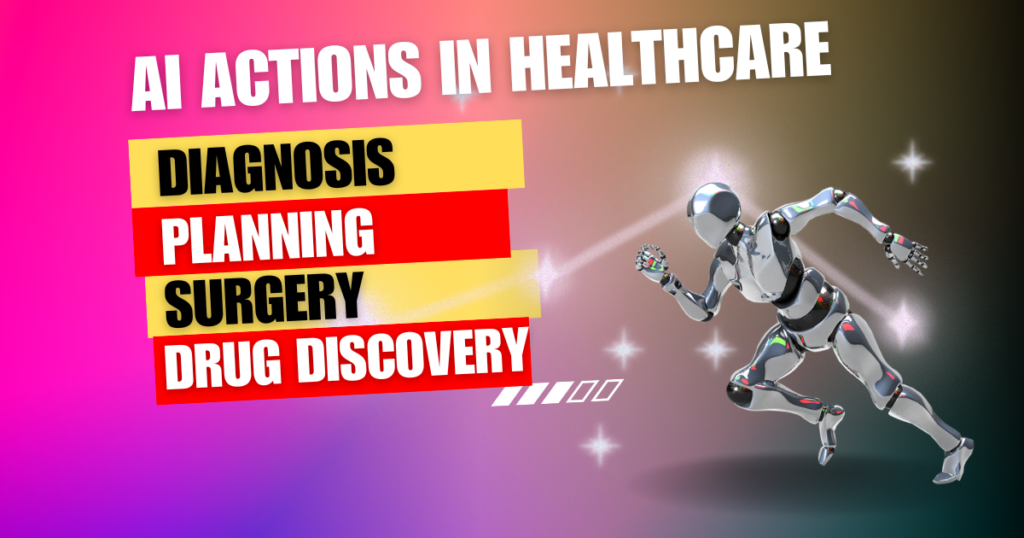
    1. Diagnosis: Unleashing AI’s Superpowers in Healthcare:
      Ever wished for a medical superhero with eyes as sharp as an eagle and a mind that rivals the genius of Einstein? Well, AI is here to make that dream a reality. Picture this: no more squinting at blurry X-rays or enduring weeks of nail-biting waits for lab results. AI swoops in like a digital eagle, analyzing medical images with superhuman precision. It spots tumors that might have gone incognito and detects fractures that were attempting a stealth move. But that’s not all—it’s like having a crystal ball for your health. AI predicts heart attacks before they even think about striking, spots the early whispers of Alzheimer’s, and can identify rare diseases faster than flipping through a medical textbook. Imagine living in a world where a simple scan unveils your health future with uncanny accuracy, allowing doctors to intervene before symptoms even make an entrance. That’s the power of AI, turning healthcare into a proactive journey.
    2. Treatment Planning: Your Health, Your Way – Thanks to AI:
      Goodbye, one-size-fits-all medicine; hello, tailor-made treatment plans! AI algorithms are like personal stylists for your health, crafting therapies as unique as your fingerprint. They dive into your genetic makeup, sift through your medical history, and even take note of your lifestyle choices to create treatments that fit you like a glove. No more crossing your fingers with generic regimens or playing medication roulette. AI brings precision to the party, ensuring the right treatment lands on the right target at the right time. It’s like having a health plan customized just for you, maximizing your chances of bouncing back stronger than ever.
    3. Surgery: AI-Assisted Magic in the Operating Room:
      Move over, traditional surgery; it’s time for AI-assisted magic! Picture this: nimble robotic arms guided by the keen eye of AI, performing surgeries with surgical precision. Forget days of recovery – these minimally invasive procedures are like disappearing acts, leaving you wondering if you ever underwent surgery at all. Whether it’s delicate brain surgery or complex joint replacements, AI is stealing the spotlight in the operating room, making the seemingly impossible possible. Surgeons, meet your AI co-pilots; they’ve got steady hands and scalpel smarts that redefine the future of surgical excellence.
    4. Drug Discovery: AI – The Rocket Fuel for Medical Breakthroughs:
      Tired of waiting decades for miracle cures? Enter AI, the rocket ship propelling us into a new era of drug discovery. Say farewell to years of laborious lab work and the sluggish pace of drug development. AI sifts through mountains of data, identifying potential drug candidates and predicting their effectiveness at warp speed. It’s not just stopping there – AI can even design medications tailored to your unique genetic code, bringing the concept of personalized medicine to life. Brace yourselves; the future of medicine is arriving faster than you can say “breakthrough,” and AI is at the helm, shaping it one molecule at a time.

    5. Mental Health: AI, Your Compassionate Companion:
      Mental health struggles can often feel like a lonely journey, but fear not – AI is here to be your steadfast companion. Picture this: chatbots with the wisdom of a therapist and virtual assistants offering personalized mindfulness exercises. AI is transforming the mental health landscape, providing a friend who listens without judgment, offering evidence-based coping mechanisms, and delivering 24/7 support for anxiety, depression, and more. Imagine having a compassionate, non-judgmental friend right in your pocket or on your bedside table, ready to lend a helping hand whenever you need it. The future of mental health support is here, and AI is extending a friendly hand to guide you through it.

    Benefits of AI in Healthcare

    In the realm of healthcare, Artificial Intelligence (AI) emerges as a transformative force, yielding an array of advantages. Its influence extends to refining operational efficiency, user interactions, diagnostic processes, and overall safety within healthcare systems. Let’s delve into the multifaceted benefits that AI brings to the healthcare domain:

    1. Augmented Operational Efficiency: Healthcare entities leverage AI to optimize a spectrum of operations, spanning from mundane back-office tasks to the intricacies of patient care. Through the integration of AI and automation, the tedious aspects of daily tasks are alleviated, granting personnel more time for direct patient engagement and face-to-face interactions.
    2. Mitigated Errors: The discerning capabilities of AI contribute significantly to error reduction in healthcare. By scrutinizing extensive datasets, AI can pinpoint patterns and anomalies, offering a proactive approach to identifying errors, such as miscalculations in patient self-administration of medications.
    3. Elevated Patient Care Standards: AI plays a pivotal role in enhancing patient care by tailoring treatment plans to individual needs and forecasting patient survival rates. This personalized approach signifies a paradigm shift towards more effective and patient-centric healthcare delivery.
    4. Streamlined Communication Channels: The integration of AI facilitates the automation of administrative and clinical workflows. This not only enriches the overall patient experience but also enhances the day-to-day functionality of healthcare facilities, streamlining communication and coordination.
    5. Facilitation of Novel Discoveries: AI empowers researchers with the ability to unravel new treatment modalities and potential cures for diseases. Through the meticulous analysis of voluminous data sets, AI identifies intricate patterns that may elude human perception, propelling the healthcare sector towards groundbreaking discoveries.

    In conclusion, the integration of AI into healthcare not only marks a technological evolution but also signifies a redefinition of standards, promising a future where efficiency, precision, and patient-centricity converge for the betterment of healthcare services.

    How AI is Diagnosing Diseases Faster & Predicting Outbreaks

    Remember that scene in Star Trek where Dr. McCoy whips out his tricorder and instantly diagnoses Klingon heartburn? While we haven’t quite reached tricorder territory, AI in healthcare is rapidly turning science fiction into reality, and the implications are nothing short of groundbreaking.

    • Diagnosing Diseases at Superhuman Speed: Imagine AI algorithms analyzing medical scans with eagle-eyed precision, spotting tumors invisible to the human eye, or identifying rare diseases in a fraction of the time it takes now. This isn’t a fantasy; it’s happening! AI-powered tools are already aiding doctors in early and accurate diagnoses, potentially saving lives and improving patient outcomes.
    • Predicting Outbreaks Before They Happen: Remember the scramble during the pandemic? AI can help us stay ahead of the curve by analyzing vast datasets of disease patterns, travel information, and environmental factors. This allows for early warnings of potential outbreaks, giving us precious time to prepare for and mitigate their impact. Think of it as having a real-life, disease-fighting crystal ball!
    • Personalized Drugs: One-size-fits-all medicine is slowly becoming a thing of the past. With AI analyzing a patient’s unique genetic makeup and medical history, we’re on the cusp of creating personalized drugs. These drugs would be specifically designed to target the root cause of a disease in an individual, potentially leading to more effective and less harmful treatments.

    But is it all sunshine and rainbows? Like any powerful technology, AI in healthcare comes with its own set of challenges. Data privacy, ethical considerations, and the potential for bias in algorithms are all concerns that need to be addressed. However, the potential benefits far outweigh the risks, and with careful development and implementation, AI has the power to revolutionize healthcare for the better.

    What are some challenges of using AI in Healthcare?

    While the promise of AI-powered healthcare glitters like a futuristic utopia, it’s important to remember that no revolution is without its roadblocks. As we embrace this technological marvel, we must also confront the potential pitfalls and ethical dilemmas that lurk in the shadows.

    • Data Privacy: Your Scans, Your Story, Whose Hands?: AI thrives on data, and healthcare provides a treasure trove of sensitive information. From blood test results to genetic blueprints, our medical records paint an intimate portrait of our lives. Ensuring the privacy and security of this data is paramount. We must establish robust safeguards against breaches, empower patients with control over their data, and foster transparency about how their information is used.
    • Transparency and Trust: Black Box Blues?: AI algorithms can be powerful, but they can also be opaque. How do we trust a machine that spits out diagnoses with little explanation? Without transparency in how these algorithms work, mistrust and bias can fester. We need developers to shed light on their algorithms, explain their decision-making processes, and involve medical professionals in their development to ensure they align with human values and ethical principles.
    • Job Displacement: Robots Stealing Stethoscopes?: Automation is often a double-edged sword. While AI promises to revolutionize healthcare, it might also lead to job displacement in certain sectors. We must acknowledge this potential challenge and prepare for it. Upskilling and reskilling programs for healthcare workers, coupled with ethical guidelines for responsible AI implementation, can help ensure a smooth transition and protect livelihoods.
    • Bias in the Code: Algorithms with Unconscious Prejudice?: AI algorithms are only as good as the data they’re trained on. Unfortunately, biases and prejudices can sneak into datasets, leading to discriminatory outcomes in healthcare. Imagine an AI recommending fewer preventative treatments for patients from marginalized communities. We must combat algorithmic bias by diversifying training datasets, fostering inclusive development teams, and constantly testing and monitoring AI systems for fairness and equity.

    These challenges are not insurmountable, but they demand serious consideration and proactive solutions. Responsible development, ongoing public discourse, and ethical frameworks are crucial to harnessing the power of AI in healthcare for the benefit of all. The future of medicine may be powered by algorithms, but it must be guided by human values, empathy, and a commitment to ethical advancement.

    Read Also: Disruptive Innovation in Healthcare Technology

    The Future of AI in Healthcare: Where Humans and Machines Co-Pilot Wellness

    Close your eyes. Imagine a world where medical diagnoses are instantaneous, delivered by AI doctors analyzing your genome in real-time. Picture personalized, AI-designed medicines, crafted to your unique biology, targeting diseases with pinpoint accuracy. Envision AI-powered robots, nimble surgeons performing complex procedures with microscopic precision, leaving you with barely a whisper of a scar. Welcome to the future of healthcare, a symphony composed by human ingenuity and conducted by the powerful algorithms of AI.

    In this future, AI won’t replace doctors, it will be their superhuman partner. Imagine AI assistants deciphering complex medical literature, suggesting diagnoses, and even proposing treatment plans, all while allowing doctors to focus on the human touch, the empathy, and the nuanced decision-making that only they can provide. This collaboration between humans and machines will be the engine of medical progress, pushing the boundaries of what’s possible.

    Get ready for AI-powered nanobots patrolling your bloodstream, hunting down diseased cells before they even have a chance to multiply. Witness AI wearables predicting your health emergencies before they happen, giving you the precious gift of prevention. And prepare to be awestruck by AI therapists building deep connections with patients, offering personalized therapy regimens tailored to their specific needs and emotional landscapes.

    The future of healthcare with AI is not just about efficiency and precision; it’s about accessibility and human connection. Imagine AI-powered medical drones delivering life-saving supplies to remote villages, or virtual clinics connecting patients in war-torn regions to specialists across the globe. This is a future where everyone, regardless of location or income, has access to the best possible healthcare.

    And what about the ethical concerns? Don’t worry, the future of AI in healthcare is being built on a foundation of robust ethical frameworks and public dialogues. Transparency will be the keyword, with algorithms explainable and biases actively monitored and mitigated. Data privacy will be paramount, with patients empowered to control their information and AI held accountable for its use.

    So, are you ready to step into this future? The future where AI isn’t just a science fiction trope, but a trusted partner in our journey towards optimal health? Buckle up, humanity, because the future of healthcare is waiting, and it’s powered by the extraordinary potential of AI. Let’s embrace this technological revolution with open minds and open hearts, knowing that together, humans and machines can create a healthier, happier, and more hopeful tomorrow.

    What are some prerequisites for the AI in Healthcare Specialization?

    The AI in Healthcare Specialization provided by Stanford University through Coursera comprises a series of five courses. These modules delve into diverse subjects, including recognizing challenges faced by healthcare providers that can be addressed through machine learning, assessing the impact of AI on patient care safety, quality, and research, and applying the fundamental elements of AI to foster innovation and comprehension of emerging technologies. Tailored for both healthcare professionals and computer science experts, these courses aim to foster collaboration between these two disciplines.

    While there are no prerequisites for enrollment in this specialization, a foundational grasp of statistics, probability, and programming is recommended. For those eager to explore the realm of AI in healthcare further, consider the following resources:

    1. Coursera’s article on AI in Health Care: Applications, Benefits, and Examples offers a comprehensive overview of how AI is reshaping healthcare, present and future. The article covers types of AI implementations, applications in healthcare, benefits for patients and providers, and potential career opportunities in the field.
    2. IBM’s blog post on The benefits of AI in healthcare provides insights into the diverse applications of AI in healthcare, from answering patient queries to assisting in surgeries, developing new pharmaceuticals, and enhancing overall efficiency and communication.
    3. McKinsey & Company’s report on Transforming healthcare with AI critically evaluates the impact of AI on healthcare across Europe and beyond. This assessment is based on proprietary research and analyses conducted by EIT Health and McKinsey & Company.

    Conclusion: A Brave New World of Healthcare – Powered by AI

    We’ve caught a glimpse of the future, and it’s nothing short of amazing. AI isn’t just stepping into the role of a doctor – it’s rewriting the entire medical story. From lightning-fast diagnoses to personalized treatment plans, from robots with scalpel finesse to AI companions guiding us through mental health struggles, the potential of AI in healthcare is nothing short of revolutionary.

    Yet, it’s not all sunshine and algorithms. Navigating the ethical challenges of data privacy, algorithmic bias, and potential job displacement requires careful consideration. Responsible development, transparency, and a commitment to human values serve as our guiding stars on this exciting journey.

    The future of healthcare with AI isn’t a predetermined script – it’s a blank canvas waiting for our collective brushstrokes. Let’s paint a picture where technology enhances human compassion, where precision diagnoses lead to personalized care, and where everyone, regardless of circumstance, has access to top-notch health services.

    So, will AI be the hero in our healthcare story? That’s a decision for us to make. Let’s engage in thoughtful discussions, demand ethical development, and actively shape a future where humans and machines co-pilot our well-being. Remember, the power to revolutionize healthcare doesn’t just lie in algorithms – it lies in our choices, our voices, and our unwavering commitment to a healthier future for all.

    Ready to be part of this AI-powered healthcare revolution? Dive deeper into specific applications, explore the voices of those already benefiting from these advancements, and raise your voice to ensure ethical development. The future of healthcare is waiting, and it’s time to take the reins, together.

  • Innovation Management Tools 2024: The Future of Business is Here

    Innovation Management Tools 2024: The Future of Business is Here

    Discover the top 5 innovation management tools of 2024 and learn how they can help your business stay ahead of the curve. Choosing the absolute “best” Innovation Management Tool is tricky, as it depends on your specific needs and priorities.

    In this article, we will review the top 5 innovation management tools of 2024: Viima, Brightidea, IdeaScale, HYPE, and MindMeister. We will provide a comprehensive analysis of each tool, including its features, benefits, and limitations. Our goal is to help you make an informed decision about which tool is right for your business.

    Innovation management tools are becoming increasingly important in today’s business landscape. With the rapid pace of technological advancements and the ever-changing economic environment, businesses need to stay ahead of the curve to remain competitive.

    Innovation Management Tools

    How Innovation Management Tools Help You

    Innovation management tools can help businesses achieve this by streamlining their innovation processes, facilitating collaboration, and enabling effective communication across teams and departments.

    Innovation management tools can help businesses to:

    • Gain a competitive advantage by developing unique products and services that set them apart from competitors.
    • Meet customer demands by better understanding and responding to customer needs through ongoing innovation.
    • Anticipate and respond to market disruptions, industry trends, and emerging challenges.
    • Improve efficiency, productivity, and decision-making across the organization.

    Innovation management tools are designed to help businesses of all sizes and industries to innovate more effectively. By providing a structured approach to innovation.

    Viima

    Innovation Management Tools- Viima

    A variety of features and advantages are provided by the innovation management software Viima to assist companies in growing and streamlining their innovation operations. Viima is an innovation management software that offers a range of features and benefits to help businesses streamline their innovation processes and drive growth. Here are some of the key features and benefits of Viima:

    Ideation: Viima makes it easy to collect ideas from employees, customers, and other stakeholders. With Viima, you can gather ideas from anywhere and manage them all in one place. Viima’s ideation tools allow you to engage different stakeholder groups, for different kinds of innovation, and with different processes. Additionally, you may alter your ideation process to fit your goals as a business by using workflows and templates.

    Workflow Management: Viima helps you manage your innovation projects from start to finish. With Viima’s workflow management tools, you can track the progress of your projects, assign tasks to team members, and monitor the status of each task. To save time and improve the efficiency of your innovation processes, you can also build up automated workflows.

    Reporting Tools: Viima provides powerful reporting tools that help you track the success of your innovation projects. With Viima’s reporting tools, you can generate custom reports that show the progress of your projects, the ROI of your innovation initiatives, and other key metrics. These reports can also be used to pinpoint problem areas and inform data-driven choices.

    Viima is highly visual and engaging, with a user-friendly interface that is easy to use and navigate. It supports tens of thousands of users and hundreds of concurrent processes, and it easily adapts to almost any innovation process or use case. Viima offers a range of integrations with other business tools such as Slack, Salesforce, and Microsoft Teams, making it easy to incorporate into your existing workflows.

    BrightIdea

    Innovation Management Tool-BrightIdea

    Certainly! Brightidea is a top-rated innovation management software that offers a range of features and benefits to help businesses streamline their innovation processes and drive growth. Here are some of the key features and benefits of Brightidea:

    1. Ideation: Brightidea makes it easy to collect ideas from employees, customers, and other stakeholders. With Brightidea, you can gather ideas from anywhere and manage them all in one place. Brightidea’s ideation tools allow you to engage different stakeholder groups, for different kinds of innovation, and with different processes. You can also customize your ideation process with templates and workflows that suit your business needs.
    2. Workflow Management: Brightidea helps you manage your innovation projects from start to finish. With Brightidea’s workflow management tools, you can track the progress of your projects, assign tasks to team members, and monitor the status of each task. You can also set up automated workflows to streamline your innovation processes and save time.

    3. Reporting Tools: Brightidea provides powerful reporting tools that help you track the success of your innovation projects. With Brightidea’s reporting tools, you can generate custom reports that show the progress of your projects, the ROI of your innovation initiatives, and other key metrics. You can also use these reports to identify areas for improvement and make data-driven decisions.

    Brightidea is highly visual and engaging, with a user-friendly interface that is easy to use and navigate. It supports tens of thousands of users and hundreds of concurrent processes, and it easily adapts to almost any innovation process or use case. Brightidea is simple to integrate into your current processes because it has a number of connectors with various business applications, like Slack, Salesforce, and Microsoft Teams.

    IdeaScale

    Innovation Management Tool-IdeaScale

    IdeaScale is a cloud-based innovation management software that helps organizations to collect, prioritize, and manage ideas from employees, customers, and other stakeholders. IdeaScale’s crowdsourcing feature allows organizations to harness the collective intelligence of a large community to solve problems, generate new ideas, and drive innovation.

    IdeaScale’s idea prioritization feature enables organizations to evaluate and rank ideas based on their potential impact, feasibility, and alignment with business goals. IdeaScale’s feedback management feature allows organizations to gather feedback from stakeholders and use it to refine ideas and improve innovation processes.

    IdeaScale’s ideation tools are highly customizable, allowing organizations to engage different stakeholder groups, for different kinds of innovation, and with different processes. IdeaScale’s workflow management tools help organizations to manage innovation projects from start to finish by tracking progress, assigning tasks, and monitoring the status of each task.

    IdeaScale’s reporting tools provide powerful insights into the success of innovation projects, enabling organizations to make data-driven decisions and identify areas for improvement.

    IdeaScale is highly visual and engaging, with a user-friendly interface that is easy to use and navigate. It adapts effortlessly to virtually any innovation process or use case, and can support hundreds of simultaneous processes and tens of thousands of users.IdeaScale is simple to integrate into current workflows and procedures because it provides a variety of interfaces with different business tools.

    HYPE

    Innovation Management Tool-HYPE

    HYPE is an innovation management software that offers a range of features and benefits to help businesses streamline their innovation processes and drive growth. Here are some of the key features and benefits of HYPE:

    Portfolio Management: HYPE’s portfolio management tools allow you to manage your innovation projects from start to finish. With HYPE, you can track the progress of your projects, assign tasks to team members, and monitor the status of each task. You can also set up automated workflows to streamline your innovation processes and save time.
    Innovation Metrics: HYPE provides powerful reporting tools that help you track the success of your innovation projects. With HYPE’s reporting tools, you can generate custom reports that show the progress of your projects, the ROI of your innovation initiatives, and other key metrics. You can also use these reports to identify areas for improvement and make data-driven decisions.

    Gamification: HYPE’s gamification features make innovation fun and engaging. With HYPE, you can create challenges and competitions to encourage participation and motivate your team. You can also use HYPE’s gamification features to reward your team for their contributions and achievements.

    HYPE is highly visual and engaging, with a user-friendly interface that is easy to use and navigate. It adapts effortlessly to virtually any innovation process or use case, and can support hundreds of simultaneous processes and tens of thousands of users. HYPE is a great choice for businesses looking to streamline their innovation processes and drive growth.

    MindMeister

    Innovation Management Tool-MindMeister

    MindMeister is an innovative mind mapping and project management software that offers a range of features and benefits to help businesses streamline their innovation processes and drive growth. Here are some of the key features and benefits of MindMeister:

    Mind Mapping: MindMeister’s mind mapping tools allow you to visualize your ideas and organize your thoughts in a clear and concise manner. With MindMeister, you can create mind maps that help you brainstorm new ideas, plan projects, and collaborate with your team. MindMeister’s mind maps are highly customizable, allowing you to add images, videos, and other multimedia elements to your maps.

    Brainstorming: MindMeister provides a powerful platform for online brainstorming. With MindMeister, you can connect with your team members in real-time and collaborate on ideas from anywhere in the world. MindMeister’s brainstorming tools are designed to encourage creativity and innovation, making it easy to generate new ideas and solutions.

    Project Management: MindMeister’s project management tools allow you to manage your innovation projects from start to finish. With MindMeister, you can track the progress of your projects, assign tasks to team members, and monitor the status of each task. You can also set up automated workflows to streamline your innovation processes and save time.

    MindMeister is highly visual and engaging, with a user-friendly interface that is easy to use and navigate. It adapts effortlessly to virtually any innovation process or use case and can support hundreds of simultaneous processes and tens of thousands of users. MindMeister is a great choice for businesses looking to streamline their innovation processes and drive growth.

    Read Also: 5 AI Assistant Apps for Android : Simplify Your Life

    How Innovation Tools Spark Rekindled Brilliance in Businesses

    Think of your company’s innovation like a flickering candle in a cold wind. It once blazed with bright ideas, but somewhere along the way, the flame dipped, fueled by routine instead of inspiration. Fear not, dear reader, for there’s a secret weapon in the arsenal – innovation management tools. These aren’t mere software tweaks; they’re bellows to fan the embers of ingenuity back into a roaring fire.

    Here’s how these tools work their magic:

    1. Chaos to Creativity: Imagine brainstorming sessions on steroids. Tools like Viima unleash a digital storm of ideas, from collaborative mind maps to fun challenges.
    2. Sifting Gold from Gravel: Innovation tools like Brightidea offer built-in filters, like feasibility assessments and market research, to separate the sparkling gems from the dull pebbles.
    3. Turning Dreams into Reality: Tools like IdeaScale provide robust project management features, letting you map the journey from spark to success.
    4. Building an Innovation Army: Tools like HYPE gamify the process, turning idea generation into a thrilling competition. Open innovation platforms break down internal walls.
    5. Mind Mapping the Future: Tools like MindMeister turn brainstorming into a vibrant dance of visual connections. Ideas sprout like branches on a tree, their relationships clear and intuitive.
    6. Setting Clear Goals and Objectives: By setting clear goals and objectives for innovation, these tools give everyone a purpose, a beacon to guide their efforts.
    7. Performance Management Systems: Fueled by insights from the tools, reward creativity and tie individual talents to the company’s larger vision.
    8. Catalysts for Change: These tools are more than just software; they’re catalysts for change, the bellows that will rekindle the flames of creativity.
    9. Guiding Your Business Back to the Forefront of Innovation: If your company’s innovation needs a spark, don’t hesitate to reach for these powerful tools.

    So, dear reader, if your company’s innovation needs a spark, don’t hesitate to reach for these powerful tools. They’re more than just software; they’re catalysts for change, the bellows that will rekindle the flames of creativity and guide your business back to the forefront of innovation. Remember, it’s not about finding a new light; it’s about remembering how to shine.

    Conclusion:

    Innovation management tools are increasingly important in today’s business environment, and the top 5 innovation management tools of 2024 include Viima, Brightidea, IdeaScale, HYPE, and MindMeister. These tools can help businesses of all sizes and industries innovate more effectively by providing a structured approach to manage innovation, streamline innovation processes, facilitate collaboration and enable effective communication across teams and departments.

    Our analysis of each tool has shown that each has its own unique features, benefits and limitations. For example, Viima offers a highly visual and easy-to-use platform while still providing enterprise-grade flexibility and security. Brightidea offers a range of features and benefits to help businesses streamline their innovation processes and drive growth. IdeaScale provides a comprehensive set of idea management tools, including ideation, collaboration and evaluation. HYPE offers a range of innovation management tools, including idea management, portfolio management and roadmapping. MindMeister is a powerful mind mapping tool that can help businesses generate new ideas and organize them effectively.

    If you are looking to implement innovation management tools in your business, our recommendations are as follows:

    • Identify your specific needs and priorities: Choosing the right innovation management tool depends on your specific needs and priorities. Consider what you want to achieve with the tool, what features are most important to you, and what your budget is.
    • Explore your options: There are many innovation management tools available, each with their own unique features and benefits. Explore your options thoroughly to find the tool that best suits your needs.
    • Consider ease of use: Innovation management tools should be easy to use and easy to navigate. Look for tools that offer a user-friendly interface and can be easily customized to your specific needs.
    • Evaluate security and scalability: Innovation management tools should be secure and scalable, especially if you are a larger organization. Look for tools that offer enterprise-grade security and can support hundreds of concurrent processes and tens of thousands of users.
    • Choose a tool that fits your budget: Innovation management tools can vary widely in price. Choose a tool that fits your budget but also offers the features and benefits you need to achieve your innovation goals.

    In short, innovation management tools can help businesses of all sizes and industries innovate more effectively by providing a structured approach to innovation management, streamlining innovation processes, facilitating collaboration, and enabling effective communication across teams and departments. By identifying your specific needs and priorities, exploring your options, considering ease of use, evaluating security and scalability, and choosing a tool that fits your budget, you can find the right innovation management tool for your business.

  • New Innovations in Agriculture | Tech Innovation Pro

    New Innovations in Agriculture | Tech Innovation Pro

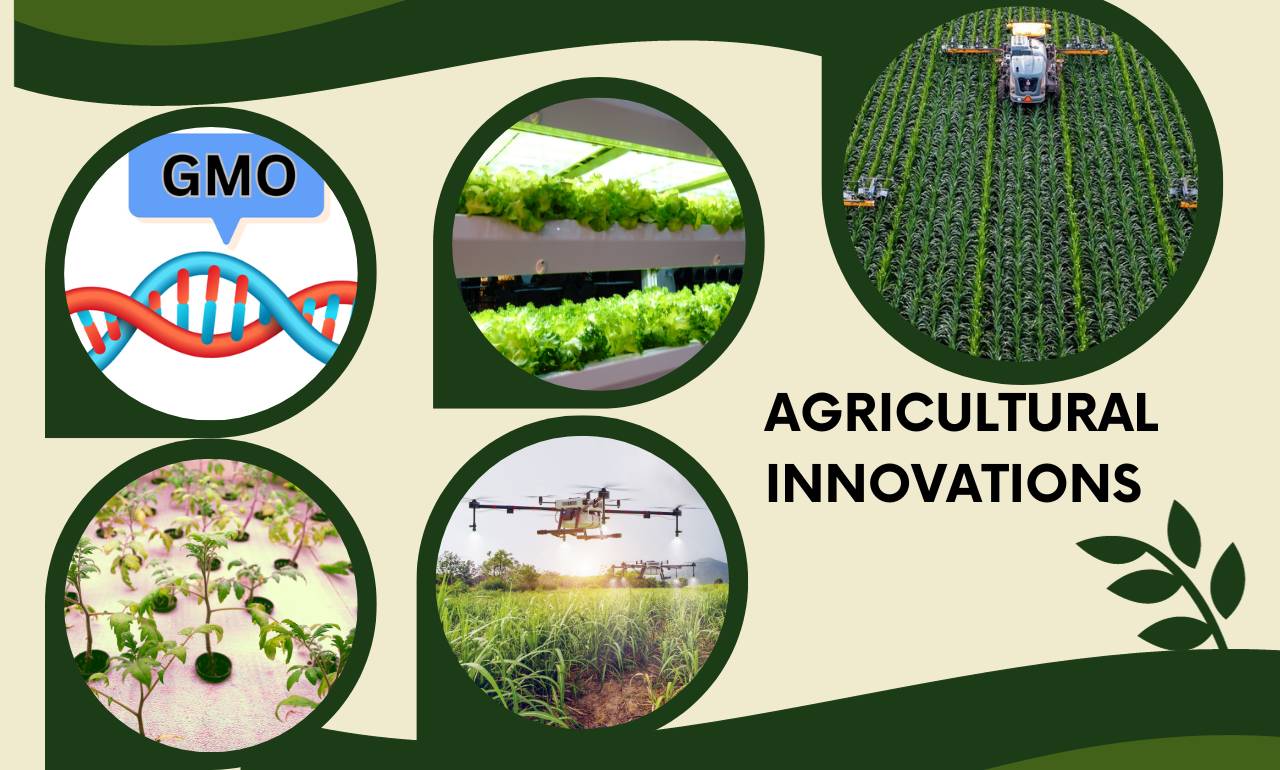
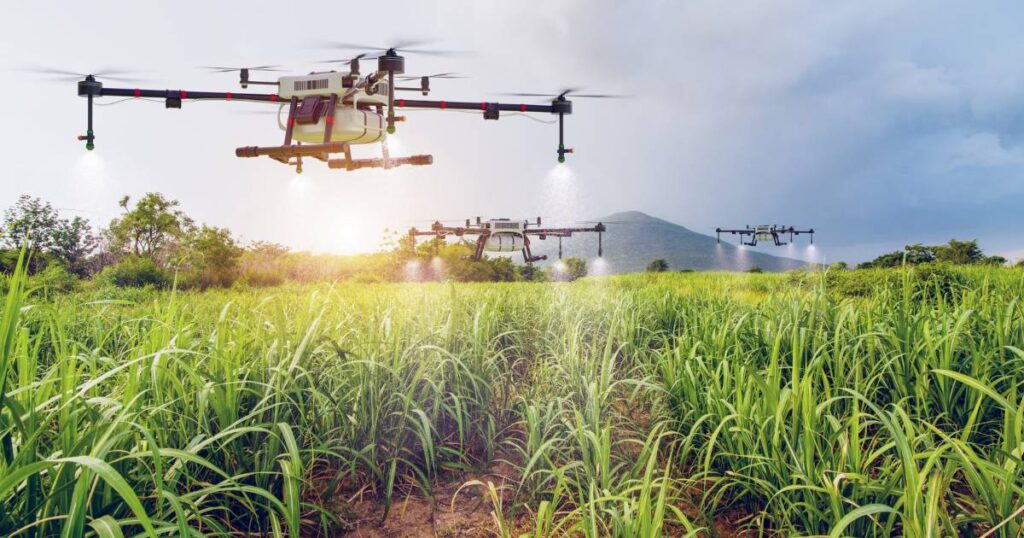
    Innovations in agriculture like precision culture, GMOs, vertical farming, aquaponics, and agricultural drones are reshaping farms, promising unprecedented efficiency, sustainability, and productivity. Imagine drones surveying crops, robots nurturing vertical gardens, and AI algorithms safeguarding harvests. These aren’t futuristic visions, but tangible tools transforming the way we feed the world.

    With fewer resources and less environmental impact, these innovations have the potential to nourish both bodies and the planet. The challenges are real, but the rewards are transformative. Let’s embrace this exciting journey—the journey of innovations in agriculture.

    Precision Agriculture: Optimising Resource Use

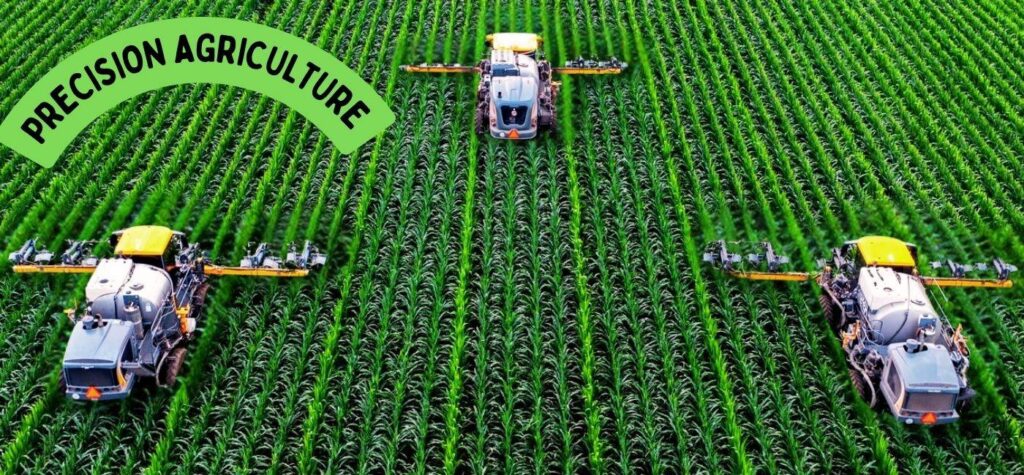
    Precision agriculture, also known as smart farming/ satellite farming, encompasses a suite of technologies that enable farmers to make data-driven decisions to optimise resource use and maximise crop yields. It’s a farming management concept/ science  that uses technology to improve crop yields and management decisions.

    Precision Agriculture-Innovations in Agriculture

    Critical management decisions hinge on the data points furnished by precision agriculture, with a profound impact on various facets of farmland and agricultural output, notably:

    1. Resource use efficiency
    2. Sustainability
    3. Profitability
    4. Productivity
    5. Quality

    This avant-garde agricultural technology leverages big data to empower management decisions, granting farmers the capability to regulate variables affecting crop yields, such as moisture levels, soil conditions, and microclimates, ultimately maximising output.

    Its implementation relies on cutting-edge technologies like remote sensing systems, drones, robotics, and automation, fostering improved crop health and the optimal utilization of agricultural resources, resulting in heightened productivity.

    According to Grand View Research, the global precision farming market is anticipated to reach $16.35 billion by 2028, displaying a robust Compound Annual Growth Rate (CAGR) of 13.1%. The organisation posits that increasing governmental backing and rising demand for efficient crop health monitoring will be instrumental in propelling market growth. Now, we will talk about GMOs.

    Genetically Modified Crops: One of the Pioneering Innovations in Agriculture

    Genetically modified crops (GMOs), also known as genetically engineered (GE) crops, have emerged as a powerful tool for enhancing agricultural productivity and addressing global food security challenges.

    Innovations in Agriculture | Tech Innovatrion Pro

    An animal, plant, or microorganism that has had its DNA altered by genetic engineering is known as a genetically modified organism (GMO).By introducing specific genetic traits into plants, scientists have developed crops with remarkable resilience to pests, diseases, and harsh environmental conditions, leading to reduced crop losses and increased yields.

    Additionally, GMOs have been instrumental in improving the nutritional value of crops, addressing micronutrient deficiencies in vulnerable populations, and reducing the allergenicity of certain foods.

    The Power of Genetic Engineering

    Genetic engineering provides a powerful tool that enhances agricultural productivity. By modifying the genetic makeup of crops, scientists can optimise their characteristics and improve their ability to thrive in various environmental conditions. This technology has the potential to revolutionise farming practises and lead to more sustainable and resilient food production systems.

    Enhancing Pest and Disease Resistance

    One of the most significant contributions of GMOs lies in their ability to confer resistance to pests and diseases, which are major causes of crop losses worldwide. By introducing genes from other organisms or synthesizing novel genes, scientists have developed crops that are naturally resistant to specific pests and diseases.

    For instance, Bt cotton, engineered with a gene from the bacterium Bacillus thuringiensis, produces a protein that is toxic to certain insects, reducing reliance on chemical pesticides and promoting sustainable pest management practices.

    Similarly, Golden Rice, fortified with beta-carotene, a precursor to vitamin A, has been developed to address vitamin A deficiency, a leading cause of blindness in children in developing countries.

    Improving Nutritional Value

    GMOs have also played a crucial role in enhancing the nutritional value of crops, particularly targeting micronutrient deficiencies that affect millions of people worldwide. Golden Rice, as mentioned earlier, is a prime example of this application.

    Additionally, scientists have developed iron-rich rice, iron-biofortified beans, and high-protein maize, addressing iron deficiency anemia and protein malnutrition, respectively. These nutrient-enriched crops have the potential to significantly improve the health and well-being of populations in developing countries.

    Reducing Allergenicity

    GMOs have also been used to reduce the allergenicity of certain foods, making them more accessible to individuals with allergies. For instance, soybeans have been modified to reduce the levels of glycinin and beta-conglycinin, the two major allergenic proteins in soybeans, enabling individuals with soy allergies to enjoy soy-based products.

    Additionally, researchers are working on developing hypoallergenic peanuts, which could revolutionize the lives of peanut-allergic individuals.

    Addressing Public Concerns and Ensuring Safety

    Despite the undeniable benefits of GMOs, their development and use have been accompanied by public concerns and debates surrounding potential risks to human health and the environment. These concerns have primarily focused on the potential for unintended effects on non-target organisms, the potential for gene transfer to wild plants, and the potential impact on biodiversity.

    To address these concerns, comprehensive regulatory frameworks have been established in many countries to ensure the safety of GMOs.

    These frameworks mandate rigorous scientific assessments of GMOs prior to their commercialization, evaluating potential risks and ensuring that they meet safety standards for human health and the environment. Additionally, ongoing research continues to address potential long-term effects and refine risk assessment methodologies.

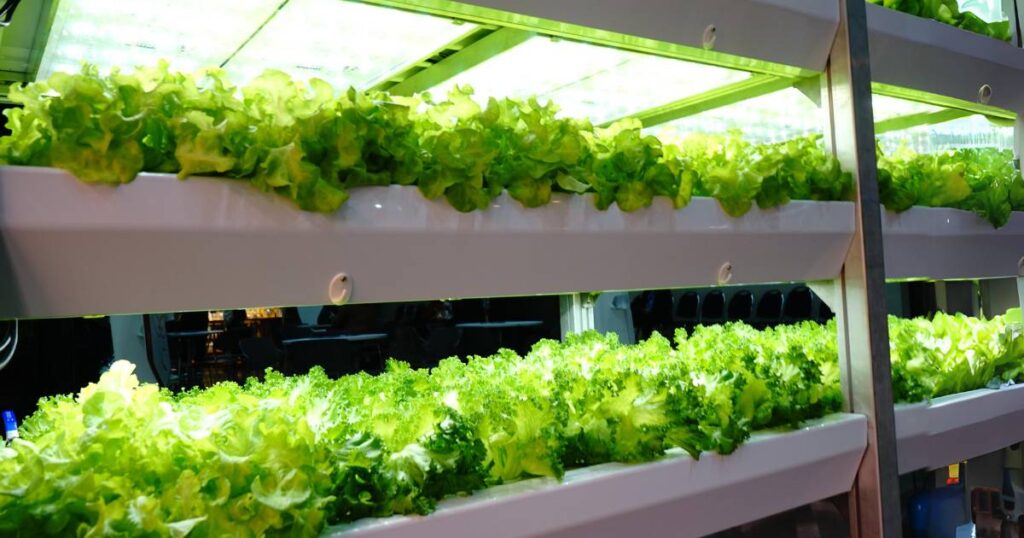
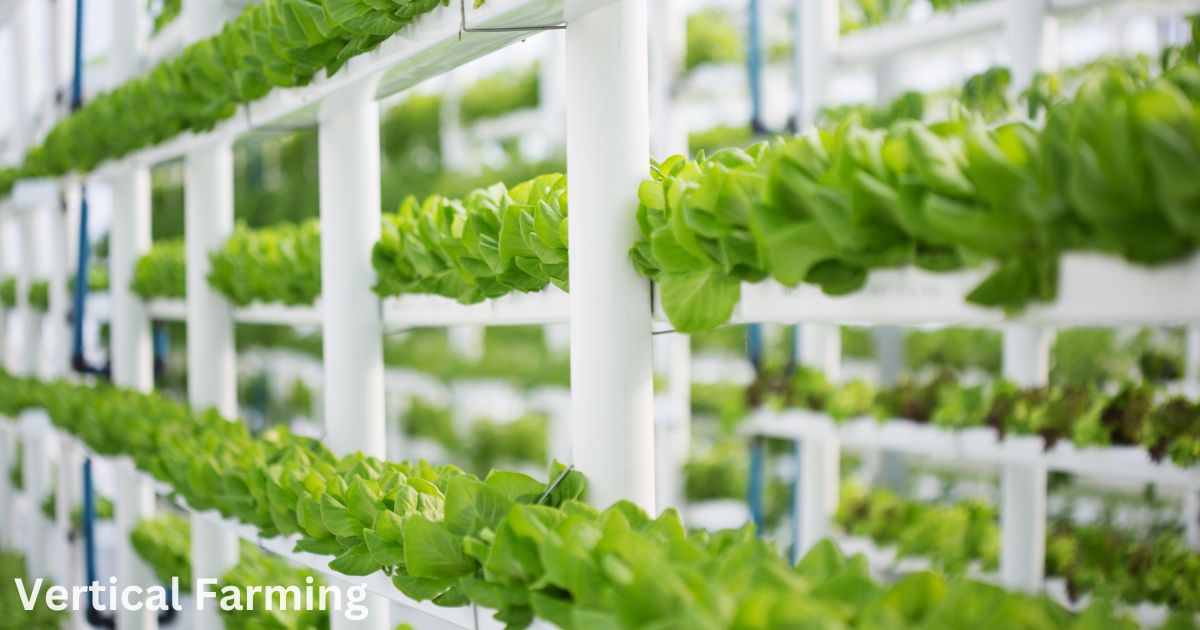
    Vertical Farming: Cultivating Crops in Controlled Environments

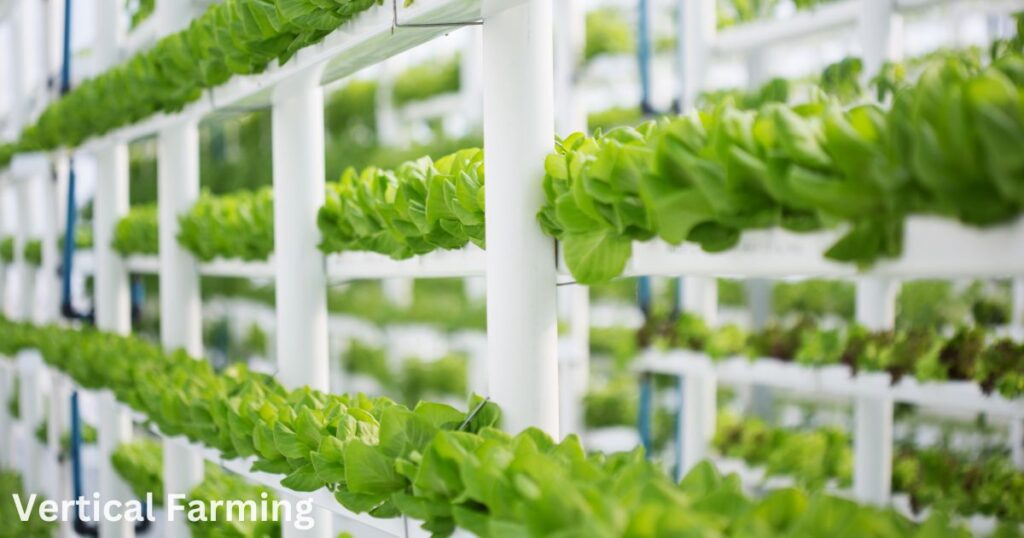
    vertical farming- innovations in argiculture

    As the global population continues to grow and land availability becomes increasingly limited, traditional farming methods face challenges in meeting the rising demand for food. Vertical farming has emerged as a promising solution, offering a transformative approach to agriculture that utilizes vertically stacked layers or indoor spaces to cultivate crops. This innovative technique has gained traction as a sustainable and efficient method for urban agriculture, year-round production, and the cultivation of specialty crops.

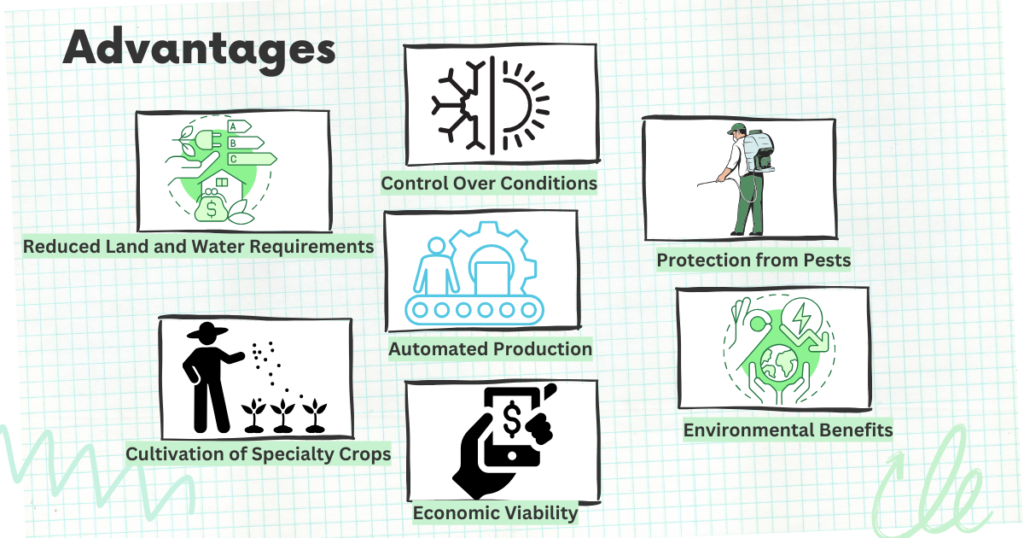
    Vertical farming systems offer a multitude of advantages over traditional farming methods, making them a compelling alternative to modern agriculture:

    Reduced Land and Water Requirements

    Unlike traditional farming, which requires vast expanses of land, vertical farming systems can be established in urban areas, utilising rooftops, warehouses, or dedicated vertical farm structures. This significantly reduces the land footprint required for crop production, making it a viable option for urban environments where land is scarce.

    Additionally, vertical farming systems employ hydroponic or aeroponic techniques, which conserve water by delivering nutrients directly to plant roots through nutrient-rich solutions or misting systems. This results in significantly reduced water consumption compared to traditional farming methods that rely on rainfall or irrigation systems.

    Improved Control Over Growing Conditions

    Vertical farming systems provide growers with unprecedented control over the environment in which their crops are grown. This includes precise control over temperature, humidity, light intensity, and nutrient levels, allowing for optimal growth conditions that maximize yield and quality. By eliminating the unpredictable factors of outdoor weather and pests, vertical farming ensures a consistent and reliable supply of high-quality crops throughout the year.

    Protection from Pests and Diseases

    Vertical farming systems offer a closed environment that is isolated from external pests and diseases, eliminating the need for harsh chemical pesticides and herbicides. This results in cleaner, healthier crops that are free from harmful residues. Additionally, the controlled environment allows for the implementation of integrated pest management (IPM) strategies, utilizing natural pest control methods to maintain a healthy crop ecosystem.

    Automated and Efficient Production

    Vertical farming systems can be highly automated, minimizing labor costs and maximizing production efficiency. Automated systems can handle tasks such as seeding, transplanting, nutrient delivery, pest control, and harvesting, reducing the need for manual labor. This automation, coupled with the controlled environment and efficient use of space, allows vertical farming operations to achieve higher yields per square foot compared to traditional farming methods.

    Cultivation of Specialty Crops

    Vertical farming is particularly well-suited for the cultivation of specialty crops, such as herbs, leafy greens, and berries. These crops thrive in the controlled environments of vertical farms, and their shorter growth cycles allow for multiple harvests per year. Additionally, vertical farming can be used to grow crops that are difficult or impossible to cultivate in traditional outdoor settings, such as crops requiring specific temperature or humidity conditions.

    Environmental Benefits

    Vertical farming offers several environmental benefits, including reduced greenhouse gas emissions, minimized soil degradation, and improved water conservation. By reducing the need for transportation and refrigeration, vertical farming contributes to a lower carbon footprint for food production. Additionally, the controlled environment and hydroponic systems eliminate soil erosion and contamination, protecting soil health and reducing the impact on surrounding ecosystems.

    Economic Viability

    While the initial investment in vertical farming infrastructure can be higher than traditional farming, the long-term economic benefits are promising. Vertical farming’s efficient use of space, high yields, and year-round production can lead to increased profitability and a shorter return on investment. Additionally, vertical farming can create new jobs in urban areas, stimulating local economies and contributing to community development.

    Future of Vertical Farming

    Vertical farming is still in its early stages of development, but it holds immense potential to revolutionize the way we grow food in the future. As technology advances and costs continue to decline, vertical farming is expected to become increasingly widespread, particularly in urban areas and for the cultivation of high-value crops. The combination of improved efficiency, environmental sustainability, and year-round production makes vertical farming a promising solution for addressing the growing challenges of food security and resource scarcity in a changing world.

    Aquaponics: Creating Sustainable Food Production Systems

    aquaponics- new innovation in agriculture

    Aquaponics is not just a buzzword in the world of sustainable agriculture; it represents a groundbreaking approach to food production that holds immense potential for our future. By combining aquaculture and hydroponics, this innovative method enables us to cultivate both fish and plants in a symbiotic environment, fostering a self-sustaining ecosystem that significantly reduces water usage and eliminates the need for harmful chemicals.

    The benefits of aquaponics are truly remarkable. Firstly, it allows us to grow more food in less space compared to traditional farming methods. By utilizing vertical farming techniques, we can maximize productivity while minimizing land requirements. This is particularly crucial as our population continues to grow, placing increasing pressure on our agricultural resources.

    Moreover, aquaponics offers a sustainable solution to water scarcity issues. Unlike conventional farming practices that consume vast amounts of water, aquaponic systems recycle and reuse water within the closed-loop system. By leveraging the natural filtration provided by fish waste, plants receive essential nutrients while purifying the water for the aquatic organisms—an elegant cycle that conserves this precious resource.

    In addition to its environmental advantages, aquaponics also presents economic opportunities for farmers and entrepreneurs. The high yield potential coupled with reduced operating costs make it an attractive option for commercial-scale agriculture ventures. Furthermore, by cultivating fresh produce locally and year-round regardless of climate conditions, aquaponics contributes to food security and resilience against external disruptions.

    It is important to note that while aquaponics requires careful monitoring and management, advancements in technology have made it increasingly accessible even for novice farmers or urban gardeners. With automated monitoring systems and user-friendly designs available on the market today, anyone can embark on their journey towards sustainable food production.

    Aquaponics represents a game-changing solution in our quest for sustainable agriculture. By harnessing nature’s intricate balance between fish and plants within a closed-loop ecosystem, we can cultivate abundant crops while safeguarding our environment and natural resources. As we face mounting challenges in food security and environmental conservation, embracing aquaponics is a step towards a brighter future for all.

    Agricultural Drones: Your Wingmen in Crop Monitoring and Management

    agricultural drone- innovations in technology

    Imagine soaring above your fields, gaining a bird’s-eye view of your crops’ health and condition. This isn’t a scene from a futuristic sci-fi movie; it’s a reality thanks to the revolutionary technology of agricultural drones. These unmanned aerial vehicles (UAVs) are equipped with specialized sensors and cameras, providing farmers with invaluable insights that are transforming the way we monitor and manage crops.

    Optimizing Resources Like a Pro

    Agricultural drones act like your eyes in the sky, delivering real-time data on your crops’ health. This allows you to make informed decisions about irrigation, fertilizer application, and pest control with laser-sharp precision. Instead of treating entire fields uniformly, you can target areas that need attention, saving time, minimizing waste, and maximizing crop production.

    Boosting Yields to New Heights

    Drones are your allies in the quest for increased yields. They capture high-resolution images, revealing issues like nutrient deficiencies or diseases before they spread. This early detection empowers you to take swift action and mitigate potential damage, resulting in healthier plants and bountiful harvests.

    Saving Money, Smartly

    Gone are the days of expensive manned aircrafts and time-consuming manual labor for crop monitoring. Agricultural drones offer a cost-effective solution, covering large areas quickly and efficiently while collecting accurate data on plant health. This significant reduction in human involvement and equipment costs allows you to save valuable resources and reinvest them in other areas of your farm.

    Minimizing Environmental Impact, Naturally

    Agricultural drones are not only good for your pocket; they’re also good for the planet. Their precise data collection allows you to pinpoint specific areas that require attention, reducing the need for large-scale chemical applications. This targeted approach minimizes the use of pesticides and fertilizers, protecting the environment and promoting sustainable farming practices.

    The Impact of Agricultural Innovations

    The impact of agricultural innovations is far-reaching, extending beyond increased food production and reduced environmental impact. These advancements have the potential to:

    • Improve food security: By enhancing productivity and reducing crop losses, agricultural innovations can help ensure a stable food supply for a growing population.
    • Promote sustainable agriculture: Precision agriculture and vertical farming techniques can reduce the environmental footprint of agriculture, minimizing water consumption, pesticide use, and greenhouse gas emissions.
    • Empower smallholder farmers: Access to affordable and appropriate technologies can empower smallholder farmers in developing countries to improve their livelihoods and enhance food security in their communities.
    • Create new jobs and opportunities: The development and adoption of agricultural technologies are creating new jobs in areas such as data analytics, robotics, and vertical farming.

    As the global population continues to grow and the demand for food increases, agricultural innovations will play a crucial role in ensuring a sustainable and secure food supply for future generations. By embracing these advancements, we can cultivate a more productive, environmentally friendly, and resilient agricultural system that nourishes the world.

    In summary, the era of New Innovations in Agriculture ushers in transformative changes with cutting-edge technology. From Precision Agriculture’s data-driven decisions to optimize resources, to the power of Genetically Modified Crops in enhancing productivity and addressing food security, each innovation plays a crucial role.

    Aquaponics, a fusion of aquaculture and hydroponics, stands out for growing more food in less space while addressing water scarcity sustainably. Each innovation, though in its early stages, holds immense potential to revolutionize agriculture, addressing the growing challenges of food security and resource scarcity in a changing world.

  • What Innovation Changed the Textile Industry?

    What Innovation Changed the Textile Industry?

    In the fast-paced world of technology and innovation, few sectors have undergone as radical a transformation as the textile industry. What innovation changed the textile industry?

    In this article, we will discuss in detail the innovations that altered the very fabric of the textile world. Let’s embark on a journey through time, exploring the profound impact of various innovations that have reshaped the fabric of the textile world.

    What Innovation Changed the Textile Industry

    The textile industry, a cornerstone of human civilization, has evolved significantly over the years. From ancient manual weaving to the modern, automated production lines, innovation has been the driving force behind these transformative changes. how are smart textile innovation influencing the functionality of clothing.

    The Technological Revolution: A Turning Point

    The advent of technology marked a turning point in human history, ushering in an era of unprecedented progress and change. But what innovation changed the textile industry during this revolution? This transformative era was driven by a series of groundbreaking inventions and innovations that transformed nearly every aspect of society, from manufacturing and transportation to communication and agriculture

    • The Textile Industry: A Catalyst for Change: The textile industry was one of the first sectors to be revolutionized by technology. The invention of the flying shuttle in 1733 and the spinning jenny in 1764 dramatically increased the speed and efficiency of textile production. These machines, powered by water or steam, could produce far more yarn and cloth than traditional hand looms, leading to a surge in output and a decline in labor costs.
    • The Rise of Mechanized Production: The mechanization of textile production had a profound impact on the industry. It led to the establishment of large-scale factories, where machines performed tasks that were once done by hand. This shift from manual labor to mechanized production resulted in significant gains in productivity and efficiency.
    • The Impact on Society: The technological revolution in the textile industry had far-reaching consequences for society. It led to the urbanization of many workers, as people moved from rural areas to cities to work in factories. This shift also contributed to the growth of the middle class, as factory workers were able to earn higher wages than their agricultural counterparts.

    Introduction of Automation: What Innovation Changed the Textile Industry

    What Innovation Changed the Textile Industry

    Automation is an innovative form of mechanization that uses current technology and automated machinery to produce more products in a factory in a shorter amount of time and with more efficiency. The introduction of automation in the textile industry marked a paradigm shift, fundamentally altering the way fabrics were produced. Machines, once considered mere tools, evolved into capable partners, taking over repetitive tasks and allowing human workers to focus on more intricate aspects of production. This transformation revolutionized the industry, enhancing efficiency, precision, and overall productivity.

    Replacing Repetitive Tasks with Machine Precision: Textile production has long been characterized by repetitive tasks, such as spinning, weaving, and sewing. These tasks, while essential, were often tedious and time-consuming, requiring workers to perform the same motions countless times. Automation addressed this challenge by replacing these repetitive tasks with machines.

    Spinning Machine

    Spinning: From Spindle to Automation: Spinning, the process of converting raw fibers into yarn, was one of the first areas to experience automation. The introduction of spinning machines, such as the spinning jenny and the water frame, dramatically increased the speed and efficiency of yarn production. These machines could spin multiple strands of yarn simultaneously, significantly reducing the time and labor required for this crucial step.

    Weaving: From Hand Looms to Power Looms: Weaving, the process of interlacing yarns to create fabric, underwent a similar transformation. The invention of power looms, such as the flying shuttle and the power loom, mechanised the weaving process, replacing the slow and laborious hand looms. These machines could weave complex patterns much faster and with greater precision, leading to a surge in fabric production.

    Sewing: From Needle and Thread to Automated Machines: Sewing, the process of joining fabric pieces to create garments or other textile products, also benefited from automation. The introduction of sewing machines, such as the Singer sewing machine, revolutionized the garment industry. These machines could perform precise stitches at high speeds, significantly reducing the time and labor required for sewing.

    Sewing Machine

    Human Workers: From Task Performers to Skilled Overseers: With machines taking over repetitive tasks, human workers transitioned from mere task performers to skilled overseers. They focused on monitoring the machines, ensuring their proper functioning, and making adjustments as needed. They also took on more intricate tasks, such as designing patterns, inspecting fabric quality, and troubleshooting complex production issues.

    Nanotechnology in Textiles: A Revolution in the Fabric of Our World

    The textile industry, spanning centuries of innovation, has witnessed a remarkable transformation with the advent of nanotechnology. This cutting-edge technology, operating at the scale of billionths of a meter, has revolutionized the way we create, enhance, and utilize fabrics, introducing a paradigm shift in the production of clothing, healthcare textiles, and beyond.

    Nanotechnology in Textiles

    Nanoparticles: The Building Blocks of Textile Transformation: Nanoparticles, the heart of nanotechnology, are minuscule particles ranging in size from 1 to 100 nanometers, about 100,000 times smaller than the width of a human hair. Their incredibly small size endows them with unique properties that have far-reaching implications for the textile industry.

    Enhanced Durability: Protecting Fabrics Against Wear and Tear: One of the key benefits of nanotechnology in textiles is the enhancement of durability. By incorporating nanoparticles into fabrics, textile scientists have created materials that are resistant to abrasion, wear, and tear. This improved durability extends the lifespan of garments, reducing the environmental impact of textile waste.

    Water Repellency: Keeping Fabrics Dry and Comfortable: Nanoparticles have also revolutionized water repellency in textiles. By applying nanoparticle coatings, fabrics can be treated to repel water, preventing stains and keeping garments dry in wet conditions. This technology is particularly valuable for outdoor apparel and sportswear, ensuring comfort and performance in challenging environments.

    Antibacterial Properties: Promoting Hygiene and Health: Nanotechnology has also introduced antibacterial properties into textiles, offering protection against microbes and preventing the spread of infections. Nanoparticles embedded in fabrics can inhibit the growth of bacteria, fungi, and viruses, promoting hygiene and reducing the risk of contamination. This technology is particularly relevant for healthcare textiles, such as surgical gowns and patient linens.

    Self-Cleaning Fabrics: Minimizing Maintenance and Environmental Impact: The self-cleaning properties of nanotechnology-enhanced textiles are a significant advancement. By incorporating nanoparticles, fabrics can be engineered to repel dirt, dust, and stains, minimizing the need for frequent washing and reducing the environmental impact of textile cleaning. This technology holds promise for everyday wear and outdoor apparel, promoting sustainability and convenience.

    Smart Textiles: Integrating Intelligence into Fabrics: Nanotechnology is also paving the way for smart textiles, integrating intelligence and functionality into fabrics. By incorporating sensors, conductors, and other nanomaterials, textiles can respond to external stimuli, such as temperature, light, and pressure. These smart textiles have the potential to monitor health vitals, enhance athletic performance, and provide personalized comfort.

    Read More: Nanotechnology in Smart Textiles

    Artificial Intelligence in Textile Design: A Creative Force and Production Optimizer

    Artificial Intelligence (AI) is rapidly transforming the world around us, and the textile industry is no exception. While AI is often associated with complex calculations and automation, it is also proving to be a valuable tool for textile designers, enhancing creativity, streamlining production processes, and ushering in a new era of innovation in the textile industry.

    AI as a Creative Partner: Enhancing Design Inspiration and Possibilities: AI is not just about replacing human creativity; it’s about augmenting it. AI algorithms can analyze vast datasets of existing designs, patterns, and trends to identify patterns, predict future trends, and generate new and innovative design ideas. This allows designers to explore new creative avenues, experiment with unconventional combinations, and break free from traditional design boundaries.

    For instance, AI-powered design tools can generate a variety of patterns based on a designer’s initial sketch or color palette, providing a wealth of options to explore and refine. Additionally, AI can analyze fashion trends and consumer preferences to inform design decisions, ensuring that designs are not only aesthetically pleasing but also align with current market demands.

    Optimizing Production Processes: Streamlining Efficiency and Reducing Waste: AI is also transforming the back-end of textile production, optimizing processes, reducing waste, and enhancing overall efficiency. AI algorithms can analyze production data to identify bottlenecks, predict machine downtime, and optimize production schedules. This data-driven approach can significantly reduce production costs, minimize downtime, and ensure that production lines operate at peak efficiency.

    AI also plays a crucial role in waste reduction. By analyzing patterns and fabric usage, AI can optimize cutting patterns to minimize fabric waste. Additionally, AI-powered defect detection systems can identify flaws in fabrics early in the production process, preventing them from reaching the final product and reducing the need for rework.

    The Future of AI in Textile Design: A Symbiosis of Creativity and Technology: The integration of AI into textile design is still in its early stages, but the potential is immense. As AI algorithms become more sophisticated and data sets expand, AI will continue to play an increasingly important role in both the creative and technical aspects of textile design.

    AI will not replace human designers; it will empower them. Designers will increasingly rely on AI as a creative partner, leveraging its ability to analyze trends, generate new ideas, and optimize production processes. This symbiosis of creativity and technology will lead to the creation of innovative, sustainable, and aesthetically pleasing textiles that meet the demands of a rapidly changing world.

    3D Printing in Textiles: A Revolution in Fabrication

    The textile industry, with its rich history of innovation and craftsmanship, is undergoing a transformative shift with the advent of 3D printing. This technology, which has revolutionized various industries, is now making its mark on the world of textiles, offering unprecedented design possibilities, enhanced efficiency, and a paradigm shift in textile production.

    From Traditional Techniques to Digital Fabrication: Traditional textile manufacturing methods, while rooted in time-honored techniques, often face limitations in terms of design complexity and production speed. 3D printing, on the other hand, breaks free from these constraints, allowing for the creation of intricate designs, customized products, and seamless production processes.

    Unleashing Design Freedom: Intricate Structures and Customized Creations: 3D printing empowers textile designers to explore the full spectrum of their creativity. Unlike traditional methods that are restricted by the limitations of weaving or knitting, 3D printing allows for the creation of complex geometries, intricate structures, and even embedded functionalities within textiles. This design freedom opens up a world of possibilities for innovative products, from customized apparel to architectural textiles with integrated structures.

    Enhanced Efficiency: Streamlined Production and Reduced Waste: 3D printing also revolutionizes the production process, streamlining operations and reducing waste. Unlike traditional methods that require cutting, sewing, and assembling multiple pieces, 3D printing can create a complete textile product in a single step. This additive manufacturing approach minimizes waste, reduces labor costs, and streamlines production, leading to shorter lead times and increased efficiency.

    Sustainable Textile Production: Minimizing Environmental Impact: As the textile industry faces increasing scrutiny for its environmental impact, 3D printing offers a promising path towards sustainability. By reducing waste, minimizing energy consumption, and enabling on-demand production, 3D printing can significantly lower the environmental footprint of textile manufacturing.

    Applications of 3D Printing in Textiles: A Diverse Spectrum

    The applications of 3D printing in textiles span a wide range, from fashion and sportswear to footwear, home textiles, and industrial applications.

    • Fashion and Sportswear: 3D printing is transforming the fashion industry, enabling the creation of customized apparel, intricate designs, and personalized fit. It is also revolutionizing sportswear, producing performance wear with integrated functionalities and enhanced comfort.
    • Footwear: 3D printing is disrupting the footwear industry, allowing for the creation of customized shoes, personalized midsoles, and innovative designs. It is also enabling the production of lightweight, durable, and comfortable footwear.
    3D printed fabrics
    • Home Textiles: 3D printing is making its mark on home textiles, creating customized décor items, intricate patterns, and functional textiles with integrated lighting or sensors. It is also paving the way for personalized bedding and home furnishings.
    • Industrial Applications: 3D printing is finding applications in industrial textiles, producing filters for filtration systems, medical textiles with embedded sensors, and protective textiles with enhanced properties.

    The Future of 3D Printing in Textiles: A World of Possibilities

    As 3D printing technology continues to evolve, its impact on the textile industry is bound to expand. With advancements in material science, printing speed, and resolution, 3D printing will further revolutionize textile design, production, and sustainability.

    In the future, we can envision a world where 3D printing is seamlessly integrated into the textile industry, enabling the creation of highly customized, efficient, and sustainable textiles that enhance our lives and shape the future of fashion and design.

    Robotics in Textile Factories: A Transformation in Precision and Output

    The textile industry, a cornerstone of human civilization, is undergoing a remarkable transformation driven by the integration of robotics. Automation, once confined to stand-alone machines, has evolved into sophisticated robotic systems that are revolutionizing the landscape of textile factories. These robotic systems are not merely replacing human labor; they are augmenting human capabilities, enhancing precision, and propelling the industry towards new heights of efficiency and productivity.

    Precision at Every Stage: From Fiber to Finished Product: Robotic systems are transforming every stage of textile production, from fiber preparation to garment assembly. In fiber preparation, robots handle delicate fibers with precision, ensuring consistent quality and minimizing waste. In spinning, robots precisely control yarn formation, producing consistently strong and uniform threads.

    In weaving and knitting, robots seamlessly interlace fibers to create fabrics with intricate patterns and textures. In dyeing and finishing, robots apply chemicals and treatments with precision, ensuring uniform color and consistent quality. In garment assembly, robots perform tasks like cutting, sewing, and finishing with remarkable dexterity, producing garments with precise fit and high-quality stitching.

    Enhanced Productivity: Speed and Efficiency in Harmony: Robotic systems not only enhance precision but also significantly boost productivity. They operate tirelessly, working 24/7 without breaks, ensuring continuous production and minimizing downtime. Their speed and accuracy surpass human capabilities, leading to increased output and accelerated production cycles.

    Robots also contribute to productivity by reducing errors and minimizing waste. Their precise movements and consistent performance reduce defects, leading to fewer rejects and higher yields. Additionally, robots can optimize material usage and minimize waste during cutting and sewing processes, further enhancing overall efficiency.


    A Collaborative Workforce: Humans and Robots Working in Tandem: The integration of robotics into textile factories does not herald the replacement of human workers; it rather paves the way for a more collaborative and productive workforce. Robots take over repetitive and physically demanding tasks, allowing human workers to focus on higher-value activities such as design, quality control, and customer service.

    This human-robot collaboration fosters a synergistic environment where the strengths of both are combined. Human workers provide their expertise, creativity, and problem-solving abilities, while robots contribute their precision, speed, and tireless work ethic. This collaboration leads to improved decision-making, enhanced innovation, and a more efficient and productive work environment.

    A Sustainable Future: Robotics for Environmental Responsibility: The textile industry faces increasing scrutiny for its environmental impact. Robotic systems offer a promising path towards sustainable textile production. Their precision and efficiency reduce waste and minimize the consumption of energy and resources. Additionally, robots can be programmed to optimize material usage and minimize energy consumption during production processes.

    Moreover, robotic systems can be adapted to handle recycled materials and incorporate sustainable practices into the production cycle. This commitment to sustainability not only reduces the environmental footprint of textile manufacturing but also aligns with the growing demand for eco-conscious products.

    The Role of IoT in Textiles: Revolutionizing the Supply Chain, Quality Control, and Streamlining Processes

    The textile industry, a global pillar of manufacturing and innovation, is undergoing a transformative journey fueled by the integration of the Internet of Things (IoT). IoT, the interconnected network of devices embedded with sensors and software, is revolutionizing every aspect of the textile supply chain, from raw material sourcing to finished product delivery. This technological revolution is optimizing operations, enhancing quality control, and streamlining processes, leading to unprecedented levels of efficiency, transparency, and sustainability.

    Optimizing the Supply Chain: A Connected Network for Seamless Operations: IoT is transforming the textile supply chain into a hyperconnected ecosystem, enabling seamless data exchange and real-time visibility. Sensors embedded in raw materials, machinery, and transportation vehicles provide continuous data streams, tracking the movement of goods from farm to factory to consumer. This real-time visibility empowers manufacturers to optimize inventory management, anticipate supply chain disruptions, and make informed decisions to ensure timely delivery and minimize disruptions.

    For instance, IoT-enabled sensors can monitor the environmental conditions during fiber cultivation, providing valuable insights into crop health and yield predictions. This data can inform farmers on irrigation and fertilizer needs, optimizing resource utilization and enhancing crop quality.

    Ensuring Quality Control: A Network of Vigilant Guardians: IoT is playing a pivotal role in ensuring textile quality control, preventing defects, and maintaining consistency. Sensors embedded in manufacturing equipment monitor critical parameters such as temperature, pressure, and yarn tension, providing real-time feedback to production lines. This real-time data enables proactive interventions, preventing defects before they occur and ensuring that products meet stringent quality standards.

    For example, IoT-enabled sensors can monitor the spinning process, detecting subtle changes in yarn tension that could lead to unevenness or breakage. This real-time feedback allows operators to adjust machine settings and prevent defects before they occur.

    Streamlining Processes: Automation and Efficiency at Every Stage: IoT is streamlining processes across the textile value chain, automating repetitive tasks, and optimizing resource utilization. IoT-enabled devices can automate tasks such as material handling, sorting, and packaging, reducing labor costs and improving efficiency. Additionally, IoT can optimize energy consumption by monitoring and controlling machine performance, reducing energy usage and minimizing environmental impact.

    [Image of IoT-automated processes in textile industry]

    For instance, IoT-enabled sensors can monitor the energy consumption of textile machinery, identifying areas where energy usage can be optimized. This data can inform energy-saving strategies, reducing costs and environmental footprint.

    The Future of IoT in Textiles: A Vision of Connected and Intelligent Manufacturing: The future of IoT in textiles is filled with exciting possibilities, promising to revolutionize the industry even further. As IoT technology continues to advance, we can envision a future where textile manufacturing is fully connected and intelligent, with seamless data exchange, real-time decision-making, and predictive maintenance.

    IoT will enable manufacturers to optimize production processes based on demand fluctuations, minimize waste through predictive maintenance, and personalize products based on individual preferences. This connected and intelligent manufacturing will lead to a more sustainable, efficient, and responsive textile industry, shaping the future of fashion and beyond.

    Conclusion

    The textile industry’s journey from manual labor to high-tech innovation is marked by remarkable advancements. Fueled by technologies like AI, robotics, and blockchain, the industry has undergone a dynamic transformation across the entire value chain, enhancing efficiency and sustainability.

    These cutting-edge technologies aren’t replacing humans but augmenting their capabilities, fostering collaboration and productivity. Beyond the factory, augmented reality is reshaping the shopping experience, and 3D printing is revolutionizing textile design and production.

    Looking ahead, the future of textiles holds exciting possibilities. With the convergence of technologies and a focus on sustainability, textiles will become integral components of our lives, adapting to our needs and enhancing well-being. From personalized clothing to smart textiles monitoring health, the textile industry is set to pioneer innovation and human-centric design.

    In this future, textiles will be smarter, more sustainable, and seamlessly integrated into daily routines. Embracing technology and ethical practices, the textile industry is poised to express creativity, values, and a deep connection to the world.

    FAQs

    How has technology influenced traditional textile craftsmanship?

    Technology has modernized traditional processes, enhancing efficiency and precision without compromising craftsmanship.


    Are eco-friendly fabrics a viable alternative to traditional textiles?

    Yes, eco-friendly fabrics are gaining popularity as consumers prioritize sustainability, pushing the industry toward more environmentally conscious practices.

    How does AI contribute to textile design?

    AI analyzes fashion trends and consumer preferences, assisting designers in creating unique and appealing textile patterns.

    What role does upskilling play in the textile industry’s future?

    Upskilling is crucial to equip the workforce with the skills needed to operate and maintain advanced technologies, ensuring industry relevance.


    What are the predicted emerging trends in the future of textile innovation?

    Future trends include advancements in smart textiles, sustainable practices, and increased integration of AI throughout the production process.
  • Level Up Your Tech Life: What Are Consumer Electronics?

    Level Up Your Tech Life: What Are Consumer Electronics?

    Do you know what consumer electronics are? Consumer electronics, also known as CE or home electronics, encompass a wide range of electronic devices designed for everyday use by individuals in their homes or for personal purposes.

    These devices serve functions like entertainment, communication, and information access. They’re the cool gadgets we use every day at home. Things like TVs, phones, and computers. These nifty devices make our lives easier and more fun! They are all about entertainment, communication, and getting information. The industry is always changing, with new and exciting products coming out all the time. Just think about how smartphones let us talk to people all over the world, or how smart TVs make movie nights at home feel like the real thing!

    These days, consumer electronics are getting smarter too. Things like artificial intelligence and machine learning help make our devices work better for us. They can learn what we like and give us personalized experiences. How awesome is that?

    From the phone in your pocket to the TV in your living room, consumer electronics are a huge part of our daily lives. They keep us connected, entertained, and informed. And the best part? There’s always something new and amazing just around the corner!

    In this article, we will delve into what consumer electronics are, explore examples of them, discuss how to choose the right consumer products and examine the impact of these technological marvels.

    What Are Consumer Electronics

    What are Consumer Electronics?

    Consumer electronics refer to electronic devices intended for personal or non-commercial use. They are typically distinguished from industrial or professional electronics, which are designed for specific applications in businesses or manufacturing settings. Consumer electronics devices are often used for entertainment, communication, information processing, and home management.

    Distinguishing Consumer Electronics from Industrial Electronics

    Consumer Electronics: Consumer electronics are typically distinguished from industrial or professional electronics, which are designed for specific applications in businesses or manufacturing settings. Devices like smartphones and laptops, designed for personal use, prioritize aesthetics and user-friendly interfaces.

    Key Points:

    • Consumer electronics: Portable and aesthetically pleasing, catering to a broad range of individual applications.
    • Industrial electronics: Robust, specialized devices meeting specific professional needs.

    Reliability: Industrial electronics undergo rigorous testing for reliability, crucial for business operations, and boast a longer lifespan than consumer electronics.

    The distinctions between consumer and industrial electronics go beyond surface features, revealing differences in design philosophy, functionality, and longevity. Understanding these nuances is essential for navigating the diverse landscape of electronic devices.

    What Are the Benefits of Consumer Electronics?

    Consumer electronics have become an integral part of our daily lives, offering a myriad of benefits that enhance convenience, entertainment, and overall well-being. In this section, we delve into the positive aspects that make consumer electronics indispensable in the contemporary world.

    1. Enhanced Communication:
      • Smartphones, tablets, and other communication devices have revolutionized the way we connect with others. Instant messaging, video calls, and social media platforms facilitate seamless communication, fostering connections across the globe.
    2. Entertainment on Demand:
      • Consumer electronics bring entertainment to our fingertips. Streaming services, smart TVs, and gaming consoles provide access to a vast array of content, allowing individuals to enjoy movies, music, and games whenever and wherever they choose.
    3. Information Access:
      • The internet, easily accessible through various devices, empowers users with instant access to information. Whether for educational purposes, staying informed on current events, or satisfying curiosity, consumer electronics serve as gateways to a wealth of knowledge.
    4. Increased Productivity:
      • Computing devices, including laptops and tablets, play a pivotal role in work and productivity. They enable remote work, efficient multitasking, and seamless collaboration, transforming the traditional workplace and enhancing overall productivity.
    5. Smart Home Management:
      • The rise of smart home technologies allows for efficient and automated home management. From thermostats and lighting systems to security cameras, consumer electronics contribute to creating intelligent living spaces that prioritize comfort, security, and energy efficiency.
    6. Health and Fitness Tracking:
      • Wearable devices and health-focused apps integrated into consumer electronics provide tools for monitoring health and fitness. Individuals can track physical activity, monitor vital signs, and set wellness goals, promoting a healthier lifestyle.
    7. Innovation and Technological Advancements:
      • Consumer electronics drive innovation, with continuous technological advancements shaping the industry. Features like artificial intelligence, augmented reality, and cutting-edge design not only enhance user experiences but also contribute to the progression of technology as a whole.
    8. Efficient Time Management:
      • Calendar apps, reminders, and productivity tools available on consumer electronics assist users in managing their time effectively. These digital tools contribute to organizing schedules, setting reminders, and optimizing daily routines.

    In essence, the benefits of consumer electronics extend far beyond mere convenience. They touch every aspect of our lives, enabling communication, entertainment, productivity, and fostering a technologically enriched lifestyle. As we continue to embrace the advantages offered by consumer electronics, we pave the way for a future where technology becomes an even more integral and positive force in our daily existence.

    Examples of Consumer Electronics

    The vast array of consumer electronics products encompasses a diverse range of devices, including:

    Audio and Video Equipment

    1. Audio and Video Equipment: Televisions, projectors, home theater systems, stereo systems, speakers, headphones, microphones, digital cameras, camcorders, portable music players, and video game consoles fall under this category. Explore the latest audio and video equipment available on Amazon.

    2. Computing Devices: Personal computers (desktops, laptops, tablets), smartphones, smartwatches, wearable devices, and gaming PCs are examples of computing devices. Discover the most recent phone releases by visiting Amazon.

    Computing Devices
    Home Appliances

    3. Home Appliances: Refrigerators, washing machines, dryers, ovens, dishwashers, microwave ovens, air conditioners, vacuum cleaners, and smart home appliances are considered home appliances.

    4. Mobile Devices: Smartphones, tablets, portable media players, and e-readers are classified as mobile devices. Check the latest phones on Amazon.

    Mobile Devices
    Networking Devices

    5. Networking Devices: Wireless routers, modems, network extenders, and smart hubs fall under the category of networking devices. Buy now!

    6. Other Electronics: GPS devices, automotive electronics (car stereos), electronic musical instruments, karaoke machines, digital cameras, and video players are examples of other consumer electronics products.

    GPS devices, automotive electronics

    How to Choose the Right Consumer Electronics

    Choosing the right consumer electronics can be a daunting task, especially with the vast array of options and features available in today’s market. To make an informed decision, it’s essential to consider your specific needs, preferences, and budget. Here’s a step-by-step guide to help you choose the right consumer electronics:

    • Define Your Needs and Usage

    Before diving into product comparisons, it’s crucial to clearly define your needs and how you intend to use the device. What are your primary goals for purchasing this product? What features are essential for you? Considering your usage patterns will help narrow down your choices and focus on products that align with your requirements.

    • Establish a Budget

    Set a realistic budget for your purchase. Consumer electronics can range in price from affordable to high-end, so it’s important to determine how much you’re willing to spend before exploring options. This will help you avoid overspending and ensure you’re selecting products within your financial constraints.

    • Research and Compare Products

    Once you’ve defined your needs and budget, embark on thorough research to compare various products available. Read online reviews, compare specifications, and consider expert opinions to gain insights into the strengths and weaknesses of different models. This will help you make an informed decision based on factual information and user experiences.

    • Prioritize Key Features

    Identify the features that are most important to you. Consider factors such as performance, display quality, battery life, connectivity options, and compatibility with existing devices. Prioritizing key features will help you focus on products that offer the functionality you require without compromising on essential aspects.

    • Read User Reviews and Ratings

    Pay attention to user reviews and ratings from real customers. These provide valuable insights into the actual performance, ease of use, and overall satisfaction with the product. Positive reviews can indicate a reliable product, while negative reviews may highlight potential issues or shortcomings.

    • Consider Brand Reputation

    Brand reputation plays a significant role in consumer electronics purchases. Reputable brands often offer higher quality products, reliable customer support, and extended warranties, providing peace of mind and assurance of a positive experience.

    Read More: Disruptive Innovation in Healthcare

    • Visit Physical Stores for Hands-on Experience

    If possible, visit physical stores to experience the products firsthand. This allows you to test the ergonomics, assess the display quality, and try out the features before making a purchase.

    • Seek Expert Advice

    Don’t hesitate to seek advice from knowledgeable salespeople or tech-savvy friends and colleagues. Their insights and recommendations can be valuable in guiding your decision, especially if you’re not familiar with the latest technologies or specific product categories.

    • Check for Warranty and Support

    Ensure the product you choose comes with a comprehensive warranty and reliable customer support. A warranty provides protection against defects and malfunctions, while responsive customer support can assist with troubleshooting and technical issues.

    • Make an Informed Decision

    Once you’ve gathered sufficient information and weighed your options, make an informed decision based on your needs, budget, and preferences. Remember, the best consumer electronics purchase is the one that aligns with your requirements and provides the best value for your money.

    5 Must-Have Gadgets

    Gadgets aren’t just shiny toys; they can revolutionize your daily routines, boost your productivity, and even enhance your well-being. But with the ever-expanding tech landscape, choosing the right ones can feel overwhelming. Fear not, intrepid upgraders! We’ve scoured the market to bring you 5 must-have gadgets that will elevate your life in unexpected ways:

    • 1. Smart Lighting System

    Imagine setting the perfect mood for any occasion with a simple voice command. Smart lighting systems like Philips Hue Smart 60W A19 LED Bulb or LIFX let you do just that, transforming your home with vibrant colors, warm whites, and dynamic effects. Schedule lights to turn on/off automatically, control them from your phone, and even sync them with music or movies for an immersive experience.

    Our Pick
    Consumer Electronics:Philips Hue Smart 60W A19 LED Bulb

    Philips Hue Smart LED Bulb

    $89.99
    Our Pick
    Consumer electronics: LIFX light bulb

    LIFX Color A19 800 lumens

    $24.98
    • 2. Noise-Canceling Headphones

    Whether you’re working in a bustling coffee shop or drowning out noisy neighbors, noise-canceling headphones like Sony WH-1000XM5 or Apple AirPods Max are a game-changer. These bad boys create a haven of tranquility, immersing you in your music, audiobooks, or calls without a single decibel of distraction. So long, unwanted noise, hello, blissful focus!

    Our Pick
    Best Noise Cancelling Headphones for Airplane Travel

    Sony WH-1000XM5

    $398.00
    Our Pick
    The Best Noise Cancelling Headphones for Airplane Travel- Apple Airpods Max

    Apple AirPods Max


    $479.99

    Read Also: The Best Noise Cancelling Headphones for Airplane Travel 2024

    • 3. Air Purifier

    Breathe easy with an air purifier like Dyson Pure Cool Link or Blueair Blue Pure 411i Max. These air warriors combat indoor pollutants like dust, allergens, and even pet dander, leaving you with fresh, clean air to breathe. Perfect for allergy sufferers, city dwellers, or anyone who simply wants to optimize their air quality for better health and sleep.

    Our Pick
    consumer electronics- Dyson Pure Hot+Cool Link™ Purifier Heater Fan HP02

    Dyson Pure Hot+Cool Link™ Purifier Heater Fan

    $399.99
    Our Pick
    consumer electronics- BLUEAIR Air Purifiers-min

    BLUEAIR Air Purifier 411i Max

    $159.95
    • 4. Instant Pot or Smart Multicooker

    Get ready to revolutionize your meal prep with a multicooker like the Instant Pot or Ninja Foodi. These culinary powerhouses combine functions like pressure cooking, slow cooking, rice cooking, and even yogurt making, all in one appliance. Whip up healthy, delicious meals in a fraction of the time, perfect for busy bees or anyone who wants to cook smarter, not harder.

    Our Pick
    consumer electronics-Instant Pot Duo

    Instant Pot Duo 

    $99.95
    Our Pick
    consumer electronics-Ninja Foodi

    Ninja FD401 Foodi 12-in-1

    $169.99
    • 5. Fitness Tracker or Smartwatch

    Stay motivated and track your progress with a fitness tracker like Fitbit Charge 6 or Samsung Galaxy Watch 6. These wrist-worn wonders monitor your steps, sleep, heart rate, and even stress levels, giving you actionable insights into your health and fitness. Take it a step further with integrated GPS, workout tracking, and music playback for a complete on-the-go fitness companion.

    Our Pick
    consumer-electronics-Fitbit-Charge-6-Fitness-Tracker

    Fitbit Charge 6

    $147.06
    consumer-electronics-SAMSUNG-Galaxy-Watch-6

    SAMSUNG Galaxy Watch 6

     $269.99

    What are The Changes in Demographics for Consumer Electronics?

    As the world hurtles through the digital age, the consumer electronics industry finds itself at the crossroads of transformation. The dynamics of who buys what, when, and why are evolving rapidly. Let’s delve into the key demographic changes shaping the landscape:

    1. Generational Shifts

    The torch has been passed. Millennials (born between 1981 and 1996) and Gen Z (born after 1996) now dominate the consumer electronics market. Their tech-savvy lifestyles and digital fluency drive demand for cutting-edge gadgets. These cohorts seek seamless integration, personalized experiences, and sustainability. Brands must adapt to their preferences, from eco-friendly materials to intuitive interfaces.

    2. Urbanization and Connectivity

    Urbanization is a global phenomenon. As more people flock to cities, the demand for connected devices skyrockets. Smart homes, wearables, and IoT-enabled appliances are no longer luxuries but necessities. Urban consumers crave convenience, efficiency, and data-driven insights. Brands must cater to this urban lifestyle by creating products that seamlessly fit into busy routines.

    3. Diversity and Inclusion

    Demographics are no longer monolithic. The U.S. population, for instance, is increasingly diverse. People of color now comprise 40% of the population, influencing purchasing power and preferences. Brands must recognize this diversity and design products that resonate with various cultural backgrounds. Representation matters, both in marketing campaigns and product development.

    4. Aging Populations

    People of all ages use cell phones. Seniors, defined as those 65 and over, are adopting technology.Of them, about 78% possess a smartphone. Brands should consider their unique needs—larger fonts, simplified interfaces, and health-related features. The silver-haired demographic is a growth opportunity waiting to be tapped.

    5. Income Disparities

    While smartphones are ubiquitous, income disparities persist. Lower-income individuals are less likely to own cell phones or tablets. Brands can contribute by offering affordable options without compromising quality. Initiatives like refurbished devices or flexible payment plans bridge the digital divide.

    6. Gender Influence

    Purchase decisions are increasingly collaborative. Gone are the days of gender-specific roles. Today, households make choices together. Brands should address both male and female preferences. Virtual advisers, powered by AI, can guide users toward complementary products, enhancing the overall experience.

    7. Sustainability Consciousness

    Consumers demand eco-conscious electronics. From recyclable packaging to energy-efficient designs, sustainability matters. Brands that prioritize environmental responsibility gain favor. The next wave of growth lies in creating products that align with planetary well-being.

    In summary, the consumer electronics industry must adapt swiftly to these demographic shifts. Understanding the nuances of each group—whether it’s a tech-savvy Gen Z or a smartphone-wielding senior—will determine success in this ever-evolving landscape.

    Impact of Consumer Electronics: A Comprehensive Guide

    Consumer electronics, the backbone of modern technology, have left an indelible mark on our lives, reshaping the very fabric of how we communicate, entertain ourselves, and manage our homes.

    This comprehensive guide explores the profound impact that consumer electronics have had on contemporary society, delving into their multifaceted roles as indispensable tools for work, education, and personal fulfillment.

    Impact of Consumer Electronics
    • In the realm of communication, consumer electronics have emerged as catalysts for connectivity. The ubiquitous presence of smartphones, fueled by constant innovations, has transformed these devices into more than just tools for calls and messages. They serve as gateways to the digital world, facilitating instant communication, social interaction, and access to a vast repository of information at our fingertips.
    • Entertainment, a cornerstone of consumer electronics, has witnessed a revolution. From the evolution of televisions to the immersive experiences offered by home theater systems and gaming consoles, consumer electronics have not only brought the cinema into our living rooms but also personalized and diversified our entertainment choices. Streaming services, music players, and advanced audio-visual equipment contribute to an unparalleled entertainment landscape.
    • The impact of consumer electronics extends beyond leisure; they have become integral tools for work and education. Laptops, tablets, and other computing devices have redefined the workplace, enabling remote collaboration and flexible work arrangements. In education, these devices facilitate e-learning, breaking down geographical barriers and providing access to a wealth of educational resources.
    • As we navigate the complexities of our daily lives, consumer electronics play a pivotal role in home management. Smart home technologies, including interconnected appliances, security systems, and environmental controls, contribute to enhanced efficiency, security, and energy conservation. The once-static home has become a dynamic, responsive environment, thanks to the integration of smart technologies.

    Environmental Impact: Nurturing Sustainability in Consumer Electronics

    In the rapidly evolving landscape of consumer electronics, the spotlight on environmental impact has become more pronounced than ever. Acknowledging the imperative need for sustainable practices, this section delves into the crucial aspects of electronic waste, recycling initiatives, and the industry’s commitment to fostering sustainability.

    • Consumer electronics are super convenient, but they can also harm the environment. As we upgrade to new devices, getting rid of old ones properly is really important. This is called dealing with “e-waste.”
    • E-waste is a big problem because electronics contain materials that are bad for the planet if not disposed of carefully. But there’s good news! Many companies are working hard on recycling old electronics.
    • Recycling programs collect your old phones, laptops, TVs and more. They take these devices apart and reuse the different materials like metals and plastics. This helps reduce waste and means we don’t need to dig up as many new raw materials from the earth.
    • Companies are also making their new products more environmentally friendly. They’re using renewable energy to make devices and choosing materials that are better for the planet. Some electronics are even designed so you can replace just one part instead of throwing out the whole thing.
    • The next time you get a new device, look into how to recycle your old one properly. And support companies that care about protecting the environment. Together, we can enjoy our beloved gadgets while keeping the planet healthy!

    As consumers become more environmentally conscious, the demand for sustainable practices in the consumer electronics industry continues to rise. By understanding and advocating for responsible e-waste management, supporting recycling initiatives, and choosing products from companies committed to sustainability, individuals can actively contribute to a more eco-friendly future.

    Conclusion

    As we wrap up this comprehensive guide on consumer electronics, we’ve delved into a world of innovation and connectivity. From understanding distinctions to exploring benefits, our journey has been one of discovery.

    Consumer electronics are more than gadgets; they’re catalysts for convenience and enablers of connectivity. As we envision the future, understanding environmental impact and embracing sustainability become our shared responsibility.

    In this ever-evolving landscape, the power to make informed choices lies with each user. Prioritize needs, appreciate benefits, and contribute to a world where technology enriches lives responsibly.

    As we bid farewell, continue your journey through innovation and discovery. Stay curious, stay informed, and let your interactions with consumer electronics reflect not just functionality but values. Together, as tech enthusiasts, we shape a future where electronics enhance our lives positively.

  • Vertical Farming | The Future Agriculture

    Vertical Farming | The Future Agriculture

    As the global population continues to grow and land availability becomes increasingly limited, traditional farming methods face challenges in meeting the rising demand for food. Vertical farming has emerged as a promising solution, offering a transformative approach to agriculture that utilises vertically stacked layers or indoor spaces to cultivate crops.

    This innovative technique has gained traction as a sustainable and efficient method for urban agriculture, year-round production, and the cultivation of specialty crops. In this article, we will discuss what vertical farming is, explore the advantages of it, and discuss the future of vertical farming.

    What is Vertical Farming?

    Vertical Farming

    Vertical farming is an innovative agricultural practise that involves cultivating crops on vertically stacked layers or inclined surfaces, often within controlled indoor environments. This method is designed to maximise space utilisation and efficiency while minimising the need for traditionali soil and outdoor conditions.

    In a vertical farming system, various technologies, such as hydroponics, aeroponics, and aquaponics, are employed to deliver nutrients to the plants. These systems often utilise artificial lighting, climate control, and automation to create optimal growing conditions for crops.

    The vertical arrangement of crops allows for stacking multiple layers, making it possible to grow a variety of crops in a confined space. This approach is particularly advantageous in urban areas where arable land is limited, enabling local food production and reducing the environmental impact associated with traditional agriculture.

    Vertical farming has gained prominence due to its potential to enhance crop yield, conserve resources like water and land, and provide a more sustainable and resilient method of food production in the face of increasing population and urbanisation.

    Exploring the Advantages of Vertical Farming

    Vertical farming systems offer a multitude of advantages over traditional farming methods, making them a compelling alternative to modern agriculture. Here, we’ve discussed the most important advantages of vertical farming:

    Advantages of Vertical Farming
    • Reduced Land and Water Requirements: Unlike traditional farming, which requires vast expanses of land, vertical farming systems can be established in urban areas, utilising rooftops, warehouses, or dedicated vertical farm structures. This significantly reduces the land footprint required for crop production, making it a viable option for urban environments where land is scarce. Additionally, vertical farming systems employ hydroponic or aeroponic techniques, which conserve water by delivering nutrients directly to plant roots through nutrient-rich solutions or misting systems. This results in significantly reduced water consumption compared to traditional farming methods that rely on rainfall or irrigation systems.
    • Improved Control Over Growing Conditions: Vertical farming systems provide growers with unprecedented control over the environment in which their crops are grown. This includes precise control over temperature, humidity, light intensity, and nutrient levels, allowing for optimal growth conditions that maximise yield and quality. By eliminating the unpredictable factors of outdoor weather and pests, vertical farming ensures a consistent and reliable supply of high-quality crops throughout the year.
    • Protection from Pests and Diseases: Vertical farming systems offer a closed environment that is isolated from external pests and diseases, eliminating the need for harsh chemical pesticides and herbicides. This results in cleaner, healthier crops that are free from harmful residues. Additionally, the controlled environment allows for the implementation of integrated pest management (IPM) strategies, utilizing natural pest control methods to maintain a healthy crop ecosystem.
    • Automated and Efficient Production: Vertical farming systems can be highly automated, minimising labour costs and maximizing production efficiency. Automated systems can handle tasks such as seeding, transplanting, nutrient delivery, pest control, and harvesting, reducing the need for manual labour. This automation, coupled with the controlled environment and efficient use of space, allows vertical farming operations to achieve higher yields per square foot compared to traditional farming methods.
    • Cultivation of Specialty Crops: Vertical farming is particularly well-suited for the cultivation of specialty crops, such as herbs, leafy greens, and berries. These crops thrive in the controlled environments of vertical farms, and their shorter growth cycles allow for multiple harvests per year. Additionally, vertical farming can be used to grow crops that are difficult or impossible to cultivate in traditional outdoor settings, such as crops requiring specific temperature or humidity conditions.
    • Environmental Benefits: Vertical farming offers several environmental benefits, including reduced greenhouse gas emissions, minimised soil degradation, and improved water conservation. By reducing the need for transportation and refrigeration, vertical farming contributes to a lower carbon footprint for food production. Additionally, the controlled environment and hydroponic systems eliminate soil erosion and contamination, protecting soil health and reducing the impact on surrounding ecosystems.
    • Economic Viability: While the initial investment in vertical farming infrastructure can be higher than traditional farming, the long-term economic benefits are promising. Vertical farming’s efficient use of space, high yields, and year-round production can lead to increased profitability and a shorter return on investment. Additionally, vertical farming can create new jobs in urban areas, stimulating local economies and contributing to community development.

    The Future of Vertical Farming: A Transformational Approach to Agriculture

    Vertical farming, a method of cultivating crops in vertically stacked layers or indoor spaces, has emerged as a transformative agricultural innovation with immense potential to redefine the way we produce food in the future. As technology advances, costs decline, and consumer demand for sustainable and locally sourced produce increases, vertical farming is poised to play an increasingly prominent role in global food systems.

    Driving Factors for Vertical Farming’s Growth:

    Several factors are driving the growth and adoption of vertical farming:

    1. Urbanisation and Land Scarcity: As the world’s population urbanises, the demand for local, fresh produce increases while arable land becomes increasingly scarce, making traditional farming methods less feasible in urban centres. Vertical farming offers a solution by utilising vertical space in urban areas, reducing land requirements, and bringing food production closer to consumers.
    2. Resource Conservation and Sustainability: Vertical farming techniques significantly reduce water consumption compared to traditional agriculture, minimizing the strain on water resources in a world facing water scarcity. Additionally, controlled indoor environments eliminate the need for pesticides and herbicides, promoting sustainable practices and reducing environmental impact.
    3. Year-Round Production and Climate Resilience: Vertical farming systems offer year-round production, independent of external weather conditions, ensuring a consistent supply of high-quality crops even in regions with harsh climates or unpredictable seasons. This resilience to climate change is crucial for ensuring food security in a changing world.
    4. Precision Agriculture and Technology Integration: Vertical farming embraces precision agriculture principles, allowing for precise control over environmental parameters such as temperature, humidity, light intensity, and nutrient levels. This optimization leads to enhanced crop yields, improved quality, and reduced resource consumption.
    5. Consumer Demand for Sustainable and Local Produce: Growing consumer awareness of the environmental and ethical implications of food production has driven demand for sustainable and locally sourced produce. Vertical farming aligns with these preferences by reducing the environmental footprint of food production and bringing cultivation closer to urban consumers.

    Technological Advancements and Cost Reductions:

    Technological advancements are playing a crucial role in driving down the costs of vertical farming and making it more economically viable:

    • Automated Systems and Robotics: Automation of tasks such as seeding, transplanting, nutrient delivery, pest control, and harvesting significantly reduces labor costs and increases production efficiency. Robotics is also being integrated into vertical farming systems, further enhancing automation and precision.
    • LED Lighting Technology: Energy-efficient LED lighting systems are becoming increasingly affordable, reducing the energy consumption associated with vertical farming’s controlled environments. This cost reduction is critical for improving the economic feasibility of vertical farming operations.
    • Hydroponic and Aeroponic Systems: Hydroponic and aeroponic techniques, which deliver nutrients directly to plant roots through nutrient-rich solutions or misting systems, are becoming more widely adopted in vertical farming. These methods conserve water and optimize nutrient uptake, enhancing crop yields and reducing waste.
    • Data Analytics and Sensor Technologies: Data analytics and sensor technologies are being integrated into vertical farming systems to collect real-time data on crop health, environmental parameters, and resource utilization. This data is used to optimize growing conditions, predict potential problems, and improve overall efficiency.

    Future Outlook for Vertical Farming

    As vertical farming technology continues to advance and costs decline, its impact on global food systems is expected to grow significantly:

    1. Urban Agriculture: Vertical farming is expected to become increasingly prevalent in urban areas, providing local, fresh produce to urban populations and reducing the environmental impact of long-distance transportation.
    2. High-Value Crop Cultivation: Vertical farming is well-suited for cultivating high-value crops such as herbs, leafy greens, and berries, which thrive in controlled environments and have shorter growth cycles, allowing for multiple harvests per year.
    3. Specialty Crop Production: Vertical farming can be used to grow specialty crops that are difficult or impossible to cultivate in traditional outdoor settings, such as crops requiring specific temperature, humidity, or light conditions.
    4. Integrated Food Systems: Vertical farming is expected to integrate with other innovative agricultural practices, such as rooftop gardening and community-supported agriculture, to create a more resilient and sustainable food system.
    5. Global Impact: Vertical farming has the potential to address global food security challenges by providing a reliable and sustainable source of fresh produce in regions with limited land or harsh climates.

    In conclusion, vertical farming holds immense potential to revolutionise the way we grow food in the future. Its ability to conserve resources, produce year-round, and provide local, fresh produce aligns with the growing demand for sustainable and ethical food production. As technology advances and costs decline, vertical farming is poised to play a transformative role in addressing global food security challenges and ensuring a more sustainable food system for future generations.

  • Innovative Architects: 5 Architects You Need to Know About

    Innovative Architects: 5 Architects You Need to Know About

    Innovative Architects

    Architects play a crucial role in shaping our world by designing the structures that we live, work, and play in. While many architects adhere to established styles and practises, there exists a group of visionary individuals who are constantly pushing the boundaries of design, creating structures that are not only aesthetically pleasing but also functional, sustainable, and innovative.

    These innovative architects are the pioneers of new architectural styles and technologies, and their work has a profound impact on the way we interact with the built environment. In this article, we will explore the essential qualities of innovative architects and highlight five individuals who have revolutionised the field with their innovative designs, making them standout architects on a global scale.

    What Makes an Architect Innovative?

    Innovation in architecture is not merely about creating unconventional or eye-catching designs. Rather, it encompasses a deeper understanding of the principles of architecture, a commitment to sustainability, and a willingness to experiment with new materials, techniques, and ideas. Innovative architects possess a unique ability to envision possibilities beyond the ordinary, transforming their creative visions into tangible realities.

    Key Qualities of Innovative Architects:

    1. Creative Vision: Innovative architects are not bound by traditional design constraints. They possess a keen eye for aesthetics and a flair for the unconventional, enabling them to conceptualise structures that break free from conventional moulds.
    2. Strong Design Principles: Innovation in architecture is not just about aesthetics; it is also about functionality and practicality. Innovative architects have a deep understanding of the principles of architecture, ensuring that their designs are structurally sound, user-friendly, and adaptable to various needs.
    3. Commitment to Sustainability: With growing environmental concerns, sustainability has become an integral aspect of innovative architecture. Innovative architects are at the forefront of developing sustainable designs that minimise environmental impact and promote resource conservation.
    4. Willingness to Take Risks: Innovation often involves venturing into uncharted territories and embracing the unknown. Innovative architects are not afraid to take risks, experimenting with new materials, techniques, and ideas to push the boundaries of what is possible.

    5 Pioneering Innovative Architects

    Throughout history, numerous architects have left an indelible mark on the field, shaping our understanding of architecture and inspiring generations to come. Here are a few notable examples of innovative architects who have pushed the boundaries of design:

    Frank Lloyd Wright (1867-1959)

    Frank Lloyd Wright: An American architect who revolutionized modern architecture with his emphasis on open-plan living, integration with nature, and use of natural materials. His iconic designs like the Fallingwater and Guggenheim Museum continue to inspire architects today.

    Museum continue to inspire architects today.

    Key contributions:

    • Pioneered the Prairie School style, characterised by horizontal lines, open interiors, and integration with the landscape.
    • Developed the concept of “organic architecture,” which emphasizes harmony between buildings and their natural surroundings.
    • Designed numerous iconic buildings, including the Fallingwater, Guggenheim Museum, and Robie House.

    Le Corbusier (1887-1965)

    A Swiss-French architect who is considered one of the pioneers of modern architecture. He advocated for clean lines, open spaces, and the use of modern materials like concrete and steel. His influential works include the Villa Savoye and the Unité d’Habitation housing complex.

    Key contributions:

    • Developed the principles of functionalism and modernism, which emphasized the relationship between form and function.
    • Pioneered the use of reinforced concrete in architecture, allowing for more open and flexible spaces.
    • Designed numerous iconic buildings, including the Villa Savoye, Unité d’Habitation, and the Ronchamp Chapel.

    Buckminster Fuller (1895-1983)

    An American architect, designer, and engineer who is best known for his geodesic dome design. He was a pioneer in the field of sustainable design and believed in creating structures that were efficient and environmentally friendly.

    Key contributions:

    • Developed the geodesic dome, a lightweight and structurally sound structure that can be used for a variety of purposes.
    • Advocated for the use of renewable energy sources and sustainable design principles.
    • Designed numerous geodesic domes, including the Climatron at the St. Louis Zoo and the Biosphere in Montreal.

    Rem Koolhaas (born 1944)
    A Dutch architect and urban planner who is known for his unconventional and often controversial designs. He is a leading figure in the field of architectural theory and has written extensively about the relationship between architecture and urbanism.

    Key contributions:

    • Founded the Office for Metropolitan Architecture (OMA), an influential architectural firm known for its innovative and provocative designs.
    • Designed numerous iconic buildings, including the Seattle Public Library, CCTV Headquarters in Beijing, and the Casa da Música in Porto.
    • A recipient of the Pritzker Architecture Prize and the Praemium Imperiale for Architecture.

    Zaha Hadid (1950-2016)

    An Iraqi-British architect who was known for her bold, deconstructivist designs. She broke barriers with her fragmented forms, dynamic lines, and unconventional use of materials. Her notable works include the Heydar Aliyev Center in Baku, Azerbaijan, and the MAXXI Museum in Rome, Italy.

    Key contributions:

    • Pioneered the deconstructivist style, characterized by fragmented forms, dynamic lines, and the use of unconventional materials.
    • Designed numerous groundbreaking buildings, including the Heydar Aliyev Center, MAXXI Museum, and the Broad Contemporary Art Museum.
    • The first woman to receive the Pritzker Architecture Prize, the highest honor in the field of architecture.

    Impact of Innovative Architects

    The work of innovative architects has had a profound and transformative impact on our world. Their groundbreaking designs have shaped our cities, influenced our architectural styles, and challenged our perceptions of what is possible. Their contributions to sustainability have helped reduce the environmental impact of our built environment, and their commitment to social responsibility has promoted inclusive and equitable design practices.

    The Future of Innovative Architecture

    The future of buildings is changing big time! Imagine architects doing some really cool stuff, totally shaking up how we see design. With tech getting fancier and people caring more about our planet, architects are trying out new materials, tricks, and ways of designing. They’re not just building places; they’re making experiences, and crafting spaces that fit right into the natural world.

    Tech is like the superhero here, helping architects make buildings that can handle different weather and stuff. They’re also figuring out how to deal with more people moving to cities and needing affordable places to live. The future of buildings isn’t just about looking good; it’s about making spaces that bring people together, help the economy, and keep our culture alive. Architects need to team up and share what they know to make sure they create awesome, all-around solutions.

    Conclusion

    Innovative architects are the visionary minds shaping the future of our built environment. Their creativity, commitment to sustainability, and willingness to take risks are driving the evolution of architecture, creating structures that are not only aesthetically pleasing but also functional, sustainable, and inspiring. As we look towards the future, we can expect innovative architects to continue pushing boundaries, redefining our understanding of architecture, and shaping the world we live in for generations to come.

  • Transformative Pedagogical Approaches: The Future of Education

    Transformative Pedagogical Approaches: The Future of Education

    Transformative pedagogy is an innovative teaching method that encourages students to critically examine their values, beliefs, knowledge, and attitudes. The goal is to develop a reflective knowledge base, an appreciation for multiple perspectives, and critical thinking. Transformative pedagogy can also help teachers and students develop their identities as whole people with relationships based on interdependence and moral values.

    Transformative Pedagogical Approaches

    Education is a dynamic and ever-evolving field, constantly adapting to meet the changing needs of learners and societies. In today’s rapidly changing world, characterised by technological advancements, globalisation, and interconnectedness, the need for innovative pedagogical approaches is more pressing than ever. Traditional teaching methods, while valuable, often fall short of addressing the complex challenges and demands of the 21st century.

    Transformative pedagogical approaches, rooted in the principles of critical thinking, social justice, and student empowerment, are emerging as the driving force behind educational reform. In this article, we will explore the innovative pedagogical approaches shaping the future of education.

    Understanding the Essence of Transformative Pedagogy

    Transformative pedagogy is not merely a new set of teaching techniques; it represents a paradigm shift in education. It moves beyond the traditional teacher-centered model, where knowledge is passively transferred from the instructor to the student, towards a more student-centered approach. In transformative pedagogy, learners are not merely recipients of information but active participants in the construction of knowledge. They are encouraged to engage in critical thinking, question assumptions, challenge norms, and explore diverse perspectives.

    Transformative Pedagogical Approaches

    Key Principles of Transformative Pedagogy

    1. Critical Consciousness

    Transformative pedagogy cultivates critical consciousness in learners, empowering them to question assumptions, challenge norms, and examine power structures. This involves developing an awareness of social inequalities, questioning biases and prejudices, and recognising the role of power dynamics in shaping society. By fostering critical consciousness, transformative pedagogy encourages students to become active agents of social change.

    1. Student Empowerment

    Students are not mere recipients of knowledge but active participants in the learning process. Transformative pedagogy promotes student empowerment by providing opportunities for self-directed learning, encouraging collaboration, and valuing student voices. Students are encouraged to take ownership of their learning, setting their own goals, making choices, and evaluating their progress. This empowerment fosters a sense of agency and responsibility, enabling students to become lifelong learners.

    1. Social Justice

    Transformative pedagogy is deeply intertwined with social justice, aiming to create a more equitable and just society. It encourages students to examine social inequalities, understand the root causes of injustice, and advocate for positive change. This involves developing an understanding of different forms of oppression, recognising the impact of social structures on individuals and communities, and challenging discriminatory practises. By promoting social justice, transformative pedagogy empowers students to become agents of social transformation.

    1. Contextualised Learning

    Learning is not confined to textbooks and classrooms. Transformative pedagogy connects learning to real-world contexts, allowing students to apply their knowledge to address social, environmental, and economic challenges. This involves incorporating real-world issues into the curriculum, providing opportunities for community engagement, and encouraging students to apply their knowledge to solve practical problems. By contextualising learning, transformative pedagogy fosters a deeper understanding of concepts and the ability to make a positive impact on the world.

    1. Action Orientation

    Transformative pedagogy does not end with understanding; it emphasises action. Students are encouraged to apply their knowledge and skills to create positive change in their communities and the world at large. This involves translating knowledge into action, engaging in community service projects, and advocating for social justice. By promoting action orientation, transformative pedagogy empowers students to become changemakers and contribute to a more just and equitable society.

    Examples of Transformative Pedagogical Approaches

    In the dynamic landscape of education, the quest for innovation in pedagogical approaches has become paramount. As we navigate the ever-evolving realm of teaching and learning, the spotlight is on “Pedagogical Approaches” and, in particular, the transformative strides they are making in shaping the future of education.

    PBL
    1. Problem-Based Learning (PBL): Students work collaboratively to solve real-world problems, fostering critical thinking, communication, and problem-solving skills. This approach encourages students to apply their knowledge to real-world scenarios, developing a deep understanding of concepts and the ability to think creatively and critically.

    2. Service-Learning: Students engage in community service projects, integrating academic learning with practical application and social responsibility. This approach fosters a sense of civic engagement and social justice as students learn to apply their knowledge and skills to address real-world problems and contribute to their communities.

    Inquiry Based Learning

    3. Inquiry-Based Learning: Students take the lead in exploring questions, conducting research, and drawing their own conclusions, developing independence, curiosity, and self-directed learning. This approach encourages students to become active investigators and thinkers, fostering a lifelong love of learning and the ability to think critically and independently.

    4. Cooperative Learning: Students work together in small groups, promoting teamwork, communication, and peer-to-peer learning. This approach fosters a sense of collaboration and shared responsibility, as students learn to work together effectively to achieve common goals.

    Cooperative Learning
    Experimental Learning

    5. Experiential Learning: Students learn through hands-on experiences, simulations, and real-world projects, enhancing engagement, retention, and application of knowledge. This approach provides students with opportunities to apply their knowledge in practical settings, fostering a deeper understanding of concepts and the ability to adapt to new situations.

    Impact of Transformative Pedagogy

    Transformative pedagogy has a profound and multifaceted impact on both learners and society. It empowers students to become critically thinking, socially responsible, and engaged citizens capable of addressing the complexities of the 21st century. It fosters a more equitable and just society by promoting understanding, empathy, and action for positive change.

    Impact on Learners

    • Develops Critical Thinking Skills: Transformative pedagogy cultivates critical thinking skills in learners, enabling them to analyse information, question assumptions, and form their own judgments. This empowers them to make informed decisions, solve problems creatively, and engage in meaningful discourse.
    • Promotes Social Responsibility: Transformative pedagogy instills a sense of social responsibility in students, encouraging them to become active participants in addressing social and environmental issues. They develop an awareness of social inequalities and a commitment to advocating for positive change.
    • Enhances Engagement and Motivation: Transformative pedagogy fosters a more engaging and motivating learning environment where students are actively involved in the construction of knowledge. This leads to increased interest, deeper understanding, and a greater sense of ownership over their learning.
    • Nurtures Self-Directed Learning: Transformative pedagogy empowers students to become self-directed learners, capable of setting goals, managing their time, and taking responsibility for their own learning. This prepares them for lifelong learning and adaptability in an ever-changing world.
    • Promotes Personal and Social Growth: Transformative pedagogy fosters personal and social growth in students, helping them develop their identity, build relationships, and contribute to their communities. They become more aware of their strengths and weaknesses, learn to collaborate effectively and develop a sense of empathy and compassion.

    Impact on Society

    • Creates a More Informed and Engaged Citizenry: Transformative pedagogy contributes to a more informed and engaged citizenry, as students develop the skills and dispositions necessary to participate actively in democratic processes. They are more likely to vote, advocate for their communities, and hold their leaders accountable.
    • Promotes Social Justice and Equity: Transformative pedagogy promotes social justice and equity by challenging societal biases and inequalities. Students learn to recognize and challenge discrimination, advocate for marginalized groups, and work towards a more just and equitable society.
    • Encourages Sustainable Practices: Transformative pedagogy encourages sustainable practices by fostering an understanding of environmental issues and empowering students to take action to protect the environment. They learn to make informed choices, conserve resources, and promote sustainable lifestyles.
    • Fosters Innovation and Creativity: Transformative pedagogy fosters innovation and creativity by encouraging students to think outside the box, challenge conventional thinking, and explore new ideas. This leads to the development of creative solutions to real-world problems and advancements in various fields.
    • Promotes Cultural Understanding and Global Citizenship: Transformative pedagogy promotes cultural understanding and global citizenship by exposing students to diverse perspectives and encouraging them to engage with people from different backgrounds. They develop an appreciation for cultural differences, gain cross-cultural communication skills, and become responsible global citizens.

    Charting the Path Forward: The Future of Education

    As we navigate the ever-evolving landscape of education, it is becoming increasingly clear that traditional pedagogical approaches are no longer sufficient to prepare students for the demands of the 21st century. The world is changing at an unprecedented pace, characterized by technological advancements, globalization, and interconnectedness. To equip our youth with the skills and dispositions necessary to thrive in this dynamic world, we must embrace transformative pedagogical approaches.

    Transformative pedagogy represents a paradigm shift in education, moving away from teacher-centered, knowledge-transmission models towards student-centered, collaborative, and inquiry-based learning environments. It emphasises critical thinking, problem-solving, social responsibility, and action for positive change. This shift is not merely a passing trend; it is a fundamental transformation of how we approach education, one that is essential for preparing students to become engaged, informed, and responsible citizens.

    The future of education is not about acquiring a static set of facts and figures; it is about developing the ability to think critically, adapt to change, and contribute meaningfully to society. Transformative pedagogy fosters these essential skills by encouraging students to question assumptions, challenge norms, and explore diverse perspectives. It empowers them to become active participants in their own learning, take ownership of their education, and develop a lifelong love of learning.

    By embracing transformative pedagogy, we can cultivate a generation of individuals who are not only knowledgeable but also critically engaged, socially responsible, and equipped to make a positive impact on the world. These individuals will be the driving force behind innovation, social progress, and a more just and equitable society.

    Key Steps for Embracing Transformative Pedagogy

    1. Educator Professional Development: Provide ongoing professional development opportunities for educators to learn about, understand, and implement transformative pedagogical approaches. This includes workshops, seminars, and mentorship programmes that foster a deep understanding of the principles and practises of transformative pedagogy.
    2. Curriculum Transformation: Revise and adapt curricula to align with transformative pedagogical principles. This involves incorporating real-world contexts, promoting critical thinking, and emphasising student-centered learning activities.
    3. Supportive Learning Environments: Create supportive learning environments that foster collaboration, creativity, and a sense of community. This includes providing access to technology, encouraging open communication, and celebrating diverse perspectives.
    4. Assessment and Evaluation: Redesign assessment and evaluation methods to reflect the goals of transformative pedagogy. This includes focusing on critical thinking skills, problem-solving abilities, and self-reflection rather than rote memorization and standardised testing.
    5. Community Engagement: Engage with parents, community members, and stakeholders to create a shared vision for transformative education. This involves fostering open communication, seeking feedback, and building partnerships that support the implementation of transformative pedagogical approaches.

    Conclusion

    The future of education is bright, filled with innovative teaching methods, diverse learning environments, and a renewed commitment to student empowerment and social responsibility. By embracing transformative pedagogical approaches, we can shape a future where education is not just about acquiring knowledge but about becoming active participants in creating a more just, equitable, and sustainable world.

  • Disruptive Innovation in Healthcare: Discover 5 Innovations!

    Disruptive Innovation in Healthcare: Discover 5 Innovations!

    Healthcare is undergoing a sweeping transformation, driven by groundbreaking, disruptive innovation in healthcare that is fundamentally altering the way we provide and experience care.

    These advancements are not merely incremental improvements or refinements of existing methods; they are radical shifts that are redefining the healthcare landscape.

    Disruptive Innovation in Healthcare

    In simpler terms, this revolution is not about making minor adjustments or small enhancements to the current state of healthcare. It is about introducing groundbreaking changes that challenge conventional practices and open the door to entirely new approaches to delivering and experiencing care.

    These innovations are the catalysts for a paradigm shift, propelling the healthcare industry into uncharted territories where traditional boundaries are being broken down and established norms are being replaced by innovative and more effective solutions.

    The current revolution in healthcare is not a series of small, gradual improvements. It is a radical transformation driven by disruptive innovations, ushering in a new era where the way we think about, deliver, and experience healthcare is undergoing a profound and revolutionary change.

    Revolutionize patient care with Disruptive Innovation in healthcare. Explore the examples, real-world case studies, global impact, and challenges.

    Disruptive innovation in healthcare refers to the introduction of new technologies, services, or business models that significantly change the way healthcare is delivered, consumed, and financed. These innovations often challenge the status quo and disrupt established industries, leading to the emergence of new players and the redefinition of traditional roles.

    Characteristics of Disruptive Innovation in Healthcare

    In the dynamic world of healthcare, disruptive innovations are driving significant changes. Let’s unravel the distinctive characteristics that define these groundbreaking advancements, promising a future where healthcare is not only cost-effective but also tailored to individual needs.

    Disruptive innovations in healthcare typically share several key characteristics:

    • They are affordable and accessible. They cater to a broader patient population and reduce the cost of care.
    • They are easy to use and convenient. They empower patients to take control of their health and provide care in a more patient-centered manner.
    • They are scalable and adaptable. They can be readily implemented and customised to meet the diverse needs of different healthcare settings and patient populations.

    Examples of Disruptive Innovation in Healthcare

    Disruptive innovation in healthcare

    The healthcare industry is witnessing a surge of disruptive innovations that are transforming the way we diagnose, treat, and manage diseases. Here are a few notable examples:

    • Telemedicine: Gone are the days of waiting rooms and inconvenient commutes. Telemedicine leverages video conferencing and remote monitoring technology, allowing patients to connect with doctors virtually. This not only boosts accessibility but also empowers patients to manage their health more actively. These platforms enable remote patient consultations, expanding access to care for those in underserved areas or with limited mobility.
    • Wearable Devices: From smartwatches tracking your heart rate to sleep trackers monitoring your rest patterns, wearable tech is transforming health monitoring. Wearable devices like smartwatches and fitness trackers provide real-time health data, enabling early detection of potential health issues and personalized interventions. This constant stream of personalized data empowers individuals to make informed choices about their well-being and even predict potential health risks.
    • Artificial Intelligence (AI): Imagine AI analyzing mountains of medical data, uncovering hidden patterns, and aiding doctors in precise diagnoses and personalized treatment plans. That’s the power of AI, already assisting in radiology, drug discovery, and even robot-assisted surgery!
    • Genomics: Imagine tailoring treatments to your unique genetic makeup! Genomics, the study of our genes, is revolutionizing healthcare by enabling personalized medicine approaches. From cancer treatment to chronic disease management, this field holds immense potential for optimizing individual care. Advances in genomics are leading to personalized medicine, tailoring treatments to individual genetic profiles.
    • 3D Printing: From printing custom prosthetics to creating biocompatible tissues for organ transplantation, 3D printing is pushing the boundaries of medical possibilities. This technology offers faster, more affordable, and personalized solutions for a wide range of medical needs. It is being used to create custom medical implants and prosthetics, revolutionizing surgical procedures and patient outcomes.

    What Leads to Disruptive Innovation?

    Disruptive innovation occurs when new technologies or business models challenge and eventually displace established ones. This can happen in any industry, but it is often seen in industries that are complex, confusing, and have limited access to certain services.

    • Complex experiences: When an industry is complex and difficult to navigate, it can create opportunities for new solutions that are simpler and more user-friendly. For example, MinuteClinics has disrupted traditional healthcare by providing convenient and affordable access to routine care.
    • Consumer confusion: When consumers are confused or frustrated by the products or services in an industry, it can open the door for new solutions that are more transparent and understandable. For example, Lemonade has disrupted the insurance industry by making its products and services easy to understand and use.
    • Redundant intermediaries: When consumers are confused or frustrated by the products or services in an industry, it can open the door for new solutions that are more transparent and understandable. For example, Lemonade has disrupted the insurance industry by making its products and services easy to understand and use.
    • Limited access: When certain services are not available to everyone, it can create opportunities for new solutions that make these services more accessible. For example, robo-advisors have disrupted the wealth management industry by providing investment advice to a wider range of consumers, including those who cannot afford traditional human advisors.

    In addition to these four factors, there are other factors that can contribute to disruptive innovation, such as technological advancements, changes in consumer behavior, and shifts in the regulatory landscape.

    Impact of Disruptive Innovation in Healthcare

    Disruptive innovation is transforming the healthcare industry in several ways:

    • Improving patient outcomes: Disruptive innovations are leading to more accurate diagnoses, personalised treatment plans, and better patient outcomes.
    • Enhancing the patient experience: Disruptive innovations are empowering patients with greater control over their health and providing more convenient and accessible care.
    • Reducing costs: Disruptive innovations are helping to reduce healthcare costs by streamlining processes, improving efficiency, and preventing unnecessary interventions.
    • Expanding access to care: Disruptive innovations are expanding access to care for underserved communities and those with limited mobility.

    Established players in the healthcare industry are beginning to take notice of disruptive innovation and are taking steps to adapt. Some are creating leadership roles to help improve their product offerings, while others are partnering with startups or acquiring them outright.

    To fully reap the benefits of consumer-focused healthcare, it will be necessary for smart policy, private enterprise, and the continued support of entrepreneurs.

    Challenges of Disruptive Innovation in Healthcare

    Challenges of Disruptive Innovation in Healthcare

    Despite the numerous benefits, disruptive innovations also pose challenges. The following are a few challenges described:

    • Regulatory Hurdles:Imagine you’ve concocted a revolutionary cure for a deadly disease – a beacon of hope for millions. But before it touches a single patient, it gets swallowed by a labyrinth of red tape and paperwork. Scientists must painstakingly demonstrate its safety and efficacy, lawyers dissect every clause, and government gatekeepers hold the keys to its release. This grueling obstacle course can stretch for years, sometimes trapping even the most promising breakthroughs in regulatory purgatory, leaving patients yearning for the desperate hope just out of reach.
    • Reimbursement Models: Think healthcare like a giant vending machine – you slot your insurance card, press for the treatment you need, and bam! Instant cure. But what if a revolutionary new treatment exists, a game-changer, yet the vending machine spits it out, unrecognized? That’s the glitch with outdated reimbursement models. They’re stuck in the retro zone, ill-equipped for cutting-edge tech and services. So, even if the new treatment rocks, doctors and hospitals might be financially paralyzed, unable to provide it. Patients, then, are left with the meh-tastic option, simply because it’s the one the insurance machine spits out.
    • Cost Implications: Implementing disruptive innovations can come with hefty price tags, potentially stalling broad adoption. Our key lies in showcasing their long-term value. Think improved patient outcomes, slashed healthcare costs, and boosted operational efficiency. These bold benefits paint a compelling picture, proving these innovations aren’t just flash-in-the-pan fancies but sustainable investments in a healthier, more cost-conscious future.
    • Lack of Education and Training: Healthcare professionals, the champions of our well-being, might not be fully equipped to wrestle with disruptive technologies. Their expertise lies in the tried-and-true, and navigating the revolutionaries can be tricky. This is where education and training step in as the knight in shining armor. By investing in comprehensive programs, we empower healthcare providers, giving them the skills and knowledge to harness the benefits of these trailblazing solutions. Let’s bridge the knowledge gap and ensure our caregivers can wield the tools of tomorrow to deliver the best care possible!
    • Data Security Concerns: With technology inextricably woven into healthcare, the collection and use of ultra-sensitive patient data rings alarm bells. Robust security measures are not just a box to tick, they’re the cornerstone of trust between healthcare providers and patients. Privacy must be prioritized, transparency must reign supreme, and compliance with data protection regulations is non-negotiable. Innovators must remember: in this digital landscape, trust is the currency, and protecting patient data is the golden rule.

    Remember, overcoming these challenges is crucial to ensure everyone has access to the amazing possibilities of disruptive healthcare innovations!

    Case Studies

    In the ever-evolving realm of healthcare, the impact of disruptive innovation isn’t just theoretical; it’s tangible, measurable, and transformative. Let’s delve into real-world case studies that spotlight the pioneers shaping the future of patient care:

    Transforming Challenges into Triumphs: Streamlining Care with AI

    Babylon for Disruptive Innovation in Healthcare

    Meet Babylon Health, a UK-based startup that’s revolutionizing primary care through AI-powered consultations. Faced with challenges in long wait times and limited access to specialists, Babylon embraced virtual consultations powered by AI symptom checkers and chatbots.

    Challenges:

    • Long wait times for doctor appointments, particularly in rural areas.
    • Shortage of healthcare professionals, leading to limited access to specialists.

    Strategies:

    • Developed a symptom checker AI chatbot that provides initial assessments and guides patients to the appropriate care level.
    • Offered 24/7 virtual consultations with doctors or nurses via video calls.
    • Partnered with NHS clinics to integrate seamlessly with the existing healthcare system.

    Outcomes:

    • Reduced wait times for appointments by up to 80%.
    • Increased access to healthcare, particularly for those in underserved areas.
    • Improved patient satisfaction with faster diagnosis and treatment initiation.

    Strategies that Resonate: Early Cancer Detection with AI-powered Imaging

    Paige for Disruptive Innovation in Healthcare

    Explore the story of Paige.AI, a Boston-based company using AI to analyze medical images for early cancer detection. By tackling traditional limitations like human error and subjectivity in radiology, Paige.AI is paving the way for personalized and preventative care.

    Challenges:

    • High rates of misdiagnosis and missed early-stage cancers due to limitations of traditional radiology methods.
    • Workload burden on radiologists leading to potential fatigue and errors.

    Strategies:

    • Developed AI algorithms that can analyze medical images with higher accuracy and efficiency than humans.
    • Partnered with hospitals and clinics to integrate their technology into existing workflows.
    • Focused on developing AI models for specific cancer types for targeted screening and diagnosis.

    Outcomes:

    • Increased accuracy of cancer detection, leading to earlier treatment and improved patient outcomes.
    • Reduced workload on radiologists, allowing them to focus on complex cases.
    • Personalized cancer screening and risk assessment based on individual patient data.

    Outcomes that Matter: 3D Printing Personalized Medical Devices

    Stratasys for Disruptive Innovation in Healthcare

    Enter the world of Stratasys, a leading 3D printing company creating customized medical devices like prosthetics, implants, and surgical tools. By bridging the gap between traditional manufacturing and patient-specific needs, Stratasys is changing the landscape of personalized medicine.

    Challenges:

    • Limited availability of customized medical devices that perfectly fit individual patient needs.
    • Time-consuming and expensive traditional manufacturing processes for prosthetics and implants.

    Strategies:

    • Developed 3D printing technology capable of creating patient-specific medical devices based on individual scans and data.
    • Partnered with hospitals and rehabilitation centers to provide on-site 3D printing of prosthetics and implants.
    • Focused on developing biocompatible materials for safe and long-lasting medical devices.

    Outcomes:

    • Improved quality of life for patients with amputations through better-fitting and more functional prosthetics.
    • Reduced surgery times and recovery periods through personalized surgical tools and implants.
    • Increased access to affordable and customized medical devices for patients in underserved areas.

    These case studies illuminate the reality of disruptive innovation in healthcare—its challenges, strategies employed, and the profound outcomes achieved. As we navigate this transformative landscape, these stories serve as beacons, guiding us towards a future where healthcare isn’t just advanced but deeply human.

    Witness the Revolution

    The healthcare landscape is undergoing a seismic shift, propelled by disruptive innovations like artificial intelligence (AI), augmented reality (AR), and personalized medicine. These advancements are not mere buzzwords; they’re revolutionizing patient care, promising a future where:

    AI: The Doctor’s Superpowered Sidekick

    Imagine an AI assistant tirelessly analyzing mountains of medical data, pinpointing disease patterns invisible to the human eye. That’s the promise of AI in healthcare. AI algorithms can:

    • Power up early diagnosis: By analyzing medical images and patient records, AI can spot subtle signs of illness sooner, leading to faster intervention and better outcomes.
    • Personalize treatment plans: No two patients are alike, and AI can help tailor treatment strategies to individual needs and genetic profiles, maximizing efficacy and minimizing side effects.
    • Streamline clinical workflows: From automating administrative tasks to predicting patient readmission risks, AI frees up clinicians’ time for what matters most—patient interaction and care.

    AR: Unveiling the Magic Behind the Curtain

    AR, the technology that overlays digital elements in the real world, is transforming the way doctors visualize and interact with the human body. Imagine surgeons donning AR headsets that project vital organ information onto patients during surgery, or students practicing complex procedures on holographic models. AR brings:

    • Enhanced surgical precision: AR overlays can guide surgeons during minimally invasive procedures, leading to smaller incisions, quicker recovery times, and improved outcomes.
    • Revolutionized medical education: AR training simulations provide immersive, interactive experiences, allowing students to hone their skills in a safe, controlled environment.
    • Improved patient understanding: AR visualizations of anatomy and treatment plans can empower patients to actively participate in their care decisions.

    Personalized Medicine: Your Body, Your Blueprint

    Imagine a future where medical interventions are tailored to your unique genetic makeup and lifestyle. That’s the essence of personalized medicine, which leverages:

    • Genomic testing: By analyzing your DNA, doctors can identify genetic predispositions to diseases and tailor preventive measures or early interventions.
    • Biomarker analysis: Tracking specific molecules in your body can reveal disease progression or treatment response, allowing for personalized adjustments to therapy plans.
    • Precision medicine: By targeting specific molecular mechanisms of disease, personalized medicine promises more effective and less toxic treatments.

    Disruptive Innovation for a Healthier Tomorrow

    AI, AR, and personalized medicine are not just futuristic concepts; they are transforming patient care today. These disruptive innovations hold the potential to:

    • Improve diagnosis and treatment accuracy
    • Reduce healthcare costs
    • Empower patients with knowledge and control
    • Make healthcare more accessible and equitable

    While challenges remain, such as data privacy concerns and equitable access to technology, the future of healthcare is undeniably bright. With disruptive innovation paving the way, we can envision a world where everyone has the opportunity to live a healthier, happier life.

    Conclusion

    In conclusion, we can see that disruptive innovations are transforming the healthcare landscape, offering the potential to improve patient outcomes, enhance the patient experience, reduce costs, and expand access to care. While challenges exist, the promise of disruptive healthcare innovation is immense, holding the key to shaping a healthier and more equitable future for all.

    Statistics whisper a compelling story: Disruptive innovations in healthcare boast a 32% reduction in the average length of stay, a 15% increase in patient satisfaction, and a projected cost savings of over $50 billion by 2030. These numbers aren’t mere projections; they represent lives saved, burdens lifted, and opportunities unearthed.

    While roadblocks remain, the potential is too immense to ignore. Let’s invest in research, champion innovative policies, and empower patients to become active participants in this transformation. The future of healthcare isn’t preordained; it’s a blank canvas waiting for our collective brushstrokes.

    Let’s paint a future where health is not a privilege but a fundamental right, accessible to all.

    What is disruptive innovation in healthcare?

    Disruptive innovation, coined by Clayton Christensen, describes the progression where a product or service starts in basic applications at the lower end of the market and gradually advances, displacing established competitors along the way.

    Examples you know?

    Examples of disruptive innovation in healthcare encompass telemedicine, retail clinics, and mobile health applications. These advancements are reshaping the traditional healthcare landscape by introducing new, accessible, and convenient ways for patients to receive medical care and manage their health.

    How can disruptive innovation improve healthcare?

    It brings down costs, opens doors to care for more people, and makes the whole experience smoother for patients.

    What are the benefits of disruptive innovation in healthcare?

    Disruptive innovation in healthcare brings forth several benefits, including reduced costs, enhanced patient outcomes, and heightened patient satisfaction. These positive impacts signify a transformative shift towards more efficient, effective, and patient-centered healthcare practices.