Category: Sustainable Innovations

This category explores groundbreaking ideas and solutions that prioritize both progress and environmental responsibility. We delve into advancements that minimize our environmental footprint, promote resource efficiency, and pave the way for a more sustainable future. From eco-friendly materials to revolutionary green technologies, this section showcases how innovation can create a positive impact on our planet.

  • Sustainable Materials: The Key to a Healthier Planet

    Sustainable Materials: The Key to a Healthier Planet

    In an age imperiled by environmental degradation, where the persistent churn of consumption takes an increasingly heavy toll on the planet, the quest for sustainable solutions becomes urgent. Materials play a pivotal role in this narrative, often the unsung heroes of a healthier world.

    This comprehensive exploration charts the importance of sustainable materials in the grand scheme of environmental sustainability, shedding light on their types, impacts, innovations, and practical applications.

    Introduction to Sustainable Materials

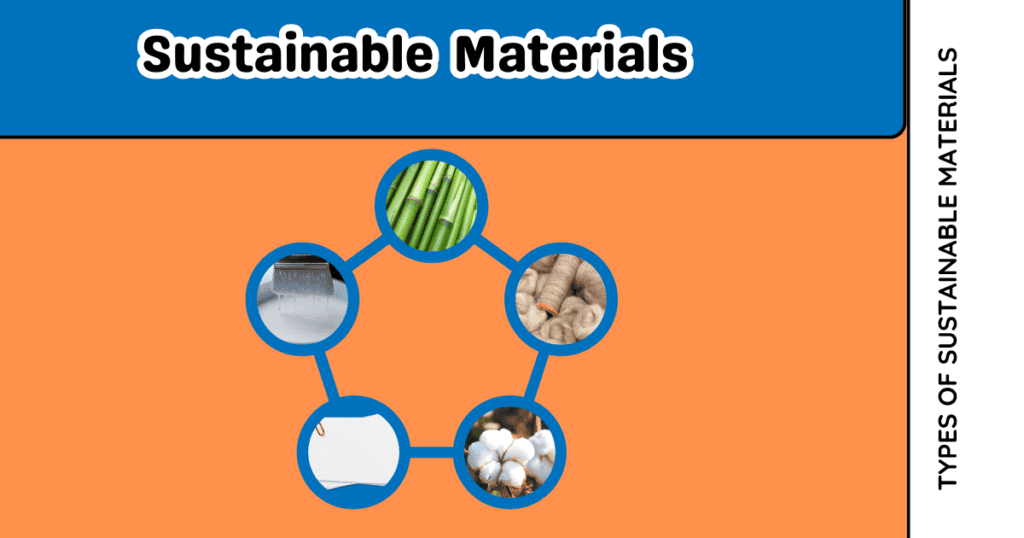
    Sustainable materials or ‘green materials’ refer to resources that have a reduced environmental impact throughout their life cycle compared to conventional alternatives. These can include renewable and biodegradable materials such as bamboo, wool, and cotton; recycled materials like paper, glass, and metal; and non-toxic materials like natural dyes and water-based paints. By using these materials, we can significantly reduce the negative impacts of production, use, and disposal on the environment.

    At the heart of this eco-conscious paradigm shift are sustainable materials — resources that meet present needs without compromising the ability of future generations to meet their own. Such materials are not a mere trend but a fundamental component of the stewardship the Earth urgently requires.

    Why Are Sustainable Materials Vital?

    Sustainable materials offer an escape from the linear consumption model, which extracts, consumes, and discards resources in perpetuity. They advocate for a circular economy, where materials are continually looped back into the manufacturing process, promoting longevity, reduction in waste, and preservation of natural resources.

    By reducing energy consumption, emissions, and pollutants, sustainable materials help mitigate climate change and protect ecosystems. They also support ethical values by promoting fair labor practices and minimizing the exploitation of workers.

    Types of Sustainable Materials

    Sustainable materials encompass various categories of resources, each with specific traits that make them environmentally friendly. These include biodegradable materials, renewable materials, recycled materials, and non-toxic materials.
    Sustainable Materials

    Each type has its own unique benefits and applications, but all share the common goal of reducing harm to the environment. Biodegradable materials, for instance, decompose naturally and do not harm the environment during disposal.

    There are several key categories of sustainable materials:

    1. Biodegradable Materials

    Biodegradability marks a milestone in the life cycle of materials. Items crafted from biodegradable materials can return to the earth safely within a relatively short time frame, typically by the action of microorganisms. The benefits are manifold, from reducing landfill pressure to preventing soil and water contamination.

    Examples and Benefits
    • Bioplastics: Derived from renewable plant sources like corn and sugarcane, bioplastics hold the promise of plastic utility without the eternal ecological footprint of conventional plastics.
    • Natural Fibers: Materials such as hemp, bamboo, and jute offer versatile alternatives to synthetic fibers, boasting sturdy, biodegradable properties.

    2. Recycled and Upcycled Materials

    Recycling and upcycling are potent tools in the sustainability arsenal. By reprocessing used materials into new products or materials of higher quality, both recycling and upcycling help to close the consumption loop.

    Examples and Benefits
    • Recycled Plastics: Companies are leaping toward the use of plastics derived from recycled content, turning waste materials into fresh, useful products that contribute to a cleaner planet.
    • Upcycled Textiles: The fashion industry is innovating with textiles created from pre-existing materials, offering style with a lower environmental impact.

    3. Renewable Materials

    Renewable materials are those sourced from natural elements that can be replenished at a rate equal to or faster than their rate of use. These resources are the cornerstones of a sustainable economy.

    Examples and Benefits
    • Timber and Wood Products: Sustainably harvested timber ensures forests can regenerate, providing a perpetual supply of wood for various applications without deforestation.
    • Solar Energy Materials: Photovoltaic technology harnesses the sun’s energy using materials that require minimal environmental inputs and produce renewable electricity.

    The Impact of Sustainable Materials

    The consequences of unsustainable materials are vast, and their impacts are far-reaching. Inefficient production processes, overconsumption, and improper waste management contribute to the depletion of natural resources, pollution of land and water, and endangerment of biodiversity.

    Unsustainable materials also have a significant carbon footprint, contributing to climate change by releasing greenhouse gases into the atmosphere. The negative effects on human health and ecosystems are evident, and without a shift towards sustainable materials, these problems will continue to worsen.

    Environmental Benefits

    The most immediate impact of sustainable materials is on the environment. By reducing the extraction of virgin resources and lessening the amount of waste that ends up in landfills or natural ecosystems, these materials help protect biodiversity, conserve energy, and mitigate climate change.

    Case Studies
    • Patagonia’s Recycled Polyester Jackets: Patagonia’s investment in sustainable materials is evident in its range of clothing items incorporating recycled materials. This initiative not only benefits the environment but also educates consumers about the possibility of sustainable fashion.
    • The Boring Company’s Tunnel Technology: Elon Musk’s tunnel construction venture is a visionary example of sustainable materials in action, utilizing recycled elements to create infrastructure in a resource-responsible manner.

    Social and Economic Impact

    Beyond ecological benefits, sustainable materials can bolster local economies and improve the lives of communities, particularly in developing nations with rich natural resources.

    Case Studies
    • IKEA’s Community Wood Initiatives: By supporting programs that promote responsible forestry and craftspeople, IKEA ensures that the materials they use benefit both the environment and society.
    • Interface’s Recycling Partnerships: Interface’s commitment to resource efficiency is a model for corporate social responsibility, fostering partnerships that not only source sustainable materials but also contribute to a circular economy through initiatives like Net-Works, which repurposes discarded fishing nets.

    Innovations in Sustainable Materials

    Innovations in sustainable materials are constantly pushing the boundaries of what is possible, offering new and exciting solutions to global environmental challenges. From revolutionary changes to existing materials, like the development of biodegradable plastic alternatives, to entirely new inventions, such as self-healing concrete, these innovations continue to transform industries and inspire a more sustainable mindset.

    Nanotechnology

    Nanotechnology, the manipulation of matter at an atomic or molecular scale, has brought about significant advancements in sustainable materials. It has allowed for the creation of stronger and more durable materials using fewer resources, as well as the development of new properties such as water and stain resistance. Applications range from eco-friendly building materials to lightweight and energy-efficient electronics.

    3D Printing

    3D printing, also known as additive manufacturing, has been gaining traction in the production of sustainable materials. This technology allows for precise and efficient use of resources, reducing waste during the manufacturing process.

    It also enables the creation of complex and customized designs using a variety of materials, including recycled ones. The potential for 3D printing to revolutionize industries such as construction and healthcare is immense, offering sustainable solutions to current challenges.

    Sustainable materials play a vital role in promoting environmental sustainability and mitigating the harmful effects of traditional manufacturing processes. From biodegradable and renewable materials to innovative technologies like nanotechnology and 3D printing, sustainable materials offer endless possibilities for creating a more environmentally responsible future.

    Practical Applications of Sustainable Materials

    The use of sustainable materials goes beyond just reducing environmental impact; it also offers practical benefits for individuals, businesses, and society as a whole. From cost savings to improved health and safety, the adoption of sustainable materials is proving to be a win-win situation for all stakeholders involved.

    Cost Savings

    The use of sustainable materials can lead to significant cost savings for businesses and individuals. For example, using renewable energy sources instead of non-renewable ones can reduce energy costs in the long run. Similarly, utilizing recycled materials in production processes can result in lower material costs and waste management expenses.

    Health and Safety

    Sustainable materials also offer health and safety benefits for both humans and the environment. For example, using biodegradable materials in food packaging reduces exposure to harmful chemicals found in traditional plastics. Using sustainable materials also supports a cleaner environment, which can lead to improved public health.

    Social Impact

    The adoption of sustainable materials has a positive social impact as well. It creates job opportunities in industries such as renewable energy and sustainable agriculture, promoting economic growth. It also encourages responsible consumption and production practices, leading to a more sustainable society.

    The use of sustainable materials is integral to achieving environmental sustainability. From biodegradable and recycled materials to renewable resources and innovative technologies, the potential for these materials to create a greener future is vast. By harnessing these materials and their practical applications, we can create a more sustainable world for generations to come.

    Read: What Innovation Changed the Textile Industry?

    Challenges and Future of Sustainable Materials

    The path to a sustainable future is not without obstacles. The adoption of sustainable materials faces challenges ranging from cost to consumer education and infrastructure limitations. Yet, the horizon is rich with potential as stakeholders collaborate, and technology evolves.

    Overcoming Obstacles

    To realize the full potential of sustainable materials, concerted efforts are necessary to address issues related to regulation, investment, and cultural norms.

    Collective Solutions
    • Policy Initiatives: Proactive policies and incentives can spur the adoption of sustainable materials, rewarding businesses that prioritize environmental stewardship.
    • Public Awareness Campaigns: Education and outreach are vital tools to cultivate a consumer base that demands and supports sustainable alternatives.

    Tomorrow’s Sustainable Materials

    The innovation pipeline for sustainable materials is overflowing with possibilities! As we move forward, here’s a peek at what the future holds for this exciting field:

    • Biomimetic Marvels: Nature has always been the ultimate engineer. Imagine buildings mimicking termite mounds for natural temperature regulation, or self-healing materials inspired by the regenerative powers of lizards. Biomimicry will play a key role in designing sustainable materials with superior functionality and lower environmental impact.
    • Rise of the Machines: Automation and artificial intelligence (AI) will revolutionize sustainable material production. AI can optimize complex processes, minimize waste, and even design new materials with previously unforeseen properties. This will lead to more efficient and eco-friendly manufacturing.
    • A Circular Economy Takes Root: The concept of a circular economy, where materials are reused and recycled endlessly, will become mainstream. Imagine buildings constructed from prefabricated, recycled components, designed for disassembly and re-use in future projects. Sustainable materials will be engineered for repairability and adaptability, reducing our reliance on virgin resources.
    • Mushrooms Take Over (Not Really, But Almost!) Mycelium, the root network of fungi, is emerging as a game-changer. Mycelium-based materials are not only biodegradable but also hold promise for insulation, packaging, and even construction applications. Research suggests they can even be used to purify polluted environments!
    • A Material World, Reimagined: The future of sustainable materials isn’t just about replacing existing ones. We can expect entirely new categories of materials with unique properties. Imagine fabrics that capture and convert solar energy to power wearable electronics, or self-cleaning surfaces that eliminate the need for harsh chemicals.

    This glimpse into the future paints an optimistic picture. By embracing innovation and collaboration, sustainable materials have the potential to revolutionize the way we build, consume, and interact with the world around us. Stay tuned for further explorations into this exciting realm!

    Conclusion

    Sustainable materials are not just a buzzword; they are the fabric of a greener, more resilient planet. From the battlefields of waste reduction to the frontier of material science, their significance is unambiguous.

    It is through their adoption and proliferation that we lay the groundwork for a future where resource use is married to the rhythms of the natural world, ensuring a legacy that future generations will cherish. The time to act is now, and sustainable materials are the keys to unlocking our collective potential for a healthier, more harmonious world.

  • Environmental Packaging – A Comprehensive Guide

    Environmental Packaging – A Comprehensive Guide

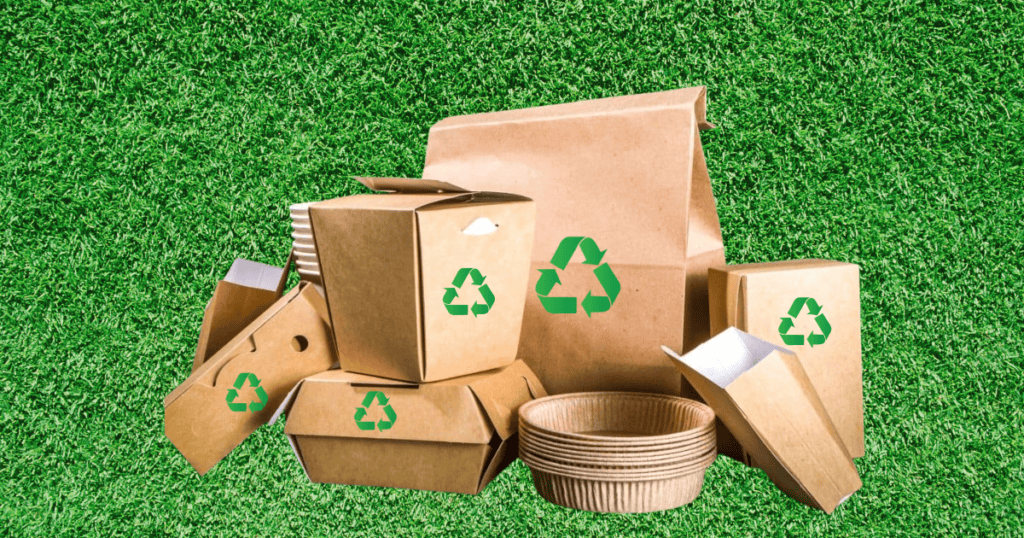
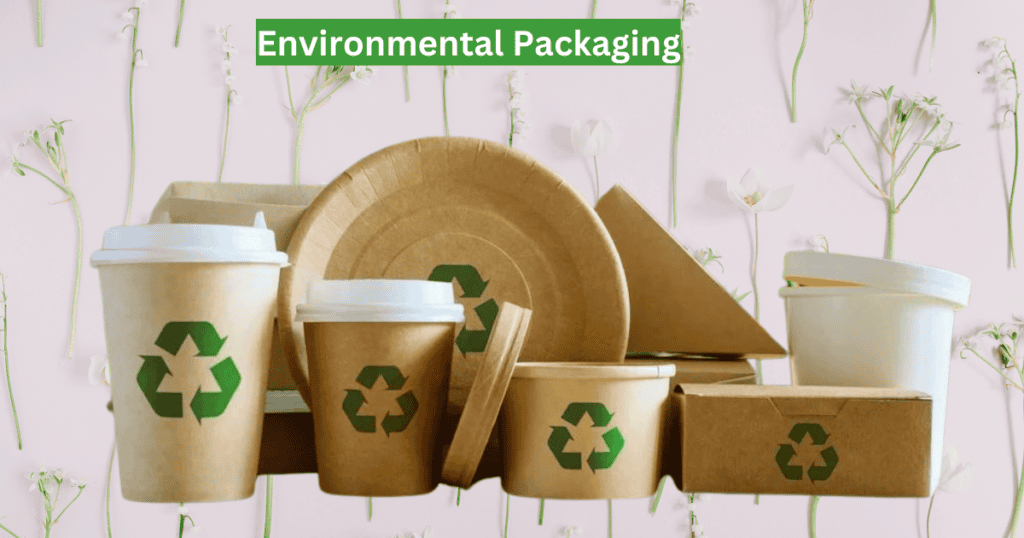
    Imagine a world where the packaging protecting your purchases doesn’t come at the cost of the environment. This vision is becoming a reality with the rise of environmental packaging.

    Environmental Packaging

    While traditional plastic packaging has long been the norm, its environmental impact is undeniable. Landfills overflowing with plastic waste and oceans choked by microplastics paint a stark picture. However, environmental packaging offers a powerful solution. By utilizing sustainable materials and innovative designs, we minimize our environmental footprint and pave the way for a more responsible future.

    This article delves deep into the world of environmental packaging, exploring its benefits, diverse materials, and how businesses and consumers can embrace this game-changer.

    What is Environmental Packaging?

    Environmental packaging is the process of packing various products with eco-friendly elements. It comprises plants, paper, cardboard, and many natural ingredients. It may also include compostable PLA, such as cellulose.

    The aim of using such materials is to reduce environmental costs. Our product should not pollute our environment. These should be sustainable and eco-friendly. So, if we use environmentally friendly materials, we can use them repeatedly. Besides, it will not ruin our world. Additionally, we can compost to use in crops.

    Importance of Environmental Packaging

    It is essential to use eco-friendly materials in business and daily life. It is our world. Our responsibility is to protect it. If we destroy it, our descendants will not be able to survive here.

    The entire earth produces 10 billion plastic bags weekly. The problem with plastic is that it never degrades. They hardly compost themselves gradually. As a result, it reduces the fertility of our lovely land.

    An adult consumes about 2000 microplastics through seafood and water in a year. It can cause cancer and lung disease, reduce the fertility of humans, and much more. We should use alternative, sustainable materials to package various inventories.

    Moreover, a business should always prefer its audience. Otherwise, they will lose customers and may crash one day. Some institutions have done a study in North America. They found that 69% of customers are ready to pay more for eco-friendly product packaging.

    Even globally, 40% of consumers preferred ecologically sound products. So, if you want to grow your company, you should use sustainable packaging.

    If you use sustainable materials, they will not cause any harm to humans or the environment. Instead, they will be beneficial for us. We can compost them to increase the fertility of our land and grow more crops. Moreover, recycling some sustainable materials can reduce packaging costs.

    Types of Ecologically Sound Packaging

    Eco-Friendly Packaging

    There are three main types of environmental packaging. They are as follows:

    • Recyclable package
    • Biodegradable package
    • Reusable package

    Recyclable package

    Recyclable packaging consists of packages that can be recycled again. The consumer or business may not be able to use it again. However, if they recycle it, then they can use it again. As a result, it reduces waste.

    The recyclable packages have to be sent to specialized factories for recycling. Otherwise, they might be thrown to the ground.

    Usually, recyclable packages are made of paper, cardboard, aluminum, glass, etc. Sometimes, they may catch unremovable stains. Then, it becomes difficult to recycle them. However, if it is possible to remove those stains and other identifiable labels, they could be recycled easily.

    Biodegradable package

    Another category of ecological package is the biodegradable package. They are mainly made of plants. It includes but is not limited to rice, corn, mushrooms, etc.

    Most of the time, they degrade and do not cause any damage to our country. It can be used for soil fertilizer if it can be appropriately decomposed. So, it is beneficial in two ways.

    Reusable package

    The final category is reusable packaging. These sorts of packages cannot be decomposed. Instead, we can use them repeatedly for various purposes for decades.

    They are usually made of glass, metals, still, silicons, etc. We can use them to preserve food and carry various materials. We do not throw them away. Instead, we can repurpose them.

    How Businesses and Consumers Can Drive Environmental Packaging

    Environmental packaging presents a revolutionary shift in the way we protect products and minimize environmental impact. But how can this game-changer be truly embraced? Here’s how both businesses and consumers can play a crucial role:

    Businesses: Leading the Sustainable Shift

    • Embrace Innovation: Explore the diverse world of sustainable materials like recycled content, compostable options, and minimal packaging solutions. Partner with suppliers who offer high-quality, eco-friendly packaging options.
    • Life Cycle Thinking: Conduct a life cycle assessment to understand the environmental impact of your current packaging and identify opportunities for improvement. Design for sustainability, optimizing packaging for functionality while minimizing material usage.
    • Transparency and Communication: Clearly communicate your commitment to environmental packaging to stakeholders like retailers and consumers. Highlight the sustainable materials used and provide information on proper disposal or recycling.

    Consumers: Making Conscious Choices

    • Become Informed: Educate yourself about different types of environmental packaging and their benefits. Look for certifications and symbols that indicate recycled content, compostability, or other sustainable practices.
    • Support Sustainable Brands: Do your research and prioritize brands that prioritize sustainability throughout their operations, including their packaging choices. Your purchasing decisions send a powerful message.
    • Responsible Disposal: Play your part! Follow proper disposal or recycling guidelines based on the packaging material used. Compost compostable options, recycle what can be recycled, and dispose of non-recyclable materials responsibly.

    By working together, businesses and consumers can create a powerful force for change. Businesses can develop innovative and affordable sustainable packaging solutions, while consumers can drive demand for these options through their purchasing decisions.

    Read: How is Renewable Energy Technology Transforming the World?

    Some Alternate Examples of Environmental Packaging

    Although packaging material is necessary, price is also a significant factor in selecting a product in developing countries. Instead, brand value and reputation are preferable factors in selecting a product.

    While Indian customers understand environmental costs, they mostly prefer price and product quality over eco-friendly packaging. About 70% of participants in a study have shared that they would prefer price first before determining ecologically sound packaging.

    However, they understand the importance of ecologically sound packaging. If policymakers could play a role in reducing prices and offering incentives for environmentally friendly packaging and products, they may prefer those products. As a result, it could reduce the burden on our lovely planet.

    However, another study has argued against the above view. The study has found a positive view towards environmentally friendly packaging and products. Since e-commerce is evolving and online shopping is growing, digital customers are becoming aware of the environmental costs of packaging and products. They prefer ecologically sound packaging over price. It has been mentioned that more people would prefer sustainable packaging if adequately educated.

    Conclusion

    The world of packaging is undergoing a transformation. Environmental packaging, with its focus on sustainable materials and innovative designs, offers a beacon of hope for a future where protecting products doesn’t come at the expense of our planet.

    Businesses have the opportunity to lead the charge by embracing innovation and transparency. Consumers, empowered by knowledge, can make informed choices and support brands aligned with their values.

    Ultimately, people should choose environmental packaging instead of low-priced and convenient plastics. Instead, they should use more environmentally friendly packaging. As a result, we would build a healthy planet for future generations.

  • Economy Circular: Break Free from the Take-Make-Waste Cycle

    Economy Circular: Break Free from the Take-Make-Waste Cycle

    Imagine a world where our planet’s resources are treated not as a finite well to exploit, but as a precious ecosystem to nurture. A world where products are designed not for a single use and discard, but for longevity, adaptability, and ultimately, a second, third, or even fourth life. This visionary approach to consumption and production is the essence of the economy circular, also known as circularity (CE).

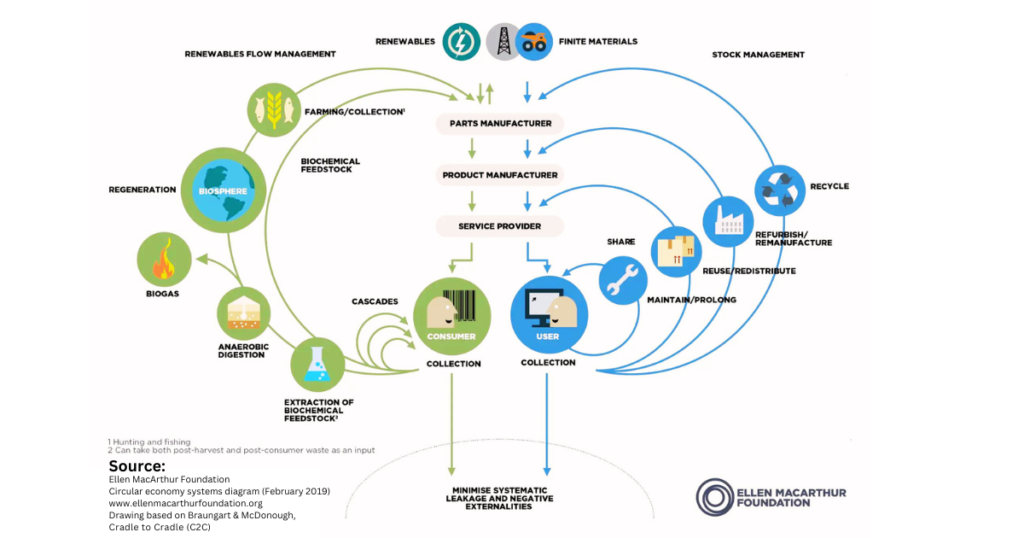
    The economy circular/ circular economy is a visionary approach to consumption and production that focuses on resource circulation rather than extraction, production, consumption, and disposal. It aims to keep products and materials in use for as long as possible, minimizing waste and maximizing efficiency.

    This model contrasts with the current “take-make-dispose” model, which assumes limitless resources and an ever-expanding capacity for waste absorption. The circular economy emphasizes reuse, refurbishment, remanufacturing, and recycling, with inspiring examples of companies and communities embracing circular practices. The circular economy offers both challenges and opportunities for creating a more sustainable future.

    Throughout this article, we will delve into the principles of the circular economy, exploring its core tenets like reuse, refurbishment, remanufacturing, and recycling. We will showcase inspiring examples of companies and communities embracing circular practices.

    Besides, we will explore the challenges and opportunities that lie ahead, and most importantly, we will highlight the role each of us can play in creating a more sustainable future through the circular economy.

    Understanding the Circular Economy

    Circularity (CE), another name for an economy circular, is a paradigm that emphasizes reusing, recycling, and other methods to maintain goods and resources in circulation. Materials are rented, shared, fixed, renovated, and used as often as feasible under this paradigm.

    The intention is to do away with goods sales and implement a rental property system. After the product has served its purpose, it is brought back to the manufacturer and disassembled so that the functional pieces can be reused.

    The circular economy is a systemic shift towards a more sustainable model of production and consumption. In contrast to the linear “take-make-dispose” model, it prioritizes keeping resources in use for as long as possible. Imagine a circular loop, where products and materials are designed for durability, repairability, and ultimately, reintegration back into the system at the end of their lifespan.

    Imagine a future, says Ellen MacArthur, Founder of the Ellen MacArthur Foundation, where resources are used as long as feasible, objects are built to last, and waste is nonexistent. This is the circular economy, which represents a radically altered method of creating, manufacturing, and consuming. A systematic change toward a more sustainable model of production and consumption is known as the circular economy.

    This revolutionary approach is built upon a foundation of core principles:

    Economy Circular
    • Reduce: The first and most crucial step is minimizing resource extraction at the source. This involves designing products with fewer materials, using recycled content, and encouraging mindful consumption habits.
    • Reuse: Extending the lifespan of existing products is a cornerstone of the circular economy. This can be achieved through encouraging product repair, promoting secondhand markets, and designing products for multiple uses.
    • Refurbish: Giving a product a new lease on life through repairs and upgrades is another key principle. This can involve replacing worn-out components, restoring functionality, and extending a product’s usable life.
    • Remanufacture: When refurbishment isn’t feasible, remanufacturing offers an alternative. In this process, high-quality components from used products are disassembled, cleaned, and reassembled into new products.
    • Recycle: At the end of a product’s useful life, the remaining materials shouldn’t be discarded. Advanced recycling technologies allow us to recover valuable materials from waste streams and reintroduce them back into the production cycle.

    Benefits for All:

    The circular economy offers a win-win scenario for the environment, the economy, and society as a whole. Let’s explore these benefits in detail:

    Environmental Benefits:
    • Reduced Resource Extraction: By prioritizing resource circulation, the circular economy helps us move away from reliance on virgin resources. This translates to less mining, deforestation, and overall environmental impact.
    • Minimized Waste Generation: Since products are designed for multiple lifespans and materials are recovered at the end of life, the circular economy significantly reduces waste generation. This translates to less pressure on landfills and a cleaner environment.
    • Reduced Pollution: The extraction, processing, and disposal of materials often contribute significantly to air, water, and soil pollution. The circular economy’s focus on resource efficiency and closed-loop systems helps minimize this pollution.

    Examples: Consider closed-loop water systems in buildings or industrial facilities. These systems capture and treat wastewater, making it suitable for reuse within the same system. Similarly, composting food scraps and yard waste diverts organic materials from landfills and creates a valuable nutrient-rich soil amendment.

    Economic Benefits:
    • Cost Savings for Businesses: Businesses can benefit from reduced reliance on virgin materials through the circular economy. This can lead to cost savings on raw materials and waste disposal fees. Additionally, designing for durability and repairability can minimize warranty claims and product returns.
    • Job Creation: The circular economy fosters new sectors like repair, refurbishment, and remanufacturing. This translates to job creation across various skill sets, from technicians specializing in product repair to engineers designing for disassembly and reintegration.
    • Potential Economic Benefits for Consumers: While upfront costs for some circular products might be higher initially, the extended lifespan and potential for repair can lead to long-term savings for consumers.
    Social Benefits:
    • Improved Resource Security: By maximizing resource utilization, the circular economy fosters greater resource security for communities and nations. This reduces dependence on finite resources and promotes long-term sustainability.
    • Community Development: Local repair businesses and reuse initiatives contribute to community development by creating jobs, fostering skills development, and promoting a sense of environmental responsibility.

    By adopting the principles of the circular economy, we can create a more sustainable future for generations to come. The environmental benefits are clear – a reduction in resource depletion, waste generation, and pollution. The economic opportunities are also enticing – cost savings for businesses, job creation, and potentially, long-term benefits for consumers.

    And the social impact, from improved resource security to community development, shouldn’t be overlooked. The circular economy offers a holistic approach to building a thriving society in harmony with our planet.

    Examples in Action

    The circular economy isn’t just a theoretical concept; it’s being embraced across various sectors, transforming how we produce, consume, and manage resources. Here, we’ll delve into inspiring examples that showcase the power of circularity in action:

    1. Closing the Loop on Plastic:

    Plastic pollution is a major environmental concern. The circular economy offers a solution through recycling plastic to create new products. Companies are developing innovative technologies to efficiently sort and reprocess plastic waste into high-quality materials. This recycled plastic can then be used to manufacture bottles, packaging materials, and even clothing, reducing reliance on virgin plastic and minimizing plastic waste.

    2. Turning Kitchen Scraps into Black Gold:

    Food waste is a significant contributor to landfill methane emissions. Composting offers a sustainable solution. By composting food scraps and yard waste, we can create nutrient-rich soil amendment, reducing our reliance on chemical fertilizers and diverting organic waste from landfills. This “black gold” nourishes our gardens and promotes healthy plant growth, completing a beautiful circular cycle.

    3. Making Products Last Longer:

    The circular economy prioritizes extending the useful life of products. This can be achieved through various means. Manufacturers are designing products with durability and repairability in mind. Imagine appliances with modular components that can be easily replaced, or electronics designed for user upgrades, extending their functionality and reducing the need for frequent replacements. Additionally, promoting repair services and readily available spare parts empowers consumers to keep their products functioning for longer.

    4. Designing for Circularity:

    From the very beginning, the circular economy emphasizes designing products with a closed-loop system in mind. Design with an aim of durability and easy repair is crucial. Imagine smartphones with easily replaceable batteries or clothing designed with repairable seams. This thoughtful approach minimizes waste during the product’s life cycle and facilitates dismantling and material recovery at the end of its usable life.

    5. Renewable Energy: Powering a Sustainable Future:

    The circular economy extends beyond physical products. Renewable energies like solar, wind, and geothermal power offer a sustainable alternative to fossil fuels. These renewable sources provide clean energy, reduce our dependence on finite resources, and minimize environmental pollution. Similarly, decentralized energy systems, where communities generate and manage their own power, promote energy efficiency and reduce reliance on traditional energy grids.

    6. Rethinking Packaging:

    Single-use plastic packaging is a major source of waste. The circular economy promotes reusable and returnable packaging. Companies are developing innovative solutions like refillable containers for household products or reusable packaging systems for online deliveries. These alternatives significantly reduce waste generation and create a closed-loop system for packaging materials.

    These are just a few examples of the many ways the circular economy is taking root across industries. From empowering individuals to repair their electronics to offering sustainable packaging solutions and promoting product longevity through innovative service models, the circular economy is transforming the way we consume, produce, and manage resources.

    Reducing Waste, Saving Resources, and Contributing to the Circular Economy

    The circular economy thrives on a collective effort. While systemic changes are crucial, individual choices and actions have a significant impact on resource use and waste generation. Here’s how you can become an active participant in the circular economy:

    • Reduce Waste at the Source: The most effective way to minimize waste is to avoid creating it in the first place. This translates to mindful consumption habits. Before making a purchase, consider the product’s true need. Can you borrow it from a friend? Could you purchase a pre-owned item? Opt for multi-purpose products to reduce the overall number of items you own.
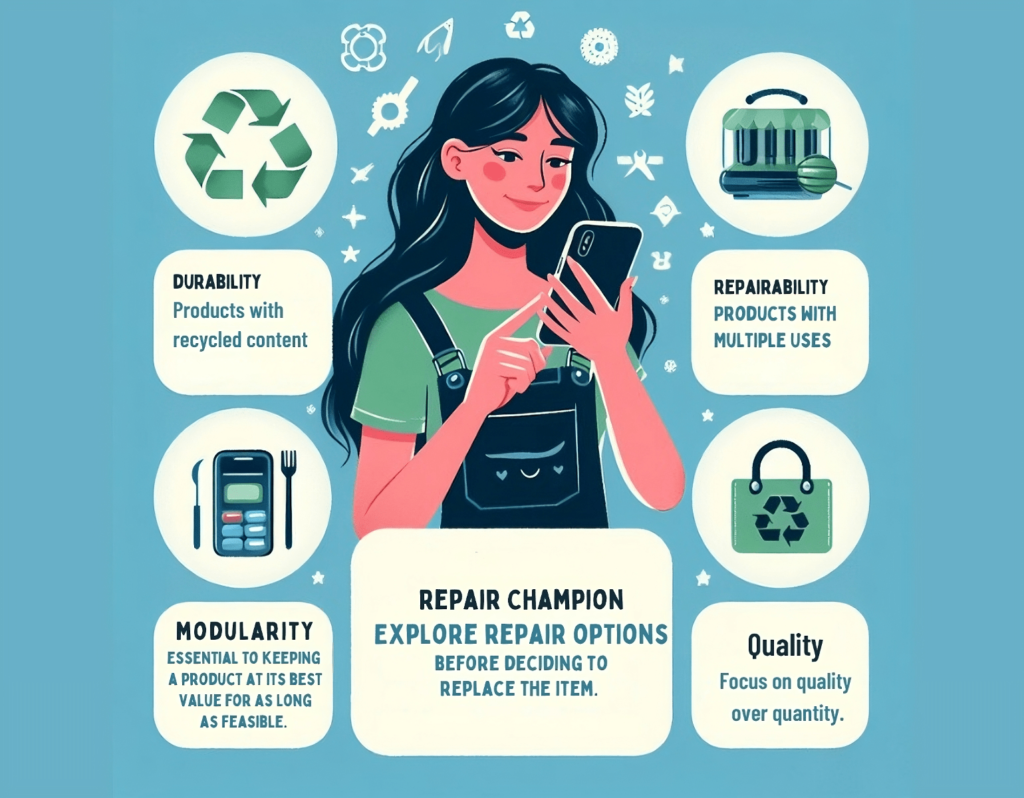
    • Embrace Durability and Repairability: Look for products built to last. Check warranty information and choose items with readily available replacement parts. Prioritize products designed for repairability. Simple repairs can significantly extend a product’s lifespan and keep it out of landfills.
    • Become a Repair Champion: Don’t be quick to discard a broken item. Explore repair options before resorting to replacement. Many online resources offer repair guides and tutorials. Local repair shops can breathe new life into your electronics, appliances, and clothing.
    • Master the Art of Reuse: Give pre-owned items a second chance. Shop at thrift stores, consignment shops, or online marketplaces for gently used items. Consider holding clothing swaps with friends or donating unwanted items to charity. Get creative – repurpose old jars, containers, and furniture instead of throwing them away.
    • Embrace Sustainable Consumption Practices: Be mindful of your daily habits. Reduce your reliance on single-use plastics by carrying reusable shopping bags and water bottles. Opt for products with minimal packaging. Compost food scraps and yard waste to create nutrient-rich soil amendments.

    By incorporating these practices into your daily routine, you’ll not only reduce your own waste footprint but also contribute to a more circular future. Remember, every small action adds up. As more and more individuals embrace mindful consumption and prioritize reuse and repair, the collective impact becomes significant.

    Read: How is Renewable Energy Technology Transforming the World?

    Challenges & Opportunities

    The transition towards a circular economy presents both challenges and exciting opportunities. In this section we will talk about the challenges and opportunities of Economy Circular. Let’s explore these in detail:

    Acknowledging Challenges:

    While the circular economy holds immense promise, it’s not without its hurdles. Here are some key challenges we need to address:

    • Consumer Behavior Change: Shifting consumer preferences towards repairing and reusing products instead of opting for the allure of the “new” requires a cultural shift. Promoting awareness about the environmental impact of our consumption habits and highlighting the benefits of product longevity are crucial steps.
    • Infrastructure Development: A robust infrastructure for reuse and recycling is essential for a thriving circular economy. This includes efficient collection systems for used products, dismantling and sorting facilities, and advanced recycling technologies. Investing in and developing this infrastructure is key to creating a closed-loop system.
    • Policy Frameworks: Supportive policy frameworks are needed to incentivize circular practices and discourage waste generation. This could involve implementing extended producer responsibility schemes, where manufacturers are held accountable for the end-of-life management of their products. Tax breaks for businesses embracing circular practices and subsidies for consumers choosing repair or reuse services could further accelerate the transition.

    The Power of Opportunity:

    Despite these challenges, the circular economy presents a wealth of opportunities:

    • Design Innovation: Product design plays a pivotal role in the circular economy. Innovation in design for durability, repairability, and disassembly is crucial. Imagine products with modular components that can be easily replaced or upgraded, extending their lifespan. Designing products with disassembly in mind facilitates the recovery of valuable materials for use in new products.
    • Collaboration: The transition to a circular economy requires collaboration across stakeholders. Businesses have a role to play in adopting circular design principles, while governments can create enabling policy frameworks. Research institutions can develop innovative technologies for resource recovery and material science. Consumers play a crucial role by making informed choices and supporting circular businesses. A multi-stakeholder approach is vital to realizing the full potential of the circular economy.
    • Technological Advancements: Technological advancements are constantly reshaping the landscape of resource recovery. Advanced recycling technologies allow us to extract valuable materials from complex waste streams, reducing our reliance on virgin resources. Biomimicry, the practice of learning from nature’s closed-loop systems, offers inspiration for designing more efficient and sustainable products. By embracing technological advancements, we can create a circular economy that is not only environmentally sound but also economically viable.

    These challenges and opportunities are not insurmountable. Through a combination of strategic planning, innovation, and collaboration, we can pave the way for a more sustainable future powered by the principles of the circular economy.

    Our Collective Responsibility

    The circular economy isn’t just an abstract concept; it’s a call to action for each of us. While systemic change is necessary, individual choices and actions play a crucial role in driving the transition. Here’s how you can contribute to a more circular future:

    Economy Circular

    Individual Action:

    • Embrace Mindful Consumption: Before making a purchase, consider the product’s durability, repairability, and potential lifespan. Opt for products made with recycled content and designed for multiple uses. Resist the urge for impulse purchases and focus on quality over quantity.
    • Become a Repair Champion: Don’t be quick to discard a broken item. Explore repair options before resorting to replacement. Many online resources offer repair guides and tutorials, and local repair shops can breathe new life into your electronics, appliances, and clothing.
    • Support Circular Businesses: Seek out and support businesses embracing circular practices. Look for companies offering refillable packaging options, product-as-a-service models, or extended repair warranties. By supporting these businesses, you send a powerful message and contribute to the growth of the circular economy.

    Businesses & Policymakers:

    • Businesses: Integrate circularity into your core business strategy. Embrace design for durability, modularity, and disassembly. Invest in repair and refurbishment programs, and explore innovative take-back and recycling schemes. By adopting these principles, businesses can not only contribute to a sustainable future but also unlock new revenue streams and enhance brand reputation.
    • Policymakers: Enact policies that incentivize circular practices and discourage waste generation. Support research and development in resource recovery technologies. Implement extended producer responsibility schemes and create a regulatory environment that fosters innovation and collaboration within the circular economy.

    By working together, individuals, businesses, and policymakers can create a powerful force for change. The circular economy isn’t just a future possibility; it’s a path we can collectively pave through informed choices, innovative practices, and collaborative action.

    Conclusion:

    The current “take-make-dispose” economic model is unsustainable. Our planet’s resources are finite, and our waste generation is reaching a tipping point. The circular economy offers a transformative alternative. By prioritizing resource circulation, minimizing waste, and maximizing resource efficiency, it paves the way for a more sustainable future.

    The power of the circular economy lies in its collective impact. Individuals can embrace mindful consumption, prioritize repair over replacement, and support businesses embracing circular practices. Businesses can integrate circularity into their core strategy, design for longevity, and invest in innovative recycling solutions. Policymakers can create supportive frameworks that incentivize circularity and discourage waste generation.

    The transition to a circular economy won’t be without challenges, but the potential rewards are immense. By working together, we can create a future where resources are valued, waste is minimized, and our planet thrives. The circular economy is not just a dream; it’s a call to action for a more sustainable and prosperous future for generations to come. Let’s embrace this opportunity to create a better tomorrow, together.

    What is the circular economy?

    The circular economy is a system designed to keep resources in use for as long as possible. It prioritizes recycling, reuse, and refurbishment of products and materials to minimize waste and pollution.

    How is the circular economy different from the linear economy?

    The traditional “linear economy” follows a take-make-dispose model, where resources are extracted, used, and then discarded. The circular economy, in contrast, focuses on creating closed-loop systems where materials are recovered and reintroduced into the production cycle.

    What are the benefits of the circular economy?

    The circular economy offers numerous benefits, including:
    1. Reduced waste generation and pollution
    2. Conservation of precious resources
    3. Creation of new jobs in repair, reuse, and recycling sectors
    4. Potential cost savings for businesses and consumers

    How can I contribute to the circular economy?

    There are many ways you can contribute to the circular economy:
    Make mindful consumption choices – prioritize durable, repairable products
    Embrace repair over replacement whenever possible
    Support businesses with circular practices, like those offering refillable packaging or repair services
    Reduce your reliance on single-use plastics
    Compost food scraps and yard waste

    4 principles of circular economy

    A production and consumption paradigm known as the “circular economy” emphasizes sharing, reusing, mending, and recycling already-existing materials and goods. The four R imperatives—reduce, reuse, recycle, and recover—are the cornerstones of the circular economy.

    What are some examples of the circular economy in action?

    Examples of the circular economy include:
    Recycling plastic bottles into new clothing or packaging materials
    Repairing electronics and appliances to extend their lifespan
    Using refillable containers for household products
    Designing products with modular components for easy disassembly and repair
    Utilizing renewable energy sources like solar and wind power