Category: Product Reviews

Unbiased tech product reviews at Tech Innovation Pro. Find in-depth analysis, real-world testing, and honest comparisons. Buy with confidence, explore now!

  • The Best Amazon Echo Devices in 2024: Best Smart Speakers Guide

    The Best Amazon Echo Devices in 2024: Best Smart Speakers Guide

    In the world of smart home technology, Amazon Echo devices have consistently been at the forefront, offering a range of features that enhance convenience and connectivity in our daily lives. Whether you are a tech enthusiast or just someone looking to add a bit of futuristic flair to your home, Amazon’s lineup of Echo devices for 2024 is worth considering.

    In this article, we will explore the top Echo devices of this year, diving into their features, benefits, and what sets them apart.

    Amazon Echo devices, powered by the intelligent voice assistant Alexa, have become a staple in smart homes. From playing music and controlling smart home devices to providing weather updates and setting reminders, these devices offer a wide array of functionalities.

    Let’s delve into the top Echo devices available in 2024.

    Echo Dot (4th Generation)
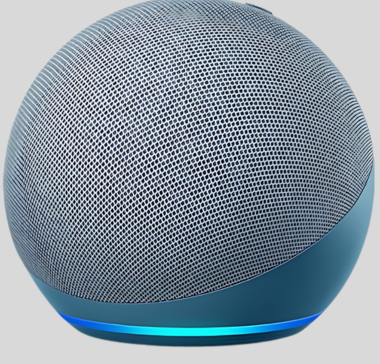
    Echo Dot

    The Echo Dot (4th Gen) is your affordable entry point to the world of Alexa. This voice-controlled smart speaker delivers crisp audio, lets you manage your smart home devices, and provides access to music, podcasts, and information – all at a budget-friendly price.

    Design and Build Quality

    The Echo (4th Gen) comes with a sleek, spherical design that is both modern and functional. Its fabric finish adds a touch of elegance, making it a stylish addition to any room. The design is not just about aesthetics; the shape and materials also contribute to improved acoustics.

    Audio Performance

    This model offers a robust audio experience with a 3-inch woofer and dual tweeters. It produces a rich, full sound that can easily fill a room, making it perfect for music lovers. The device also automatically adapts to the acoustics of your space, providing the best possible listening experience.

    Smart Home Integration

    The Echo (4th Gen) serves as a smart home hub with Zigbee integration, allowing you to control a wide range of compatible devices with ease. Whether it’s adjusting your lights, setting the thermostat, or locking your doors, this Echo makes managing your smart home effortless.

    Price and Availability

    Priced competitively, the Echo (4th Gen) offers great value for its features. It’s widely available on Amazon and other major retailers.

    Pros and Cons

    Pros:

    • Excellent sound quality
    • Sleek design
    • Integrated smart home hub

    Cons:

    • There were no significant upgrades from the previous generation

    The Echo Dot remains one of the most popular Echo devices, and the 5th generation takes it to new heights.

    Use Cases:

    • Perfect for bedrooms, kitchens, or small living spaces.
    • Ideal for streaming music, setting timers, and controlling smart home devices.

    Echo Dot (5th Gen)
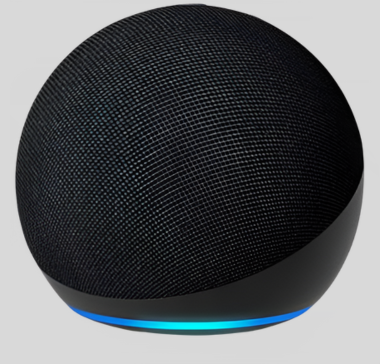
    Echo Dot

    The all-new Echo Dot (5th Gen) packs improved sound quality into its familiar, compact design. Control your smart home, set alarms and timers, and enjoy clear, vibrant music with just your voice. Plus, the upgraded LED display shows you the time, weather, and more at a glance.

    Compact Design

    The Echo Dot (5th Gen) maintains the sleek and compact design that has made its predecessors so popular. With its small, spherical shape, this device can easily fit into any room without drawing too much attention. The fabric finish adds a touch of elegance, making it a stylish addition to your home decor. Its unobtrusive size makes it perfect for bedside tables, kitchen counters, or any small space where you need an intelligent assistant.

    Sound Quality

    Despite its compact size, the Echo Dot (5th Gen) delivers impressive sound quality. Amazon has upgraded the speaker system to provide clearer vocals and deeper bass compared to previous models. Whether you’re listening to music, podcasts, or audiobooks, the Echo Dot ensures a rich and immersive audio experience. It’s designed to fill small to medium-sized rooms with crisp, balanced sound, making it ideal for personal use or small gatherings.

    Alexa Features

    The Echo Dot (5th Gen) is powered by Alexa, Amazon’s versatile voice assistant. With Alexa, you can control smart home devices, set alarms, check the weather, play music, and much more—all hands-free. Alexa’s capabilities have expanded significantly, with new skills and integrations added regularly. This means your Echo Dot can continuously evolve, offering more features and functionality over time. Additionally, the device supports voice recognition, allowing for personalized responses based on individual user profiles.

    Price and Availability

    One of the most appealing aspects of the Echo Dot (5th Gen) is its affordability. Priced competitively, it offers excellent value for its features and performance. It’s available through Amazon and other major retailers, often with special discounts during sales events like Prime Day or Black Friday. This accessibility and affordability make it an attractive option for anyone looking to add a smart speaker to their home without breaking the bank.

    Pros and Cons

    Pros:

    • Compact and Stylish Design: Fits seamlessly into any room without taking up much space.
    • Improved Sound Quality: Delivers clear vocals and deep bass, enhancing your listening experience.
    • Versatile Alexa Features: Wide range of functionalities and continuous updates.
    • Affordable Price: Offers great value for its price of $49.99, making it accessible to a broad audience.

    Cons:

    • Limited Sound Power: While great for small to medium rooms, it may not be sufficient for larger spaces.
    • Dependent on Internet Connection: Requires a stable internet connection to function optimally.

    Use Cases:

    • Bedroom: Perfect for setting alarms, playing music to wake up, or controlling smart lights.
    • Kitchen: Great for setting timers, getting recipe ideas, or controlling smart appliances.
    • Living Room: Ideal for playing background music, controlling entertainment systems, or managing other smart home devices.

    The Echo Dot (5th Gen) stands out as a versatile and budget-friendly smart speaker, making it a top choice for anyone looking to enhance their home with the convenience of Alexa. Whether you’re new to smart home technology or looking to expand your existing setup, the Echo Dot (5th Gen) is a reliable and stylish option.

    Echo Studio
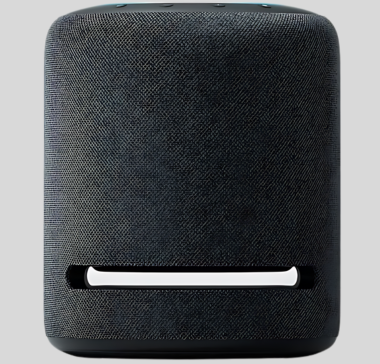
    Echo Studio


    Immerse yourself in sound with the Echo Studio. This high-fidelity smart speaker boasts Dolby Atmos and spatial audio processing for a room-filling, 3D audio experience. Built-in Alexa lets you control your music, smart home devices, and more, all with your voice.

    Premium Design

    The Echo Studio boasts a premium design that sets it apart from other smart speakers. Its robust, cylindrical body is crafted from high-quality materials, ensuring durability and a sleek, modern look. The fabric covering and subtle LED lighting give it an elegant appearance, making it a stylish addition to any room. With its larger size compared to other Echo devices, the Echo Studio is designed to be a focal point in your home audio setup.

    High-Fidelity Audio

    When it comes to sound quality, the Echo Studio excels with its high-fidelity audio capabilities. It features five strategically positioned speakers that produce powerful bass, dynamic midrange, and crisp highs. The result is a rich and immersive sound experience that brings your music, movies, and podcasts to life. Whether you’re a casual listener or an audiophile, the Echo Studio delivers audio performance that rivals more expensive, dedicated speakers.

    3D Audio and Dolby Atmos

    One of the standout features of the Echo Studio is its support for 3D audio and Dolby Atmos. This technology creates a multi-dimensional soundscape, making you feel like you’re in the middle of the action. With Dolby Atmos, sound moves around you in three-dimensional space, adding depth and realism to your listening experience. This makes the Echo Studio an excellent choice for home theater setups, where immersive audio can significantly enhance your enjoyment of movies and TV shows.

    Smart Home Integration

    The Echo Studio is more than just a high-quality speaker; it’s also a powerful hub for smart home integration. Powered by Alexa, it allows you to control a wide range of smart home devices using just your voice. From adjusting the thermostat to turning off the lights, the Echo Studio can manage all your smart home needs seamlessly. Additionally, it supports Zigbee, a popular smart home protocol, making it compatible with an even broader array of devices.

    Price and Availability

    Given its advanced features and superior audio quality, the Echo Studio is priced higher than other Echo devices, but it offers excellent value for audiophiles and smart home enthusiasts. It is available on Amazon and other major retailers, often with discounts during promotional events. The investment in an Echo Studio is justified by its exceptional performance and versatility, making it a worthwhile addition to any home.

    Pros and Cons

    Pros:

    • Premium Design: Elegant and robust build quality that enhances any room’s decor.
    • Exceptional Audio Quality: High-fidelity sound with powerful bass and clear highs.
    • 3D Audio and Dolby Atmos: An Immersive sound experience for movies, music, and more.
    • Smart Home Hub: Integrated Alexa and Zigbee support for extensive smart home control.

    Cons:

    • Higher Price Point: More expensive than other Echo devices, it’s $199.99.
    • Larger Size: Takes up more space, which may not be suitable for smaller rooms.

    Use Cases

    • Home Theater: Perfect for creating an immersive audio experience with Dolby Atmos.
    • Living Room: Ideal for high-quality music playback and controlling smart home devices.
    • Audio Enthusiasts: Excellent choice for those who demand superior sound performance in their smart speaker.

    The Echo Studio stands out as a premium smart speaker that combines exceptional audio quality with advanced smart home capabilities. Whether you’re setting up a home theater or enhancing your living room with high-fidelity sound, the Echo Studio is a top-tier option that delivers on both performance and functionality.

    Echo Show 8 (3rd Gen)
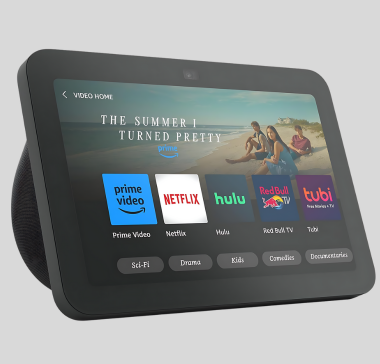
    Echo Show 8

    The Echo Show 8 offers a perfect balance of display and affordability. With an 8-inch HD screen and built-in Alexa, it lets you control your smart home, make video calls, and enjoy entertainment, all in a compact design.

    Display Quality

    The Echo Show 8 (3rd Gen) features an 8-inch HD display that delivers vibrant and crisp visuals. Whether you’re watching videos, making video calls, or simply browsing through photos, the display offers excellent clarity and color accuracy. The size strikes a perfect balance between being large enough to enjoy multimedia content and compact enough to fit comfortably on a bedside table, kitchen counter, or desk. The touchscreen interface is responsive and intuitive, making it easy to navigate through various features and settings.

    Video and Audio Features

    The Echo Show 8 (3rd Gen) is equipped with a high-quality camera and advanced audio features, making it a versatile device for both entertainment and communication. The built-in camera supports video calls, allowing you to connect with family and friends effortlessly. Amazon has also integrated a camera shutter for enhanced privacy. On the audio front, the Echo Show 8 boasts dual stereo speakers that deliver clear and balanced sound, suitable for music, podcasts, and video playback. The combination of superior video and audio quality ensures an immersive experience whether you’re watching your favorite shows or chatting with loved ones.

    Alexa Features

    As with all Echo devices, the Echo Show 8 (3rd Gen) is powered by Alexa, Amazon’s intelligent voice assistant. With Alexa, you can control smart home devices, check the weather, set reminders, and much more, all through voice commands. The addition of a display allows for visual feedback, making interactions with Alexa even more engaging. For instance, you can watch video flash briefings, follow along with recipe tutorials, or view your calendar and to-do lists. Alexa’s continuous updates and expanding skill set ensure that the Echo Show 8 remains a powerful and versatile smart home hub.

    Price and Availability

    The Echo Show 8 (3rd Gen) is priced competitively, offering excellent value for its features and performance. It is available for purchase on Amazon and other major retailers. Amazon often provides discounts during sales events such as Prime Day and Black Friday, making it an even more attractive option. The combination of affordability and robust functionality makes the Echo Show 8 (3rd Gen) a popular choice among smart display devices.

    Pros and Cons

    Pros:

    • High-Quality Display: 8-inch HD screen with vibrant and crisp visuals.
    • Versatile Video and Audio Features: High-quality camera for video calls and dual stereo speakers for rich sound.
    • Comprehensive Alexa Integration: Voice and visual interactions with Alexa for a seamless smart home experience.
    • Affordable Price: $149.99.

    Cons:

    • Medium-Sized Display: May not be as immersive as larger screens for some users.
    • Limited Portability: Requires a stable power source, reducing mobility compared to smaller, battery-powered devices.

    Use Cases

    • Kitchen Companion: Perfect for following recipes, setting timers, and watching cooking tutorials.
    • Bedroom Assistant: Great for video calls, streaming content, and managing smart home devices like lights and alarms.
    • Home Office: Ideal for video conferencing, checking calendars, and playing background music during work hours.

    The Echo Show 8 (3rd Gen) stands out as a versatile and feature-rich smart display that combines excellent visual and audio quality with the robust capabilities of Alexa. Whether you’re looking to enhance your kitchen, bedroom, or home office, the Echo Show 8 (3rd Gen) is a valuable addition that can streamline your daily routines and keep you connected with the world.

    In 2024, Amazon continues to lead the smart home market with its impressive lineup of Echo devices, each catering to different needs and preferences.

    Echo Dot (5th Gen) remains a top choice for those seeking a compact, stylish, and affordable smart speaker. Its improved sound quality and versatile Alexa features make it a perfect fit for small to medium-sized rooms, whether it’s a bedroom, kitchen, or living room.

    Echo Studio sets the bar high for audio enthusiasts with its premium design, high-fidelity sound, and immersive 3D audio capabilities. As a smart home hub, it integrates seamlessly with a wide range of devices, making it an excellent choice for home theater setups and those who demand superior audio performance.

    Echo Show 8 (3rd Gen) offers a balanced blend of visual and audio features, making it a versatile addition to any room. Its high-quality display, video call capabilities, and comprehensive Alexa integration make it ideal for kitchens, bedrooms, and home offices, providing both entertainment and productivity enhancements.

    Each of these devices excels in its own right, offering unique features and advantages. Whether you prioritize audio quality, visual interactions, or a compact design, Amazon’s 2024 Echo lineup has something for everyone. By choosing the Echo device that best fits your lifestyle, you can enjoy the benefits of advanced smart home technology, all powered by the ever-evolving Alexa.

    As you explore the possibilities of smart home automation, these Echo devices promise to deliver convenience, entertainment, and connectivity, making your everyday tasks easier and more enjoyable. Invest in the Echo device that aligns with your needs and experience the future of smart living today.
  • Sonos Port Review: Streamline Your Home Audio with Ease

    Sonos Port Review: Streamline Your Home Audio with Ease

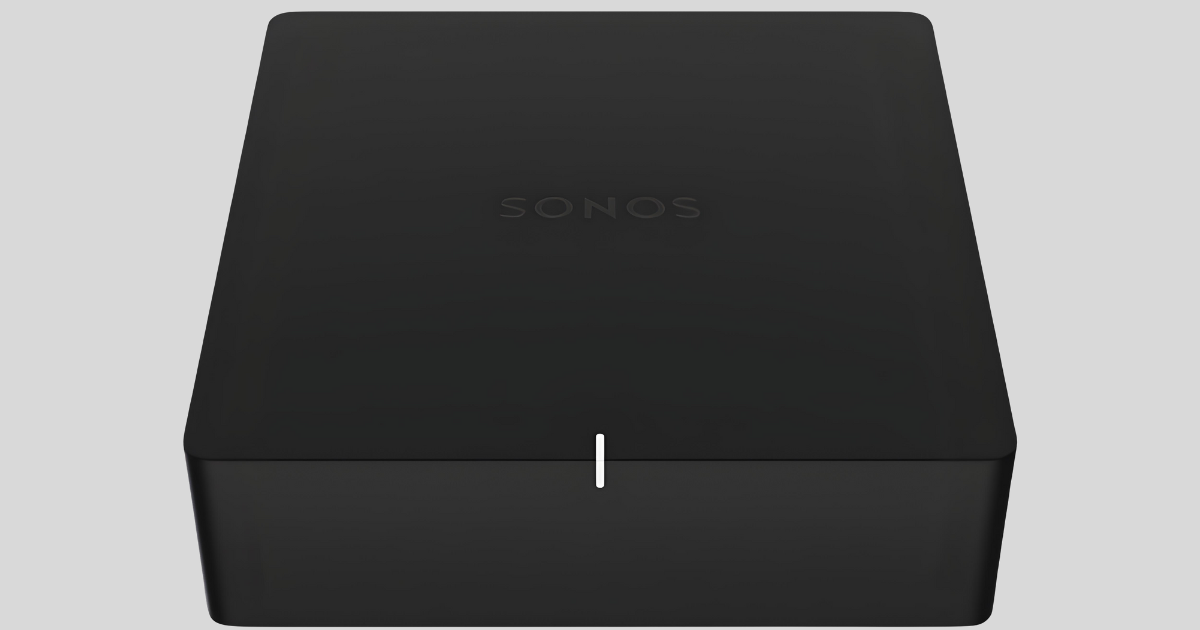
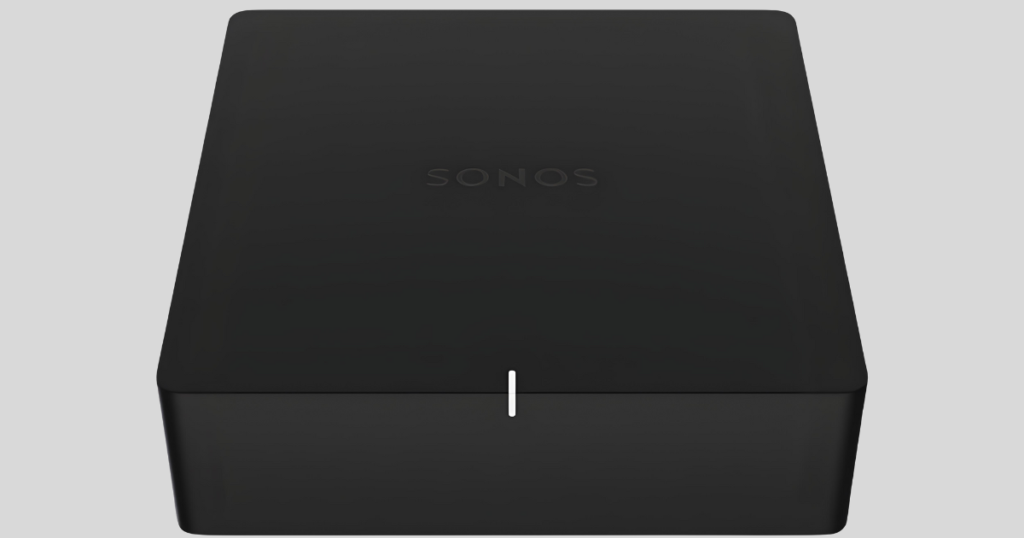
    Sonos Port transforms your stereo system or wired speakers into Sonos-enabled powerhouses. It has meticulously crafted a connected ecosystem of speakers, soundbars, and components, all working together in beautiful harmony. But what if you yearn to breathe new life into your beloved stereo system or wired speakers?

    Enter Sonos Port, the ingenious bridge that seamlessly connects your traditional audio setup to the modern world of streaming services.Sonos Port acts as the conductor, effortlessly transforming your treasured speakers into Sonos-enabled powerhouses.

    sonos port

    Imagine the freedom to control your music with the intuitive Sonos app, unlocking a universe of streaming services like Spotify, Pandora, and Apple Music—all at your fingertips. But Sonos Port isn’t just about convenience; it’s about elevating your audio experience.

    This guide delves deep into the world of Sonos Port, offering an unbiased assessment of its strengths and limitations. It will help you decide if Sonos Port is the missing piece to orchestrate your dream home audio experience.

    Unveiling The Sonos Port

    Sonos Port isn’t just a piece of hardware; it’s a gateway to a world of convenient and high-fidelity audio experiences. Sonos Port transforms your smartphone or tablet into a powerful audio conductor, allowing you to control playback, adjust volume, and curate playlists from the comfort of your couch.

    It also unlocks the magic of multi-room audio, allowing you to connect your existing speakers to Sonos speakers in other rooms. Let’s delve into the features that make Sonos Port a compelling choice for integrating your existing audio setup into the Sonos ecosystem:

    • Effortless App Control: Sonos Port integrates seamlessly with the renowned Sonos app, transforming your smartphone or tablet into a powerful audio conductor. Browse a vast library of music streaming services like Spotify, Pandora, Apple Music, and countless others (Sonos audio system, music streaming with Sonos). This intuitive app empowers you to control playback, adjust volume, and curate playlists—all from the comfort of your couch.
    • Multi-Room Maestro: Imagine synchronized music throughout your entire home. Sonos Port unlocks the magic of multi-room audio, allowing you to connect your existing speakers to Sonos speakers in other rooms (multi-room audio with Sonos). Fill your home with a cohesive soundscape, whether it’s a dance party in the living room or calming jazz in the bedroom.
    • High-Resolution Potential: For audiophiles seeking pristine sound quality, Sonos Port offers high-resolution audio support (if applicable). This means you can experience the full depth and detail of your favorite music, losing yourself in a world of uncompromised audio fidelity (Sonos Port sound quality).
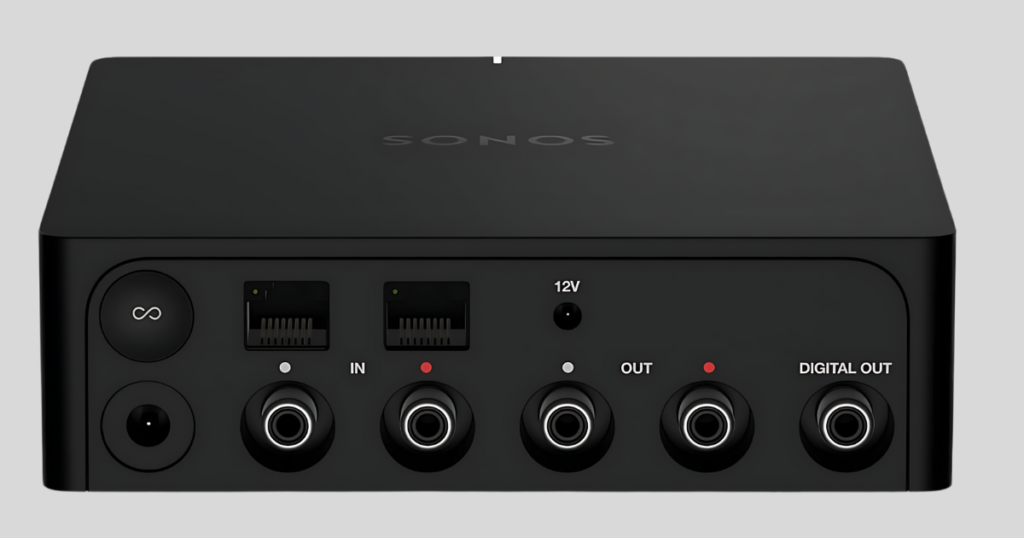
    • Connection Flexibility: Sonos Port caters to a variety of setups with its versatile connection options. Utilize the analog outputs to connect directly to your existing stereo system or powered speakers. Alternatively, the digital output allows you to connect Sonos Port to an external Digital-to-Analog Converter (DAC) for even more control over your audio experience (wireless audio adapter).
    sonos ports

    Considerations Before the Curtain Rises:

    While Sonos Port boasts an impressive array of features, it’s essential to be aware of a few limitations:

    • No Built-in Amplification: Keep in mind that Sonos Port itself doesn’t have a built-in amplifier. To power your speakers, you’ll need a separate stereo system or powered speakers (Sonos speaker system).
    • Farewell, Bluetooth: If Bluetooth connectivity is a dealbreaker for you, Sonos Port might not be the perfect fit. It prioritizes Wi-Fi streaming, offering a more robust and reliable connection.
    • Price Point Considerations: Sonos Port falls within a premium price range compared to some competitors. However, the seamless integration, multi-room capabilities, and potential for high-resolution audio might justify the investment for those seeking a top-tier audio experience (Sonos Port review, best music streamer for Sonos).

    By understanding both the strengths and limitations of Sonos Port, you can make an informed decision about whether it’s the ideal conductor for your home audio symphony.

    Sonos Port vs. The Competition

    Sonos Port isn’t alone in the world of audio streaming adapters. Let’s explore how it compares to some key contenders, helping you decide which option best suits your needs:

    Chromecast Audio: Chromecast Audio presents an affordable alternative to Sonos Port but lacks robust features like multi-room audio and seamless integration with the Sonos app.

    • Price Powerhouse: For those on a tighter budget, Chromecast Audio presents a more affordable alternative. It offers basic music streaming functionality, allowing you to cast audio from your phone or tablet to your speakers (Chromecast Audio vs. Sonos Port).
    • Limited Functionality: However, compared to Sonos Port, Chromecast Audio lacks robust features like multi-room audio and seamless integration with the Sonos app (Sonos Port review).

    Bluesound Node: Bluesound Node is a high-resolution audiophile’s dream, but its setup process requires more technical knowledge than the user-friendly Sonos app.

    • Audiophile Nirvana: If high-resolution audio playback is your top priority, Bluesound Node might be the champion for you. It boasts support for a wider range of high-resolution audio formats, catering to discerning ears (Sonos Port sound quality).
    • Technical Tweaks: However, Bluesound Node’s setup process might require more technical knowledge compared to the user-friendly Sonos app (Sonos audio system).

    Yamaha MusicCast WXAD-10: Yamaha Harmony: MusicCast WXAD-10 offers seamless integration with other Yamaha components, but its interface might not be as intuitive as the Sonos app.

    • Yamaha Harmony: For those deeply invested in the Yamaha ecosystem, MusicCast WXAD-10 offers seamless integration with other Yamaha components. This ensures smooth control and compatibility within your existing setup (multi-room audio with Sonos).
    • User-Friendliness Considerations: While MusicCast WXAD-10 boasts strong features, user reviews often point out that its interface might not be as intuitive as the Sonos app, potentially requiring a steeper learning curve (Sonos Port vs. AirPlay).

    Ultimately, the “best” competitor depends on your needs and priorities. Do you seek affordability? High-resolution audio? Seamless integration within a specific ecosystem? By understanding the strengths and limitations of each option, you can confidently choose the conductor that will orchestrate the perfect audio experience for your home.

    A Symphony for Your Ears

    The true test of any audio component lies in the listening experience it delivers. Let’s delve into the world of sound with Sonos Port, exploring both its sonic capabilities and user-friendliness:

    Unwrapping the Sonic Landscape:

    • Analog Audio Fidelity: Sonos Port boasts high-quality analog outputs, ensuring a pure and unadulterated audio signal when connected directly to your stereo system or powered speakers (Sonos Port sound quality). User reviews consistently praise the clarity and detail delivered through the analog outputs, making it a compelling choice for audio purists.
    • Digital Delights: For those seeking even greater control over their audio experience, Sonos Port offers a digital output that allows connection to an external Digital-to-Analog Converter (DAC). This setup empowers you to tailor the sound signature to your preferences, unlocking a world of sonic possibilities (wireless audio adapter).

    It’s important to remember that the overall sound quality will also depend on the quality of your existing speakers and setup. However, Sonos Port consistently receives positive user reviews for its ability to deliver a clear, detailed, and well-balanced listening experience through both its analog and digital outputs.

    The Power of The Sonos App

    One of the most significant advantages of Sonos Port is its seamless integration with the renowned Sonos app (Sonos audio system). This app is widely lauded for its user-friendly interface, allowing anyone to effortlessly control their music selection, adjust volume, and manage multi-room audio experiences (multi-room audio with Sonos). Whether you’re a tech-savvy audiophile or a casual listener, the Sonos app empowers you to become the conductor of your home audio experience.

    Read Also: Sonos One Gen 1 vs Gen 2: Big Diff or Tiny Tweak?

    A Long-Term Investment

    Sonos Port falls within a premium price range compared to some competitors. This might lead you to question its value proposition. Here’s a breakdown to help you decide:

    • Features and Functionality: Sonos Port offers a compelling package of features, including multi-room audio capabilities, a wide range of compatible streaming services (list examples again), and high-resolution audio support (if applicable). These features elevate your listening experience significantly compared to more basic audio streaming adapters (Sonos Port review).
    • Target Audience: Sonos Port caters to those seeking a premium audio solution that seamlessly integrates into the Sonos ecosystem. If you already own Sonos speakers or plan to invest in them in the future, Sonos Port unlocks the full potential of multi-room audio and unified control within the Sonos app (Sonos speaker system).
    • Long-Term Value: Sonos products are renowned for their longevity and consistent software updates. Sonos Port is a future-proof investment, ensuring compatibility with new streaming services and evolving technologies within the Sonos ecosystem.

    Ultimately, the value of Sonos Port depends on your individual needs and priorities. If you prioritize seamless integration, multi-room audio, and a user-friendly experience within the Sonos ecosystem, then Sonos Port offers excellent value for money. However, if budget is a primary concern and you don’t require the advanced features of Sonos, a more basic audio streaming adapter might be a suitable alternative.

    The Final Notes on Your Sonos Symphony

    Sonos Port has unveiled itself as a powerful conductor for your home audio experience. Let’s recap its key strengths and weaknesses to solidify your decision:

    Strengths:

    • Effortless Integration: Sonos Port seamlessly integrates with the user-friendly Sonos app, empowering effortless control and multi-room audio capabilities.
    • Versatility Unbound: Analog and digital outputs offer connection flexibility, catering to a variety of speaker setups and audio preferences. High-resolution audio support (if applicable) further elevates the listening experience for discerning ears.
    • A Gateway to Streaming Bliss: Sonos Port unlocks a universe of streaming services, allowing you to explore your favorite music with ease.

    Weaknesses:

    • No Built-in Amplification: Keep in mind that Sonos Port requires a separate stereo system or powered speakers to function.
    • Farewell Bluetooth: If Bluetooth connectivity is a must-have, Sonos Port might not be the ideal choice.
    • Premium Price Point: Compared to some competitors, Sonos Port falls within a higher price range.

    The Verdict

    The decision ultimately rests on your individual needs and budget. Here’s a quick guide:

    Ideal for You if:

    • You crave seamless integration with the Sonos ecosystem and multi-room audio capabilities.
    • You prioritize a user-friendly experience with the Sonos app.
    • You value high-quality sound and the potential for high-resolution audio (if applicable).

    Consider Alternatives if:

    • Budget is your primary concern and you don’t require advanced features.
    • Bluetooth connectivity is a dealbreaker for you.

    Sonos Port isn’t just a piece of hardware; it’s a gateway to a world of convenient and high-fidelity audio experiences. If you don’t need advanced features and Bluetooth connectivity is a dealbreaker, Sonos Port is the missing piece to orchestrate the perfect home audio symphony.

    Popular Posts:

  • Sony Audio Visual Receiver | Tech Innovation Pro

    Sony Audio Visual Receiver | Tech Innovation Pro

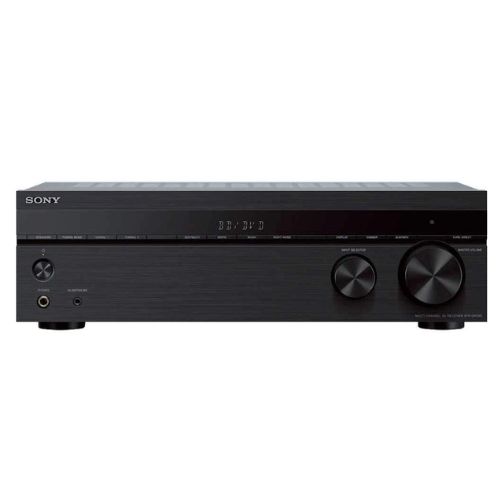
    When it comes to home entertainment, the right audio visual receiver (AVR) can make all the difference. Sony, a name synonymous with innovation and quality in electronics, offers some of the finest AVRs available. Designed to meet the needs of audiophiles, home entertainment enthusiasts, and tech-savvy consumers, Sony Audio Visual Receiver promise to elevate your audio-visual experience to new heights.

    Sony Audio Visual Receiver STRDH590 5.2

    S Force PRO Home Cinematic Sound System

    • Provides theater-like sound for movies and TV shows.
    • Features 2.4 GHz frequency band and virtual surround sound with 2 speakers.
    • Supports 4K HDR and HDCP 2.2 for better image quality.
    • Offers smart connectivity for streaming music and phone-based Bluetooth Standby.
    • Features a multi-functional system with 4 stereo Rca audio inputs and 2 digital audio outputs.
    • Specifications include 5.2 ch, 725W, 6 ohm, 1KHz, THD 0.9 percent AV receiver, 4 in/1 out HDMI, and Audio Return Channel.
    • Includes a foldable headphone, carry case, charging cable, and audio cable.

    Overview of Sony’s Reputation in Audio-Visual Technology

    Sony has long been a leader in the field of audio-visual technology. With a rich history of groundbreaking innovations, the brand has consistently delivered products that set industry standards. From revolutionary televisions to high-fidelity audio equipment, Sony’s commitment to excellence is evident in every product they release.

    What is an Audio Visual Receiver?

    An audio visual receiver acts as the central hub for your home entertainment system. It takes audio and video signals from various sources—such as Blu-ray players, gaming consoles, and streaming devices—and processes them to deliver high-quality output to your TV and speakers. In essence, an AVR enhances both the audio and visual elements of your entertainment setup, providing a more immersive experience.

    Importance of Choosing a Quality Receiver for Home Entertainment Systems

    Selecting the right AVR is crucial for several reasons:

    • Enhanced Sound Quality: A good AVR ensures you get the most out of your speaker system, providing clear, dynamic sound.
    • Superior Video Processing: Advanced AVRs offer features like 4K upscaling, ensuring the best possible picture quality.
    • Versatility: With multiple input and output options, a high-quality AVR can connect to a variety of devices, making it a versatile addition to your home entertainment setup.

    Features and Specifications of Sony Audio Visual Receivers

    High-Definition Audio and Video Capabilities

    Sony AVRs are designed to deliver stunning audio and video quality. With support for high-resolution audio formats and 4K HDR video pass-through, these receivers ensure you get the best possible performance from your sources. Whether you’re watching a movie or listening to music, Sony’s AVRs provide a rich, detailed experience.

    Surround Sound Formats Supported

    Sony AVRs support a wide range of surround sound formats, including:

    • Dolby Atmos: Creates a three-dimensional audio experience, with sounds coming from above and around you.
    • DTS:X: Offers an immersive audio experience, adapting the sound to the speaker configuration.

    These formats provide a cinema-like experience right in your living room.

    Sony Audio Visual Receiver feature

    Connectivity Option

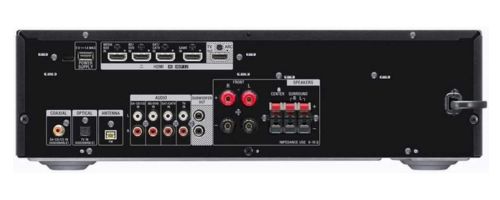
    One of the standout features of Sony AVRs is their extensive connectivity options:

    HDMI: Multiple HDMI inputs and outputs, including support for eARC (Enhanced Audio Return Channel).

  • Bluetooth: Stream music wirelessly from your smartphone or tablet.
  • Wi-Fi: Connect to your home network for access to online streaming services and firmware updates.


Advantages of Using Sony Audio Visual Receivers

Superior Sound Quality

Sony AVRs are engineered to deliver superior sound quality, ensuring that every note, dialogue, and sound effect is clear and immersive. With advanced audio processing technologies, these receivers provide a dynamic listening experience that brings your favorite content to life.

User-Friendly Interfaces and Controls

Sony AVRs feature intuitive interfaces and easy-to-use controls, making it simple to set up and operate your system. With on-screen menus and remote control apps, managing your entertainment has never been easier.

Compatibility with Various Audio and Video Devices

From gaming consoles to streaming devices, Sony AVRs are compatible with a wide range of audio and video equipment. This versatility ensures that your receiver can integrate seamlessly into your existing setup, providing a unified entertainment experience.

Sony Audio Visual Receiver Models and Series Overview

Review of Popular Sony Receiver Models

Comparison of Features, Performance, and Pricing

When comparing Sony receiver models, it’s important to consider the following factors:

Specialized Series Targeting Different Consumer Needs

Sony offers a range of AVRs to suit different needs and budgets:

Setting Up and Configuring a Sony Audio Visual Receiver

  1. Unbox and Place the Receiver: Position your AVR in a well-ventilated area.
  2. Connect Your Speakers: Follow the color-coded terminals on the back of the receiver.
  3. Connect Your TV: Use an HDMI cable to connect the AVR to your TV’s ARC/eARC port.
  4. Add Other Devices: Connect gaming consoles, Blu-ray players, and streaming devices using HDMI and other appropriate cables.
  5. Power Up and Configure: Turn on the AVR and follow the on-screen setup guide.

Calibration Procedures for Optimal Sound Output

Sony AVRs often include calibration tools such as Digital Cinema Auto Calibration (DCAC) to optimize sound output for your specific room. Follow the on-screen instructions to complete the calibration process, ensuring the best possible audio performance.

Troubleshooting Common Setup Issues

Title

You can have short product description here. It can be added as and enable/disable toggle option from which user can have control on it.

Title

You can have short product description here. It can be added as and enable/disable toggle option from which user can have control on it.

Title

You can have short product description here. It can be added as and enable/disable toggle option from which user can have control on it.

Integrating Sony Audio Visual Receivers into Smart Home Systems

Sony AVRs are compatible with popular voice assistants like Amazon Alexa and Google Assistant. This allows you to control your receiver using voice commands, making it easier than ever to manage your entertainment system.

With support for smart home platforms like Control4 and Crestron, Sony AVRs can be integrated into a larger home automation system. This allows for seamless control of all your devices, creating a more cohesive and convenient user experience.

Benefits of Incorporating Receivers into a Smart Home Ecosystem

Tips for Maximizing Performance and Longevity of Sony Audio Visual Receivers

Avoiding Common Mistakes

Customer Reviews and Testimonials of Sony Audio Visual Receivers

Aggregated Feedback from Users

Users consistently praise Sony AVRs for their excellent sound quality, robust build, and user-friendly interfaces. Many appreciate the wide range of features and connectivity options, making these receivers a versatile addition to any home entertainment setup.

Real-World Experiences with Different Sony Receiver Models

Tips for Potential Buyers Based on User Insights

Conclusion

Sony audio visual receivers offer a perfect blend of cutting-edge technology, user-friendly features, and exceptional performance. Whether you’re setting up a simple home theater or a high-end audio system, Sony’s AVRs provide the versatility and quality needed to elevate your entertainment experience.

Investing in a Sony AVR ensures that you’re getting a product backed by decades of innovation and expertise in the audio-visual industry. So why wait? Dive into the world of superior sound and stunning visuals with a Sony audio visual receiver today.

1. What is the difference between a stereo receiver and an audio visual (AV) receiver?

While both stereo receivers and AV receivers can amplify audio signals, AV receivers also include video switching capabilities. This means they can route video signals from multiple sources (such as Blu-ray players, gaming consoles, and streaming devices) to your TV or projector, in addition to handling audio.

2. Can I use a Sony AV receiver with speakers from other brands?

Yes, Sony AV receivers are typically compatible with speakers from various manufacturers. As long as the speakers have the appropriate impedance and power handling capabilities, you can connect them to your Sony receiver for a customized home theater setup.

3. Do Sony AV receivers support wireless connectivity?

Yes, many Sony AV receivers come equipped with built-in Bluetooth and Wi-Fi capabilities. This allows you to stream audio wirelessly from your smartphone, tablet, or computer directly to your receiver, as well as access online music services and internet radio stations.

4. How do I perform speaker calibration with a Sony AV receiver?

Sony AV receivers often feature built-in speaker calibration systems, such as Sony’s Digital Cinema Auto Calibration (DCAC) or Advanced D.C.A.C. (Digital Cinema Auto Calibration) EX. To perform calibration, simply connect the included microphone to the receiver, follow the on-screen prompts, and let the receiver analyze your speaker setup and room acoustics to optimize audio performance.

  • Smoke Detector Spy Camera | Tech Innovation Pro

    Smoke Detector Spy Camera | Tech Innovation Pro

    In today’s fast-paced world, ensuring the safety and security of your home has never been more critical. While traditional smoke detectors are essential for fire safety, a new innovation is making waves in the realm of home security: the smoke detector spy camera. This blog post will explore the multifaceted benefits of integrating smoke detector spy cameras into your home security system and offer guidance on choosing the right one for your needs.

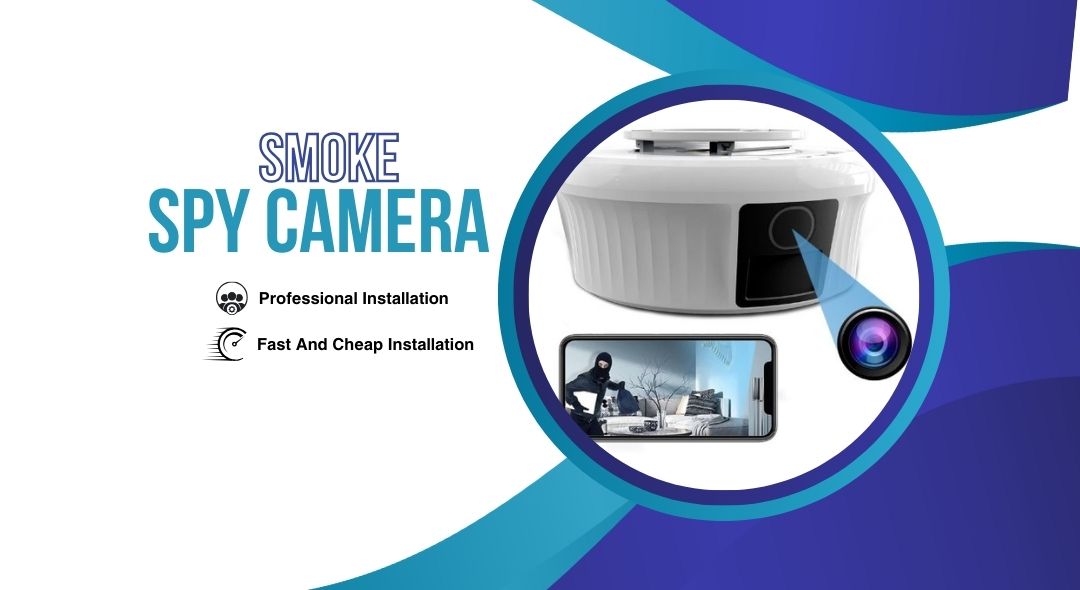
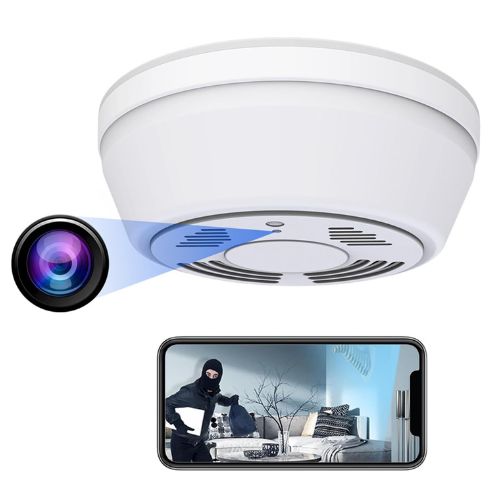
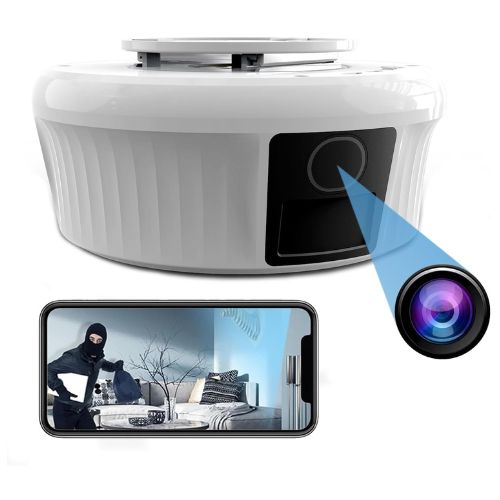
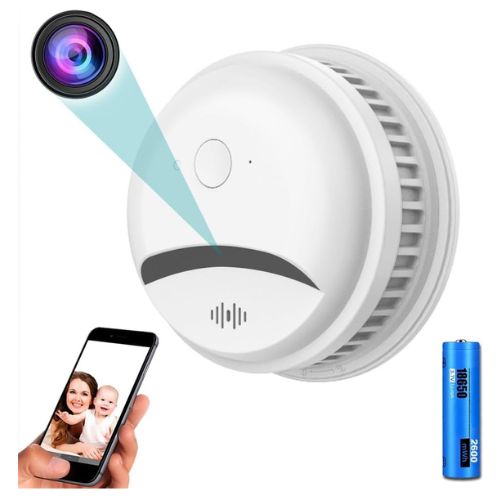
    Smoke Detector Spy Camera

    Security Camera Features:

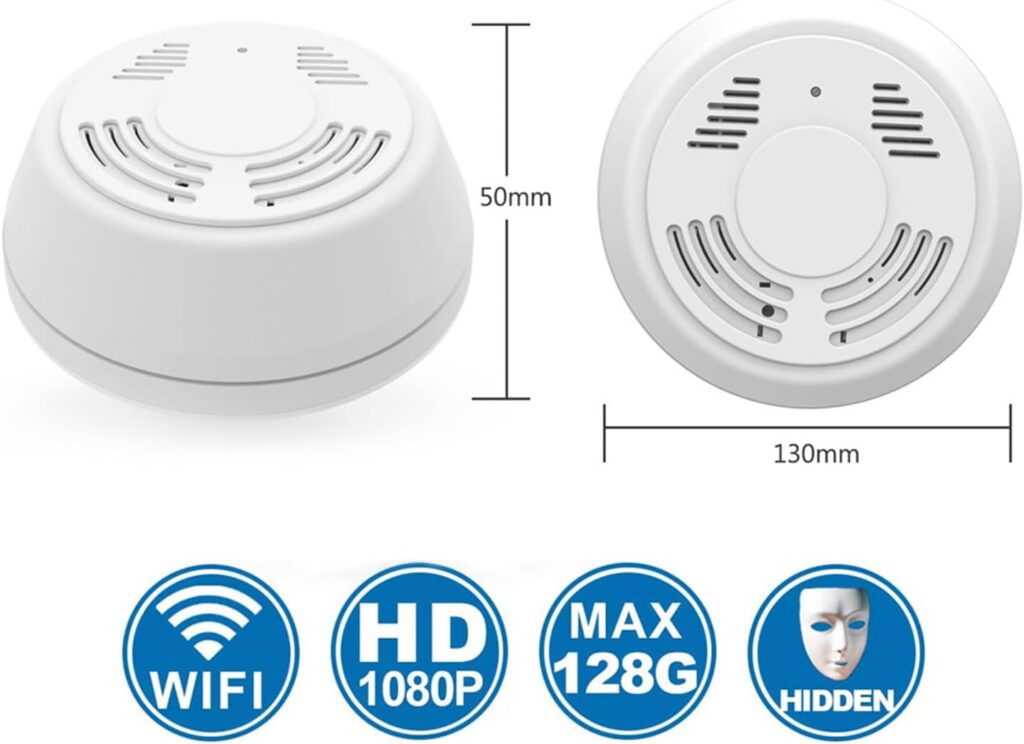
    • 1080p HD Real-Time Video & Night Vision: Remotely view live video with clear 1080P high-definition lens and 4 infrared lights.
    • Intelligent Motion Detection: Snapshots and notifications when motion is detected, providing real-time visibility.
    • Loop Recording & Long Standby: Supports loop recording, overwriting oldest files when memory card is full.
    • Mini Camera & Large Capacity: Identifies as a common smoke detector, supporting 8-128GB memory card.
    • Security & Accompany: Connects to outlets, downloads mobile app, and monitors anytime, anywhere.

    Importance of Covert Surveillance

    Covert surveillance has become an increasingly important tool for homeowners, security enthusiasts, and privacy advocates. It allows individuals to monitor their premises without alerting potential intruders or subjects. This type of surveillance can be particularly useful in gathering evidence, ensuring safety, and maintaining peace of mind.

    Brief Overview of How They Work

    Smoke detector spy cameras are designed to look and function like standard smoke detectors while housing a hidden camera inside. They typically feature high-resolution video recording, motion detection, and sometimes even remote viewing capabilities. These cameras can be wired or wireless and are often equipped with internal storage or cloud-based recording options.

    Benefits of Using Smoke Detector Spy Cameras

    Enhanced Security and Peace of Mind: The primary benefit of smoke detector spy cameras is the enhanced security they provide. By capturing footage discreetly, these devices help homeowners and business owners keep a watchful eye on their property, deterring criminal activity and providing valuable evidence if needed.
    Discreet Monitoring of Spaces: Smoke detector spy cameras are perfect for areas where visible cameras might be obtrusive or unwelcome. Whether it’s monitoring an office, a retail space, or a private home, these cameras ensure that surveillance goes unnoticed, maintaining the integrity and aesthetics of the environment.
    Deterrence of Unwanted Behavior: The presence of surveillance cameras, even when hidden, can deter unwanted behavior. Knowing that an area is being monitored can discourage theft, vandalism, and other malicious activities, contributing to a safer and more secure environment.

    Installation Guide for Smoke Detector Spy Cameras

    To maximize the effectiveness of your smoke detector spy camera, consider the following placement tips:

    • Height: Install the camera at a height that provides a wide field of view and covers key areas.
    • Angles: Position the camera to avoid obstructions and ensure clear visibility of the monitored space.
    • Lighting: Place the camera in well-lit areas to enhance video quality, especially in low-light conditions.

    Step-by-Step Installation Process

    1. Choose the Location: Identify a strategic spot for your camera, considering the tips mentioned above.
    2. Mount the Camera: Follow the manufacturer’s instructions to mount the device securely.
    3. Connect Power Supply: If the camera is wired, connect it to the power source. For battery-operated models, ensure the batteries are fully charged.
    4. Configure Settings: Use the accompanying app or software to configure the camera’s settings, including motion detection and recording preferences.
    5. Test the Camera: Verify that the camera is functioning correctly by checking the live feed and recording capabilities.

    Tips for Optimal Performance

    • Regular Maintenance: Clean the camera lens periodically to ensure clear video quality.
    • Check Batteries: For battery-operated models, monitor battery levels and replace them as needed.
    • Update Firmware: Keep the camera’s firmware up-to-date to benefit from the latest features and security patches.

    Features to Look for in Smoke Detector Spy Cameras

    Hidden Camera Feature
    • High-Resolution Video Quality: Look for cameras that offer high-definition (HD) or even 4K video quality to ensure clear and detailed footage. This is crucial for identifying faces, license plates, and other important details.
    • Motion Detection Capabilities: Motion detection is a vital feature that helps conserve storage space and battery life by only recording when movement is detected. Advanced models may also offer customizable sensitivity settings to reduce false alarms.
    • Remote Viewing Options: Remote viewing capabilities allow you to monitor your property in real time from anywhere using a smartphone, tablet, or computer. This feature is particularly useful for frequent travelers or those managing multiple properties.

    Importance of Smoke Detectors and Regular Maintenance

    Smoke detectors are indispensable in safeguarding your home from fire hazards. They serve as the first line of defense, providing early warning signs that can save lives and minimize property damage. However, their effectiveness hinges on regular testing and maintenance. Here’s what you need to know:

    • Early Warning: Smoke detectors alert you to the presence of smoke, giving you precious time to evacuate.
    • Testing: Regularly test your smoke detectors to ensure they are functioning correctly. Replace batteries at least once a year.
    • Maintenance: Clean your smoke detectors to prevent dust and debris from interfering with their sensors.

    Types of Smoke Detectors and Choosing the Right One

    When selecting a smoke detector, it’s crucial to understand the differences between the two main types: photoelectric and ionization.

    • Photoelectric Smoke Detectors: These detectors are more responsive to smoldering, slow-burning fires. They use a light beam to detect smoke particles.
    • Ionization Smoke Detectors: These devices are better at detecting fast-flaming fires. They use a small amount of radioactive material to ionize the air, ringing an alarm when smoke disrupts this process.

    To choose the right smoke detector for your home:

    • Consider the type of fires most likely to occur in your environment.
    • Opt for a combination of both types or a dual-sensor detector for comprehensive coverage.

    Smart Smoke Detectors: Enhanced Safety and Connectivity

    Smart smoke detectors are revolutionizing home safety, combining traditional fire detection with cutting-edge technology.

    Potential Benefits:
    • Remote Monitoring: Receive real-time alerts on your smartphone, no matter where you are.
    • Push Notifications and Alerts: Immediate notifications for smoke, fire, or low battery.
    • Integration with Smart Home Devices: Automate other actions in your home, such as turning on lights during an alarm.

    Safety Features Beyond Smoke Detection

    Many smart smoke detectors offer additional features that significantly enhance home safety:

    • Carbon Monoxide (CO) Detection: Protects against this silent, deadly gas.
    • Temperature Monitoring: Alerts you to sudden changes in temperature.
    • Self-Testing Capabilities: Automatically tests itself to ensure optimal functionality.

    Comparison of Top Smoke Detector Spy Cameras

    Hidden Camera Smoke Detector

    This Spy Camera 180 Days Standby Mini HD 1080P WiFi Night Vision Motion Detection Video Recorder Real-Time View Nanny Cam.

    2K Hidden Camera Smoke Detector

    Spy Camera for Home Security with Night Vision Motion Detection – 10000mAH Rechargeable Wireless PTZ Surveillance Baby Dog Pet Monitor – 200 Days Battery Power.

    CAMDUCK Wireless Spy Camera

    The CAMDUCK hides in plain sight as a smoke detector, but secretly captures 4MP HD video with 360° rotation. This WiFi nanny cam offers remote viewing, motion detection alerts, and long battery life, making it ideal for discreet home or office monitoring

    Legal Considerations When Using Smoke Detector Spy Cameras

    • Privacy Laws and Regulations: Before installing a smoke detector spy camera, it’s essential to understand the privacy laws and regulations in your area. Laws vary by jurisdiction and may impose restrictions on where and how covert cameras can be used.
    • Consent Requirements: In many regions, it’s illegal to record audio without the consent of the recorded parties. Make sure your camera complies with local laws regarding audio recording and obtain consent when necessary.
    • Ethical Considerations: Beyond legal compliance, consider the ethical implications of using covert surveillance. Ensure that your use of a smoke detector spy camera aligns with ethical standards and respects the privacy of individuals.

    Creative Uses for Smoke Detector Spy Cameras

    • Monitoring Home or Office Security: Smoke detector spy cameras are ideal for enhancing security in homes and offices. They provide continuous monitoring without drawing attention, helping to protect valuable assets and ensure the safety of occupants.
    • Keeping an Eye on Pets or Children: For parents and pet owners, these cameras offer a discreet way to monitor the well-being of children and pets. You can check in on your loved ones remotely and ensure they’re safe and sound.
    • Catching Dishonest Behavior: Whether it’s monitoring employees in a retail setting or keeping an eye on service providers in your home, smoke detector spy cameras can help detect and prevent dishonest behavior, providing peace of mind.

    Troubleshooting Common Issues with Smoke Detector Spy Cameras

    1. Poor Video Quality

    If you’re experiencing poor video quality, try the following:

    • Clean the Lens: Dust and dirt on the lens can degrade video clarity.
    • Adjust Lighting: Ensure the camera is placed in a well-lit area or consider adding supplemental lighting.
    • Check Settings: Verify that the camera’s resolution settings are configured for high-quality recording.
    2. Connectivity Problems

    Connectivity issues can disrupt the camera’s performance. To troubleshoot:

    • Check Wi-Fi Signal: Ensure the camera is within range of a strong Wi-Fi signal.
    • Restart the Camera: Power cycle the camera to reset its connection.
    • Update Firmware: Make sure the camera’s firmware is up-to-date.
    3. Battery Life Issues

    For battery-powered models, battery life can be a concern. To address this:

    • Monitor Usage: Keep track of how long the camera is running and adjust settings to conserve battery life.
    • Replace Batteries: Use high-quality, rechargeable batteries if possible.
    • Optimize Motion Detection: Adjust the sensitivity of motion detection to reduce unnecessary recordings.

    Conclusion

    Smoke detector spy cameras offer a powerful and discreet solution for enhancing security and monitoring spaces without drawing attention. By understanding their benefits, installation process, key features, and legal considerations, you can make an informed decision about incorporating these devices into your home or business security strategy.

    Ready to elevate your security measures with the latest in covert surveillance technology? Explore our curated selection of top smoke detector spy cameras and take the first step toward a safer, more secure environment. So, don’t wait any longer and invest in a high-quality smoke detector spy camera today for added peace of mind.

  • Choosing the Perfect Bluetooth Mouse for Mac: A Comprehensive Guide

    Choosing the Perfect Bluetooth Mouse for Mac: A Comprehensive Guide

    When it comes to enhancing your Mac experience, a Bluetooth mouse can be a game-changer. Not only does it improve ergonomics and portability, but it also helps in maintaining a cleaner, cable-free workspace. But with so many options available, how do you choose the perfect Bluetooth mouse for Mac? In this guide, we’ll explore the key factors you should consider, essential features to look for, and some top recommendations to help you make an informed decision.

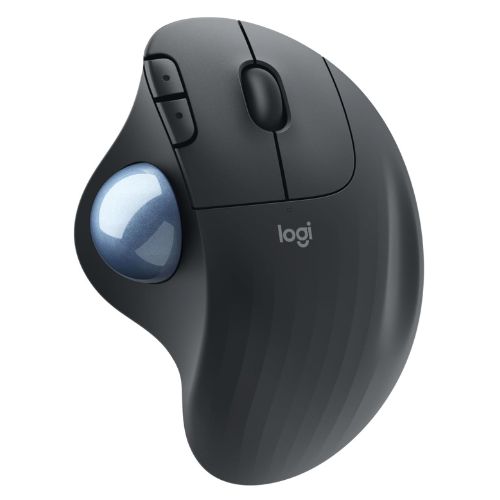
    Bluetooth Mouse for Mac, Logitech ERGO M575 Wireless Trackball Mouse

    Bluetooth on Mac: Enabling and Customizing Mouse Settings

    • Enable Bluetooth by going to System Preferences > Bluetooth.
    • Place Bluetooth mouse in pairing mode and click “Pair” in Bluetooth settings.
    • Customize mouse settings in System Preferences > Mouse to adjust tracking speed, scrolling direction.
    • Benefits: Improved ergonomics, increased productivity, enhanced precision, and cleaner workspace.

    Essential Features for a Bluetooth Mouse on Mac

    • Mac Compatibility

    First and foremost, ensure that the Bluetooth mouse you choose is fully compatible with macOS. Look for models specifically designed with Mac users in mind. Compatibility ensures seamless connection and functionality, so you can get the most out of your device.

    • Multi-touch Support

    Mac users love their trackpad gestures, and a good Bluetooth mouse should support multi-touch gestures like scrolling, swiping, and zooming. This feature enhances your navigation experience and allows you to take full advantage of macOS’s capabilities.

    • Ergonomic Design

    Extended use of any pointing device can lead to wrist strain and other ergonomic issues. Choose a Bluetooth mouse that promotes good posture and offers a comfortable grip. Ergonomic designs help reduce the risk of repetitive strain injuries, making your work sessions more enjoyable.

    • Battery Life

    A long-lasting battery is crucial for minimizing interruptions and the hassle of frequent charging. Look for models that offer extended battery life, whether they use replaceable batteries or come with a rechargeable option.

    Top Considerations When Buying a Bluetooth Mouse for Mac

    • Connectivity

    Some Bluetooth mice offer dual connectivity options—Bluetooth and Bluetooth with a unifying receiver. While Bluetooth-only models are great for reducing dongle clutter, having a receiver as a backup can be beneficial, especially in environments with heavy wireless interference.

    • Size and Weight

    Comfort is key when choosing a Bluetooth mouse. Select a model that fits well in your hand and has a weight that suits your preferences. A mouse that’s too large or too heavy can cause discomfort over long periods, while a smaller, lighter option might be ideal for travel.

    • Travel Design

    If you’re always on the go with your Mac laptop, consider a Bluetooth mouse that’s compact and easy to carry. Some models come with travel pouches or can easily fit into your laptop bag, making them perfect companions for remote work.

    • Silent Clicking

    A noise-free work environment is often a forgotten luxury. If this is important to you, look for mice with silent clicking features. These models minimize the noise produced by clicking, allowing you to focus without disturbing those around you.

    Popular Bluetooth Mouse Brands and Models for Mac

    • Apple Magic Mouse: The Apple Magic Mouse is a favorite among Mac users for its sleek design and seamless integration with macOS. It supports multi-touch gestures and offers a rechargeable battery, making it an elegant yet functional choice.
    • Logitech MX Series: Logitech’s MX Series, including the MX Master 3, is renowned for its ergonomic design and advanced features like customizable buttons and precise scrolling. These models are perfect for productivity-focused users who need a versatile, high-performance mouse.
    • Microsoft Surface Arc: The Microsoft Surface Arc mouse is not only stylish but also highly portable. Its unique design allows it to snap flat for easy storage, making it an excellent option for travelers.
    ImageProductFeaturesPrice
    Our Pick1
    5
    Product Name

    Product Features

    2
    Product Name

    Product Features

    3
    Product Name

    Product Features

    Best Bluetooth Mice for Mac in Different Categories

    • Productivity & Multitasking: For users who need to maximize productivity, consider mice with multiple programmable buttons. The Logitech MX Master 3 is an excellent choice, offering customizable shortcuts and advanced scrolling features.
    • Travel & Portability: Compact and lightweight options like the Microsoft Surface Arc or Logitech Pebble are ideal for frequent travelers. These models are easy to carry and offer reliable performance on the go.
    • Budget-Friendly: If you’re looking for an affordable yet functional option, consider the Anker Ergonomic Vertical Mouse. It provides basic functionality and Mac compatibility at a budget-friendly price point.
    • Gaming: While wired gaming mice are often preferred for competitive play, there are Bluetooth options like the Razer Atheris that offer high DPI sensors and customizable buttons for casual gaming on your Mac.

    Setting Up and Using a Bluetooth Mouse with Your Mac

    To enable Bluetooth on your Mac, go to System Preferences > Bluetooth and toggle it on. Place your Bluetooth mouse in pairing mode and click “Pair” in the Bluetooth settings. Customize mouse settings by going to System Preferences > Mouse. Bluetooth mice offer improved ergonomics and comfort, with a more natural hand position compared to trackpads.

    They also increase productivity by allowing programmable shortcuts for efficient multitasking. Bluetooth mice offer enhanced precision and control for creative tasks, making them better than trackpads. Additionally, they help maintain a clean workspace without the need for cables, ensuring a tidy and organized workspace.

    Enabling Bluetooth on Your Mac
    1. Open System Preferences from the Apple menu.
    2. Click on “Bluetooth.”
    3. Ensure Bluetooth is turned on.
    Pairing the Mouse via Bluetooth Settings
    1. Turn on the Bluetooth mouse and activate pairing mode (refer to the mouse’s instructions).
    2. In the Bluetooth settings on your Mac, find the mouse in the list of available devices.
    3. Click “Pair” to connect.
    Customizing Mouse Settings in System Preferences
    1. Open System Preferences and select “Mouse.”
    2. Adjust tracking speed, scrolling direction, and button functions to suit your preferences.

    Conclusion: Choosing the Right Bluetooth Mouse for Your Mac Needs

    Selecting the perfect Bluetooth mouse for your Mac involves considering your specific needs and preferences. Whether you prioritize ergonomics, multi-touch support, or portability, there’s a model out there that can enhance your Mac experience. Don’t hesitate to try out different options in-store or read user reviews to find the best fit for you.

    By choosing the right Bluetooth mouse, you can improve your comfort, productivity, and overall satisfaction with your Mac setup. Happy clicking!  The world of technology is constantly evolving, and so are the devices we use. With laptops becoming thinner and more compact, the need for traditional wired accessories has decreased. This shift has led to an increase in popularity for Bluetooth mice, which offer a convenient and clutter-free alternative to traditional wired options.

    When it comes to using a Bluetooth mouse with your Mac, there are a few key considerations to keep in mind. From connectivity options to size and weight, these factors can greatly impact your overall experience with the device. It’s also important to consider the specific features you need for your tasks, such as silent clicking or gaming capabilities.

    Some popular brands and models of Bluetooth mice for Mac include the Apple Magic Mouse for its seamless integration with macOS, Logitech’s MX Series for its advanced features and ergonomic design, and the Microsoft Surface Arc for its portability and unique flat design.

    After selecting the right mouse for your needs, setting it up on your Mac is a straightforward process. Simply enable Bluetooth on your device, pair the mouse, and customize any desired settings through System Preferences.

  • Best AM5 Motherboard: The Ultimate Guide for 2024

    Best AM5 Motherboard: The Ultimate Guide for 2024

    Building a high-performance PC begins with selecting the right components, and one of the most crucial elements is the motherboard. The motherboard, often referred to as the backbone of a computer, connects all the different parts of your system together, allowing them to communicate and function harmoniously.

    With the advent of AMD’s Ryzen 7000 series processors, the AM5 socket has become the latest standard for high-end gaming and computing performance. This guide will walk you through the best AM5 motherboards available, helping you make an informed decision for your next build.

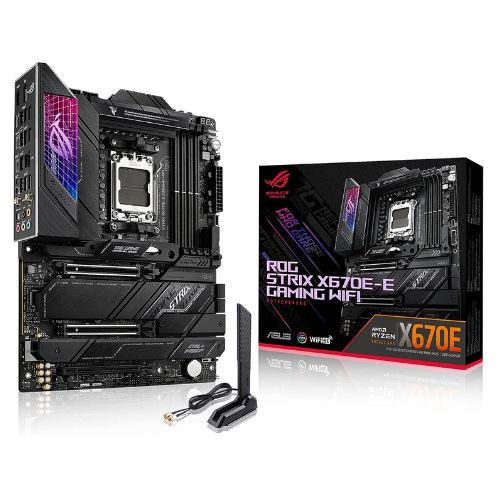
    Best AM5 Motherboard, ASUS ROG Strix X670E-E

    AMD Socket AM5 for Ryzen 7000 Series Desktop Processors

    • Intelligent Control: ASUS-exclusive tools like AI Cooling II, Two-Way AI Noise-Cancellation, and AI Networking.
    • Robust Power Solution: 18+2 teamed power stages, 8+8 pin ProCool II power connectors, alloy chokes, and durable capacitors.
    • Optimized Thermal Design: Large VRM heatsinks, integrated aluminium I/O cover, high-conductivity thermal pad, L-shaped heatpipe, M.2 Combo-sink, M.2 backplate.
    • High-Performance Networking: Onboard WiFi 6E, Intel 2.5 Gb Ethernet, ASUS LANGuard.

    Understanding AM5 Chipset Options

    When selecting an AM5 motherboard, it’s crucial to understand the different chipsets available and how they impact your system’s performance and features. Here’s a breakdown of the primary AM5 chipsets:

    Chipset (X670E vs B650)
    • X670E: Ideal for enthusiasts who want extensive features and overclocking capabilities. These motherboards offer higher PCIe lanes, better VRM (Voltage Regulator Module) designs, and more connectivity options. The X670E chipset is the flagship offering in the AM5 lineup, designed for high-end builds and overclocking enthusiasts. Key features include:
      • Extensive overclocking support with enhanced voltage regulation modules (VRMs).
      • Multiple PCIe 5.0 lanes for GPUs and storage devices.
      • Advanced connectivity options including multiple USB 3.2 Gen 2×2 ports and high-speed networking.
    • B650: Focused on value, B650 motherboards provide a solid set of features at a more affordable price point, making them a great choice for budget-conscious builders. The B650E chipset offers a balance between performance and affordability, making it an excellent choice for gamers and content creators. It includes:
      • Moderate overclocking support.
      • A mix of PCIe 4.0 and PCIe 5.0 lanes.
      • Essential connectivity features like USB 3.2 Gen 2 ports and integrated Wi-Fi.
    Form Factor (ATX, Micro ATX, Mini-ITX)
    • ATX: The most common motherboard size, providing ample connectivity options and expansion slots.
    • Micro ATX: A smaller form factor that still offers a good balance between size and features.
    • Mini-ITX: The smallest form factor, perfect for compact and portable builds, though it may offer fewer expansion options.
    A620 Chipset

    Although not as feature-rich as the X670E or B650E, the A620 chipset provides a cost-effective solution for budget-conscious builders. It typically includes:

    • Limited overclocking support.
    • Primarily PCIe 4.0 lanes.
    • Basic connectivity features suitable for entry-level builds.

    Top Considerations When Choosing an AM5 Motherboard

    Selecting the best AM5 motherboard depends on various factors, including your specific needs and preferences. Here are some key considerations to keep in mind:

    • CPU Compatibility

    Ensure that the motherboard you choose supports your selected Ryzen 7000 series processor. While most AM5 motherboards should be compatible, checking the manufacturer’s specifications is always a good idea.

    • Form Factor

    AM5 motherboards come in different form factors, including ATX, microATX, and mini-ITX. The form factor you choose will depend on your case size and the features you require. ATX motherboards offer the most expandability, while microATX and mini-ITX are suitable for smaller builds.

    • Overclocking

    If you plan to overclock your CPU, look for a motherboard with robust VRMs and ample cooling solutions. High-end motherboards often include advanced thermal designs to ensure stable overclocking performance.

    • Features

    Evaluate the features that are important to you, such as built-in Wi-Fi, Bluetooth, RGB lighting, and high-speed storage options like PCIe 5.0 NVMe slots. Choosing a motherboard with the right features can enhance your overall computing experience.

    • Budget

    AM5 motherboards are available at various price points. Determine your budget and prioritize features accordingly. While high-end motherboards offer more advanced features, budget-friendly options can still provide excellent performance for everyday tasks.

    Best AM5 Motherboards for Different Needs

    To help you find the best AM5 motherboard for your specific requirements, we’ve compiled a list of recommendations for various scenarios:

    High-End Overclocking

    For enthusiasts who demand the best performance and overclocking capabilities, we recommend:

    • ASUS ROG Crosshair X670E Extreme: With its top-tier VRMs, advanced cooling solutions, and extensive feature set, this motherboard is perfect for pushing your Ryzen 7000 processor to its limits.
    • MSI MEG X670E Godlike: Featuring a robust power delivery system, multiple PCIe 5.0 slots, and cutting-edge connectivity options, this motherboard is designed for extreme overclocking and high-performance gaming.

    Gaming

    Gamers looking for a motherboard that delivers excellent performance and features should consider:

    • ASUS ROG Strix B650E-F Gaming WiFi: This motherboard offers a great balance of performance and value, with PCIe 5.0 support, high-speed networking, and RGB lighting.
    • Gigabyte Aorus Master B650E: With its strong performance, ample PCIe slots, and advanced cooling solutions, this motherboard is an excellent choice for gamers.

    Content Creation

    Content creators need a motherboard with plenty of connectivity options and support for fast storage. We recommend:

    • ASUS ProArt X670E-Creator WiFi: Designed specifically for creators, this motherboard includes Thunderbolt 4 support, multiple USB ports, and advanced networking features.
    • MSI Prestige X670E: With its focus on connectivity and storage, this motherboard is ideal for content creators who need a reliable and high-performance platform.

    Value

    For those on a budget, there are still excellent AM5 motherboard options available:

    • ASRock B650M Pro4: Offering essential features at an affordable price, this motherboard is perfect for budget-conscious builders.
    • Gigabyte B650 DS3H: With its solid performance and reasonable price, this motherboard provides great value for everyday computing tasks.

    Popular AM5 Motherboard Brands and Models

    Several prominent manufacturers offer high-quality AM5 motherboards. Here are some of the top brands and their standout models:

    • ASUS: Known for their premium ROG and TUF series, ASUS offers feature-rich motherboards like the ROG Crosshair X670E Extreme and TUF Gaming B650M-PLUS.
    • MSI: With their MEG, MPG, and MAG series, MSI provides options like the MEG X670E Godlike and MPG B650I Edge WiFi for different user needs.
    • Gigabyte: The Aorus and G series from Gigabyte include models like the Aorus Master B650E and B650 DS3H, catering to gamers and budget builders.
    • ASRock: Offering a mix of performance and affordability, ASRock’s Pro4 and Phantom Gaming series include options like the B650M Pro4 and X670E Taichi.

    These are the Best AM5 Motherboard

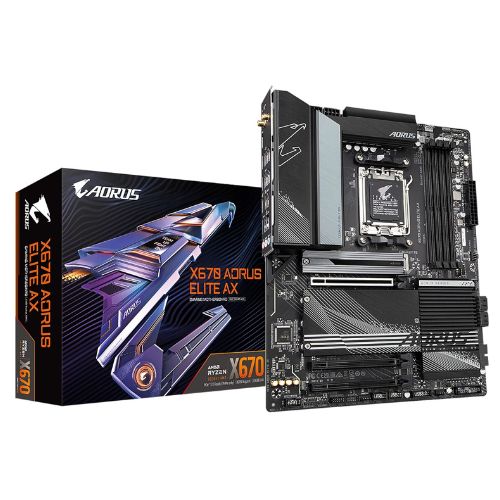
    ImageProductFeaturesPrice
    Our Pick1
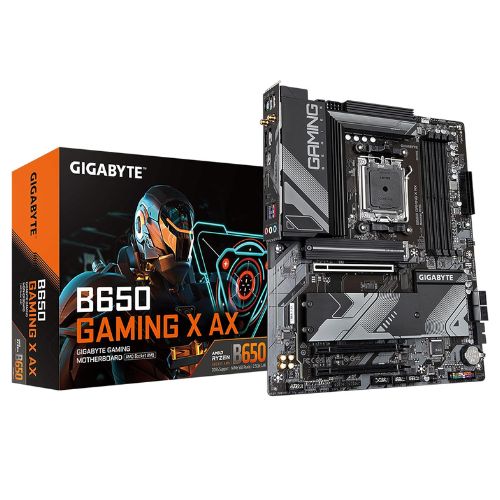
    GIGABYTE B650
    5
    GIGABYTE B650

    Memory Storage Capacity
    128 GB
    Graphics Card
    PCI Express

    Our Pick2
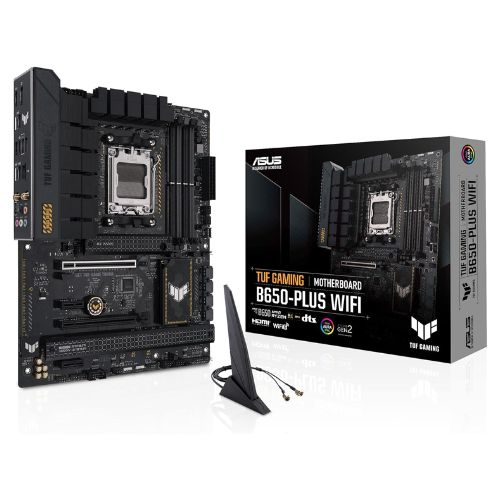
    ASUS TUF Gaming B650-PLUS
    ASUS TUF Gaming B650-PLUS

    Two-way AI Noise Cancelation

    Our Pick3
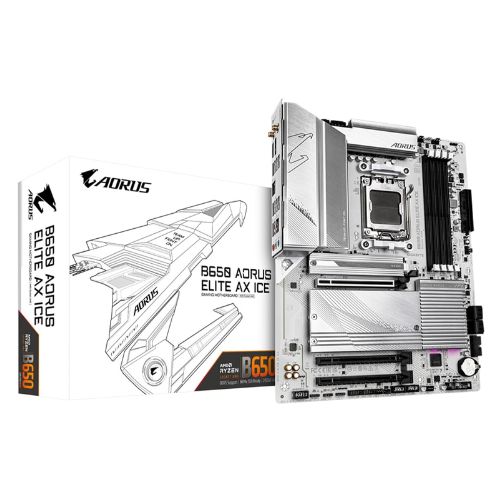
    GIGABYTE B650 AORUS
    GIGABYTE B650 AORUS

    Dual Channel DDR5 with 4 DIMMs

    Our Pick4
    GIGABYTE X670 AORUS
    GIGABYTE X670 AORUS

    Ultra Durable Armor

    Futureproofing with AM5 Motherboards

    One of the key advantages of AM5 motherboards is their potential longevity. The AM5 socket is expected to be compatible with future Ryzen generations, providing a solid foundation for future upgrades. Additionally, with support for DDR5 RAM and PCIe 5.0, AM5 motherboards ensure that your system will remain relevant and capable of handling upcoming technologies.

    Where to Buy the Best AM5 Motherboards

    When it comes to purchasing an AM5 motherboard, reputable online retailers and electronics stores are your best bet. Popular options include:

    • Amazon: Known for its vast selection and competitive prices.
    • Newegg: A go-to source for PC components with excellent customer service.
    • Micro Center: Ideal for in-store shopping with knowledgeable staff and frequent deals.

    Conclusion: Choosing the Best AM5 Motherboard for You

    Selecting the right AM5 motherboard is crucial for building a high-performance PC that meets your specific needs. By considering factors such as CPU compatibility, form factor, overclocking support, features, and budget, you can find the perfect motherboard for your setup.

    Remember to research and compare specifications before making a final decision. With the best AM5 motherboard, you’ll be well-equipped to take full advantage of AMD’s latest Ryzen 7000 series processors and enjoy a cutting-edge computing experience.

    We hope this guide has helped you navigate the exciting world of AM5 motherboards. For more information and to explore the best options available, be sure to visit your favorite retailers and start building your dream PC today. Happy building.
    1. What is the difference between an X670E and B650 chipset for AM5 motherboards?

    X670E chipsets offer more features like overclocking support, additional PCIe lanes, and typically have a beefier power delivery system. This makes them ideal for high-performance builds and overclocking enthusiasts. B650 chipsets focus on value, providing essential features for everyday use and mainstream gaming at a lower price point.

    2. Do I need an X670E motherboard if I’m not planning to overclock?

    Not necessarily. B650 motherboards are perfectly capable for running Ryzen 7000 CPUs at stock speeds. They offer good performance and features for everyday tasks and gaming. If overclocking isn’t a priority and budget is a concern, a B650 motherboard is a great option.

    3. What features should I prioritize when choosing an AM5 motherboard?

    The most important features depend on your needs. Gamers will value multiple PCIe slots for graphics cards and other devices. Content creators might prioritize fast storage with multiple M.2 slots. Wi-Fi and Bluetooth connectivity are must-haves for some users. Consider what you’ll be using your PC for and choose a motherboard that offers the features you need.

    4. Are AM5 motherboards backwards compatible with older Ryzen CPUs?

    No, AM5 motherboards are designed specifically for AMD Ryzen 7000 series processors and are not compatible with older AM4 socket CPUs.
  • The Best Microphone for Vocals: A Comprehensive Guide for Podcasters and Musicians

    The Best Microphone for Vocals: A Comprehensive Guide for Podcasters and Musicians

    Finding the right vocal microphone can be transformative for podcasters and musicians alike, as it can significantly impact the quality of your recordings and performances. Whether you’re setting up a home studio, recording a podcast, or gearing up for live performances, choosing the perfect microphone tailored to your specific needs is crucial. This guide will walk you through everything you need to know to select the best microphone for vocals.

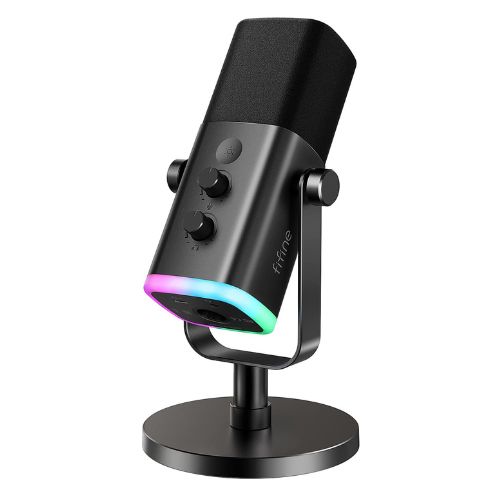
    The Best Microphone for Vocals: FIFINE XLRUSB Dynamic Microphone

    Podcasting XLR Mic Features

    • Natural Audio Clarity: Operates with a frequency response of 50Hz-16KHz for balanced audio range.
    • Directional cardioid dynamic microphone: Corded for vocal originality and intelligibility.
    • XLR Connection Upgrade-Ability: Enhances vocal speaking audio flexibility.
    • USB Connection with Handy Mute: Ideal for beginner creators or daily podcast work.
    • Soothing Controllable RGB: Desktop gaming microphone with 3 modes and over 10 light colors collection.
    • More Function Keys: Computer microphone with headphones jack, volume control, and smooth mic gain knob.
    • Multiple Scene Use: Can be used at home or on the go.
    • Noise-canceling windscreen cover: Cleaner audio.

    Introduction: Choosing the Right Vocal Microphone

    When it comes to capturing vocals, not all microphones are created equal. The type of microphone you choose can influence the clarity, warmth, and overall sound quality of your recordings. Here are some key factors to consider when selecting a vocal mic:

    • Budget: Determine how much you’re willing to spend.
    • Recording Style: Consider the environment where you’ll be recording (studio or live).
    • Desired Sound Characteristics: Think about the sound qualities that are important to you (e.g., warmth, clarity, presence).

    Types of Vocal Microphones

    Condenser Microphones

    Condenser microphones are known for their ability to capture detailed and nuanced sound, making them ideal for studio recordings. There are two sub-categories:

    • Large-Diaphragm Condensers: Best for capturing a full, rich sound, often used for lead vocals.
    • Small-Diaphragm Condensers: Great for capturing high-frequency details, often used for background vocals or instruments.

    Dynamic Microphones

    Dynamic microphones are renowned for their durability and ability to handle high sound pressure levels, making them perfect for live performances. They are generally less sensitive than condenser mics but offer robust and reliable performance

    Pros and Cons of Using the Best Microphone for Vocals.

    Pros

    • Improved Audio Quality: High-fidelity microphone captures clearer, richer vocals.
    • Isolation and Control: Cardioid or supercardioid patterns focus on voice, rejecting background noise.
    • Increased Volume and Dynamics: Captures a wider range of vocal levels, allowing for soft or powerful singing.
    • Versatility for Different Recording Styles: Available in various types for studio or live performances.
    • Professional Sound: Elevates the quality of vocal recordings.

    Cons

    • Additional Cost: Microphones range from affordable to high-end, requiring additional accessories like cables, stands, and pop filters.
    • Increased Complexity: Setting up a microphone involves connecting it to audio equipment and potentially using a mixer or audio interface.
    • Room Acoustics: Quality of recording environment impacts sound captured by the microphone.
    • Positional Sensitivity: Microphones are sensitive to head movement, requiring careful positioning during recording.
    • Potential for Technical Issues: Microphones can introduce technical problems like feedback or audio hum if not connected or used with incompatible equipment.

    Top Features to Look for in Vocal Mics

    When selecting the best microphone for vocals, keep these key features in mind:

    • Polar Pattern: This determines the microphone’s sensitivity to sound from different directions. Cardioid is the most common pattern for vocals as it focuses on the sound source while rejecting unwanted noise.
    •  Frequency Response: Look for a microphone with a frequency response tailored for vocals, usually emphasizing the midrange where most vocal sounds reside.
    •  Sensitivity: The microphone’s ability to capture sound levels is crucial, especially for quiet or loud singers.
    •  Supercardioid Pattern (Optional): Offers an even tighter focus on vocals compared to cardioid patterns, helpful in noisy environments.

    Several brands are well-regarded for their excellent vocal microphones. Here are some top picks:

    • Shure SM58 (Dynamic): A staple for live performances, known for its durability and reliability.
    •  Rode NT1-A (Condenser): Popular for studio use, offering a warm and clear sound.
    •  Audio-Technica AT2020 (Condenser): A great entry-level option for studio recordings.
    •  Neumann U87 (Condenser): A high-end option providing exceptional sound quality for professional studios.
    •  AKG C414 (Condenser): Versatile and suitable for both studio recordings and live performances.

    Best microphone for vocals at Different Budgets

    Budget-Friendly Options
    • Audio-Technica AT2020: Offers impressive quality for beginners at a reasonable price.
    • Shure SM58: Affordable and reliable, ideal for live performances.
    Mid-Range Options
    • Rode NT1-A: Known for its low noise and professional-grade sound.
    • Shure SM7B: Favored by podcasters and studio professionals for its versatile performance.
    High-End Options
    • Neumann U87: A legendary microphone offering unparalleled sound quality, often found in top-tier studios.
    • AKG C414: Highly versatile with multiple polar patterns, suitable for a wide range of recording scenarios.
    ImageProductFeaturesPrice
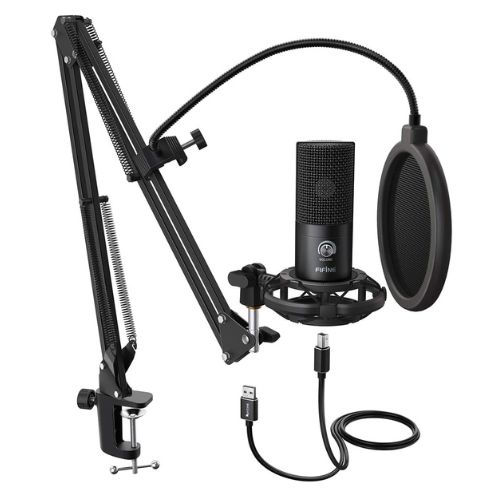
    Our Pick1
    FIFINE Studio Condenser
    5
    FIFINE Studio Condenser

    USB output for easy setup on PC and laptop

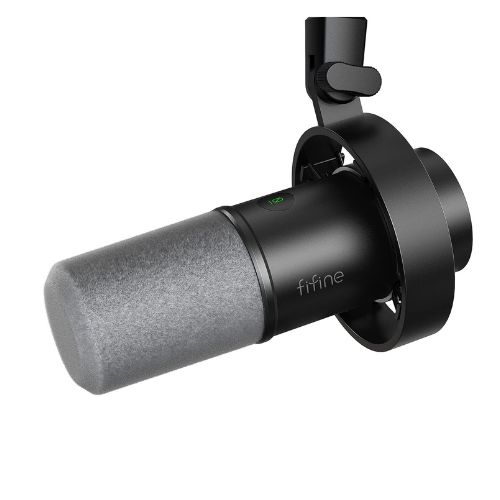
    Our Pick2
    FIFINE Dynamic Microphone
    FIFINE Dynamic Microphone

    Noise-free muting and Gain Control

    Our Pick3
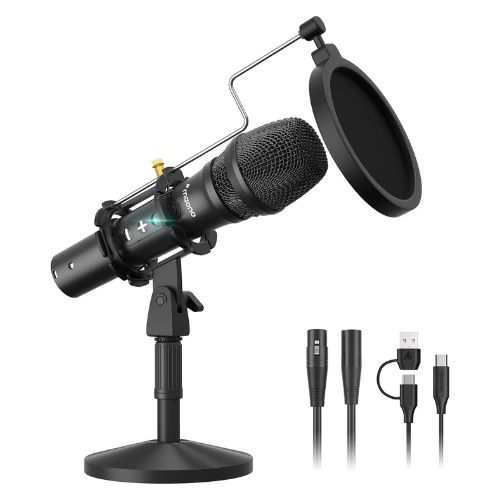
    MAONO Dynamic Microphone
    MAONO Dynamic Microphone

    Durable metal construction

    Our Pick4
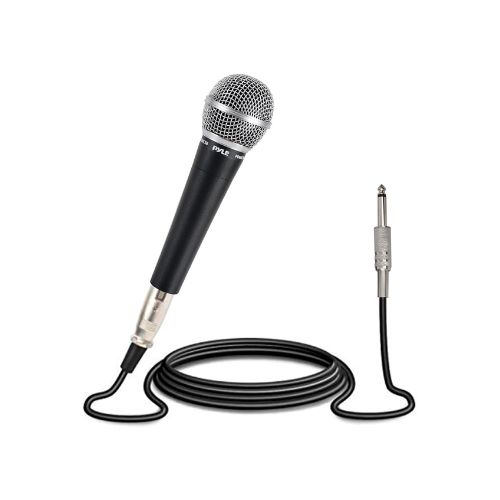
    Pyle Handheld Microphone
    ProduPyle Handheld Microphone

    Minimizing background noise

    Additional Considerations for Vocal Mics

    While the microphone is the star of the show, several accessories can enhance your recording experience:

    • Shock Mount: Essential for reducing unwanted noise caused by vibrations, especially for condenser mics.
    • Pop Filter: Minimizes plosive sounds (like “p” and “b”) that can distort your recordings.
    • XLR Cable: Necessary for connecting condenser microphones to audio equipment.

     Tips for Recording Great Vocals

    To get the the best microphone for vocals out of you, consider these recording tips:

    • Use a Quiet Environment: Minimize background noise to capture clean vocals.
    • Microphone Placement: Experiment with different positions to find the optimal sound.
    • Monitor Your Voice: Use headphones to hear your voice during recording.
    • Use a Preamp: For improved signal quality, especially with condenser mics.

    Conclusion: Finding Your Perfect Vocal Mic

    Choosing the best microphone for vocals involves considering your specific needs, budget, and recording environment. From understanding the types of microphones to evaluating their key features and additional accessories, every detail matters in capturing the perfect vocal sound.

    Remember, the journey doesn’t end with buying a microphone. Experimenting and refining your recording techniques will help you make the most of your investment. If possible, try out different microphones to find the one that best suits your voice and style.

    Ready to take the plunge? Explore the options discussed and find the perfect microphone that will bring your vocals to life. For more in-depth reviews and the latest updates on the best microphones for vocals, stay connected with our blog and join our community of podcasters and musicians.

    1. Condenser vs. Dynamic Mics: Which is Best Microphone for Vocals?

    There’s no single “better” option. Condensers offer detailed sound, ideal for studio recordings. Dynamics are more rugged and handle loud vocals well, making them popular for live performances. Consider your recording environment and singing style to choose.

    2. What features matter most in a vocal microphone?

    Focus on polar pattern (cardioid for vocals), frequency response (tailored for midrange), and sensitivity (important for capturing your vocal level). Supercardioid patterns offer even tighter focus on vocals (optional).

    3. How much should I spend on a vocal microphone?

    There are great options at various price points. Budget mics (e.g., Audio-Technica AT2020) offer good value for beginners. Mid-range mics (e.g., Rode NT1-A) provide better sound quality. High-end mics (e.g., Neumann U87) are for professional studios.

    4. Do I need any additional equipment for a vocal microphone?

    A shock mount reduces vibration noise (important for studio condenser mics). A pop filter minimizes plosive sounds. Condenser mics typically require an XLR cable to connect to audio equipment.
  • The Ultimate Guide to Standalone Drawing Tablets: Everything You Need to Know

    The Ultimate Guide to Standalone Drawing Tablets: Everything You Need to Know

    In the digital age, artists and graphic designers are increasingly turning to technology to bring their creative visions to life. Among the most revolutionary tools available today are standalone drawing tablets. These devices offer a portable, all-in-one solution for digital art creation, freeing artists from the constraints of traditional drawing tablets and computer connections.

    Standalone drawing tablets come with built-in screens and operating systems, making them self-sufficient units for creating art on the go. Unlike traditional drawing tablets, which must be connected to a computer to function, standalone drawing tablets allow artists to draw, sketch, and paint directly on the device itself, offering unparalleled convenience and flexibility.

    PicassoTab XL Standalone Drawing Tablets

    PicassoTab XL: A Standalone Drawing Tablet

    • Allows for creative work anywhere, from parks to schools.
    • Comes with an all-in-one package including a 11.6-inch tablet, a pen, and pre-installed drawing app.
    • Includes a large 64GB disk for storing drawings and downloading free apps.
    • Compatible with all favorite apps and home WIFI network.
    • Can be linked to the TV via the micro HDMI port for viewing movies.
    • Certified by GMS, FCC, and CE standards for safety and quality.
    • Comes with a 1-year warranty and excellent customer service.

    Features and Functionality of Standalone Drawing Tablets

    Standalone drawing tablets boast a variety of features designed to enhance the digital art experience. Some of the key functionalities include:

    Pressure-Sensitive Displays

    One of the standout features of standalone drawing tablets is their pressure-sensitive displays. These screens detect the level of pressure applied by the stylus, allowing artists to create lines of varying thickness and opacity, just like they would with traditional art tools.

    Stylus Pens with Customizable Sensitivity

    Stylus pens that accompany standalone drawing tablets often come with customizable pressure and tilt sensitivity. Artists can adjust these settings to fit their unique drawing style, making for a more natural and intuitive drawing experience.

    Features and Functionality

    Built-In Operating Systems

    Many standalone drawing tablets run on operating systems like Android or custom OS platforms. This feature enables users to download and utilize various drawing and art creation apps directly on the tablet, making it a versatile tool for different types of digital art.

    Onboard Storage

    Standalone drawing tablets typically come with onboard storage, allowing artists to save their artwork and creative projects directly on the device. This feature is especially useful for artists who like to work on multiple projects simultaneously or need to access their work on the go.

    Connectivity Options

    Wi-Fi and Bluetooth connectivity options are standard in most standalone drawing tablets, facilitating easy file transfer and additional functionality. Artists can share their work, collaborate with others, and even connect external devices for an expanded workflow.

    Popular Standalone Drawing Tablet Brands and Models

    Several brands have made a name for themselves in the standalone drawing tablet market. Here are some of the most popular brands and their standout models:

    XP-PEN

    • XP-PEN Artist Pro: Known for its high-resolution screen and extensive pressure sensitivity, this model is ideal for professional artists seeking a high-quality drawing experience.
    • XP-PEN Deco Pro: A budget-friendly option that doesn’t skimp on features, suitable for beginners and intermediate artists.

    Wacom

    • Wacom MobileStudio Pro: A top-tier option featuring a 4K display, powerful processors, and extensive app compatibility, perfect for professionals.
    • Wacom Cintiq Pro: Offers excellent color accuracy and pen performance, making it a favorite among digital illustrators and animators.

    Huion

    • Huion Kamvas Studio: Known for its affordability and quality, this model offers a great balance of features and performance, suitable for both beginners and experts.
    • Huion Kamvas Pro: Featuring a laminated screen and high-pressure sensitivity, this model is designed for artists seeking precision and detail in their work.
    ImageProductFeaturesPrice
    Our Pick1
    XPPen Magic Drawing Pad
    5
    XPPen Magic Drawing Pad

    Anti-Glare Glass

    Our Pick2
    HUION Kamvas Slate 10
    HUION Kamvas Slate 10

    Rear Facing Camera

    Our Pick3
    Standalone Drawing Tablet
    Standalone Drawing Tablet

    Palm Rejection

    Choosing the Right Standalone Drawing Tablet

    Selecting the best standalone drawing tablet depends on various factors. Here’s a guide to help you make an informed decision:

    Screen Size and Resolution

    Consider the tablet’s screen size and resolution based on your portability needs and drawing space requirements. Larger screens offer more room for detailed work but may be less portable.

    Pressure Sensitivity Levels

    Higher pressure sensitivity levels provide better control over line thickness and shading. Look for tablets with at least 8192 levels of pressure sensitivity for optimal performance.

    Stylus Features

    Check for stylus features such as tilt sensitivity and programmable buttons. These additions can significantly enhance your drawing experience by offering more control and customization options.

    Operating System and Software Compatibility

    Ensure the tablet’s operating system supports the apps and software you frequently use. Compatibility with popular drawing apps like Adobe Photoshop, Procreate, and Clip Studio Paint is crucial.

    Price Range and Brand Reputation

    Set a budget and research the reputation of different brands. While premium models offer advanced features, there are also budget-friendly options that provide excellent value for money.

    Benefits of Using a Standalone Drawing Tablet

    Standalone drawing tablets offer numerous advantages that make them an attractive choice for digital artists:

    • Increased Portability: The all-in-one design of standalone drawing tablets makes them highly portable, allowing artists to create wherever inspiration strikes.
    • Freedom from Computer Tethering: Unlike traditional drawing tablets, standalone models operate independently, eliminating the need for a computer connection and providing a more streamlined workflow.
    • Natural Drawing Experience: Pressure-sensitive displays and customizable stylus pens offer a natural drawing experience, closely mimicking traditional art methods.
    • Access to Drawing Apps: Built-in operating systems enable access to a wide range of drawing and art creation apps, enhancing the tablet’s versatility and functionality.

    Standalone Drawing Tablets vs. Traditional Drawing Tablets

    When choosing between standalone and traditional drawing tablets, consider the following comparisons:

    Standalone Drawing Tablets

    • Pros: Portable, built-in screen, independent operation, access to apps.
    • Cons: Generally more expensive, limited screen size options.

    Traditional Drawing Tablets

    • Pros: Often more affordable, larger screen options, reliant on computer power.
    • Cons: Requires computer connection, less portable.

    Your choice will depend on your workflow, budget, and specific needs. If portability and independence are priorities, a standalone drawing tablet is the way to go. If you prefer a larger drawing surface and have a limited budget, a traditional drawing tablet may be more suitable.

    Getting Started with Your Standalone Drawing Tablet

    For those new to standalone drawing tablets, here’s a basic guide to get you started:

    Device Setup and Charging

    Start by unboxing your tablet and fully charging it. Follow the manufacturer’s instructions for initial setup and configuration.

    Stylus Pen Pairing and Customization

    Pair your stylus pen with the tablet and customize its pressure sensitivity and button functions to suit your drawing style.

    Downloading Drawing Apps

    Install your favorite drawing apps from the tablet’s app store. Familiarize yourself with the app interfaces and explore their features.

    Exploring Online Tutorials

    Leverage online tutorials and resources to improve your skills and get the most out of your standalone drawing tablet. Platforms like YouTube, Skillshare, and Udemy offer valuable lessons for digital artists.

    The Future of Standalone Drawing Tablets

    The future of standalone drawing tablets looks promising, with potential advancements including:

    • Enhanced Display Technology: Expect improved color accuracy and higher resolution screens, providing an even more immersive drawing experience.
    • More Powerful Processors: As technology advances, standalone drawing tablets will feature more powerful processors, ensuring smooth performance and handling of complex art projects.

    Conclusion

    Standalone drawing tablets have revolutionized the way digital artists and graphic designers create art. Their portability, independence, and advanced features make them an invaluable tool for artists of all levels. By understanding the key features, comparing popular models, and following best practices for use, you can unlock the full potential of your standalone drawing tablet. Whether you’re a seasoned professional or an aspiring artist, investing in a standalone drawing tablet can take your digital art to the next level. So, take your time to research and find the perfect fit for your needs and budget. With the right standalone drawing tablet by your side, you can bring your creative visions to life with ease and precision.

    1. What are the benefits of a standalone drawing tablet compared to a traditional tablet with a stylus?

    Standalone tablets offer a more natural drawing experience with pressure-sensitive displays specifically designed for artists. They also free you from being tethered to a computer, allowing you to create anywhere inspiration strikes.

    2. How do I choose the right standalone drawing tablet?

    Consider your needs and budget. Screen size, pressure sensitivity levels, and stylus features are all crucial factors. If you’re new to digital art, a beginner-friendly model with a user-friendly interface might be ideal.

    3. Are standalone drawing tablets good for beginners?

    Absolutely! Many standalone tablets come with built-in tutorials and drawing apps specifically designed for learning the ropes. Their portability also makes them perfect for practicing anywhere.
  • Exploring the 20TB SSD: A Deep Dive into High-Capacity Storage Solutions

    Exploring the 20TB SSD: A Deep Dive into High-Capacity Storage Solutions

    In the ever-evolving world of data storage, the emergence of the 20TB SSD marks a significant milestone. This high-capacity storage solution promises to redefine how tech enthusiasts and data professionals manage and store vast amounts of data. But what exactly is a 20TB SSD, and why is it so significant?

    A 20TB SSD (Solid State Drive) offers an enormous 20 terabytes of storage space on a single drive. Unlike traditional hard disk drives (HDDs), SSDs use flash memory to store data, resulting in faster read and write speeds, lower power consumption, and greater durability due to the absence of moving parts.

    The introduction of 20TB large storage SSDs opens up new possibilities for applications requiring extensive storage, such as professional video editing, massive data archives, and large-scale gaming servers.

    Exploring the 20TB SSD

    Western Digital Hard Disk Overview

    • Digital Storage Capacity: 20000 GB
    • USB 1.1 Interface
    • Connectivity Technology: USB
    • Brand: Western Digital
    • Features: Plug-and-play simplicity, fast transfer rates
    • Form Factor: 3.5 Inches
    • Compatibility: Desktop
    • Installation Type: External Hard Drive
    • Color: Black
    • High-capacity add-on storage
    • Compatibility: Windows 10 plus, MacOS
    • Fast data transfers
    • WD quality inside and out.

    Availability and Pricing of 20TB SSDs

    As with any cutting-edge technology, the availability and pricing of 20TB SSDs are key considerations for potential buyers. Currently, 20TB SSDs are relatively new to the market, and their availability is limited compared to more common, smaller capacity SSDs. This means that finding a 20 large storage might require some patience and diligence, as they may not be stocked by all retailers or manufacturers.

    In terms of pricing, 20TB SSDs are positioned at the high end of the market. Given their massive storage capacity and advanced technology, these drives come with a premium price tag.

    While exact prices can vary based on brand, model, and additional features, potential buyers should be prepared for a significant investment. However, for those who require such large storage capacities, the benefits can far outweigh the costs.

    Performance Considerations for 20TB SSDs

    When evaluating a 20TB SSD, several performance factors come into play. These factors can significantly impact the overall user experience and determine whether a 20TB large storage is the right choice for your needs.
    • Read/Write Speeds: One of the primary performance considerations for any SSD is its read and write speeds. While 20TB SSDs offer substantial storage capacity, their read/write speeds might not always match those of smaller SSDs. This is due to the sheer volume of data that needs to be managed. However, many 20TB SSDs still provide impressive speeds that far exceed those of traditional HDDs.
    • Endurance Ratings: Endurance is another critical factor, especially for users with write-intensive workloads. Endurance ratings indicate how much data can be written to the SSD over its lifespan. Higher endurance ratings are crucial for applications that involve frequent data writing, such as video editing or database management.
    • Interface Options: The interface through which the SSD connects to your system also affects performance. Common interfaces include SATA and PCIe NVMe. PCIe NVMe interfaces typically offer faster data transfer speeds compared to SATA, making them a preferred choice for high-performance applications.

    Advantages and Disadvantages of 20TB SSDs

    Advantages

    1. Massive Storage Capacity: A 20TB SSD provides ample space for even the most demanding applications, ensuring you have room for all your data.
    2. Faster Data Access: Compared to traditional HDDs, SSDs offer significantly faster read and write speeds, leading to quicker data access and improved system performance.
    3. Improved Reliability and Durability: With no moving parts, SSDs are more resistant to physical damage and wear, resulting in greater reliability and longevity.
    Disadvantages

    1. High Cost per Terabyte: The price per terabyte for 20TB a large storage SSD s is higher compared to smaller SSDs and traditional HDDs, making them a considerable investment.
    2. Limited Availability: As a newer technology, 20TB SSDs may be harder to find and purchase.
    3. Potential Overkill for Some Users: Not everyone needs such vast storage capacity, so it’s important to consider your actual storage requirements before investing in a large storage.

    Alternatives to 20TB SSDs

    Depending on your storage needs, there are several alternative solutions to consider:

    Smaller Capacity SSDs

    For those seeking a balance of performance and cost, smaller capacity SSDs (e.g., 1TB, 2TB) offer excellent speed and reliability without the high price tag of a 20TB large storage SSD.

    High-Capacity HDDs

    If cost-effective bulk storage is your primary concern, high-capacity HDDs (e.g., 10TB, 12TB) provide ample space at a lower cost, albeit with slower data access speeds.

    RAID Configurations

    For improved redundancy and performance, consider RAID configurations that combine multiple drives. RAID setups can enhance data security and boost overall storage capacity.

    ImageProductFeaturesPrice
    Our Pick1
    compatily LV22 20TB USB-C 10Gbps
    5
    compatily LV22 20TB

     USB 3.0 Interface with 10Gbps Speed

    Our Pick2
    Toshiba N300 PRO 20TB Large
    Toshiba N300 PRO 20TB

    Connectivity
    SATA

    Our Pick3
    Seagate Skyhawk AI 20TB
    Seagate Skyhawk AI 20TB

    Special Feature
    Portable
    Connectivity
    SATA

    Who Needs a 20TB SSD?

    Identifying the target audience for a 20TB SSD helps determine whether this high-capacity storage solution is right for you:

    • Professionals Working with Massive Datasets

    Video editors, engineers, and other professionals who work with large datasets can benefit from the expansive storage and fast access speeds of a 20TB SSD.

    • Businesses Requiring Large-Scale Data Storage

    Enterprises and organizations that manage extensive data archives or run large-scale servers will find 20TB SSDs invaluable for their storage needs.

    • Power Users with Extensive Storage Needs

    Gamers, content creators, and tech enthusiasts who require substantial storage for their extensive libraries of games, media, and projects will appreciate the capacity and performance of a 20TB SSD.

    Conclusion: Is a 20TB SSD Right for You?

    Deciding whether a 20TB SSD is the right fit for your needs involves careful consideration of several factors:

    • Storage Needs: Assess your specific storage requirements to determine if you truly need 20TB of space.
    • Budget: Consider your budget and whether the benefits of a 20TB SSD justify the investment.
    • Alternative Solutions: Evaluate alternative storage solutions, such as smaller SSDs, high-capacity HDDs, or RAID configurations, based on your needs.

    If you require massive storage capacity and value the speed and reliability of SSDs, a 20TB SSD might be a future-proof option worth considering. As technology continues to evolve, investing in high-capacity SSDs can help ensure you stay ahead of the curve and meet the demands of data-intensive applications.

    By understanding the capabilities and limitations of 20TB SSDs, you can make an informed decision that aligns with your storage needs and professional goals.

    1. Do I actually need a 20TB SSD?

    This FAQ addresses who can benefit from such a massive storage drive. It can discuss typical user cases for 20TB SSDs (video editors, large-scale servers) and guide users towards smaller capacity options for less demanding needs.

    2. How much does a 20TB SSD cost?

    It can mention the high-end pricing range expected for 20TB SSDs and potentially compare it to the cost per terabyte of smaller capacity drives.

    3. Are there any performance drawbacks to consider with 20TB external SSDs?

    This FAQ focuses on potential performance limitations. It can discuss read/write speed variations compared to smaller models and endurance ratings for write-intensive workloads.

    4. What are some alternative storage solutions to a 20TB SSD?

    It can mention high-capacity HDDs for cost-effective bulk storage, RAID configurations for redundancy and performance, and smaller capacity SSDs for a balance of performance and cost.
  • Beat the Heat: A Comprehensive Guide to Outdoor Cooling Fans

    Beat the Heat: A Comprehensive Guide to Outdoor Cooling Fans

    As summer approaches and temperatures start to soar, outdoor enthusiasts begin looking for ways to stay cool while enjoying their outdoor spaces. Whether it’s a backyard barbecue, a relaxing moment on the porch, or outdoor social gatherings, beating the heat becomes a priority. Enter outdoor cooling fans, a game-changer for creating comfortable and inviting outdoor environments.

    Outdoor Cooling Fans

    Outdoor and Indoor Fan Features

    • Outdoor tough and durable, suitable for outdoor activities and indoors.
    • Includes an instant cooling misting attachment for immediate, on-demand cooling.
    • Offers 24 hours of runtime from a single battery charge, allowing for versatile use.
    • Can be corded to cordless for endless power or cordless for more freedom.
    • Transitions from pedestal to tabletop mode with a simple button press.
    • BreezeBoost mode allows for over 70 feet of breeze for heat control or air circulation.
    • Offers 5 fan speeds, 180 degrees of side-to-side oscillation, and 55-degree up-and-down tilt.
    • Durable with UV resistance and a water-resistant design.
    • Ultra-quiet, perfect for home office or sleeping.
    • Includes FlexBreeze Fan Head, Pedestal Pole, Pedestal Base, Charging Cable, Remote, and Misting Attachment.

    Types of Outdoor Cooling Fans

    Outdoor cooling fans come in various styles, each offering unique benefits suited to different outdoor settings and climates. Here’s a breakdown of the most popular types:

    Misting Fans

    Misting fans are ideal for dry climates where the added moisture can be a relief. These fans work by emitting a fine spray of water that evaporates upon contact with the air, significantly reducing ambient temperature. They’re perfect for pool areas, patios, and any outdoor setting where you can appreciate a slight mist.

    Oscillating Fans

    Oscillating fans move side to side, providing a wider cooling coverage. They are highly energy-efficient and can be used in various outdoor settings. Their versatility and ability to distribute air evenly make them a popular choice for those looking to cool a larger outdoor area.

    Tower Fans

    Tower fans offer targeted cooling with a space-saving design. They are particularly effective in small to medium outdoor spaces, like balconies or cozy garden nooks. With their quiet operation, tower fans ensure a soothing ambiance without the disruptive noise.

    Ceiling Fans

    Ceiling fans are a classic solution for cooling outdoor spaces such as patios and porches. They improve air circulation and can significantly reduce the temperature of an area. Additionally, ceiling fans come in various designs that can complement your outdoor decor while providing the necessary airflow to stay cool.

    Choosing the Right Outdoor Cooling Fan

    Selecting the best outdoor cooling fan for your space involves considering several factors:

    • Size of Your Outdoor Space: Larger areas may require more powerful fans or multiple units.
    • Desired Cooling Effect: Decide whether you need spot cooling or overall airflow.
    • Noise Level Preferences: If ambient noise is a concern, look for fans designed to operate quietly.
    • Budget: Outdoor fans vary in pricing, so identify how much you’re willing to spend.
    • Aesthetic Considerations: Choose a fan that matches your outdoor space’s style.

    Use these considerations as a guide to find the fan that best meets your needs and preferences.

    Installation and Maintenance Tips

    While installing outdoor cooling fans can be straightforward, always prioritize safety and consult a professional for complex installations. Here are a few tips:

    • Ensure your fan is rated for outdoor use to withstand weather elements.
    • Follow the manufacturer’s instructions for safe installation.
    • Keep maintenance in mind – clean your fan regularly and store it properly during off-season months.
    ProsCons
    Effective Cooling: Outdoor cooling fans create a cool and refreshing breeze, making your outdoor space more enjoyable during hot weather.Limited Cooling Power: While effective, outdoor fans cannot drastically lower the temperature like air conditioners. Their effectiveness depends on air movement and surrounding humidity.
    Cost-Effective: Outdoor cooling fans are significantly cheaper to operate than air conditioners, making them a budget-friendly way to cool down your outdoor space.Water Dependence (Misting Fans): Misting fans require a constant water supply and may not be suitable in areas with water restrictions.
    Easy Installation: Most outdoor fans are relatively easy to install, with some models requiring minimal assembly.Noise Level: Some outdoor fans, particularly oscillating fans, can generate noticeable noise. Consider noise output when choosing a fan for your space.
    Improved Airflow: Fans help circulate air, reducing humidity and making the overall environment feel more pleasant.Wind Chill Effect: Sitting directly in front of a strong fan for extended periods can lead to a wind chill effect, causing discomfort.
    

    Additional Cooling Strategies for Outdoor Spaces

    Pairing outdoor fans with other cooling methods, such as shade sails, plants, or water features, can enhance the comfort of your outdoor environment. These strategies can work together to create a significantly cooler space for enjoyment even on the hottest days.

    ImageProductFeaturesPrice
    Our Pick1
    Hykolity 4,129 CFM Portable Swamp Outdoor cooling fan
    5
    Hykolity 4,129 CFM Portable Swamp Cooler

    Dimensions
    57″D x 67″W x 77″H
    Controls Type
    Remote

    Our Pick2
    Lasko High Velocity Max Outdoor cooling fan
    Lasko High Velocity Max

    A blower design
    Noise Level
    57.6 dB

    Our Pick3
    Portable Misting Fan outdoor cooling fan
    Portable Misting Fan

    Power Source
    Battery Powered
    Noise Level
    40 dB

    Our Pick4
    iLiving 18 Wall Mounted outdoor cooling fan
    iLiving 18″ Wall Mounted

    Dimensions: 22.5″D x 8.25″W x 28″H
    Wattage
    168 watts

    Safety Considerations for Outdoor Fans

    Always opt for fans specifically designed for outdoor use, as these are built to handle weather exposure and have the necessary electrical safety features. Also, consider the placement of your fan to ensure it does not obstruct walkways or create potential hazards.

    Cost Considerations

    The cost of outdoor cooling fans can vary widely depending on the type, size, and features. While some models might be an investment, the comfort they offer makes them a worthwhile addition to your outdoor space. Shop around and read reviews to find the best fan that fits within your budget without compromising on quality.

    Conclusion

    Investing in outdoor cooling fans can transform your outdoor living spaces into comfortable retreats, even during the heat of summer. Whether you prefer a subtle breeze from a ceiling fan or the refreshing mist from a misting fan, there’s an option out there to suit every need.

    Looking to explore more about staying cool this summer? Stay tuned for further information and product recommendations that will help you make the most out of your outdoor experiences.  So, don’t let the heat stop you from enjoying the outdoors – beat it with outdoor cooling fans! Happy summer!

    1. Are outdoor cooling fans effective?

    Outdoor cooling fans can be very effective in creating a more comfortable outdoor space during hot weather. They work by circulating air and creating a wind chill effect. However, their effectiveness depends on factors like air movement, surrounding humidity, and how close you are to the fan. They are most effective in dry climates.

    2. What factors should I consider when choosing an outdoor cooling fan?

    The size of your outdoor space, desired cooling effect (spot cooling vs. overall airflow), noise level preferences, budget, and aesthetics are all important factors to consider. Consider misting fans for dry climates and oscillating fans for wider coverage. Tower fans offer a quieter option, while ceiling fans are ideal for patios and porches.

    3. How do I install and maintain an outdoor cooling fan?

    Installation difficulty varies depending on the type of fan. Most are relatively easy to set up, with some requiring minimal assembly. Always consult the user manual and prioritize safety, especially when dealing with electrical components. Regular cleaning and occasional maintenance are essential to keep your outdoor fan functioning properly.