Category: Product Reviews

Unbiased tech product reviews at Tech Innovation Pro. Find in-depth analysis, real-world testing, and honest comparisons. Buy with confidence, explore now!

  • Best Sony Bluetooth Speaker for Audiophiles

    Best Sony Bluetooth Speaker for Audiophiles

    The Power of Sound: Sony Bluetooth Speaker Lineup

    In the dynamic world of audio technology, Sony remains a formidable titan, delivering innovative sound solutions that elevate the listening experience of audiophiles worldwide. At the epicenter of this audio revolution is Sony’s Bluetooth speaker lineup — a series of devices that combine cutting-edge sound construction with the convenience and connectivity of wireless technology.

    ImageProductFeaturesPrice
    Our Pick1
    Sony Bluetooth Speaker
    5
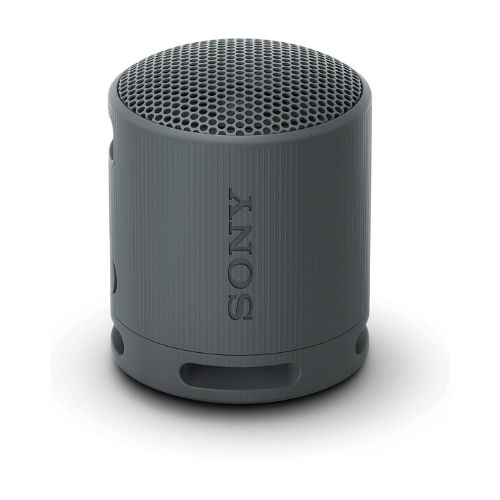
    Sony SRS-XB100

    Up to 16 hours of battery life

    Our Pick2
    Sony Bluetooth Speaker
    Sony SRS-XB23

    Up to 12 hours of battery life

    Our Pick3
    Sony Bluetooth Speaker
    Sony SRS-XE200

    Up to 16 hours of battery life

    Our Pick4
    Sony Bluetooth Speaker
    Sony ULT Field 7

    Up to 30-hours battery life

    The Power of Sound: Sony Bluetooth Speaker Lineup

    In the dynamic world of audio technology, Sony remains a formidable titan, delivering innovative sound solutions that elevate the listening experience of audiophiles worldwide. At the epicenter of this audio revolution is Sony’s Bluetooth speaker lineup — a series of devices that combine cutting-edge sound construction with the convenience and connectivity of wireless technology.

    Sony Bluetooth Speaker Sale: A Harmonic Intersection of Quality and Affordability

    When it comes to a booming sale on Sony Bluetooth speakers, it’s not just about scoring a deal – it’s about locking in an industry-leading sound experience without breaking the bank. But what should you look for in a sale, and what models stand out from the crowd?

    • The XE300: Solid Sound, Unrivaled Convenience

    The Sony XE300 stands as a testament to clarity and portability. With powerful bass radiators that deliver a deep, resonating low end and a battery life that can sustain the party through the night, the XE300 is a perennial best-seller. Featuring a sleek, dust-proof exterior and an IPX5 water-resistant design, it seamlessly transitions from indoor sound stage to an outdoor adventure, making it the ideal companion for any audiophile on the go.

    • Exploring the Sony Bluetooth Family

    The Sony SRS series is a diverse family of speakers tailored to different needs. The SRS-XB12, for instance, is compact and lightweight, defying its size with its EXTRA BASS feature, ensuring that each track packs a punch. Its durable build can withstand spills, and its strap enables the speaker to be easily hung in various locations, taking party planning to a new level of convenience.

    Sony Bluetooth Speaker

    Sony SRS-XB100 Wireless Speaker spec:

    • Provides powerful, clear sound with deep bass.
    • Waterproof and dustproof (IP67 rated).
    • Up to 16 hours battery life with indicator.
    • Compact, portable design with a versatile strap.
    • Bluetooth for music streaming.
    • Crystal-clear hands-free calling.
    • Microphone with echo-canceling technology.
    • USB Type-C port.

    Pros

    • Super-portable and lightweight, ideal for travel and outdoor activities.
    • Hands-free calling with a built-in microphone.
    • Long battery life
    • Versatile strap for easy attachment to gear

    Cons

    • Small size results in smaller sound quality
    • Mono sound is produced due to one speaker driver.
    Sony Bluetooth Speaker

    Sony SRS-XB23 Portable Speaker Spec:

    • Bluetooth® wireless technology for clear, powerful sound.
    • Up to 12 hours battery life.
    • IP67 rated for water and dust protection.
    • Shockproof feature.
    • Extra BASS for powerful sound.
    • Microphone for speakerphone and voice assistant.
    • Dimensions: W7.3 cm x H9.8 cm x D4.8 cm.

    Pros

    • Compact, lightweight design for outdoor adventures.
    • Powerful sound with extra bass.
    • Long battery life for extended parties.
    • Built-in microphone for hands-free calls and voice assistants.
    • Wireless connectivity for up to 100 compatible speakers.

    Cons

    • Limited sound customization with no EQ or other adjustments.
    • Average microphone quality does not clear calls in noisy environments.
    Sony Bluetooth Speaker

    • Lightweight design with an easy-to-carry strap.
    • Waterproof: IP67, dustproof, shockproof.
    • Line-shaped diffuser for even music distribution.
    • X-balanced speakers for powerful bass.
    • Dual passive radiators for powerful bass notes.
    • Up to 16 hours of playing time and quick charging.
    • Personalized sound control via the Sony app.
    • Microphone with echo-canceling technology.
    • Wireless streaming via Bluetooth.

    Pros

    • Ultra-portable and durable with an IP67 rating.
    • Long battery life of up to 16 hours.
    • Easy to carry with a built-in strap.
    • Delivers clear vocals and good sound quality

    Cons

    • Limited bass, especially at lower volumes.
    • price is high
    • There is no stereo sound due to the single speaker driver.
    Sony Bluetooth Speaker
    • Massive Bass: Boosts bass with the ULT button.
    • Dynamic Party Lighting: Synchronizes with music.
    • Powerful Sound: The X-Balanced Speaker Unit delivers clear, deep bass.
    • IP67 rating: waterproof, rustproof, and dustproof.
    • Long Battery Life & Quick Charging: Up to 30-hours with quick charging.
    • Perfect Karaoke Partner: Connects mic or guitar for amp.
    • Horizontal or Vertical Positioning: Upright or on its side.
    • Inputs and Settings: All controls are on the rear panel.
    • Stereo Pair: Adds an extra speaker for stereo sound.
    • Smart Connections: Bluetooth Fast Pair and multipoint connection.

    Pros

    • IP67 waterproof and dustproof rating for outdoor use.
    • Up to 30 hours of battery life for long-lasting entertainment.
    • Built-in microphone jack for karaoke.
    • Multiple connection options are available via Bluetooth or cable.

    Cons

    • price is so high
    • Large and heavy, may not be ideal for extreme portability.

    The Sony Bluetooth Speaker Standard: Excellence Across Every Frequency

    Sony bluetooth speakers aren’t just sound devices; they’re an experience designed to immerse you in the music. Featuring advanced audio technology, Sony speakers cater to connoisseurs who discern the subtle nuances within their favorite tracks. What sets Sony’s Bluetooth speakers apart from their competitors, and how do they maintain their standard of excellence?

    • The Art of Crafting Sound

    Sony’s dedication to High-Resolution Audio and LDAC technology guarantees that every note heard through their Bluetooth speakers maintains the integrity of the original recording. This commitment to high-fidelity sound ensures that their speakers reproduce music as the artist intended, offering an experience that evokes an emotional and visceral response.

    • The Sony Promise of Longevity

    Durability and longevity are cornerstones of the Sony brand. The materials used in the construction of their speakers are selected not only for their acoustic properties but also their ability to withstand the rigors of daily use. Sony’s stringent quality control measures ensure that each speaker that leaves the factory floor is equipped to be a faithful musical companion for years to come.

    Sounding Off: Sony’s Top Bluetooth Speakers of the Year

    In the cacophony of devices vying for the title of the ‘best Bluetooth speaker,’ Sony consistently stands out with its dedication to sound quality and user experience. Which models have reigned as the top dogs of their lineup, and what features have thrust them into the limelight?

    • The SRS-XB12: A Compact Powerhouse

    The Sony SRS-XB12 may be small, but it makes a statement with its robust sound output and a battery life that outlasts your favorite playlist. Its simplistic design hides a sophisticated system of passive radiators and tuning to enhance audio depth, producing a sound that overtakes your surroundings.

    • Best in Class: The SRS-XB41

    The SRS-XB41 exemplifies the pinnacle of Sony’s audio engineering. This speaker isn’t just for listening – it’s an experience of its own. With an illuminated LED speaker strip that syncs with rhythm and a host of features like Party Booster and LIVE SOUND mode, the SRS-XB41 creates an immersive audio spectacle that transforms any environment into a concert stage.

    Conclusion

    Sony’s Bluetooth speaker range stands as a testament to the brand’s ethos — a commitment to delivering exceptional audio experiences that enrich the lives of its users. Whether you’re encountering Sony’s speakers for the first time or you’re a loyal enthusiast, their ability to adapt to the changing needs of the consumer while maintaining their signature quality makes them a staple in the world of portable audio.

    From the acclaimed XB series renowned for its power and durability to high-fidelity models that cater to the critical listener, Sony continues to break ground in the field of audio technology. Each innovation, each new release, only serves to reinforce their status as an industry leader.

    In a world where sound has never been so central to our lives, Sony’s Bluetooth speakers offer not just a device, but a gateway to a richer, more immersive experience. Whether you’re looking to engulf yourself in the serenity of Beethoven’s symphonies or in the thunder of your favorite rock band, Sony’s speakers are ready to resonate with you.
  • Use, Fix, and Replace Roku Remotes: What You Need to Know

    Use, Fix, and Replace Roku Remotes: What You Need to Know

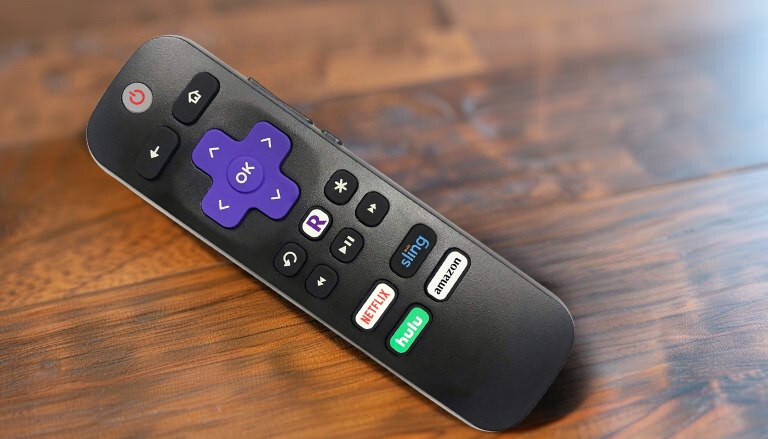
    Roku Remotes

    Feeling frustrated by a finicky Roku remote? Does navigating menus and controlling playback leave you yearning for a smoother experience? Fear not, fellow streamer!

    Welcome to our comprehensive guide on the Roku remote! Whether you’re a new Roku user or looking to upgrade your remote, this guide has everything you need to know about its features, functionality, and how to use it effectively.

    We’ll examine the Roku remote in-depth and provide a comprehensive review to help you maximize your streaming experience. So please sit back, relax, and let’s explore everything you need to know about the Roku remote.

    Introduction to the Roku Remote

    The Roku remote is an essential accessory for any Roku user. It provides easy access to all the functions and features of your Roku streaming device. With the remote, you can navigate through the Roku interface, launch different streaming channels, adjust volume, and control playback.

    It’s a compact and user-friendly device that enhances the overall Roku experience. Whether you’re a new user or looking to upgrade your current remote, understanding its features and functionality is key to maximizing your streaming experience. Let’s dive into a comprehensive review of the Roku remote and learn how to use it effectively.

    Features and Functions of the Roku Remote

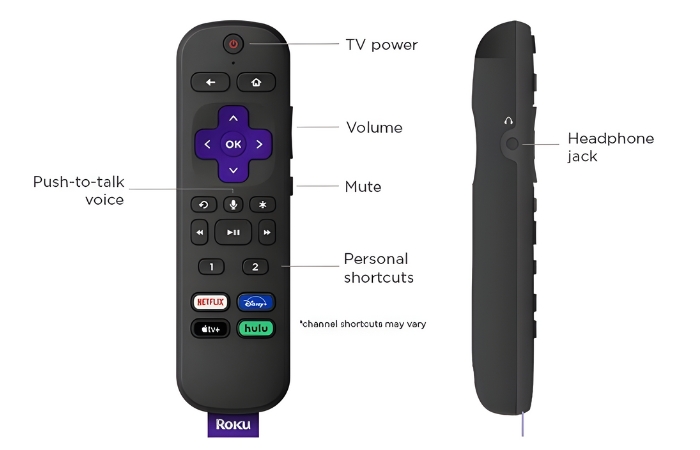
    The Roku remote has several features and functions that make it easy to use and navigate through your streaming experience. It includes shortcut buttons for popular streaming services, a voice search feature, and the ability to control your TV’s power and volume.

    The remote also has a headphone jack for private listening, making it a versatile and convenient tool for enjoying your favorite shows and movies. With its user-friendly design and intuitive layout, the Roku remote makes it easy to access and control your streaming content. Whether you’re a new Roku user or looking to upgrade, the Roku remote is a valuable tool for enhancing your streaming experience.

    While the exact button layout may vary slightly depending on the specific Roku model you have (Simple, Enhanced, Voice), the core functionalities remain consistent. Let’s delve into the features and functions you’ll find on most Roku remotes:

    • Navigation Controls: The directional pad (up, down, left, right) is your workhorse for navigating menus, highlighting content, and scrolling through options.
    • Home Button: This button serves as your central hub, instantly whisking you back to the Roku home screen from any point within the interface.
    • Back Button: Did you make a wrong turn? No worries! The back button allows you to retrace your steps and return to the previous screen.
    • Playback Controls: These buttons (Play/Pause, Fast Forward, Rewind) grant you complete control over your streaming playback. Pause a movie, rewind a missed scene, or fast-forward through commercials—the choice is yours.
    • Volume Controls (Roku TV Remotes): If you’re using a Roku TV remote, you’ll have dedicated buttons to adjust the audio output, allowing you to mute the sound or control the volume directly from the remote. (On non-Roku TV remotes, volume control may be handled by your TV’s remote.)
    • Power Button (Roku TV Remotes): For those using Roku TV remotes, this button offers the convenience of powering your TV on and off directly from the Roku remote.
    • Additional Features (Some Models): While the core buttons remain consistent, some Roku remotes offer additional features.
      • Shortcut Buttons: Many Roku remotes include shortcut buttons for popular streaming services like Disney+, Netflix, YouTube, and Hulu. These buttons provide one-touch access to your favorite channels, saving you time navigating menus.
      • Long-Range and Durability: Most Roku remotes boast a strong signal that can control your device from up to 10 meters (30 feet) away. Additionally, rigorous testing ensures the buttons can withstand over 160,000 clicks, guaranteeing long-lasting performance.

    By understanding these key features and functions, you’ll be well-equipped to navigate your Roku device with ease and unlock the full potential of your streaming experience.

    How to Set Up and Pair Your Roku Remote

    Setting up and pairing your Roku remote is a simple process that will allow you to utilize its features fully. First, insert the batteries into the remote and ensure that your Roku device is powered on.

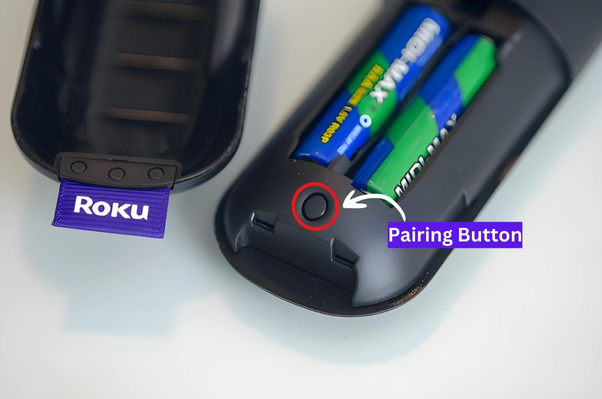
    Next, place the remote close to the device and press the pairing button located inside the battery compartment. You should see a pairing light flashing on the remote, indicating that it is in pairing mode.

    Once the device detects the remote, it will be automatically paired, and you can start using it to navigate and control your Roku device. If you encounter any issues during the pairing process, refer to the user manual or contact Roku customer support for assistance.

    roku remote

    Tips and Tricks for Using the Roku Remote

    1. Use the voice search feature: The Roku remote has a built-in microphone that allows you to search for your favorite shows and movies using your voice. Press the microphone button on the remote and speak into it to search for content.

    2. Customize your remote buttons: You can customize the buttons on your Roku remote to make it more convenient to use. For example, you can program a specific button to launch a certain streaming service or app directly.

    3. Use the headphone jack for private listening: If you want to watch TV without disturbing others, you can plug headphones into the headphone jack on the Roku remote for private listening. This is a great feature for late-night viewing or when you want to immerse yourself in a show without distractions.

    4. Enable motion control: Some Roku remotes have a motion control feature that allows you to use hand gestures to navigate the interface. This can be especially helpful for gaming or quickly navigating menus.

    5. Keep the remote updated: It’s important to keep your Roku remote updated to ensure that it functions properly and has access to the latest features. You can check for updates in the settings menu of your Roku device.

    Troubleshooting Common Issues with the Roku Remote

    Even the most reliable devices can encounter occasional hiccups. Refrain from fretting if your Roku remote isn’t behaving as expected! This section dives into common Roku remote problems and provides simple troubleshooting steps to get you back to streaming smoothly.

    Unresponsive Remote:

    This is a frequent issue but often needs to be resolved. Here’s what to try:

    • Check the Batteries: This might seem obvious, but dead or low batteries are a common culprit. Ensure fresh batteries are inserted correctly, following the positive (+) and negative (-) markings.
    • Clean the Remote Sensor: Over time, dust or debris can accumulate on the remote’s sensor, hindering its signal transmission. Use a soft, dry cloth to clean the sensor on the front of the remote gently.
    • Restart Your Roku Device: A simple device restart can often resolve minor glitches. Unplug your Roku device from the power outlet for a few seconds, then plug it back in and wait for it to restart completely.

    Pairing Issues:

    If your remote struggles to connect with your Roku device, here are some troubleshooting steps:

    • Move Closer and Remove Obstructions: Make sure you’re within a reasonable distance of your Roku device (typically around 10 meters or 30 feet) and there are no obstacles blocking the signal between the remote and the device.
    • Reset the Remote: Some Roku remotes have a dedicated pairing button. Consult your user manual or the Roku website for specific instructions on resetting the remote for your model. The process typically involves holding a specific button for a few seconds. After resetting, try pairing the remote again, following the Roku device’s on-screen instructions.
    • Check the Roku Device Support Website: If the above steps don’t solve the pairing issue, visit the Roku support website for your specific Roku model. They might have additional troubleshooting tips or model-specific pairing instructions.

    Button Malfunctions:

    If a specific button on your remote seems unresponsive, try cleaning it gently with a soft, dry cloth to remove any dirt or debris that might be affecting its functionality. For more serious malfunctions, explore replacement options, as discussed later in this article.

    General Troubleshooting Tips:

    • Restarting is Your Friend: Remember, a simple restart of your Roku device can often clear up minor glitches that might be causing remote issues.
    • Consult the Manual: Your Roku user manual can be a valuable resource. It might provide specific troubleshooting steps for your model and remote type.
    • Roku Support Website: The Roku website has a comprehensive support section with troubleshooting guides and FAQs. You can search for solutions specific to your Roku model and remote type.

    By following these troubleshooting steps, you should be able to resolve the most common Roku remote issues and get back to enjoying your streaming experience. If, however, the problem persists after trying these steps, you can explore replacement options as discussed in the next section of this article.

    Read: Connecting the Sony WH-1000XM4 headphone Like a Pro

    Comparing Different Roku Remote Models

    Not all Roku remotes are created equal! When it comes to navigating your streaming experience, the functionalities offered by your remote can make a big difference. Here’s a breakdown of the different Roku remote models to help you choose the one that best suits your streaming needs:

    1. The Classic Roku Remote:

    This is the standard offering that comes bundled with many Roku devices. It provides the essentials:

    • Navigation Buttons (Up/Down/Left/Right): Navigate menus and select content.
    • Home Button: Returns you to the Roku home screen.
    • Back Button: Navigate back to the previous screen.
    • Playback Controls (Play/Pause, Fast Forward, Rewind): Control your streaming playback.
    • Volume Controls & Mute (Roku TV Remotes Only): Adjust audio output directly from the remote (on Roku TV remotes).
    • Power Button (Roku TV Remotes Only): Turn your TV on and off with the remote (on Roku TV remote models).

    Perfect for: Basic users who prioritize navigation and playback control at an affordable price point.

    2. The Voice Control Roku Remote:

    This remote takes things a step further by adding voice search functionality.

    • All features of the Classic Remote, Plus:
    • Voice Search Button: Activate voice commands to search for content, control playback, and navigate the Roku interface (requires microphone and internet connection).

    Perfect for: Users who enjoy hands-free control and quick content searches.

    3. The Enhanced Voice Control Roku Remote with Headphone Jack:

    Building on the voice control remote, this model adds an extra layer of convenience.

    • All features of the Voice Control Remote, Plus:
    • Headphone Jack: Enjoy private listening experiences without disturbing others, perfect for late-night movie marathons.

    Perfect for: Users who love voice control and want the added benefit of private listening with headphones.

    4. The Gaming Roku Remote:

    For the ultimate gaming experience on your Roku device, this remote boasts additional gaming controls.

    • All features of the Enhanced Voice Control Remote, Plus:
    • Gaming Buttons: This may include dedicated buttons for navigation, triggers, and other functionalities specific to gaming (exact buttons may vary by model).

    Perfect for: Serious gamers who want a dedicated remote for a more immersive Roku gaming experience.

    Choosing Your Roku Remote Champion:

    Consider your streaming habits and preferences when making your choice. Do you prioritize hands-free control with voice search? Do you crave late-night headphone listening sessions? Or are you a dedicated gamer looking for enhanced gaming controls? By understanding the features of each Roku remote model, you can confidently select the one that elevates your streaming experience to the next level!

    Conclusion and Final Recommendations

    In conclusion, the Roku remote is a user-friendly and convenient way to control your Roku device. Its easy-to-use buttons and voice control feature provide a seamless viewing experience. The remote’s functionality and features make it a valuable asset for any Roku user.

    For those new to using the Roku remote, we recommend familiarizing yourself with the buttons and voice control feature to maximize your experience. Additionally, exploring the different functions and settings available on the remote can enhance your overall viewing experience.

    Existing Roku users looking to upgrade their remote should consider the enhanced voice control and compatibility features that may be available with newer models. It’s worth exploring the latest options to see if an upgrade can further improve your streaming experience.

    Overall, the Roku remote offers a user-friendly experience with convenient features and functionality that enhance the streaming experience. Whether you’re a new user or looking to upgrade, the Roku remote is a valuable tool for controlling your Roku device effectively.

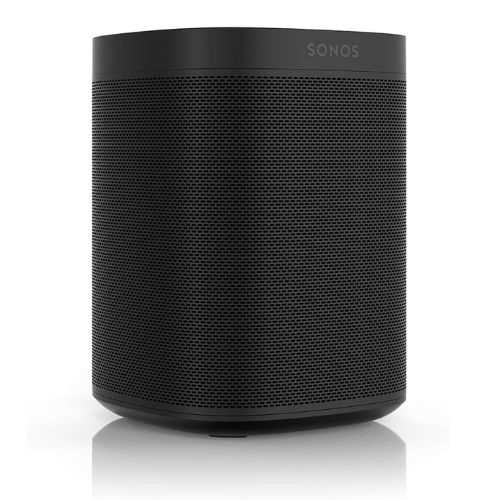
  • Sonos One Gen 1 vs Gen 2: Big Diff or Tiny Tweak?

    Sonos One Gen 1 vs Gen 2: Big Diff or Tiny Tweak?

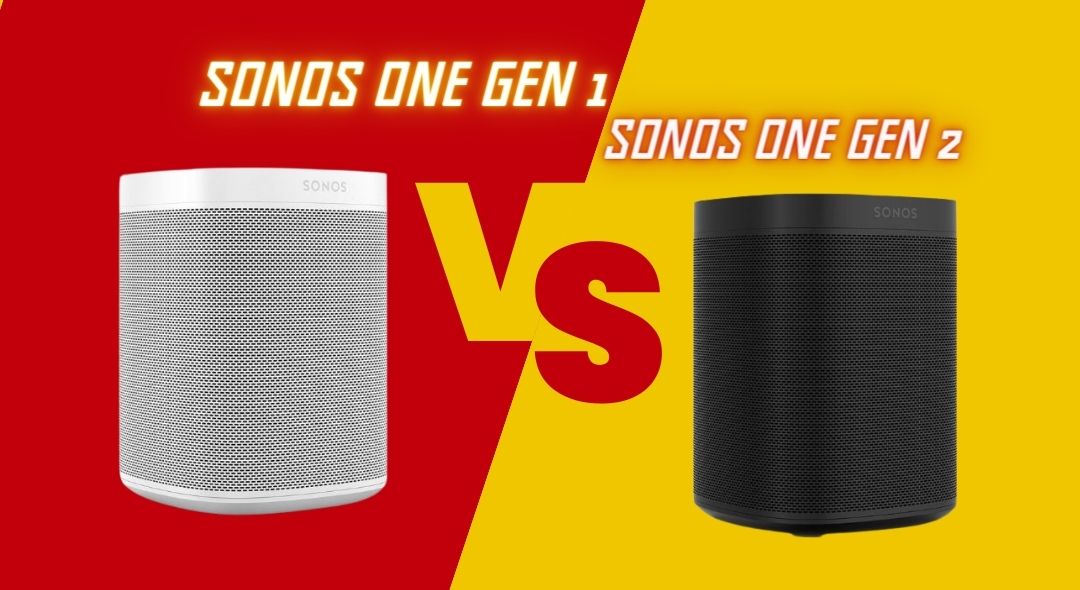
    In the world of smart speakers, the Sonos One reigns supreme. But with the release of Gen 2, audiophiles are wondering: is it an essential upgrade? We dive deep into the differences between Sonos One Gen 1 vs Gen 2, dissecting sound quality, features, touch controls, and of course, price. This guide will help you pick the perfect Sonos One to rock your home, whether you’re a budget-conscious music lover or a feature-hungry audiophile.

    Our Pick
    Sonos One Gen 1 vs Gen 2

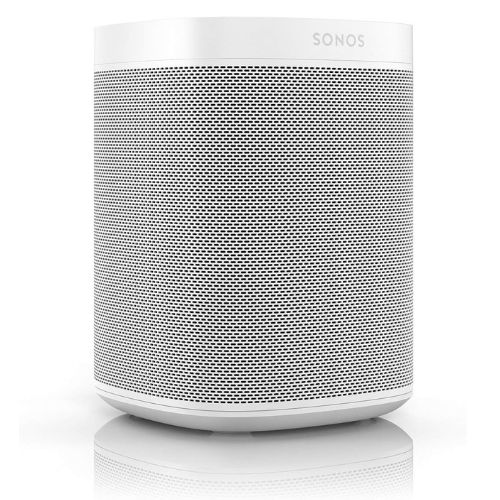
    Sonos One Gen 1

    Our Pick
    Sonos One Gen 1 vs Gen 2: Which Upgrade Is Music to Your Ears?

    Sonos One Gen 2

    Sonos One Gen 1 vs Gen 2Built-in voice control
    Touch control
    Humidity-resistant
    Wireless connectivity
    Built-in voice control
    hands-free music
    Humidity-resistant
    Wireless connectivity

    The Sonos Era 100 vs One: An Evolutionary Step in Sound

    The legacy of Sonos dates back to the early 2000s when it produced the ZP100 (later renamed the ZP120) amplifier. Referred to as the Sonos ‘Zone Player’, it started the company’s focus on providing a multi-room audio experience.

    Fast forward to 2017, Sonos One, the Gen 1, took the mantle, integrating smart features with high-fidelity sound. It was a momentous step that foretold a shift in the audio market.

    The Rise of the ‘One’

    Sonos One Gen 1 was significant not just because it debuted voice control through Amazon’s Alexa. It was also the first Sonos speaker to include far-field microphones, allowing users to command their audio experience from across the room.

    Sonos One Gen 2 took this further, introducing increased processing power and more memory, promising a more future-proof device. But what do these enhancements truly mean when it comes to daily use and the joy of listening?

    Sonos One Gen 1 vs Gen 2: Living in the Bassline

    A major development in the Sonos ecosystem came with the introduction of the Sonos Sub, a powerful subwoofer designed to work seamlessly with any Sonos speaker. In many ways, it was the perfect complement to the Sonos One, introducing a new depth to the listening experience.

    • The Bump in Audio Quality

    With the release of Sonos Sub Gen 2, audiophiles and casual listeners alike were promised an even more refined audio profile. This lighter, sleeker variant boasted improved internal technology, with the aim of delivering cleaner, deeper bass. Does the Sub Gen 2 deliver bass that you feel, rather than just hear, and is it discernibly different from its predecessor?

    • The Sonos One Gen 1: A Classic Revisited

    Remembering where you’ve been is a crucial aspect of understanding where you’re going, especially in the tech world. Taking a moment to appreciate Sonos One Gen 1 provides a reference point for the subsequent generations.

    • Reflecting on the Firstborn

    Sonos One Gen 1 wasn’t just an audio device; it was a promise, a nexus of convenience and quality. Its release was a landmark event in the audio industry, marking Sonos’ entry into the world of voice-controlled speakers. Delving into its features, its sound quality, and its impact on the home audio market can provide insight into what makes it a beloved classic.

    • Sonos Play 1 vs Sonos One: A Step Into Intelligence

    Before we can even compare the two generations of Sonos One, a look at the past is necessary. The Sonos Play 1, its predecessor, was already a formidable compact speaker in its own right.

    • A Choreography of Sound

    The Play 1 was adored for its robust sound, especially given its size. However, with the introduction of Sonos One, the stakes were raised. Two devices with seemingly identical physical profiles; what were the practical differences between the two when it came to audio output, features, and overall usability?

    Does Sonos One Have Bluetooth? Unraveling the Connectivity Conundrum

    In a wireless world, Bluetooth is a non-negotiable feature for many. It provides a level of flexibility that is often taken for granted, until it’s not there. Does Sonos One, be it Gen 1 or Gen 2, offer this as a standard feature, and does this omission impact its value?

    The Play of Protocols

    Understanding the connectivity landscape of Sonos One Gen 1 and Gen 2 is key to appreciating their usability. While both generations share the same robust wireless ecosystem, nuances exist that could influence your buying decision – or your appreciation of the device you already own.

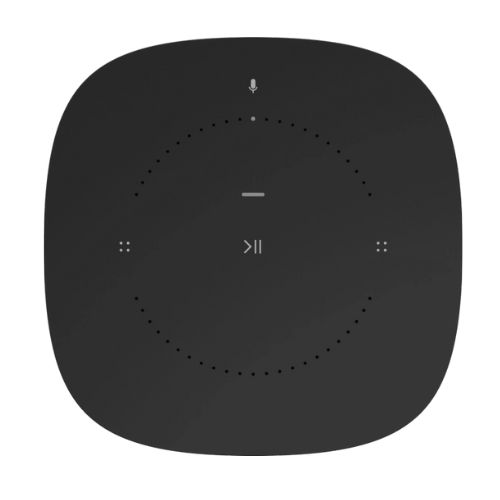
    Sonos One Gen 1 touch panel

    Sonos One Gen 1:Touch Control

    Effortlessly control your music with the Sonos One Gen 1’s sleek touch-sensitive interface. Tap to play/pause, swipe to skip tracks, and hold to adjust volume – all without reaching for your phone.

    The Battle of the Soundwaves: Sonos Play 1 vs. Sonos One

    Many Sonos aficionados found themselves comparing the Gen 1 Sonos One to the Play 1, its slightly older sibling. While the latter was no slouch when it came to sound quality, the smart capabilities of the Sonos One made it a particularly attractive upgrade. We’ll pit them against each other and declare a winner — at least in the context of your audio setup.

    Bluetooth on Board? Demystifying Sonos One Gen 1 vs Gen 2 Connectivity

    One of the most common queries when it comes to the Sonos One speakers, especially from prospective buyers, is whether they feature Bluetooth connectivity. The answer is one for the ages, and it has implications for the versatility of these speakers. We’ll unravel the mystery and give you a full understanding of how these Sonos One generation can pair with your devices.

    Recap and Conclusion

    When it comes down to it, the decision to upgrade from a Sonos One Gen 1 to a Gen 2 ultimately depends on your listening habits, your integration with other smart home devices, and just how much of an audiophile you are. The changes between the two generations may not offer a seismic shift in experience for all users, but for some, the nuanced improvements are precisely what they’re looking for.

    Now, armed with a detailed analysis of their differences, you can make an informed choice that will keep you in harmony with your home audio for years to come. Sonos is more than just speakers; it’s a soundscape of choice, and the echoes of your decision will resonate within your home.

  • Denon Home 150: Stream, Control and Enjoy Hi-Fi Audio

    Denon Home 150: Stream, Control and Enjoy Hi-Fi Audio

    Elevating Your Soundscape with Denon Home 150: The Ultimate Audiophile's Guide

    Denon Home 150: A Wireless Whole-House Audio Speaker

    • Set up a Wi-Fi network and the HEOS app for seamless multi-room listening.
    • Features a dynamic 1″ tweeter and 3.5″ mid-bass driver for accurate Denon sound.
    • Supports streaming of favorite music via Wi-Fi, Airplay 2, HEOS, or Bluetooth.
    • Supports online or offline music needs with USB and network support.
    • Allows premium pre-selection of internet radio stations with 3 quick select buttons.
    • Provides an amazing HEOS experience with built-in HEOS for personalized home sound.

    Sound fills our living spaces, wrapping around us, creating the atmosphere we crave. For true audiophiles, every note, every beat, every whisper is important, and only the best will do. Enter the Denon Home 150 – a marvel of sound engineering and wireless technology designed to bring uncompromising audio quality to every corner of your home.

    In this ultimate guide, we will explore the nuances of the Denon Home 150, how it integrates into your home sound system, and why it’s a must-have for any serious audio enthusiast.

    Denon Home 150 – More Than Just a Wireless Speaker

    The Denon Home 150 is not just a device that plays music; it is a piece of your home decor that enhances your living space. The sleek, minimalist design is a testament to its makers’ belief that audio equipment should be seen and heard.

    With every crafted component, Denon Home 150 aims to create a listening experience that is as beautiful as it is immersive.

    • Crafting a Symphony of Sound: At the heart of the Denon Home 150 lies a deep reverence for sound quality. Equipped with audiophile-grade hardware, this wireless speaker is more than capable of delivering high-resolution audio with the nuance and clarity that your favorite tracks deserve. Its precision-tuned drivers and advanced digital processing ensure that you hear every detail, every layer, and every subtlety that an artist intended.
    • Wireless Connectivity – The New Sound Frontier : Gone are the days of dealing with tangled wires and cumbersome setups. The Denon Home 150 follows the modern ethos of ease and accessibility, providing several ways to connect and control your music. Whether streaming via Bluetooth, Apple AirPlay 2, Spotify Connect, or high-resolution files through your network, the Denon Home 150 seamlessly integrates into your digital life.

    Surround Yourself with Sound

    The Denon Home 150 takes the concept of a wireless sound system to a new level, especially for those looking to create a surround sound setup without the clutter of wires and additional components. With the Denon Home 150, it’s possible to establish a wireless rear speaker system that complements your primary home entertainment system with surprising ease.

    • Tailoring the Experience to Your Ears: Creating a custom sound profile is as important as the speakers themselves. Denon’s HEOS app allows you to adjust the settings and create a soundscape that is tailored to your room’s acoustics and your listening preferences. Whether you’re binge-watching a series that requires subtle sonic cues or playing the latest video game that demands dynamic range, the Denon Home 150’s flexibility ensures that every sound is just right.
    • The Benefits of Wireless Rear Speakers : For purists who want to maintain the integrity of their living room’s design, wireless rear speakers offer the perfect solution. They provide the richness and depth of a conventional surround sound system without the need for additional wiring. The seamless integration and synchronized sound distribution of the Denon Home 150 elevate your movie-watching or gaming experiences without the clutter.

    Harmonizing with Denon Receivers

    In the realm of audiovisual entertainment, the receiver is the maestro, orchestrating the interaction between all components. Pairing the Denon Home 150 with a Denon receiver is akin to creating a symphony in your home. The receiver adds a layer of control and sophistication that allows you to truly maximize the potential of your speakers.

    Denon Home 150 The Ultimate Audiophile's Guide
    The Power and Precision of a Denon Receiver

    Denon receivers are renowned for their power and precision, catering to the demands of high-fidelity sound and the dynamics of home theater. By integrating the Denon Home 150 with a compatible Denon receiver, you’re not only enhancing the power output but also gaining access to a suite of features that elevate the listening experience, such as multi-room audio and voice control compatibility with Amazon Alexa and Google Assistant.

    Seamless Integration for a Unified Sound System

    The beauty of the Denon system lies in its ability to work together effortlessly. The Denon Home 150 can form part of a comprehensive wireless setup, with the receiver acting as the central hub.

    This integration ensures that every Denon component plays its part in delivering a unified sound that is coherent and impactful, providing a unison of all channels in your multi-speaker system.

    AV Speakers – The Final Piece of the Puzzle

    In a world of cinematic audio, the importance of each AV speaker cannot be overstated. AV speakers, especially when meticulously selected and placed, contribute to crafting a surround sound system that brings movies to life in your living room. The Denon Home 150, when strategically placed, plays a crucial role in achieving the depth and articulation that cinephiles crave.

    • The Art of Synchronization : In a home theater setup, timing is everything. A single improper delay can take you out of the movie’s spell. The Denon Home 150, when used as an AV speaker with compatible Denon receivers, maintains perfect synchronization, ensuring that every sound effect, dialogue, and soundtrack hit their mark at the exact right moment, just as the director intended.
    • Placing Your AV Speakers for Optimal Performance: The placement of your AV speakers is a crucial step in creating a surround sound system that doesn’t just fill the room but immerses you in the experience. Strategic placement, along with the Denon Home 150’s unique capabilities, ensures that you can create a surround sound system that is flexible, powerful, and complementary of your home’s design.
    ImageProductFeaturesPrice
    Our Pick1
    Bang &amp Olufsen Beosound Explore
    5
    Bang & Olufsen

    weight 650g
    Waterproof
    up to 27 hours

    Our Pick2
    Sony SRS-RA3000 360 Reality Audio
    Sony SRS-RA3000

    Bluetooth & Wi-Fi
    Voice Control
    360 Reality Audio

    The Future of High-Fidelity Audio

    The Denon Home 150 is more than a speaker; it’s an exemplar of the future of high-fidelity audio. With its wireless capabilities, seamless integration, and unwavering commitment to sound quality, it opens a world of possibilities for how we experience and appreciate music, movies, and gaming in the comfort of our homes.

    For anyone who values quality and seeks to elevate their listening experience, the Denon Home 150 is a gateway to a richer, more immersive soundscape.

    In conclusion, as the world of audio continues to evolve, the Denon Home 150 serves as a beacon for what’s possible. With its marriage of design, technology, and quality, it symbolizes the consummate audio companion for the modern audiophile.

    Whether you’re just starting to build your home sound system or ready to take it to the next level, including the Denon Home 150 in your setup is a decision that your ears will thank you for. After all, in the world of sound, it’s the little details that make the biggest difference.

    So why settle for mediocrity when you can fill your home with the richness and nuance of the Denon Home 150? Surround yourself with sound, and elevate your listening experience today.

  • Tiny Speaker, HUGE Sound: Bose Smart Speaker 500 Review 

    Tiny Speaker, HUGE Sound: Bose Smart Speaker 500 Review 

    Bose Smart Speaker 500

    Bose Smart Speaker 500 Features:

    • Built-in voice control for music playback.
    • Google Assistant and Alexa for music management.
    • Custom-designed eight-microphone array for superior voice pickup.
    • Tap the top controls for music management in the Bose Music app.
    • Wi-Fi, Bluetooth, and Apple AirPlay 2 compatibility for wireless music streaming.
    • Bose Music app for easy music browsing and switching between services.
    • Premium design with a seamless, anodized aluminum body.

    The Brilliance of Bose’s Sound Signature

    Bose, a name synonymous with top-tier sound performance, has set a high bar for audio quality. The Smart Speaker 500 proudly holds up this tradition, offering a rich, immersive sound experience that fills any room.

    Its impressive soundstage is powered by two custom drivers pointed in opposite directions, which helps create a wider field of sound that can be appreciated from any angle. Highs are crisp, mids are expressive, and lows resonate with a satisfying depth, thanks to the inclusion of Bose’s patented Waveguide technology.

    But perhaps the most groundbreaking feature is the ability to adjust the speaker’s acoustic properties through the Bose Music app. This means fine-tuning the output characteristics to suit any environment with ease. For the discerning listener, this kind of control is pivotal and underlines Bose’s commitment to delivering tailored sound with unmatched precision.

    Excellence in Intelligence

    The Bose Smart Speaker 500 is not just about powerful audio. It is also a device that harmonizes seamlessly with the modern smart home ecosystem. Sporting both Wi-Fi and Bluetooth connectivity, this speaker serves as an accessible and responsive hub for all your smart home devices.

    Its compatibility extends to popular voice assistants, with both Amazon Alexa and Google Assistant built-in, offering the advantages of voice-controlled convenience and a vast array of services at your beck and call.

    Beyond voice control, the speaker uses a robust array of microphones to ensure it can hear you from across the room, even in noisy environments. The intuitive display on the front further enhances the user experience by showing album art, time, or information about what you’re listening to. This additional layer of interaction is key to creating an engaging and intuitive user experience that makes the Smart Speaker 500 a pleasure to use.

    Design That Sings

    Bose Smart Speaker 500: A Premium Home Aesthetic

    • Sleek, anodized aluminum body with premium touch.

    • Available in black and silver for various room designs.

    • Touch-sensitive top for easy music playback and volume adjustment.

    • Excellent build quality, echoing Bose brand standards.

    • A minimal display is seamlessly integrated into the design, enhancing the speaker’s minimalist appeal.

    • A tasteful addition to your home and a powerful sound source.

    Bose Smart Speaker 500 app

    Connecting with Bose Music

    The Bose Music app is the gateway to unlocking the full potential of the Smart Speaker 500, offering a streamlined approach to managing your music and audio settings.

    The Bose Music app’s interface is user-friendly, providing easy access to various streaming services and allowing you to create personalized playlists and presets for quick access.

    Music isn’t the only content catered to, though. The app’s simplified interface for podcasts, radio stations, and audiobooks means that the Smart Speaker 500 becomes a versatile audio companion, adept at switching between different media seamlessly.

    This intuitive connection to the speaker ensures that every user can tailor their listening experience to their tastes, refining it further with the app’s acoustic settings for a truly bespoke audio adventure.

    The Price of Perfection

    A topic that often comes to mind when considering premium devices is their cost. The Bose Smart Speaker 500 is no exception and comes with a price that reflects its quality and features.

    While it may be seen as an investment compared to other smart speakers on the market, the exceptional sound and build quality, combined with its smart capabilities and design, make it a proposition that delivers on its promise of a superior audio experience.

    The value of the Smart Speaker 500 lies in the versatility it offers. It isn’t just about playing music; it integrates with your lifestyle, adapting to any context and offering a synergy of form and function.

    Whether you’re an audiophile looking for a smart speaker that meets the highest acoustic standards, or a tech enthusiast seeking a sleek addition to your home, the Bose Smart Speaker 500 stands as an alluring choice that transcends the limitations of the standard smart speaker.

    ImageProductFeaturesPrice
    Our Pick1
    Bose SoundLink Revolve II Bluetooth Speaker
    5
    Bose SoundLink

    360° sound immersion
    Water-resistant
    Up to 16 hours
    1-year warranty

    Our Pick2
    Bose Music Amplifier – Speaker amp with Bluetooth & Wi-Fi connectivity, Black
    Bose Music Amplifier

    Connects over Wi-Fi
    outdoor speakers
    Spotify Feature

    Final Verdict

    The Bose Smart Speaker 500 is a marvel of modern audio engineering, a speaker where prowess in acoustic performance meets the intelligence of the smart home. It is an investment in elevating the everyday listening experience, catering to the needs of audiophiles and casual listeners alike. Its aesthetic appeal, combined with the deep integration into the smart home ecosystem, makes it a compelling choice for those who value both function and design.

    In a market saturated with speakers vying for attention, the Bose Smart Speaker 500 not only holds its ground but paves a lane of excellence. It is a beacon for those who appreciate the subtleties of sound and the power of simplicity in functionality.

    With its ability to adapt to and enhance the user’s environment, it’s clear that the Bose Smart Speaker 500 is not just a speaker—it’s an orchestra in a box, ready to fill your home with music, intelligence, and the signature sound of Bose.

    So, if you want to elevate your listening experience and bring a touch of luxury to your home, the Bose Smart Speaker 500 is an excellent choice that promises to deliver on all fronts. With its exceptional sound quality, intelligent features, and sleek design, it’s sure to be a worthy addition to any household.

    Don’t just take our word for it; give it a try and experience the excellence for yourself.  So, what are you waiting for? Upgrade your audio game with the Bose Smart Speaker 500 today!

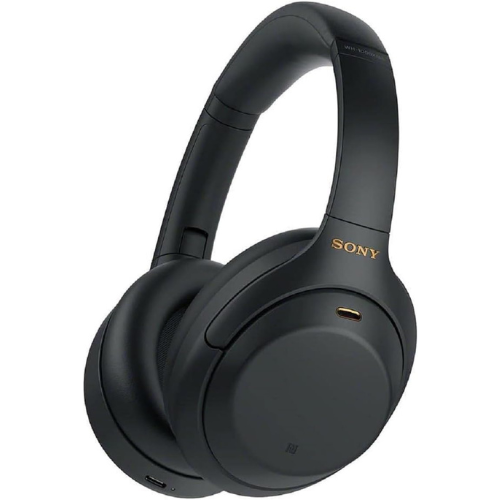
  • Connecting the Sony WH-1000XM4 headphone Like a Pro

    Connecting the Sony WH-1000XM4 headphone Like a Pro

    In the realm of audiophiles, the mere mention of noise cancellation and high-fidelity sound usually sparks a lively discussion about the Sony WH-1000XM4 headphones. And rightly so; Sony has carved a sterling reputation for crafting headphones that meld state-of-the-art noise-canceling technology with cutting-edge audio engineering.

    Sony WH-1000XM4 headphone

    No less important than the sonorous depth of your tunes is the seamless experience of pairing your WH-1000XM4 to your preferred audio device. Are you poised to unlock the full potential of your headphones without a hitch?

    This step-by-step guide is tailor-made to assist you in connecting and leveraging the remarkable features of the Sony WH-1000XM4. Master connecting your Sony WH-1000XM4 headphones effortlessly! Our guide covers Bluetooth pairing and NFC setup, guaranteeing uninterrupted audio excellence.

    Step 1: Preparing Your Headphones

    Before you can bask in the auditory delight of your Sony WH-1000XM4 patterns, you will need to prime your headphones for pairing. The method is refreshingly straightforward. Initiate the process by ensuring your headphones are fully charged, or at least have sufficient battery power to turn on and search for Bluetooth connections. Then, power on the headphones by pressing the “Power” button for a few seconds until you hear the iconic startup chime.

    Step 2: Accessing the Bluetooth Menu

    Upon turning on your WH-1000XM4, the iconic light display on the right ear cup will indicate readiness for pairing. On the device to which you wish to connect, whether it’s your smartphone, tablet, or computer, access the Bluetooth settings menu. Look for the headphones under the list of available devices, which should appear as “WH-1000XM4” or “LE_WH-1000XM4”.

    Step 3: Completing the Pairing Process

    Select the WH-1000XM4 from the list on your Bluetooth menu. Once paired, you will hear a confirmation sound through the headphones, and the Bluetooth light on the headphones will stop flashing and remain illuminated. Congratulations, You’ve successfully connected your Sony WH-1000XM4 headphones and are now poised to revel in your auditory sanctuary.

    Navigating WH-1000XM4 Pairing Mode

    Sony WH-1000XM4 headphone mode

    The pairing mode of your Sony WH-1000XM4 headphones is straightforward, but understanding each step can enhance the efficiency of your connection process. Here’s a deeper look at pairing mode and how to manage it:

    Initiating Pairing Mode Manually

    Sometimes you may need to initiate the pairing mode manually, especially if you’re connecting to a new device. To do this, with the headphones off, press and hold the “Custom” button on the left ear cup for 7 seconds. You’ll know you’re in pairing mode when the Bluetooth light starts flashing blue and white alternately, and the headphones enter “searching for device” mode.

    Exiting Pairing Mode

    If you accidentally press the Custom button, or you’ve successfully paired your headphones and no longer need to be in pairing mode, simply turn the headphones off by holding the “Power” button for 3 seconds, and they’ll exit pairing mode.

    Resetting the Bluetooth Pairing List

    If you experience issues with pairing or if the list of recognized devices becomes cluttered, you can reset the Bluetooth Pairing list. Enter pairing mode as directed above, and continue holding the “Custom” button for a few extra seconds until you hear “Bluetooth device list cleared.” Your headphones are now unpaired with all devices and ready to start fresh.

    Pairing Sony WH-1000XM4 to Various Devices

    Smartphone Connection

    For most users, the primary connection will be with a smartphone. The ease of use encompasses the majority of devices and operating systems. Once you’ve accessed the Bluetooth menu on your smartphone, follow the general pairing steps outlined earlier.

    Tablet Connection

    Pairing your Sony WH-1000XM4 headphones to a tablet follows a similar process to connecting with a smartphone. The key difference lies in the precise method of accessing the Bluetooth settings, which is usually as simple as tapping “Settings” and then “Bluetooth” from your tablet’s home screen.

    Laptop/Computer Connection

    If you’re connecting your Sony WH-1000XM4 headphones to a laptop or computer, the pairing process can vary slightly based on the operating system. For Windows devices, access the Bluetooth settings from the system tray in the bottom right-hand corner, next to the system clock. For Mac devices, open System Preferences and click on the Bluetooth icon. The rest of the process mirrors the general pairing steps.

    Other Devices

    The beauty of Sony WH-1000XM4 headphones is their versatility. You can pair them with a wide range of devices, including smart TVs, game consoles, and MP3 players. The key is to ensure that the device you’re pairing supports Bluetooth connections and follows the respective pairing procedure for each.

    The Importance of Regular Maintenance

    Pairing and connectivity issues can sometimes arise due to a variety of technical or environmental factors. Regularly updating the firmware of your headphones and source devices can mitigate these issues. Additionally, be mindful of the Bluetooth range and signal interference from other devices or wireless networks.

    Conclusion: Unveiling the WH-1000XM4 Audio Universe

    Pairing your Sony WH-1000XM4 isn’t just about connecting devices; it’s the commencement of an exquisite audio adventure. Mastering the art of pairing ensures that you can seamlessly integrate your premium headphones into your preferred audio ecosystem, ready to deliver pristine sound quality and unparalleled versatility.

    Remember, the key to a lasting connection is not just in the technology, but in understanding and optimizing the process to suit your listening habits. With this guide in hand, you’re well on your way to experiencing a new dimension of audio fidelity with your Sony WH-1000XM4 headphones.

  • The Ultimate Sony XM4 vs XM5 Showdown for Eco-Conscious Audiophiles

    The Ultimate Sony XM4 vs XM5 Showdown for Eco-Conscious Audiophiles

    Sony XM4 vs XM5

    Our Pick
    Sony XM4 vs XM5

    Sony WH-1000XM4

    sony xm4 vs xm5 headphone

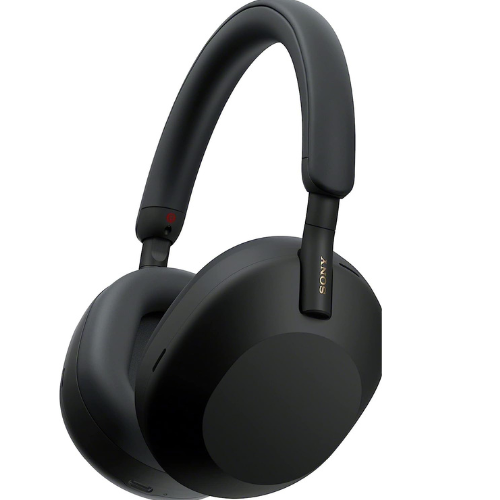
    Sony WH-1000XM5

    Sony XM4 vs XM5Dual Noise Cancellation Sensor
    Up to 30-hour battery life
    Touch Sensor controls
    Multipoint connection
    Auto NC Optimizer
    Up to 30-hour battery life
    soft leather, lightweight
    Multipoint connection

    Sony XM4 vs XM5: The Battle of the Noise-Canceling Titans

    Introducing the showdown between two of Sony’s premier noise-cancelling headphones: the WH-1000XM4 and its successor, the WH-1000XM5. Both models offer exceptional audio quality and industry-leading noise cancellation, but which one reigns supreme? Let’s dive into the details.

    Sony WH-1000XM4: The Tried and Trusted Champion

    The XM4s have long been a favorite among audiophiles and frequent travelers alike. Boasting 30 hours of battery life, these headphones ensure you’ll never be without your music, even on long-haul flights. The XM4s also feature touch sensor controls, allowing you to seamlessly switch tracks, adjust volume, and take calls with a simple tap or swipe.

    Sony WH-1000XM5: The Next-Generation Contender

    Enter the XM5s, the latest iteration in Sony’s acclaimed line of noise-cancelling headphones. With a sleek, redesigned chassis and even more advanced noise-cancelling capabilities, the XM5s are ready to take the crown. The new 30mm carbon fiber driver units deliver crisp, clear audio, while the eight microphones (double that of the XM4s) ensure crystal-clear call quality.

    Sony XM4: A Symphony of Sound and Style

    The Sony WH-1000XM4 is the refined successor to the critically acclaimed WH-1000XM3, marking a significant stride in adaptive noise-canceling technology and audio enhancements. The headphones boast the following key features:

    • Adaptive Sound Control, which adjusts ambient sound settings to match your activity and environment
    • Bluetooth 5.0 supports high-quality audio codecs for a solid wireless listening experience
    • DSEE Extreme upscaling for enhanced sound quality on compressed digital files
    • An industry-leading battery life of up to 30 hours with noise-canceling and Bluetooth enabled
    • Multi-point connectivity for seamless switching between two Bluetooth devices
    • Touch sensor controls for easy music navigation and call management

    The XM4’s exceptional sound quality paired with its ergonomic design and premium build has garnered a cult following among audiophiles. However, as we turn our attention to sustainability, the XM4’s opulent profile reveals areas of concern for environmentally conscious consumers.

    ImageProductFeaturesPrice
    Our Pick1
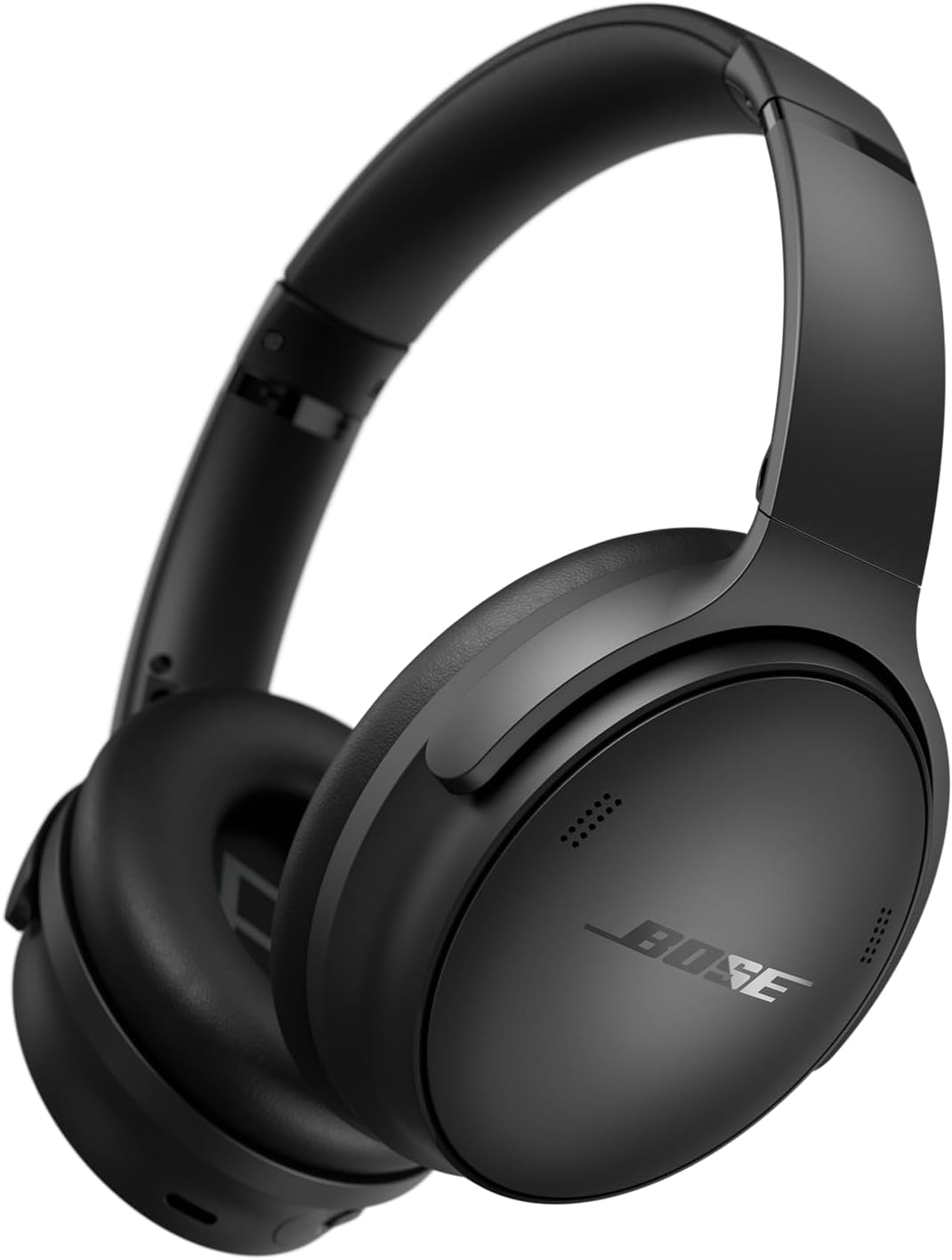
    Bose QuietComfort
    5
    Bose Headphone

    Wireless
    up to 24 hours
    noise cancelling

    Our Pick2
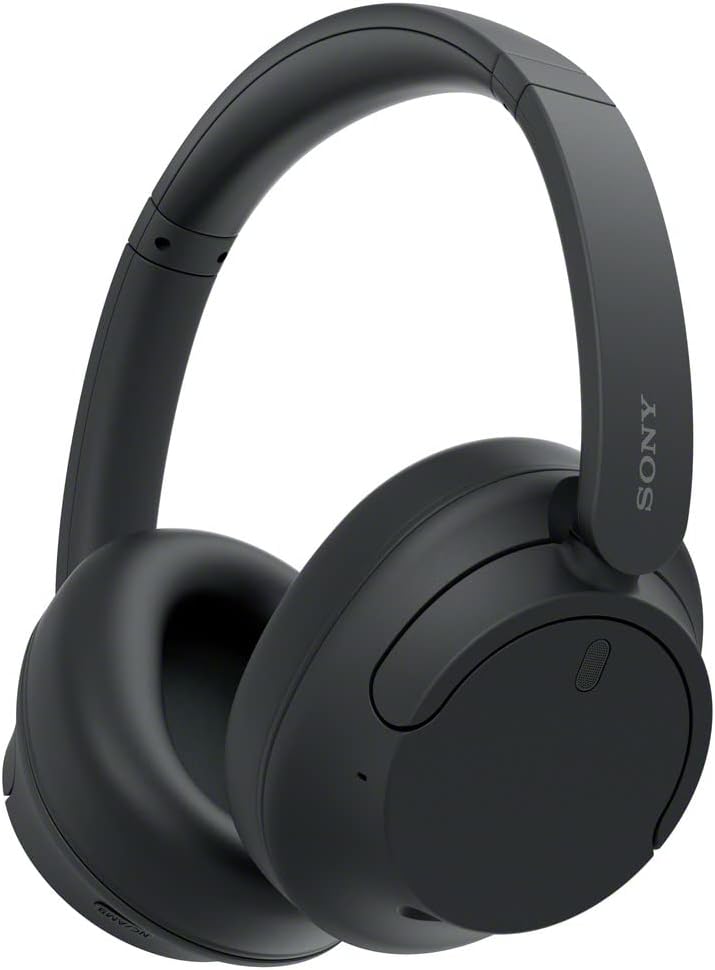
    Sony WH-CH720N
    Sony WH-CH720N

    Wireless
    Up to 35- hours
    noise cancelling

    Our Pick3
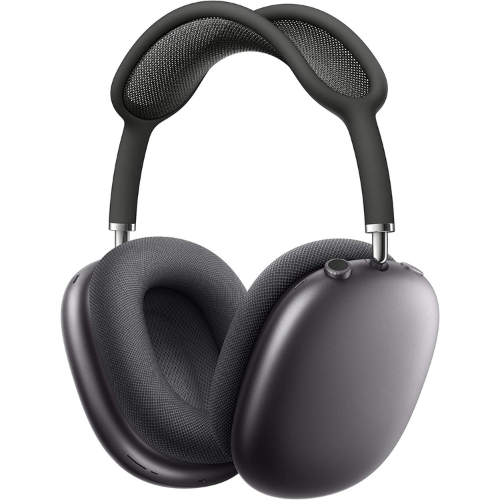
    Apple AirPods Max
    Apple AirPods Max

    Wireless
    Up to 20 hours
    noise cancelling

    Sony XM5: Sound with a Green Soul

    Launched as a response to consumer demands for more sustainable electronics, the Sony WH-1000XM5 takes the renowned XM-series audio performance and marries it with a robust environmental profile. Key features include:

    • Employing more than 40% recycled material, the XM5 reduces the strain on new raw resources.
    • Sony’s LDAC technology for enhanced audio quality over Bluetooth transmission
    • An updated 3.5mm audio cable for wired listening minimizes power consumption
    • A carry case made from a sustainable, vegan leather-like material instead of real leather
    • A rechargeable battery designed to maintain 85% of its original capacity even after 10 years of use
    • USB Type-C charging for quicker and more compatible power-ups

    The XM5 not only delivers on the sonic front but also reassures conscious consumers with its greener approach to personal audio. However, as the more eco-friendly option, it’s essential to assess how its environmental promise holds up against the revered soundstage of the XM4.

    Battery Life and Charging: Eco-Friendly or High-Performance?

    The Sony XM4’s 30-hour battery life sets an uncompromising standard for competitors to match. This longevity ensures that fewer charges are required, extending the overall lifespan of the device. It’s a compelling argument for sustainability through durability. In stark contrast, the XM5’s battery, while environmentally designed for longevity, offers slightly less playtime. The compromise between battery life and environmental impact is a tightrope walk for both models. Customers must weigh up what matters most — a reduced carbon footprint or a longer charge that minimizes the need for power, potentially doing more for the planet in the long run.

    Comparing Sony Headphones: Beyond the Specs

    The XM4 and XM5 aren’t just about the numbers; they’re about the overall user experience. Both models feature impressive sound quality, leading-edge noise-canceling technology, and a host of smart features like voice assistant integration and app support. But the XM5 takes these a step further by introducing intelligent wind-noise reduction for clearer calls and a redesigned ear cup for even more comfortable wear. On the other hand, the XM4 offers a slightly cheaper price point for consumers who are more budget-conscious. It’s in the finer details of day-to-day use where customers will truly feel the differences between the two models.

    Are the Sony WH-1000XM4 worth it for the environmentally conscious?

    The decision between the Sony XM4 vs XM5 ultimately comes down to personal values and priorities. The XM4’s impressive battery life and proven audio performance offer tangible benefits, but they also come with a less green footprint. Meanwhile, the XM5 makes a clear commitment to environmental consciousness but with a few compromises, such as in its battery life.

    The cost of environmental consciousness in personal audio equipment is an evolving narrative. As technology advances, we may see a future where higher sustainability standards do not necessitate a performance trade-off. Until then, it’s conversations like these that push brands to innovate and consumers to make more informed, long-term choices.

    For eco-conscious audiophiles, the XM5 offers a compelling blend of audio excellence and environmental responsibility, making it well worth the consideration. It’s a step in a more sustainable direction without significant compromise in performance. The XM4, with its track record and reliability, might be favored by those who prioritize technological prowess and long-lasting power but aren’t willing to make the shift to a greener alternative. Regardless of your choice, both models represent the best that Sony has to offer and a nod towards more eco-friendly practices in the audio industry.

    The Verdict: Which One Should You Choose?

    Both the XM4s and XM5s offer exceptional performance, but the choice ultimately depends on your priorities. If you’re looking for a tried-and-true option with a proven track record, the XM4s are a solid choice. However, if you want the latest and greatest in noise-cancelling technology and don’t mind a slightly higher price point, the XM5s are the way to go.

    Regardless of which model you choose, you can rest assured that you’re getting some of the best noise-cancelling headphones on the market. Sony’s WH-1000 series has consistently set the standard for audio quality, noise cancellation, and comfort, and both the XM4s and XM5s continue that legacy. So, whether you’re a frequent flyer, a daily commuter, or simply a music lover seeking solitude, either of these headphones will exceed your expectations.

  • Why the Motorola Moto G Play 2023 is a Bang for Your Buck

    Are you looking for an affordable yet reliable smartphone? Look no further than the Motorola Moto G Play 2023. Packed with features usually only seen in more expensive versions, this inexpensive phone is incredibly valuable. This budget-friendly phone is a steal for the price.

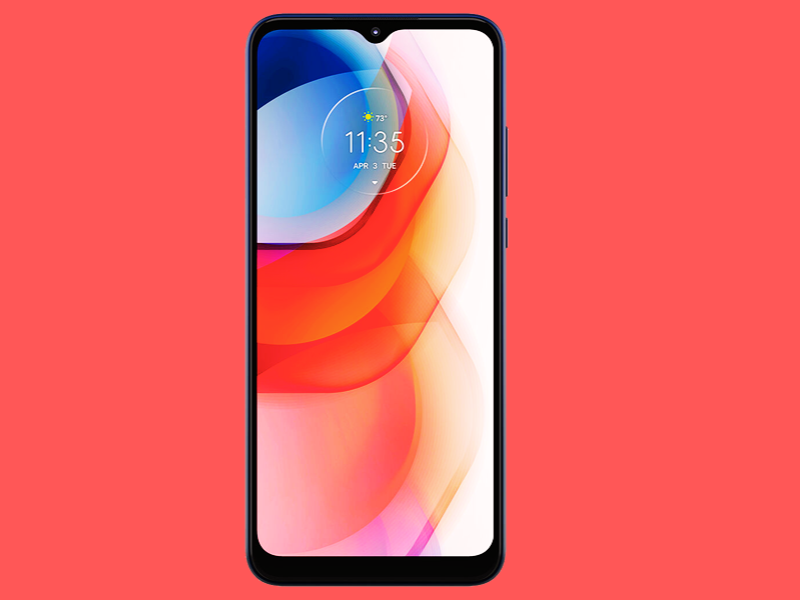
    The Moto G Play 2023 offers impressive 3-day battery life, an unlocked design compatible with all US carriers, 3GB of RAM and 32GB of storage, and a 16MP camera, all in a sleek navy blue color. This budget-friendly smartphone provides reliable performance and features that punch above its price tag.

    This review will explore why the Moto G Play 2023 is a bang for your buck, from its impressive battery life to its expandable storage capabilities.

    First Impressions and Build Quality

    As I unboxed the Motorola Moto G Play 2023, my expectations were immediately exceeded. The navy blue finish exuded a level of sophistication and modernity I hadn’t anticipated in a budget-friendly device. Holding the phone in my hands, I first noticed its robustness. The design didn’t just look good; it felt durable, ready to withstand the often inevitable day-to-day bumps and scratches.

    Motorola Moto G Play

    The device’s physical build struck a nice balance between looking sleek and feeling substantial. Despite its affordability, nothing about its exterior screamed “budget phone.” The materials conveyed a sense of quality that’s only sometimes present in this price segment. It was reassuring to see the attention to detail in the phone’s construction, from the positioning of the buttons to the smoothness of the back panel, which also houses a fingerprint reader for added security.

    Furthermore, the water-repellent design hinted at the thoughtfulness behind the Moto G Play 2023’s engineering. Knowing that the phone could survive accidental spills or light rain was comforting, underscoring Motorola’s commitment to delivering practical durability.

    The device’s size and weight felt just right in the hand, striking a good balance between screen size and portability. It was neither too bulky to carry around comfortably nor too slight to strain the eyes while watching videos or playing games.

    This initial interaction with the Moto G Play 2023 laid a solid foundation for the user experience. The phone promised not just to be a tool for communication but a resilient companion for everyday adventures. Its build quality and design aesthetics set a high bar for what users can expect from budget-friendly smartphones, making it clear that Motorola did not cut corners in creating a device that feels premium despite its price tag.

    Battery Life of Motorola Moto G Play

    The Motorola Moto G Play 2023 boasts a battery capacity that is nothing short of remarkable for its price point. Its 3-day battery life is a feature that sets it apart from many competitors within the budget smartphone market.

    This budget phone boasts a massive 5000mAh battery, promising extended use on a single charge. But does it live up to the hype?

    Moto G Play 2023 Battery Claims:

    Motorola claims the Moto G Play 2023 can deliver up to three days of battery life. This translates to:

    • Light users: Three days of use could be achievable for those who use their phone for basic tasks like texting, calling, and occasional browsing.
    • Moderate users: With moderate use like social media, music streaming, and some web browsing, you can expect the phone to last a full day or close to it.
    • Heavy users: Gamers and avid content creators might need to reach for the charger before the end of the day, but the phone should still hold its own for a significant amount of time.

    Real-World Battery Performance:

    Reviews suggest that the Moto G Play 2023 delivers on its promise of long battery life. Users report achieving two days of use with moderate usage, which is impressive for a budget phone. The phone’s power-efficient processor and optimized software further contribute to its impressive battery performance.

    Tips to Maximize Battery Life:

    • Adjust screen brightness: Lowering the screen brightness is one of the most effective ways to conserve battery life.
    • Turn off Bluetooth and Wi-Fi when not in use.
    • Close unused apps: Background apps can drain the battery.
    • Utilize battery saver mode: This mode reduces performance but extends battery life.

    The Moto G Play 2023 lives up to its reputation for long battery life. With a 5000mAh battery and optimized software, this phone is a great option for users who prioritize extended use on a single charge. Whether you’re a light user or a moderate user, the Moto G Play 2023 has the battery power to keep you connected throughout your day.

    Throughout my use, the phone consistently delivered on this promise, eliminating the common worry of daily charging. This endurance is particularly beneficial for those who lead active lifestyles or require a dependable device during long workdays or travel. The extended battery life ensures the phone remains functional from morning to night, even with moderate to heavy use.

    Performance and Speed

    When it comes to budget phones, speed and performance are often a worry. But the Moto G Play 2023 is a surprising exception!

    Sure, it might not have the strongest processor or the most RAM compared to super expensive phones. But for everyday tasks, it works great! Opening apps, checking emails, and browsing the web all happen smoothly, thanks to Motorola’s clever software that gets the most out of the phone.

    Gaming and multitasking are a bit trickier. Simple games run perfectly, but demanding apps might slow things down a bit. The Moto G Play 2023 knows its limits and handles them well. You won’t get the fastest performance, but it still delivers a good experience.

    The bottom line? This phone proves that smooth performance doesn’t have to cost a fortune. Apps open quickly, and everything runs consistently, which is all most people need. So, if you’re looking for a reliable phone that won’t break the bank, the Moto G Play 2023 is a great option!

    Display and Camera

    The Moto G Play 2023 display is one of its more appealing aspects, featuring a sizable 6.5″ HD+ display with a resolution of 1600 x 720 pixels and 269 ppi. This vibrant and clear IPS TFT LCD screen enriches the visual experience, whether you’re scrolling through social media, binge-watching your favorite series, or immersing yourself in mobile gaming.

    Text is sharp and images are displayed with reasonable clarity, making it a pleasure to use for daily tasks and entertainment.

    Camera Breakdown:

    • Optical sensor resolution: 13 megapixels
    • Maximum display resolution: HD+ (1600×720) | 269ppi
    • Display Type: IPS TFT LCD
    • Form factor: Smartphone
    • Other camera description: 13MP + 2MP triple camera, 5MP selfie camera

    While the display holds its own, the versatile triple-lens camera system could be better compared to more sophisticated offerings in pricier phones. In optimal lighting conditions, it manages to capture decent shots, but the images often lack detail and dynamic range that photography enthusiasts might seek.

    Low-light performance is noticeably limited, with photos sometimes appearing grainy and lacking definition. The camera experience is inconsistent, so depending on the setting and subject matter, it can be either good or bad.

    Despite these limitations, the camera app has several features and modes that attempt to elevate the photography experience. You can experiment with various modes like portrait mode and panoramic shots, to enhance your photos.

    However, users looking for a phone primarily focused on advanced photography might find the Moto G Play 2023’s camera capabilities underwhelming. For everyday snapshots and social media posts, though, it serves its purpose and complements the overall value proposition of the device, balancing its performance with its affordable price point.

    Unique Features and Expandability

    The Moto G Play 2023 isn’t just another budget phone; it packs some punches that users on a budget will love. Here’s what makes it stand out:

    Say goodbye to storage worries: Tired of deleting apps to make space for photos? The Moto G Play 2023 lets you expand storage up to a massive 512GB with a microSD card. No more choosing between your favorite games and those cute cat videos!

    Built to last: Spills happen, but that doesn’t mean your phone should suffer. The Moto G Play 2023’s water-repellent design protects it from light rain and accidental splashes, giving you peace of mind.

    Unlocking made easy: Forget complex passwords or remembering patterns. The fingerprint reader on the back lets you unlock your phone quickly and securely with just a touch.

    A phone that adapts to you: Whether you’re a photo enthusiast, a casual gamer, or someone who juggles work and play, the Moto G Play 2023 keeps up. With expandable storage and a durable design, it’s a versatile tool that can handle your daily needs.

    Bonus! Motorola prioritizes value with the Moto G Play 2023. You won’t have to sacrifice functionality or future-proofing for an affordable price. This phone is built to last and grow with your needs.

    Read: Boost Mobile Prepaid Plans: A Comprehensive Guide in 2024

    Navigating the Shortcomings

    Every product has limitations, and the Motorola Moto G Play 2023 is no exception. Potential users should consider these drawbacks to make an informed decision. The device is equipped with a processor and RAM that, while sufficient for basic tasks and moderate use, may need to catch up with the demands of more intensive applications or heavy multitasking. Users who enjoy high-end gaming or rely on their phones for resource-heavy work may find the performance lacking.

    Despite being a triple setup, the camera system does not consistently deliver the high-quality photos one might expect. In well-lit environments, it performs adequately, but in low-light conditions, the results can be disappointing, with noticeable noise and a lack of detail. This may deter users for whom photography is a priority, though it remains passable for everyday shots and casual use.

    Another aspect to consider is the charging speed. In an era where quick charging has become more common, the Moto G Play 2023 needs to catch up with its slower charging capabilities. This could concern users who are often on the move and need a quick power boost to get through the day.

    While these aspects may be seen as drawbacks, they are worth considering against the phone’s budget-friendly price point. The Moto G Play 2023 is not positioned as a high-end device, and its limitations reflect its affordability. Prospective buyers should evaluate their needs and usage patterns to determine if the phone’s advantages outweigh these considerations. These shortcomings may be manageable for those seeking a reliable, everyday device that excels in battery life and offers a solid range of features.

    Is the Moto G Play 2023 Worth It?

    After spending significant time with the Motorola Moto G Play 2023, it’s evident that this smartphone is a standout in the budget category. It masterfully balances affordability with a suite of features that cater well to the average user’s needs. The device’s impressive battery life alone is a game-changer, allowing you to go about your day without constant anxiety over the next charge. Coupled with a large, vivid HD+ display, it ensures a satisfying viewing and user experience, whether for casual browsing, media consumption, or gaming.

    The expandable storage is a thoughtful addition, allowing users to easily increase their phone’s capacity as needed. This, along with the water-repellent design and the convenience of a fingerprint reader, underscores Motorola’s commitment to creating a device that’s affordable, practical, and adaptable to various lifestyles. Being unlocked for all carriers adds another layer of versatility, making it an excellent choice for a wide audience.

    However, it’s not without its compromises. The lower-end processor and RAM setup, along with the camera’s average performance and slower charging, indicate its budget-friendly nature. Potential buyers must weigh these considerations against their personal needs and expectations from a smartphone.

    For those who prioritize a solid, reliable phone that excels in battery life and day-to-day functionality over high-end specs or professional-grade photography, the Moto G Play 2023 stands out as a compelling choice. Offering a well-rounded package that defies its price tag, it earns a well-deserved rating of 4 out of 5 stars.

    In the landscape of budget smartphones, finding one that provides this level of value is a rarity, making the Moto G Play 2023 a device that’s not only worth considering but also highly recommended for the budget-conscious user.

  • Fishing Drones: Perfect Drone for Fishing in 2024

    Fishing Drones: Perfect Drone for Fishing in 2024

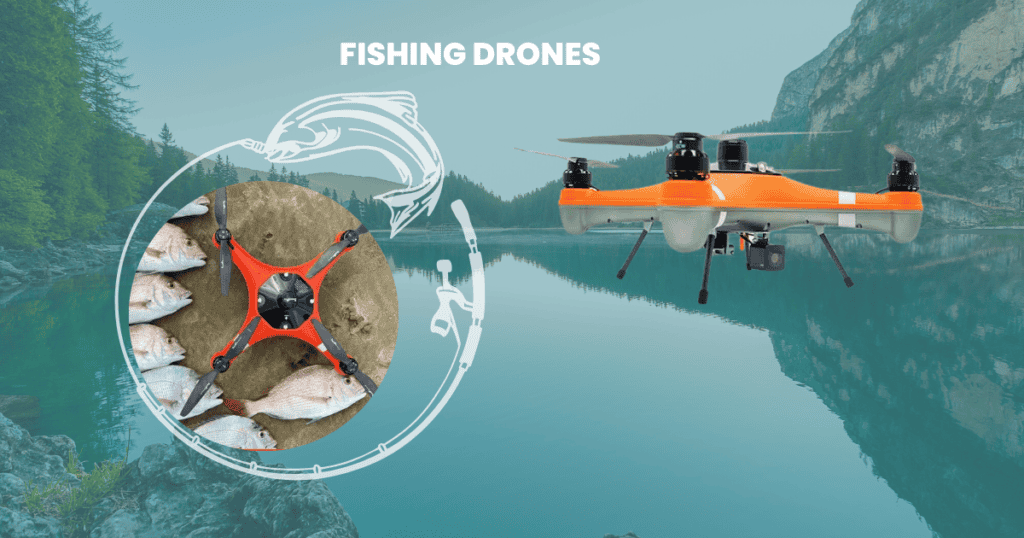
    Fishing drones, essentially unmanned aerial vehicles (UAVs) specifically designed for anglers, are rapidly transforming the sport. These technological marvels offer a wealth of advantages, empowering anglers to cast lines far beyond the limitations of a traditional rod and reel.

    Imagine effortlessly reaching untouched fishing grounds previously inaccessible from the shore. With a fishing drone, you can scout vast areas of water from above, pinpointing hidden structures and underwater vegetation that attract fish.

    Benefits of Fishing Drones:

    • Extended Reach: Fishing drones can fly out over waters that are difficult or impossible to reach from shore, giving anglers access to new fishing spots.
    • Efficient Bait Delivery: Drones equipped with bait release systems enable precise bait placement, increasing the chances of a successful catch.
    • Enhanced Visibility: Built-in cameras on fishing drones provide real-time footage of the water below, helping anglers locate schools of fish and plan their strategy accordingly.

    Whether you’re into surf fishing or prefer casting your line from a boat, there’s a fishing drone out there to suit your needs. From budget-friendly options under $500 to top-of-the-line models with advanced features like waterproofing and DJI technology, the market offers a wide range of choices for every angler.

    However, it’s crucial to remember that with great power comes great responsibility. Fishing drones should be used ethically and sustainably. Always prioritize responsible fishing practices, respecting size and catch limits, and ensuring proper fish handling.

    Stay tuned as we delve deeper into the world of fishing drones in this article! Let’s talk about the types of fishing drones first.

    Types of Fishing Drones

    Gone are the days of limited visibility and blind casting. Fishing drones have arrived, offering a new perspective and a tactical advantage for anglers. Here’s a breakdown of the three main types that will transform your time on the water:

    Aerial Drones

    Imagine a bird’s-eye view of the entire fishing ground. Aerial drones, with their high-resolution cameras, provide a breathtaking vantage point. These airborne observers become your eyes in the sky, scanning vast areas of water for hidden coves, feeding frenzies, and most importantly, schools of fish.

    Features:

    • Eagle-Eyed Scouting: Equipped with high-resolution cameras, aerial drones provide a panoramic view of the water, revealing hidden structures and underwater activity that might go unnoticed from the boat.
    • GPS Precision: Forget imprecise casting. Aerial drones equipped with GPS ensure pinpoint accuracy, allowing you to drop bait right in the heart of the action.
    • Bait Delivery (on some models): Some advanced aerial drones take convenience to the next level. They boast built-in bait release mechanisms, enabling you to deliver bait with surgical precision, right next to unsuspecting fish.

    Use Cases:

    • Spotting Schools: Scan vast areas of water quickly and efficiently to identify concentrations of fish, maximizing your chances of a successful catch.
    • Mapping the Terrain: Create detailed 3D maps of underwater structures like reefs and drop-offs, allowing you to target specific fish habitats with unmatched precision.
    • Live Streaming: Share the thrill of the hunt! Live stream your fishing escapades with fellow anglers and capture the excitement of the catch from a unique aerial perspective.
    Fishing Drone

    Popular Models:

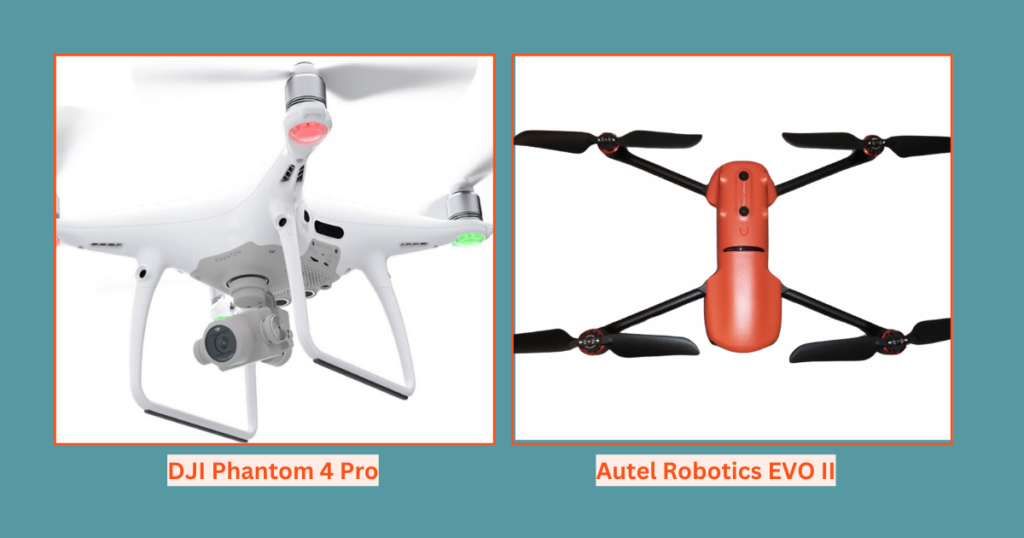
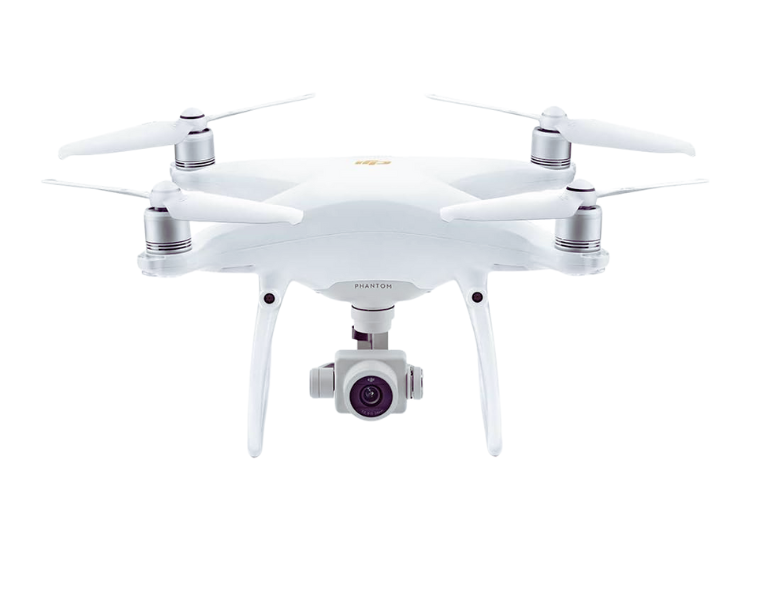
    • DJI Phantom 4 Pro: Renowned for its exceptional camera quality and intelligent flight features. Generally more user-friendly and easier to fly, especially for beginners. It also has a longer range than the base model Autel Robotics EVO II Pro.
    • Autel Robotics EVO II Pro: It offers a longer flight time (up to 40 minutes) compared to the Phantom 4 Pro and a high-resolution camera with good low-light performance. This can be beneficial for spotting fish in low-light conditions.

    Underwater Drones

    While aerial drones dominate the skies, underwater drones delve into the watery depths, exploring the hidden world where fish roam. These submersible scouts equip you with an invaluable tool – the ability to see what lurks beneath the surface.

    Features:

    • X-Ray Vision (almost): Equipped with advanced sonar systems, underwater drones act like fish finders on steroids. They reveal detailed underwater topography and pinpoint the exact locations of fish, giving you an unfair (but awesome) advantage.
    • Silent Operators: Unlike traditional fish finders that rely on sound waves, underwater drones operate silently. This stealthy approach ensures you won’t spook your prized catch before you even have a chance to cast.

    Use Cases:

    • Fish Identification: Observe fish behavior up close and personal. Get to know your target species better and learn about their preferred hiding spots.
    • Checking Bait Placement: Ensure your bait isn’t landing in a barren wasteland. Use underwater drones to verify that your bait presentation is right in the strike zone.
    • Inspecting Structures: Submerged obstacles like logs and rocks can harbor fish. Underwater drones allow you to investigate these structures thoroughly, unearthing potential honeyholes.
    Drone for fishing

    Popular Models:

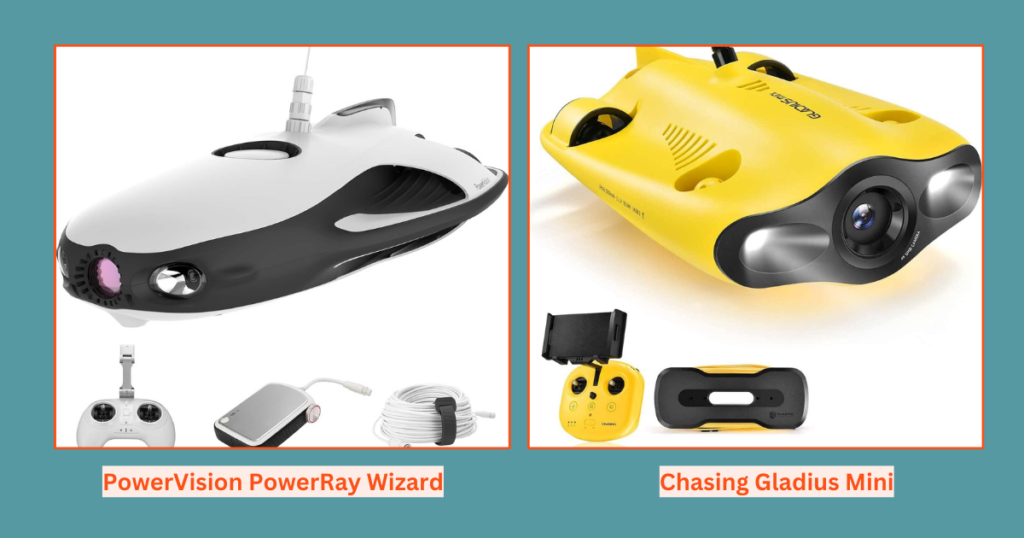
    • PowerVision PowerRay Wizard: A powerful underwater drone with a long runtime and excellent image quality.
    • Chasing Gladius Mini: A compact and affordable underwater drone perfect for exploring tight spaces.

    Hybrid Drones

    For the ultimate angler who craves versatility, hybrid drones offer the best of both worlds – aerial and underwater exploration in a single package. These transformers of the fishing drone world seamlessly transition between soaring through the air and diving beneath the surface.

    Features:

    • Unmatched Versatility: Hybrid drones eliminate the need for separate aerial and underwater units. They provide a comprehensive view of your fishing environment, allowing you to strategize effectively.
    • Seamless Transition: Switch between aerial and underwater exploration with ease. These adaptable drones allow you to scout vast areas from above and then dive down for a closer look at promising underwater structures.
    • Dual Cameras (on some models): Capture stunning visuals from every angle. Some hybrid drones boast both high-resolution aerial cameras and underwater cameras, giving you a complete picture of the fishing environment.

    Use Cases:

    • Dynamic Exploration: Effortlessly switch between aerial scouting and underwater investigation. Plan your approach strategically and target fish with unmatched precision.
    • Extreme Angling: Hybrid drones open up new fishing possibilities. Tackle challenging environments like murky water or dense vegetation with confidence.

    Popular Models:

    • Geneinno Titan: A powerful hybrid drone with long-range and excellent camera capabilities.
    Underwater drone

    Choosing the right fishing drone is akin to selecting the perfect fishing rod – it should seamlessly complement your angling style and target species. Here’s a breakdown of key features to consider before casting your drone (metaphorically speaking) into the vast selection available:

    1. Camera Quality: Your lens is your fishing buddy’s eye. Opt for high-resolution cameras to spot fish schools, monitor water clarity, and document your adventures. Example: The DJI Phantom 4 Pro is renowned for its exceptional camera quality. It boasts a 1-inch 20-megapixel CMOS sensor capable of capturing stunning 4K video at 60 fps.

    2. Battery Life: Long-lasting batteries ensure extended fishing sessions. Imagine capturing that trophy fish without worrying about power! Example: The PowerVision PowerRay underwater drone boasts an impressive 4-hour battery life, allowing you to explore vast underwater areas on a single charge.

    3. Range and Signal Strength: A robust signal keeps your drone under control. Explore distant corners of the lake without losing connection. Example: The Autel Robotics EVO II Pro offers an impressive transmission range of up to 8km, allowing you to explore vast fishing grounds with confidence.

    4. Waterproofing: Drones and water don’t always mix well. Look for waterproof models that can handle splashes and unexpected dives. Example: The SplashDrone 4 is a purpose-built fishing drone boasting an IP67 waterproof rating. This means it can withstand being submerged in up to 1 meter of water for up to 30 minutes.

    5. Bait Release Systems: Precision matters. Choose drones with bait release mechanisms for accurate casting. Example: The Swellpro Fisherman FD series boasts an impressive payload capacity of up to 3.5kg, allowing you to deploy multiple fishing lines or even live bait with pinpoint accuracy. Its bait release mechanism is integrated with the flight controller, enabling automatic bait release at designated GPS waypoints.

    By carefully considering these features and your individual needs, you’ll be well-equipped to select the perfect fishing drone that elevates your angling experience to a whole new level. Remember, a fishing drone is an investment that can transform the way you fish, opening doors to new possibilities and unlocking a world of underwater secrets. So, cast off the limitations of traditional fishing and embrace the future with a trusty fishing drone by your side.

    Read: The Best DJI Drones in 2024: Top Picks for Beginners

    Pros and Cons of Using Fishing Drones

    Fishing drones are revolutionizing the sport, offering a wealth of advantages that can significantly enhance your angling experience. However, like any new technology, there are considerations and potential drawbacks to be aware of. Let’s weigh the pros and cons to help you decide if a fishing drone is the right fit for you.
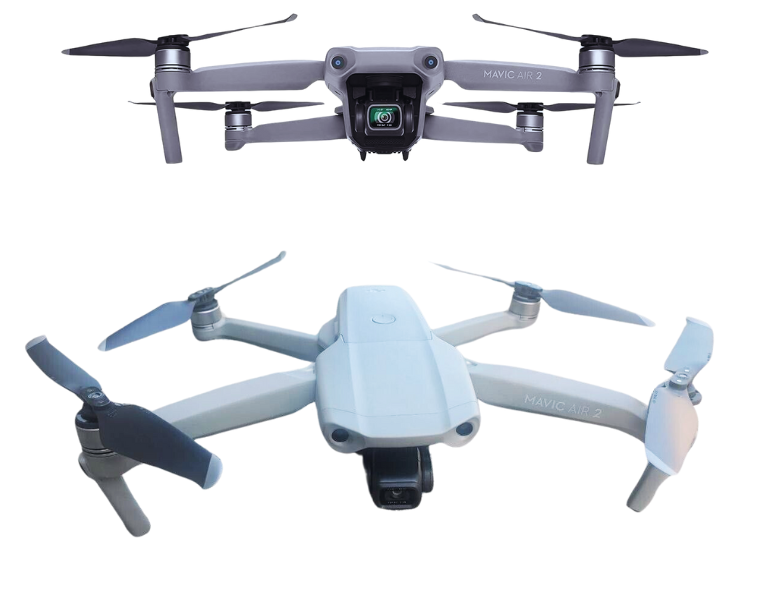
    Advantages

    1. Precision:
      • Bullseye Accuracy: Fishing drones allow you to drop bait or lure with surgical precision. No more casting blindly; hit the sweet spot every time.
      • Spotting Schools: Their high-resolution cameras reveal fish schools, helping you strategize effectively.
      • Hover and Observe: Hover above a promising spot, observing fish behavior without disturbing them.
    2. Accessibility:
      • Reach the Unreachable: Drones explore areas that are hard to access from the shore or boat.
      • Scout New Waters: Discover hidden coves, submerged structures, and fish-rich pockets.
      • No Boat Required: Even landlocked anglers can now explore lakes and rivers like seasoned mariners.
    3. Unique Perspectives:
      • Bird’s-Eye Views: Witness the water’s topography from above, spotting underwater features.
      • Cinematic Shots: Capture stunning videos of your fishing adventures.
      • Instagram-Worthy: Impress your followers with aerial shots of your catch.

    Challenges

    1. Legal Restrictions:
      • Airspace Rules: Abide by FAA regulations. No buzzing near airports or restricted zones.
      • Privacy Concerns: Respect others’ privacy; avoid spying on sunbathers or neighboring boats.
      • Wildlife Disturbance: Minimize disruption to birds and wildlife.
    2. Learning Curve:
      • Pilot Skills: Mastering drone flight takes practice. Expect a learning curve.
      • Weather Awareness: Wind, rain, and storms affect drone performance.
      • Maintenance Know-How: Regular checks and software updates are essential.
    3. Cost:
      • Initial Investment: Quality fishing drones aren’t cheap. Consider it an investment.
      • Accessories Add Up: Spare batteries, propellers, and waterproof cases increase costs.
      • Insurance: Protect your investment with drone insurance.

    By carefully considering these pros and cons, you can make an informed decision about whether a fishing drone is the right addition to your angling arsenal. Remember, responsible use, adherence to regulations, and a commitment to honing your piloting skills are paramount for a safe, enjoyable, and rewarding fishing experience with your drone.

    Choosing the Right Fishing Drone

    With a vast array of fishing drones available, selecting the perfect one can feel overwhelming. Don’t worry – by carefully considering your needs and budget, you can find the ideal drone to elevate your fishing experience. Here’s a roadmap to guide you:

    1. Evaluate Your Needs: Casual Casting or Competitive Edge?

    • Casual Anglers: If you enjoy occasional fishing trips on local ponds or spend weekends casting lines from the shore of a lake, a user-friendly drone with basic features might be the perfect fit. Prioritize ease of use and affordability. For example, the** DJI Spark** is a great option for casual anglers. It’s a compact, budget-friendly drone with a user-friendly interface and a decent camera, allowing you to scout nearby areas and drop bait with improved accuracy.
    • Professional Anglers: For serious anglers who frequently fish large bodies of water and compete in tournaments, a feature-packed drone becomes an essential tool. Look for advanced capabilities like long flight times (to explore vast areas), a robust camera with exceptional zoom and low-light performance (for identifying fish species and underwater structures), and a reliable bait release mechanism with pinpoint accuracy. Consider durability as well, as these drones will likely see frequent use. For instance, the Autel Robotics EVO II Pro is a high-end drone favored by professional anglers. It boasts a long flight time of up to 40 minutes, a powerful camera with a 6K resolution and a 1-inch sensor, and a payload capacity that can handle even heavy lures or live bait.

    2. Budget Considerations: Balancing Features and Cost

    • Set a Budget: Before diving into specific models, determine how much you’re realistically comfortable spending on a fishing drone. Fishing drones range in price from under $500 to several thousand dollars, so having a budget in mind will help narrow down your options.
    • Feature Prioritization: Not all features are created equal. Allocate your budget towards functionalities that matter most to your fishing style. For example, if precise bait placement is your top priority, invest in a drone with a reliable bait release system. On the other hand, if capturing stunning aerial footage is what excites you, prioritize a drone with a high-quality camera and image stabilization features.

    3. Research Specific Models Based on Your Requirements

    Once you have a good understanding of your needs and budget, delve deeper into researching specific models. Here are some helpful tips:

    • Read Reviews: Learn from the experiences of other anglers. Online reviews and forums offer valuable insights into the strengths and weaknesses of various fishing drones. Look for reviews from anglers with similar fishing styles and priorities to yours.
    • Compare Specs: Don’t get bogged down by technical jargon, but focus on the key specifications that matter most. Pay attention to battery life (how long can you fly before needing to recharge?), range (how far can the drone travel from the controller?), camera quality (resolution, zoom capabilities, low-light performance), and durability (materials used, water resistance). Many online retailers offer comparison charts that can simplify this process.
    • Consider Brands: Several reputable drone manufacturers offer fishing-specific models or drones well-suited for fishing applications. Popular brands include DJI, Autel Robotics, and PowerVision. Researching these brands and their product lines will give you a good starting point for your search.

    By following these steps and carefully considering your needs and budget, you’ll be well-equipped to navigate the vast selection of fishing drones and find the perfect one to reel in a more successful and rewarding fishing experience.

    Read: Cheapest DJI Drones in 2024: Your Gateway to Stunning Aerial

    Legalities and Regulations: Navigating the Legal Waters

    Before taking flight, familiarize yourself with drone regulations. The FAA sets the groundwork:

    • Register your drone: If it weighs over 0.55 lbs (250 grams), register it with the FAA through DroneZone.
    • Fly responsibly: Always prioritize safety. Maintain visual contact, follow altitude restrictions (typically 400 ft. max), and avoid crowds or moving vehicles.
    • Stay informed: Drone regulations evolve. Regularly check the FAA’s DroneZone for updates.

    Commercial Use? Obtain a License

    If you plan to use your drone for commercial fishing (e.g., aerial photography for charters), you’ll need a Part 107 remote pilot certificate from the FAA. This requires passing a knowledge test and following specific commercial drone regulations.

    Safety First: General Guidelines

    Always prioritize responsible drone use:

    • Avoid crowds: Steer clear of flying over gatherings or events.
    • Maintain distance from airports: Respect airspace restrictions and no-fly zones.
    • Respect wildlife: Avoid disturbing wildlife habitats with your drone.

    By understanding these regulations and safety practices, you can ensure your drone fishing adventures are legal, safe, and enjoyable. Fly responsibly and explore the exciting world of fishing from a new perspective!

    Conclusion

    Fishing drones are revolutionizing the sport, offering a wealth of advantages that can significantly enhance your angling experience. From scouting vast areas and pinpointing fish locations to capturing stunning aerial footage and sharing your passion with the world, these innovative tools open doors to entirely new fishing possibilities.

    However, with this exciting technology comes the responsibility to use drones safely and responsibly. Familiarize yourself with local and federal regulations, prioritize responsible flight practices, and prioritize the well-being of the environment. By following these guidelines, you can ensure your drone fishing adventures are not only successful but also legal and sustainable.

    So, are you ready to cast off the limitations of traditional fishing and embrace the future? With a trusty fishing drone by your side, a world of possibilities awaits. Happy drone fishing!

  • The Best DJI Drones in 2024: Top Picks for Beginners

    The Best DJI Drones in 2024: Top Picks for Beginners

    Have you ever dreamed of capturing those epic aerial shots you see online, but felt overwhelmed by choosing a drone? DJI, a leader in drones, offers a variety of beginner-friendly options, but with so many choices, finding the perfect one can still be tricky. Don’t worry, fellow adventurer!

    Best DJI Drone

    This guide empowers you to confidently navigate the exciting world of DJI drones. Throughout this guide, we’ll delve into key factors like camera quality, flight performance, weight and portability, ease of use, and course, price.

    By understanding these factors and exploring the strengths of each DJI drone category –you’ll be well on your way to selecting the best DJI drone to match your needs and budget.

    Guide to Choosing the Best DJI Drone

    Choosing the perfect DJI drone can feel like picking a puppy – there are so many adorable (and feature-packed) options, it’s hard to know which one to bring home! But fret not, fellow flyer-to-be! Here are some key features to consider before you take the plunge, along with some top contenders for achieving a balanced score across Flight Time and Range, Portability, Camera Quality, and Controller Options:

    1. Skill Level:  Are you a nervous newbie or a seasoned sky captain? DJI offers a range of drones, from the ultra-light Mini 3 (perfect for beginners with its sub-250g weight and fantastic portability) to the powerful Mavic 3 Pro that boasts pro-level features.
    2. Image Quality:  Let’s face it, stunning visuals are a big part of the drone game.  Think about how you’ll use your footage. Do you crave crystal-clear 4K resolution for epic landscapes or mind-blowing detail?  Or are you more interested in capturing smooth, social media-ready clips? Here’s where the sweet spot lies:
      • Best Average Camera Quality: Consider the DJI Air 2S. It strikes a great balance between portability and image quality, offering a fantastic 1-inch sensor capable of capturing 5.4K video.
    3. Size and Weight:  Portability is a perk, especially if you love to travel with your drone.
      • Best Average Portability: The DJI Mini 3 takes the crown here. Weighing in at under 250 grams, it requires no pilot’s license in most regions and easily tucks into a backpack.
    4. Flight Time: Imagine capturing that magical golden hour vista, only to have your drone battery sputter out.  Battery life varies depending on the model, so think about how long you ideally want to be airborne for each flight.
      • Best Average Flight Time: The DJI Air 2S boasts an impressive 34 minutes of flight time, letting you stay aloft longer to capture those perfect shots.
    5. Safety Features: Nobody wants to hear the dreaded “thud” of a crash.  DJI drones come with a variety of safety features, like obstacle avoidance and return-to-home functions.  These can be lifesavers (or drone-savers) for both beginners and experienced pilots alike. Thankfully, most DJI drones come equipped with a good amount of standard safety features.
    6. Controller Options:  While most DJI drones come with their own dedicated controllers, some offer the flexibility of using a smartphone or tablet as a secondary option.
      • Best Average Controller Options: The DJI Mavic 3 series offers the most flexibility, with a fantastic dedicated controller and the ability to use a smartphone as a secondary screen.
    7. Crash Resistance: While DJI doesn’t advertise crash resistance ratings, some drones offer a bit more physical protection due to their design. The DJI Mavic 3 series (including the Mavic 3 and Mavic 3 Pro) has a sturdier build compared to lighter models. 

    Top 10 Picks for Every Aerial Adventure

    Have you ever dreamt of soaring through the clouds like a bird, capturing the world from a breathtaking new perspective? With DJI drones, that dream can become a reality! This guide unveils the top 10 best DJI drones, each meticulously chosen to be your perfect wingman on any aerial adventure.

    The DJI Mavic Air 2 bundle is a comprehensive kit for capturing stunning aerial footage and photos. It includes the Mavic Air 2 drone with a 48MP camera, capable of 8K Hyperlapse, 4K 60fps, and 1080p 240fps video recording. With advanced shooting modes like HDR, SmartPhoto, and Hyperlapse, this bundle offers a complete solution for professional aerial photography and videography

    Specifications
    Camera: 48MP photos, 4K video at 60fps.
    Flight Time: Up to 34 minutes
    Speed: Up to 42.5 mph (68 kph)
    Skill Level: Intermediate to Advanced.
    Features: Intelligent shooting modes, obstacle sensors, advanced tracking capabilities.
    Price:$899

    The Mavic 3 boasts a groundbreaking 4/3 CMOS Hasselblad camera, customized for aerial photography. With 46-min flight time, FAA Remote ID compliance, omnidirectional obstacle sensing, 15km HD video transmission, and advanced RTH, it offers exceptional performance and safety. This bundle includes the drone, remote controller, and all necessary accessories for convenient aerial content creation.

    Specifications
    Camera: 20MP Hasselblad camera, 4/3 CMOS sensor, 5.1K video at 50fps.
    Flight Time:Up to 46 minutes.
    Speed: Up to 45 mph (72 kph).
    Skill Level: Intermediate to Advanced.
    Features: Advanced obstacle sensing, enhanced HDR capabilities, ActiveTrack 5.0.
    Price: $1269

    The Air 2S is the ultimate aerial photography drone, combining a powerful 1-inch CMOS sensor with 5.4K video capabilities and a 3-axis gimbal camera. With 4-direction obstacle sensing, a 31-minute flight time, and 12km 1080p video transmission. The Fly More Combo includes two extra batteries. Its compact size and advanced features make the Air 2S the best DJI drone for professional aerial content creation.

    Specifications
    Camera: 20MP photos, 5.4K video at 30fps.
    Flight Time: Up to 31 minutes.
    Speed: Up to 42.5 mph (68 kph).
    Skill Level: Intermediate.
    Features: Advanced APAS 4.0 obstacle avoidance, MasterShots, SmartPhoto.
    Price:$1,249

    The ultra-portable DJI Mini 2 weighs under 249g yet packs a 4K camera with 3-axis gimbal for stunning aerial shots. It offers a 31-minute flight time and 10km HD video transmission. Despite its compact size, it delivers exceptional performance with QuickShots modes for cinematic footage. The ultimate travel-friendly drone for high-quality aerial photography.

    Specifications
    Camera: 12MP photos, 4K video at 30fps.
    Flight Time: Up to 31 minutes.
    Speed: Up to 36 mph (57.6 kph).
    Skill Level: Beginner.
    Features: OcuSync 2.0 transmission, QuickShots, GPS precise hovering.
    Price:$475

    Immerse yourself in the thrill of first-person view (FPV) flight with this combo. It includes a drone with a 4K/60fps camera and FPV Goggles Integra for an ultra-realistic experience. Enjoy smooth 10km HD low-latency video transmission, emergency brake, and hover features. This FAA Remote ID compliant combo offers an exhilarating and secure FPV adventure.

    Specifications
    Camera: 12MP photos, 4K video at 60fps.
    Flight Time: Up to 20 minutes.
    Speed: Up to 87 mph (140 kph).
    Skill Level: Intermediate to Advanced.
    Features: Immersive FPV flight experience, emergency brake and hover, DJI Motion Controller.
    Price:$999

    The ultra-lightweight Mavic Mini weighs less than 0.55lbs yet offers impressive features. It captures stunning 2.7K video with a 3-axis gimbal stabilized camera. Equipped with GPS and a 30-minute flight time, this compact drone delivers a fantastic aerial photography experience. Its portable size and powerful capabilities make it an excellent choice for creators on the go.

    Specifications
    Camera: 12MP photos, 2.7K video at 30fps.
    Flight Time: Up to 30 minutes.
    Speed: Up to 29 mph (46.8 kph).
    Skill Level: Beginner.
    Features: Ultralight design, GPS precise hovering, QuickShots.
    Price: $399.$389.99

    Capture breathtaking aerial footage with the Phantom 4 Pro V2.0. This powerful drone features a 20MP 1-inch CMOS sensor for stunning 4K H.265 video and stills. The 3-axis gimbal ensures stable, cinematic shots. With advanced obstacle avoidance and intelligent flight modes, it delivers a professional aerial photography experience.

    Specifications
    Camera: 20MP photos, 4K video at 60fps.
    Flight Time: Up to 30 minutes.
    Speed: Up to 45 mph (72 kph).
    Skill Level:Intermediate to Advanced.
    Features:5-direction obstacle sensing, TapFly, ActiveTrack.
    Price: $1,938.99

    The Mini 2 SE is a lightweight yet powerful drone, weighing under 249g. It captures stunning QHD video with a 3-axis gimbal and EIS. Offering 10km max video transmission, 31-minute flight time, and auto return to home, it’s an excellent choice for beginner aerial photographers. Compact and feature-rich, it delivers an exceptional drone experience.

    Specifications
    Camera: 12MP photos, 1080p, 2.7K video
    Flight Time: Up to 31 minutes.
    Speed: Up to 23.6 mph (38 kph).
    Skill Level:Intermediate
    Features: Advanced obstacle avoidance, SmartPhoto, FocusTrack.
    Price: $299.00

    Here’s a short description of the DJI Mini 2 SE in 4-5 sentences:
    The DJI Inspire 2 is a lightweight and portable drone that captures stunning QHD video with its 3-axis gimbal and electronic image stabilization. Weighing under 249g, it offers a 10km max video transmission range and an impressive 31-minute flight time. Despite its compact size, the Inspire 2 packs features like auto return to home, making it an excellent choice for beginner aerial photographers.

    Specifications
    Camera: Zenmuse X5S or X7 (interchangeable), up to 6K video at 30fps.
    Flight Time: Up to 27 minutes (with Zenmuse X5S).
    Speed: Up to 58 mph (94 kph).
    Skill Level: Advanced
    Features: Dual battery system, FPV camera option, Spotlight Pro.
    Price: $3,019

    The DJI Mini 4 Pro Fly More Combo Plus is a powerful yet compact drone solution for beginners. It captures stunning 4K HDR video with its advanced camera system. With three Intelligent Flight Battery Plus included, you can enjoy up to an impressive 135 minutes of flight time. The Mini 4 Pro boasts features like smart return to home and the DJI RC 2 remote controller for an enhanced flying experience.

    Specifications
    Camera: 48MP photos, 4K video at 60fps.
    Flight Time: Up to 34-45 minutes.
    Speed: Up to 21.6 kph.
    Skill Level:Beginner.
    Features: GPS-assisted flight, automatic flight modes, stable hovering.
    Price: $1,159

    Read: Cheapest DJI Drones in 2024: Your Gateway to Stunning Aerial

    Read: Holy Stone HS720 Drone: The Ultimate Guide for Beginners

    Pre-Drone Checklist for Safe and Legal Skies

    Safety and Regulations:

    1. Registration and Permits: Check your local drone regulations. In many countries, drones exceeding a certain weight require registration with aviation authorities. You might also need permits to fly in specific areas.
    2. Airspace Restrictions: Be aware of airspace restrictions like no-fly zones around airports, government buildings, or sensitive areas. There are apps available to help you check airspace restrictions in your area.
    3. Safe Flying Location: Choose an open area free of obstacles and crowds. Avoid flying near people, animals, or power lines.

    Preparation and Environment:

    1. Weather Conditions: Wind, rain, snow, and extreme temperatures can negatively impact flight performance and safety. Always check the weather forecast before flying.
    2. Pre-Flight Check: Perform a thorough pre-flight check of your drone’s battery level, propellers, motors, and overall condition.
    3. Battery Life: Ensure your battery is fully charged and consider having extra batteries for extended flights.

    Operational Considerations:

    1. Flight Skills: Be honest about your flying skills. If you’re a beginner, start with basic maneuvers in a safe environment before attempting complex maneuvers.
    2. Visual Line of Sight: Maintain a visual line of sight with your drone at all times. This is crucial for maintaining control and situational awareness.
    3. Privacy and Respect: Be mindful of people’s privacy. Avoid flying over private property or filming people without their permission.

    Conclusion

    Flying a DJI drone is an amazing experience that lets you see the world from above. This guide has helped you find the perfect DJI drone for your needs.

    Whether you’re just starting or an experienced pilot, there’s a great DJI drone waiting for you. Beginners can choose user-friendly models that make flying easy. Experienced pilots can explore professional drones that capture stunning aerial footage.
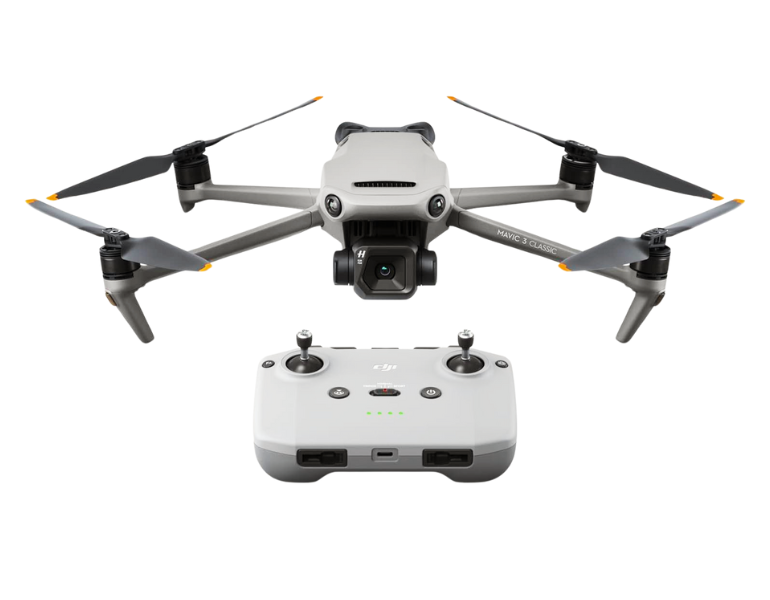
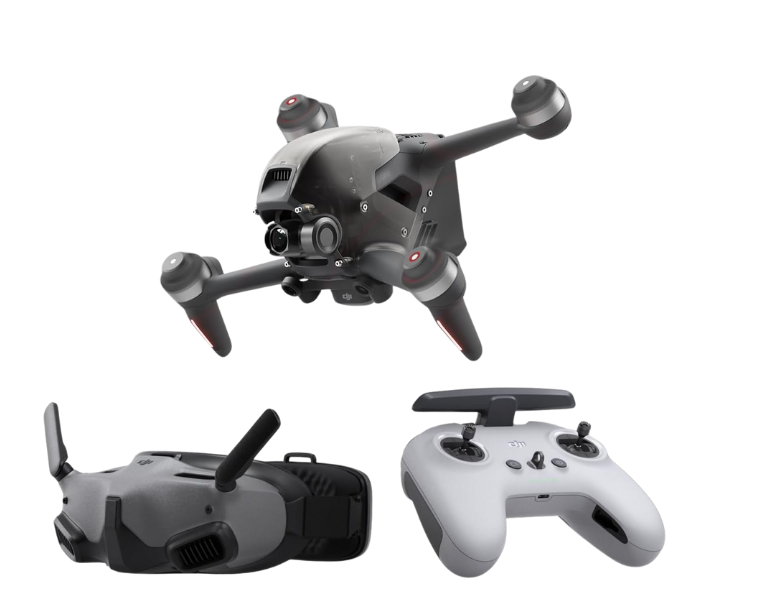
    We’ve recommended fantastic camera drones for under $1,000, so you don’t need to spend a fortune. If you want to explore vast landscapes, we’ve highlighted long-range DJI drones that can fly far.

    Safety is important, and this guide covered the best obstacle avoidance features to prevent crashes. For an adrenaline rush, we introduced exciting FPV drones too. No matter what you need, we consider crucial factors like battery life to ensure you get amazing flights.

    The sky is calling! Take another look at the DJI models that sparked your interest. With the perfect drone by your side, unforgettable aerial adventures await!