Category: Cybersecurity & Privacy

Stay Safe & Secure Online! Tech Innovation Pro tackles Cybersecurity & Privacy. Discover hacking threats, and data protection tips & safeguard your digital life. Protect what matters, explore now!

  • Secure Your Sky: Mastering Cloud Web Security in 2024

    Secure Your Sky: Mastering Cloud Web Security in 2024

    The digital landscape has soared to new heights. More and more businesses are migrating their operations to the cloud, entrusting it with their critical web applications, data, and infrastructure. This paradigm shift, while offering undeniable advantages in scalability and agility, necessitates a robust security apparatus—enter Cloud Web Security.

    Cloud Web Security

    Cloud Web Security stands as the vigilant protector in this digital realm. It’s a comprehensive strategy encompassing a suite of tools and best practices designed to safeguard web-based applications, data, and the underlying infrastructure residing within the cloud environment.

    Just as a physical security system shields a commercial building, Cloud Web Security acts as an invisible force field, deflecting cyberattacks and thwarting malicious attempts to infiltrate the cloud.

    Cloud Security VS Cloud Web Security

    Cloud web security and cloud security, although closely related, address distinct aspects of safeguarding the cloud environment. Let’s explore their differences:

    Cloud Security: Cloud security refers to the umbrella of practices, technologies, and policies designed to safeguard data, applications, and infrastructure residing in the cloud environment.

    • Broader Scope: Encompasses the overall protection of data, applications, and infrastructure residing within the cloud.
    • Focus: Secures the entire cloud ecosystem, including data at rest, in transit, and during processing.
    • Responsibility: Shared between the cloud service provider (CSP) and the organization using the cloud service.
    • Measures: Involves data encryption, access control mechanisms, identity and access management (IAM), threat detection & prevention, and adherence to compliance regulations.

    Cloud Web Security: Cloud web security builds upon the foundation of cloud security, specifically focusing on protecting web-based elements within the cloud environment.

    • Specific Focus: Secures web applications and resources deployed on the cloud platform.
    • Protects Against: Web-based threats like injection attacks, cross-site scripting (XSS), denial-of-service (DoS) attacks, and malicious code.
    • Implementation: Often involves web application firewalls (WAFs), secure coding practices, and vulnerability scanning of cloud-based web applications.

    Key Differences:

    • Scope: Cloud security addresses the entire cloud environment, while cloud web security specifically focuses on securing web applications within the cloud.
    • Responsibility: Cloud security involves a shared responsibility model, whereas cloud web security primarily falls under the organization’s responsibility.

    Here’s an analogy:

    • Cloud security is like securing your house (the cloud environment) with alarms, security doors, and a monitored security system.
    • Cloud web security is like installing additional security measures on your home’s specific entry points (web applications) like reinforced doors and high-security locks.

    In essence, cloud security forms the foundation, while cloud web security strengthens specific aspects within the cloud environment. Both are crucial for ensuring a comprehensive security posture in the cloud.

    Importance of Cloud Web Security

    The adoption of cloud services has revolutionized how businesses operate. However, this shift also introduces security risks. Here’s why cloud web security matters:

    1. Data Protection: Sensitive information, such as customer data, financial records, and intellectual property, resides in the cloud. Robust security measures are essential to prevent unauthorized access and data breaches.
    2. Availability and Reliability: Cloud services must be available and reliable. Downtime due to security incidents can disrupt business operations and harm reputation.
    3. Compliance: Organizations must adhere to industry-specific regulations (e.g., GDPR, HIPAA). Proper cloud security ensures compliance.
    4. Shared Responsibility: While cloud service providers (CSPs) offer secure infrastructure, customers share the responsibility for securing their applications and data.

    Benefits of Cloud Web Security

    In today’s perilous digital landscape, cyber threats lurk around every corner. Cloud Web Security serves as an unwavering defense against a barrage of malicious activities. Here’s how it bolsters your cloud defenses:

    • Shielding Against Digital Onslaught: Cloud Web Security safeguards your web applications from Distributed Denial-of-Service (DDoS) attacks, where malicious actors attempt to overwhelm your systems with a flood of traffic, rendering them inaccessible to legitimate users.
    • Eradicating Malicious Code: Cloud Web Security employs advanced techniques to identify and thwart malware injection attempts, where attackers embed malicious code into your applications to steal data or disrupt operations.
    • Fortress Around Your Data: Data breaches are a significant concern in the digital age. Cloud Web Security encrypts data at rest and in transit, acting as an impenetrable shield against unauthorized access, ensuring the confidentiality and integrity of your sensitive information.

    Beyond Security

    Cloud Web Security isn’t confined solely to safeguarding your digital assets. It plays a pivotal role in ensuring adherence to an ever-evolving regulatory landscape. By implementing robust cloud security measures, organizations can demonstrate their commitment to meeting industry standards and complying with data privacy regulations like the General Data Protection Regulation (GDPR).

    Scalability and Cost-Effectiveness

    One of the significant advantages of cloud-based security solutions lies in their inherent scalability. As your business grows and your cloud footprint expands, Cloud Web Security scales seamlessly to accommodate your evolving needs. Additionally, cloud-based security solutions can offer potential cost benefits. By eliminating the need for upfront investment in hardware and software infrastructure, businesses can leverage the expertise and resources of cloud security providers, often at a predictable and cost-effective rate.

    By implementing a comprehensive Cloud Web Security strategy, organizations can venture confidently into the ever-expanding digital frontier. Remember, securing your cloud environment isn’t just about protecting data; it’s about safeguarding your business reputation, fostering trust with your customers, and ensuring the unhindered operation of your mission-critical applications. As the reliance on cloud services continues to surge in 2024 and beyond, mastering Cloud Web Security becomes an essential tenet for guaranteeing a secure and prosperous digital future.

    Key Components of Cloud Web Security

    Cloud security for websites

    In the dynamic landscape of cloud web security, understanding the key components is essential for safeguarding your digital assets. Let’s explore the critical elements that contribute to a robust security posture:

    1. Access Control and Authentication

    Effective access control ensures that only authorized users can access cloud resources. Consider the following components:

    • Multi-Factor Authentication (MFA): MFA requires users to provide multiple forms of identification before granting access. Common factors include passwords, SMS codes, biometrics, or hardware tokens. By combining these factors, MFA significantly enhances security.
    • Identity and Access Management (IAM): IAM is the cornerstone of access control. It allows organizations to manage user permissions and roles systematically. With IAM, you can define who can access specific resources, set fine-grained permissions, and enforce the principle of least privilege.

    2. Data Encryption

    Encryption is a fundamental practice to protect data from unauthorized access. Consider the following aspects:

    • At Rest: Encrypt data stored in databases, object storage, and backups. Whether it’s customer records, financial data, or intellectual property, encryption ensures that even if an unauthorized party gains access to the storage, the data remains indecipherable.
    • In Transit: Use secure protocols (such as HTTPS) for data transmission. When data moves between clients, servers, or services, encryption prevents eavesdropping and tampering. It’s crucial for maintaining confidentiality and integrity.

    3. Network Security

    Securing the cloud network infrastructure is paramount. Consider the following components:

    • Virtual Private Clouds (VPCs): Isolate resources within a private network. VPCs allow you to create logically isolated environments where you can deploy your applications securely. They provide network segmentation, control over IP addressing, and fine-grained security groups.
    • Firewalls: Control inbound and outbound traffic. Firewalls act as gatekeepers, filtering traffic based on predefined rules. They prevent unauthorized access, block malicious requests, and ensure compliance with security policies.
    • Network Segmentation: Divide networks to limit lateral movement. By segmenting your network, you reduce the attack surface. If an intruder gains access to one segment, they won’t automatically have access to the entire network.
    • Security Groups and ACLs: Define rules for traffic flow. Security groups and access control lists (ACLs) allow you to specify which resources can communicate with each other. They act as virtual firewalls at the instance level, controlling traffic at the network interface level.

    Now, let’s delve into the critical aspects of Cloud Web Security, focusing on common threats, best practices, and incident response:

    Common Threats and Risks

    While the cloud offers undeniable advantages, it also introduces a new battleground for cyber threats. Cloud Web Security becomes paramount in safeguarding your valuable data and applications from a multitude of adversaries.

    Cloud Web Security

    Here, we delve into some of the most common threats and risks organizations face in the cloud environment:

    Data Breaches and Unauthorized Access

    Data breaches are a constant cause for concern, occurring when sensitive information stored in the cloud is accessed, stolen, or exposed without proper authorization. These breaches can stem from various factors:

    1. Misconfigured Permissions: Inadequate security protocols or granting excessive access rights can lead to unintended data exposure. Example: A public cloud storage bucket misconfigured to allow public read access, potentially exposing sensitive customer information like financial records or personally identifiable data (PII). A misconfigured Amazon S3 bucket allows public access to confidential customer records.

    2. Credential Theft: Malicious actors actively employ various techniques to steal login credentials (usernames and passwords). Example: A phishing campaign successfully tricks an employee into revealing their cloud login credentials, enabling unauthorized access to sensitive data.

    3. Insider Threats: Internal actors, including employees, contractors, or partners with malicious intent, can exploit their access to compromise data. Example: A disgruntled employee with access to a customer database downloads and leaks confidential financial information to a competitor.

    Malware and Insider Threats

    The cloud environment is not immune to malware infiltration. Malicious software (malware) can find its way into cloud systems through various means:

    1. Cloud Malware Types: Ransomware, trojans, and spyware are some common types of malware that can wreak havoc on cloud-based systems. Example: A cloud server compromised by ransomware encrypts critical data, rendering it inaccessible until a ransom is paid. A compromised cloud server hosts malware that spreads across the organization’s network.

    2. Insider Threats: A Double-Edged Sword: While external threats are significant, insider threats pose a unique challenge due to their inherent level of access and potential for both malicious and unintentional harm: Malicious Insiders: These individuals intentionally exploit their access to steal data, disrupt operations, or plant malware within the cloud environment. Unintentional Insiders: Negligence or lack of proper training can lead to accidental data exposure. Example: A contractor tasked with managing a cloud database accidentally shares sensitive customer information due to a configuration error.

    These scenarios highlight the critical need for a robust Cloud Web Security strategy. By implementing a layered defense that includes access controls, data encryption, and user awareness training, organizations can significantly mitigate these risks and safeguard their cloud-based assets. Remember, a vigilant approach is crucial in the face of ever-evolving cyber threats.

    Read More: Cloud Network Security | Tech Innovation Pro

    Best Practices for Cloud Web Security

    Keeping your cloud environment safe is crucial, and we’ve got your back. Securing your cloud environment requires constant vigilance. Here are two essential practices to supercharge your Cloud Web Security:

    Cloud Web Security

    Regular Security Audits and Assessments

    Imagine a security guard meticulously examining every corner of your cloud infrastructure. Regular security audits and assessments function similarly. Imagine you’re giving your entire digital house (the cloud) a thorough inspection now and then. That’s what security audits and assessments do. They involve:

    1. Vulnerability Scanning: Think of these as automated security guards constantly patrolling your cloud for weaknesses. They identify potential security gaps in your setup, like unlocked doors or hidden crawl spaces.
      • Regularly scan cloud resources for vulnerabilities.
      • Use automated tools to identify weaknesses in configurations.
      • Example: Running vulnerability scans on your cloud servers weekly is like getting regular security reports highlighting areas that need extra attention.
    2. Penetration Testing: Picture ethical hackers trying their best to break into your cloud, just like a security expert testing your home alarm system. Penetration tests uncover vulnerabilities that real attackers might exploit.
      • Simulate attacks to identify security gaps.
      • Ethical hackers attempt to exploit vulnerabilities.
      • Example: Hiring a penetration testing firm is like inviting security ninjas to try and bypass your defenses, pinpointing areas where intruders might sneak in.
    3. Compliance Checks: Regularly reviewing your security policies and controls is like checking a compass – it ensures you’re following the right security path and haven’t strayed off course.
      • Ensure compliance with industry standards (e.g., PCI DSS, ISO 27001).
      • Regularly review policies and controls.
      • Example: Making sure your cloud setup meets GDPR (protecting user privacy in Europe) shows your commitment to keeping user information safe.

    Continuous Monitoring and Incident Response

    So, we’ve talked about checking your cloud’s defenses regularly, but what about constant vigilance? That’s where continuous monitoring comes in. Imagine having security cameras set up throughout your digital house (the cloud), keeping a watchful eye 24/7. Here’s how it works:

    1. Real-Time Monitoring: These “security cameras” are advanced tools that constantly monitor your cloud activity for anything out of the ordinary. They’re like having hawk eyes, detecting suspicious activity like unauthorized access attempts or unusual login patterns.
      • Implement tools for continuous monitoring.
      • Detect anomalies, unauthorized access, and suspicious activities promptly.
      • Example: Setting up alerts to notify you whenever someone tries to log in from an unexpected location helps you catch potential security breaches early on.
    2. Having a Plan B: Even with the best security measures, unexpected situations can arise. That’s why having a comprehensive incident response plan is crucial. Think of it as your personal “fire drill” for the cloud.
      • Develop a comprehensive incident response plan.
      • Define roles, responsibilities, and communication channels.
      • Example: Imagine a data breach occurs. By following your pre-defined steps, you can quickly contain the situation, minimize the damage, and get things back on track.

    Equipping Yourself for the Journey

    Cloud Web S ecurity

    Mastering cloud web security is an ongoing pursuit. Here’s your comprehensive toolkit for success:

    • Embrace Certifications: Consider pursuing certifications like the Certified Cloud Security Professional (CCSP) or the AWS Certified Security – Specialty to validate your expertise and demonstrate your commitment to cloud security best practices. These certifications can also enhance your career prospects in the in-demand field of cloud security.
    • Stay Updated: The cloud security landscape is constantly evolving. Subscribe to security blogs from reputable vendors and industry publications. Attend industry events, both physical and virtual, to connect with security professionals and learn about the latest threats and defense strategies. Actively seek out the latest knowledge by participating in online forums and communities dedicated to cloud security.
    • Practice Makes Perfect: Set up a lab environment to experiment with security tools and configurations. This hands-on experience will solidify your understanding of cloud security concepts and allow you to test different security approaches in a safe environment. There are many free and paid cloud sandbox environments available that can be used for this purpose.

    Conclusion

    The digital landscape has soared to new heights, and with this ascension comes the immense responsibility of safeguarding our valuable assets in the cloud. Cloud Web Security isn’t a mere option; it’s the cornerstone of a secure digital future.

    Key Takeaways for Unwavering Cloud Security:

    • Shared Responsibility: Remember, securing the cloud isn’t a solitary endeavor. Cloud providers offer a robust foundation, but the onus lies with users to configure their environment securely and vigilantly protect their data.
    • Knowledge is Power: The ever-evolving threat landscape necessitates staying informed about the latest cyber threats and best practices in Cloud Security.
    • Proactive Defense: Implementing a comprehensive Cloud Web Security strategy is paramount. Regular security audits, robust data encryption, and real-time monitoring are the cornerstones of a fortified digital defense.

    By prioritizing Cloud Web Security, you not only safeguard your mission-critical applications, data, and infrastructure but also contribute to a more secure online environment for everyone. Investing in web cloud security and cloud application security strengthens the entire digital ecosystem, fostering trust and protecting the integrity of the web.

    As we navigate the ever-expanding digital frontier, prioritizing Cloud Web Security becomes an essential tenet for every organization. By understanding the shared responsibility, staying informed about evolving threats, and implementing robust security measures, you can ensure a secure and prosperous digital future.

    Remember, online security starts with securing your cloud environment – and with the right approach, you can transform your cloud into a safe and reliable haven for your data and applications.

    What are the benefits of Cloud Web Security?

    Cloud Web Security Benefits:
    Enhanced Protection: Protects data from breaches using encryption and access controls.
    Scalability: Easily adjusts security measures to meet changing needs.
    Threat Detection & Prevention: Advanced tools identify and block cyberattacks.

    How Does Cloud Web Security Work?

    Cloud-based tools analyze web traffic for malware, phishing, and other threats.
    Security measures like firewalls and intrusion prevention stop suspicious activity.
    Cloud-Based Web Filtering:
    Filters web traffic to block access to malicious websites and content.
    Cloud Web Security Scanner:
    Analyzes websites for vulnerabilities and security risks.
    Cloud Web Security Connector:
    Integrates cloud security services with existing IT infrastructure.

    What is cloud-based web filtering?

    Cloud-based web filtering acts as a gatekeeper for your organization’s internet traffic. It’s like a security guard in the cloud. Here’s a breakdown:
    Location: Hosted on a remote server (the cloud) by a security provider.
    Function: Analyzes web traffic in real-time.
    Action: Blocks access to harmful websites and content:Malicious sites containing malware or phishing attempts.
    Inappropriate content based on pre-defined categories (e.g., gambling, adult content).

    What are the 4 types of cloud computing?

    Types of Cloud Computing:
    Public Cloud: Shared resources delivered over the internet (e.g., Amazon Web Services).
    Private Cloud: Dedicated cloud infrastructure for a single organization.
    Hybrid Cloud: Combines public and private cloud resources.
    Multi-Cloud: Utilizes multiple public cloud providers.
  • Cybersecurity in the Digital Age | Tech Innovation Pro

    Cybersecurity in the Digital Age | Tech Innovation Pro

    Opportunities and Challenges in Cybersecurity
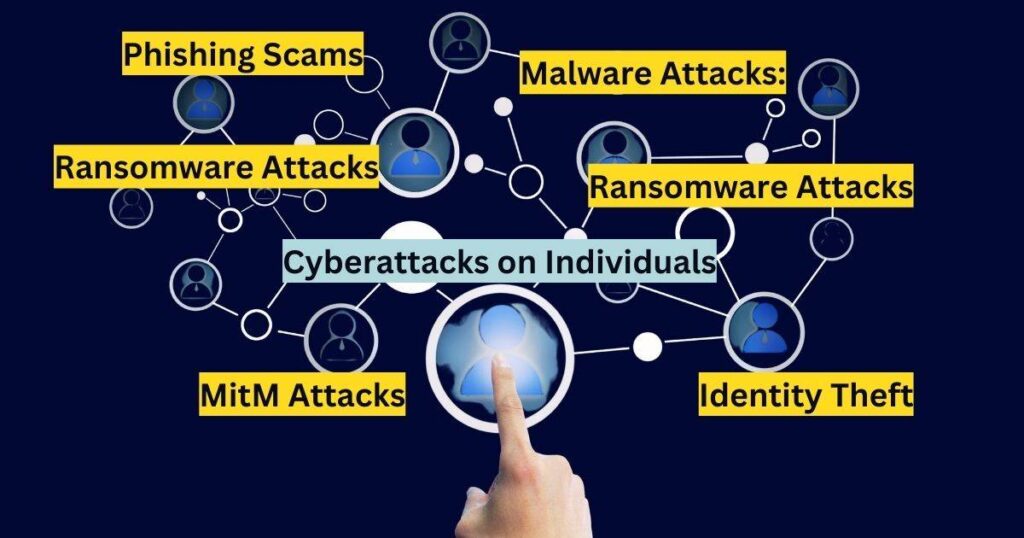
    Cyberattack on individual
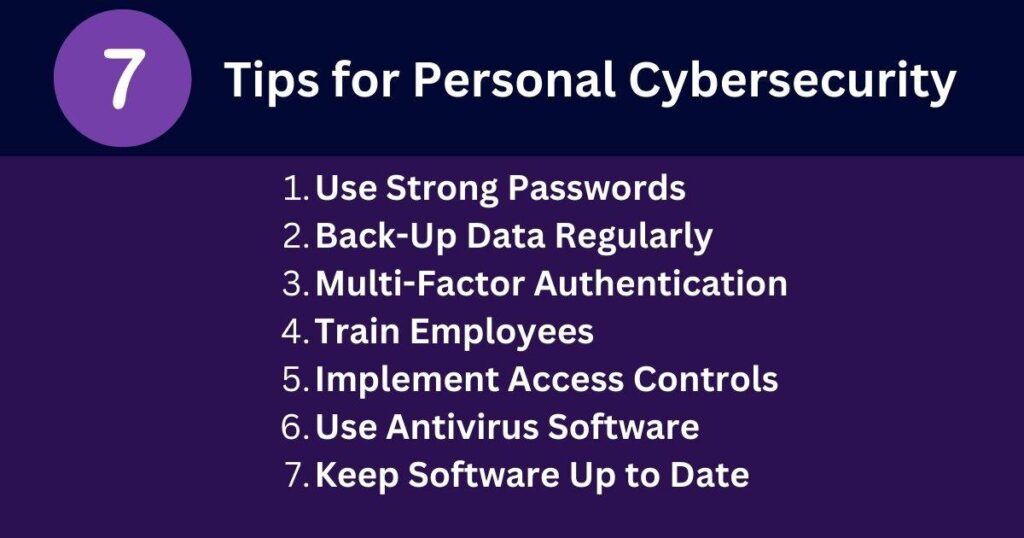
    Tips for Personal Cybersecurity
    • Keep Software Up to Date: Ensure that all software and operating systems are up-to-date with the latest security patches.
    • Use Antivirus Software: Install and regularly update antivirus software to detect and remove malware.
    • Implement Access Controls: Implement access controls to limit the number of users who have administrative privileges.
    • Train Employees: Train employees on how to identify and avoid phishing scams and other social engineering tactics used by cybercriminals.
    • Back-Up Data Regularly: Regularly back up important data to an external hard drive or cloud storage service.
    • Use Strong Passwords: Use strong passwords that are difficult to guess and change them regularly.
    • Implement Multi-Factor Authentication (MFA): Implement MFA to add an extra layer of security to user accounts.
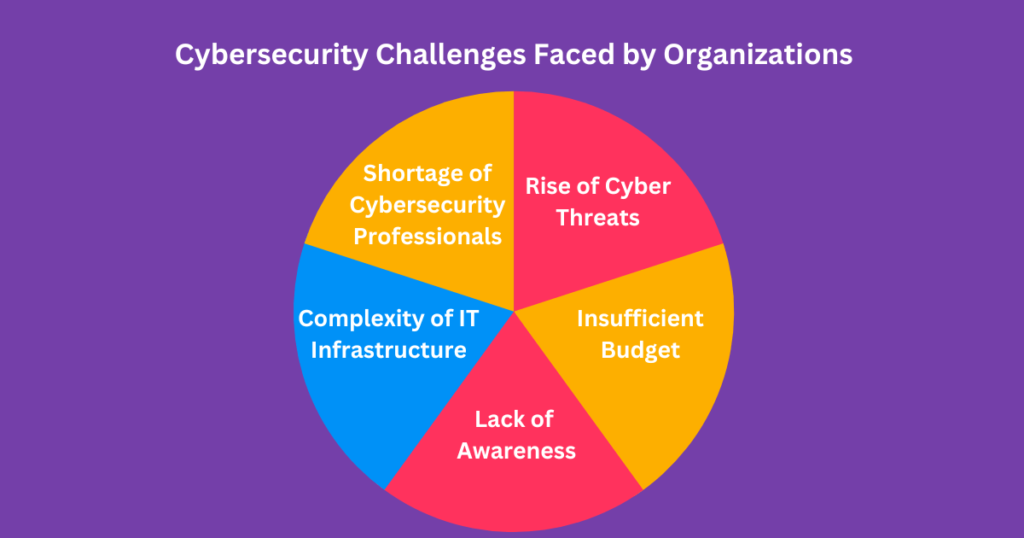
    Cybersecurity Challenges Faced by Organizations
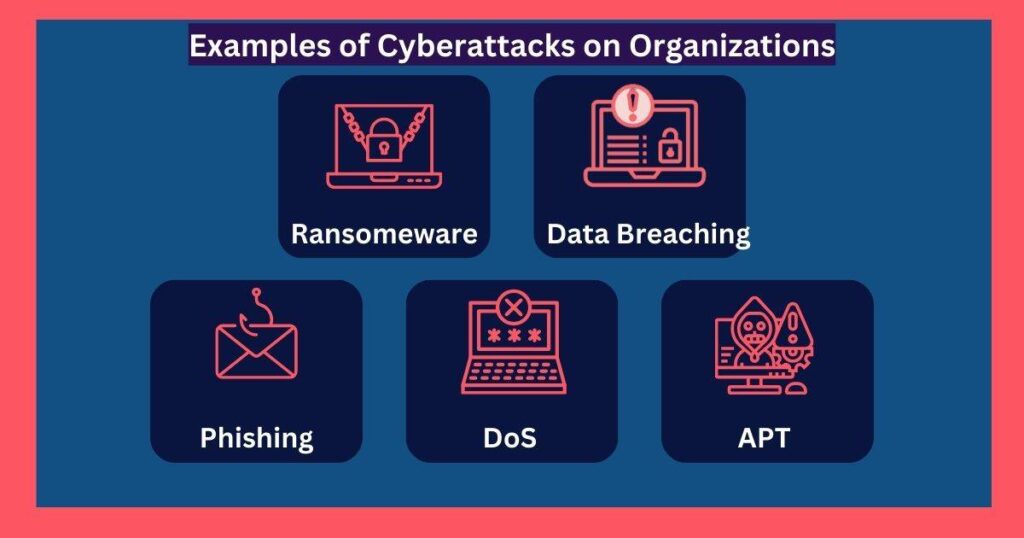
    Examples of Cybersecurity on Organization
    • Ransomware Attacks: Ransomware is a type of malware that encrypts an organization’s data and demands payment in exchange for the decryption key. In 2021, Electronic Arts, one of the world’s biggest video game publishers, was breached by hackers who stole source code used in company games.
    • Data Breaches: Data breaches occur when an organization’s sensitive data is accessed or stolen by unauthorized individuals. In 2021, McDonald’s suffered a data breach that exposed the private information of customers and employees in South Korea and Taiwan.
    • Phishing Scams: Phishing scams are fraudulent emails or messages that trick individuals into revealing sensitive information such as passwords or credit card numbers. In 2021, Peloton announced that it was targeted by hackers who stole customer data through a phishing scam.
    • Denial-of-Service (DoS) Attacks: DoS attacks occur when an organization’s servers are overwhelmed with traffic, causing them to crash or become unavailable. In 2021, Amazon Web Services (AWS) experienced a DoS attack that caused widespread outages across the internet.
    • Advanced Persistent Threats (APTs): APTs are long-term targeted attacks that aim to steal sensitive information from an organization. In 2021, the Russian hacking group APT29 was accused of targeting organizations involved in COVID-19 vaccine development.
  • Cloud Network Security | Tech Innovation Pro

    Cloud Network Security | Tech Innovation Pro

    Cloud Network Security

    Cloud Network Security is a paramount aspect of this evolving technological landscape. As more sensitive information and mission-critical functions migrate to the cloud, safeguarding these digital assets from an ever-growing array of cyber threats becomes imperative.

    In this era, network security extends beyond traditional perimeters, necessitating innovative approaches to protect cloud environments and data.

    We will examine the unique security considerations presented by cloud networks, the threats that loom in this environment, and the advanced solutions designed to fortify your organization’s digital presence in the cloud. 

    What exactly is cloud network security? 

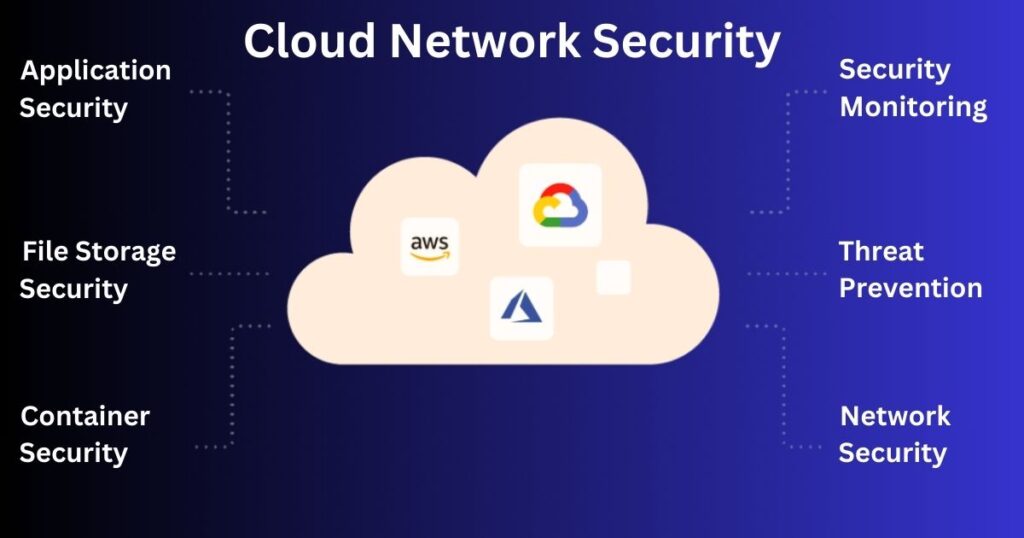
    Cloud Network Security is a crucial aspect of cloud computing that helps protect public, private, and hybrid cloud networks from unauthorized access, modification, misuse, or exposure. It is one of the foundational layers of cloud security that enables companies to embed security monitoring, threat prevention, and network security controls to help manage the risks of the dissolving network perimeter.

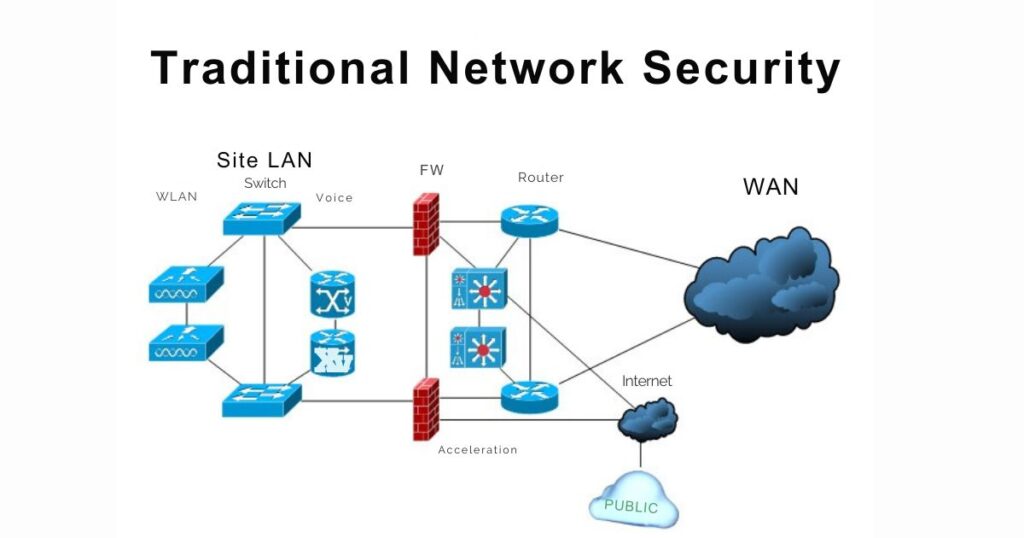
    If you expand your current network to cloud-based environments, there are a variety of consequences for security. Historically, every on-premises solution had an undefined perimeter between your internet and the internal network, as well as several multi-layered security measures like physical firewalls and routers, intrusion detection, and much more. However, as more users and workloads move over the on-prem boundary, it becomes more challenging to recognize and react to attacks using the previous security measures to create an effective network.

    To keep pace with the rapid growth of today’s IT environments, companies require a more straightforward method to deploy and manage network security that is integrated directly into the cloud. Cloud-based security for networks allows you to reduce risks, meet the requirements of compliance, and guarantee secure and efficient operations.

    According to Google Cloud, cloud network security refers to the security measures–technology, policies, controls, and processes–used to protect public, private, and hybrid cloud networks. As with cloud security, security is a term that refers to the policies, technology control, procedures, and methods employed to safeguard data. It only focuses on protecting cloud networks from unauthorized access and misuse or exposure. Cloud security is one of the primary layers of cloud security, which allows companies to incorporate surveillance of security, threat detection, and security measures for networks to manage the security risks associated with the disappearing firewall.

    Why is cloud network security important?

    Cloud network security is essential because it helps protect public, private, and hybrid cloud networks from unauthorized access, modification, misuse, or exposure. When you connect your existing network to cloud-based environments, it comes with numerous security implications. Historically, any on-premise approach involved a distinct perimeter between the internet and your organization’s internal network and a variety of multi-layered defences like physical firewalls, routers, intrusion detection, and more. But as more workloads and users move beyond your on-premise perimeter, it becomes harder to detect and respond to intrusions using previous perimeter protections to create a secure network.

    Utilizing cloud network security is necessary when using cloud-based infrastructure to safeguard your systems, data, and apps. With cloud network security, you can guarantee secure and effective operations, reduce risk, and comply with regulations. Utilizing cloud-based infrastructure that incorporates network security features like policy-based enforcement mechanisms and centralized monitoring helps minimize risk and ensure secure operations for enterprises.

    In summary, cloud network security is an essential aspect of cloud computing that helps protect public, private, and hybrid cloud networks from unauthorized access or exposure. It forms one of the foundational layers of cloud security that enables companies to embed security monitoring, threat prevention, and network security controls to help manage the risks of the dissolving network perimeter.

    How is it different from traditional network security? 

    Cloud network security and traditional network security are different in several ways.

    Traditional Network Security

    Traditional network security involves securing the underlying infrastructure that supports computing, such as routers, switches, firewalls, and other devices. It also includes ensuring the communication channels between different components of a computing infrastructure.

    On the other hand, cloud network security describes the technologies, procedures, controls, and policies that are utilized to safeguard public, private, and hybrid cloud networks. Similar to cloud security, cloud network security is the exclusive focus of safeguarding cloud networks against unauthorized access, modification, misuse, or disclosure. It encompasses the technology, rules, controls, and procedures used to protect data. One of the fundamental pillars of cloud security is cloud network security, which enables businesses to incorporate threat prevention, security monitoring, and network security controls to help limit the risks associated with the network perimeter collapsing.

    Cloud Network Security features

    One of the key differences between traditional network security and cloud network security is that traditional network security is primarily focused on securing on-premises infrastructure. In contrast, cloud network security is focused on securing cloud-based infrastructure.

    Another difference is that traditional network security typically involves deploying physical devices such as firewalls and intrusion detection systems. In contrast, cloud network security relies on virtualized solutions that are built directly into the cloud environment.

    In summary, while both traditional network security and cloud network security are essential aspects of securing computing infrastructure, they differ in their focus and approach. Traditional network security focuses on securing on-premises infrastructure, while cloud network security focuses on securing cloud-based infrastructure using virtualized solutions.

    Threats to Cloud Network Security

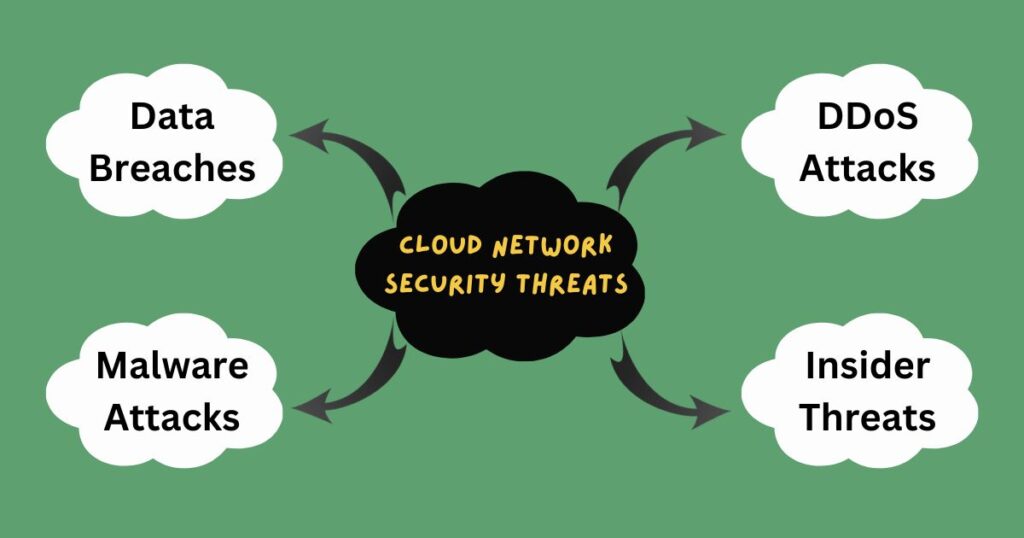
    Cloud networks are vulnerable to various types of threats, such as data breaches, malware attacks, DDoS attacks, insider threats, and more. These threats can cause significant damage to your business by compromising sensitive data or disrupting critical services. Therefore, it is essential to understand these threats and take appropriate measures to mitigate them.

    Cloud Network Security Threats

    Some common threats to cloud network security include:

    • Data Breaches: Unauthorized access or theft of sensitive data can lead to significant financial and reputational damage to an organization. Data breaches can occur due to various reasons, such as weak passwords, unpatched software vulnerabilities, or social engineering attacks. Attackers can use stolen data for identity theft, financial fraud, or other malicious purposes.
    • Malware Attacks: Malicious software that can infect your systems and steal data or disrupt services. Malware can enter your plans through various means, such as email attachments, malicious websites, or infected software. Once inside your systems, malware can steal sensitive data, encrypt files for ransom, or cause system crashes.
    • DDoS Attacks: Distributed Denial-of-Service attacks that can overwhelm your systems with traffic and cause them to crash. DDoS attacks are often used to disrupt the availability of online services or extort money from organizations. Attackers can use botnets or other means to generate massive amounts of traffic that can saturate your network bandwidth and make your services unavailable.
    • Insider Threats: Malicious or negligent insiders who can intentionally or unintentionally cause harm to your systems. Insider threats can come from employees, contractors, or partners who have authorized access to your plans and data. They can steal sensitive data, introduce malware, or cause system outages due to negligence or mistakes.

    Cloud Network Security Solutions

    There are several solutions available for securing cloud networks. Here are some best practices for implementing cloud network security solutions:

    • Encryption: Encrypting data at rest and in transit can help protect it from unauthorized access. Encryption should be implemented using robust encryption algorithms and keys, and the keys should be managed securely. It is also vital to ensure that the encryption solution is compatible with your cloud environment.
    • Access control: Implementing strict access control policies can help prevent unauthorized access to your systems. Access control policies should be based on the principle of least privilege, which means that users should only have access to the resources they need to perform their job functions. Access control policies should also be regularly reviewed and updated to ensure that they are effective.
    • Firewalls: Deploying firewalls can help monitor incoming and outgoing traffic and block malicious traffic. Firewalls should be configured to allow only authorized traffic and should be regularly updated with the latest security patches.
    • Intrusion detection/prevention systems: Deploying intrusion detection/prevention systems can help detect and prevent malicious activity on your plans. These systems use various techniques, such as signature-based detection, anomaly detection, and behavioural analysis, to identify potential threats. They should be configured to generate alerts when suspicious activity is detected, and the warnings should be reviewed promptly.
    • Security information and event management (SIEM): Implementing SIEM solutions can help monitor your systems for suspicious activity. SIEM solutions collect and analyze log data from various sources to identify potential security threats. They can also generate alerts when suspicious activity is detected, enabling security teams to respond quickly.

    It is important to note that there is no one-size-fits-all solution for securing cloud networks. The best approach depends on your specific business needs and requirements. By following these best practices, you can minimize the risk of cloud network security breaches.

    In conclusion, network security is a critical aspect of cloud computing that cannot be ignored. Securing cloud networks requires a multi-layered approach that involves implementing various technologies, policies, controls, and processes. By following best practices for securing cloud networks, such as encryption, access control, firewalls, intrusion detection and prevention systems, and SIEM solutions, you can minimize risk and ensure safe and efficient operations in your organization’s cloud environment.

  • Cybersecurity: The Best Digital Sentry

    Cybersecurity: The Best Digital Sentry

    Cybersecurity, in today’s hyper-connected world, where digital convenience is a significant perk, assumes a critical role. Our increasing reliance on technology presents a paradox. The more we integrate technology into our lives, the more vulnerable we become to cyber-attacks. Here’s where cybersecurity stands as a digital sentry, guarding our virtual gateways from malicious threats.


    Unraveling Cybersecurity

    At its core, cybersecurity is about protecting systems, networks, and programs from digital attacks. These cyber-attacks usually aim to access, change, or destroy sensitive information, extort money from users, or interrupt normal business processes.


    The Need for Cyber Shields

    Implementing effective cybersecurity is not just a need but a necessity. With everything from smartphones to smart homes, our world is more connected than ever and, unfortunately, more at risk. The repercussions of inadequate cyber defences can range from personal data breaches to widespread societal impact, highlighting the undeniable need for robust cyber shields.


    Threats in The Cyber World

    The realm of cyber threats is not just vast; it’s continuously evolving, with new threats emerging as technology advances.

    Types of Cyber Threats

    This image shows Cyber Threats

    From malware, phishing, and ransomware to social engineering and DDoS attacks, the assortment of threats is extensive. Understanding each helps in developing more effective countermeasures.

    Malware: Malware is a type of software intended to damage or take advantage of any server, network, or device. Ransomware, worms, trojans, and viruses are among them.

    Phishing: Phishing is a kind of social engineering assault in which victims are tricked into divulging private information, including bank account information, credit card numbers, and passwords. Usually, phone conversations, texts, or emails are used for it.

    Ransomware: Ransomware is a type of malware that encrypts a victim’s files and requests payment in exchange for the decryption key .

    Social Engineering: Social Engineering is a form of cyberattack whereby an attacker uses psychological tricks to deceive victims into disclosing private information. Phishing, pretexting, baiting, and more tactics are included.

    DDoS attack: Distributed Denial of Service (DDoS) attacks aim to flood a server or website with requests from various sources at once. Because of this, legitimate people are unable to access the website or server.


    Case Studies of Cyber Attacks

    Analyzing incidents like the infamous WannaCry ransomware attack or the Equifax data breach reveals the profound implications of these threats, impacting millions globally, tarnishing reputations, and incurring formidable financial losses.


    Fortifying Defenses: Cybersecurity Measures

    Combating the plethora of cyber threats requires a multi-faceted approach. It involves employing various strategies, tools, and practices designed to protect against attacks and vulnerabilities.


    Personal Cybersecurity

    Individuals must take proactive steps, like using strong, unique passwords, enabling multi-factor authentication, and regularly updating software to shield personal data from cyber predators.

    Personal and organizational Cybersecurity


    Organizational Cybersecurity

    For businesses, the stakes are higher, necessitating comprehensive cybersecurity strategies. This means not only employing advanced technological defences but also fostering a culture of security awareness among employees.


    Emerging Technologies in Digital Security

    Innovations such as Artificial Intelligence (AI), machine learning, and blockchain are revolutionizing cybersecurity. These technologies enhance the ability to predict, prevent, and mitigate cyber-attacks more efficiently and effectively.


    Legal Landscape and Policies

    The legal aspect of cybersecurity is intricate, given the borderless nature of the internet. Various laws and regulations have been enacted worldwide to uphold data privacy, regulate digital conduct, and ensure compliance.


    Global Cybersecurity Standards

    Standards like the General Data Protection Regulation (GDPR) and others set by organizations such as the International Standards Organization (ISO) underline the global effort toward unified cybersecurity practices.


    The Future of Cybersecurity

    As we venture into the digital future, cybersecurity fields are expected to evolve, presenting both unprecedented challenges and innovative solutions. The rise of quantum computing, for instance, could both dismantle and dramatically reinforce current security protocols.


    Preparing for Tomorrow’s Threats

    In anticipation of emerging cyber threats, continuous adaptation and learning, investment in cutting-edge technology, and comprehensive emergency response plans are crucial. Staying informed about cyber hygiene practices is not just recommended; it’s a requisite for safely navigating the digital space.

    In conclusion, cybersecurity is not a static realm; it’s a continuously evolving field that demands vigilance, awareness, and proactivity. Whether individual or organizational, cybersecurity is an undeniable necessity in our increasingly digital lives, serving as the guardian of our digital doorways. Embracing this reality and implementing robust cybersecurity measures will ensure that society thrives in the face of digital adversity.


    FAQs


    1. What is cybersecurity?
    Cybersecurity refers to the collective methods, technologies, and processes to protect internet-connected systems and data from unauthorized access or cyber-attacks.

    2. Why is cybersecurity critical?
    It’s crucial for personal, corporate, and national security as we rely more on digital platforms, and the risk of cyber theft, fraud, and sabotage increases.

    3. Can emerging technologies like AI improve cybersecurity?
    Absolutely, AI and machine learning help in predictive analysis, enabling proactive defense measures against potential cyber threats.

    4. What are the common types of cyber threats?
    The spectrum includes malware, phishing attacks, ransomware, and DDoS attacks, among others.

    5. How can I improve my cybersecurity?
    Keep your software updated, use strong passwords, be wary of suspicious emails or links, and regularly back up your data.