Unlock the Power of Data! Tech Innovation Pro explores Data Science & Big Data. Discover insights, trends & how they’re shaping our world. Make data-driven decisions, explore now!
In an era where digital threats are evolving at an unprecedented pace, ensuring the safety and integrity of business operations has never been more critical. This necessity introduces the vital role of cyber insurance coverage, an area where products like Silverfort are making significant strides in providing comprehensive protection.
For small business owners, IT professionals, and decision-makers, understanding the scope and benefits of cyber insurance is essential in safeguarding against the multifaceted nature of cyber risks.
The Imperative of Cyber Security
Cyber security is at the forefront of protecting business assets and data in the digital age. With cybercriminals employing increasingly sophisticated methods, the need for robust cybersecurity measures is indisputable.
Effective data protection and loss prevention strategies are the first line of defense against these threats, alongside endpoint security measures that ensure every device connected to the network is secured.
Understanding Data Protection and Loss Prevention
Data is arguably one of the most valuable assets a company can possess. Protecting this data from unauthorized access, theft, or damage is paramount. Data protection involves implementing measures that preserve the privacy and integrity of data, while loss prevention focuses on preventing unauthorized access or data breaches. Together, these approaches form a comprehensive strategy for safeguarding a company’s informational assets.
Understanding Cyber Insurance
Cyber insurance is designed to mitigate the risks associated with electronic business activities by providing a safety net against financial losses from cyber incidents. For small businesses, which often operate with limited resources, falling victim to cyber threats can have devastating effects, making cyber insurance not just beneficial but essential.
Data Protection
The backbone of any cybersecurity policy is data protection. Effective data protection strategies safeguard critical business and customer information from unauthorized access and cyber theft. Cyber insurance plays a crucial role here by covering the costs associated with data breaches, including legal fees, notification expenses, and rehabilitation measures like credit monitoring services for affected customers.
Data Loss Prevention
Data loss prevention involves measures and technologies employed to prevent sensitive information from leaving an organization’s network. Accidental data loss or deliberate data theft can severely impact a business’s operations and reputation. A comprehensive cyber insurance policy provides coverage for losses incurred due to unintentional data loss, offering financial assistance for recovery and restoration efforts.
Endpoint Security
Endpoint security is concerned with protecting the end-user devices that access your network, such as computers, smartphones, and tablets. These devices serve as entry points for threats and, if compromised, can pose significant risks to your entire IT infrastructure. Cyber insurance assists in recovering from attacks that have bypassed endpoint security measures, covering the costs related to system repairs, data recovery, and business interruption.
Ransomware Protection
Ransomware, a type of malware that encrypts files and demands payment for their release, has become a significant threat to businesses of all sizes.
The financial ramifications of a ransomware attack can be staggering, not only due to the ransom demands but also because of the operational downtimes and data loss.
Cyber insurance coverage includes ransom payment negotiations, payment of the ransom (where legally permissible), and support for data recovery and system restoration.
Selecting the Right Cyber Insurance Policy
Choosing the right cyber insurance policy requires a careful evaluation of your organization’s specific needs and risks. Decision-makers should consider the following factors:
Coverage Limits: Ensure the policy covers the potential financial impact of cyber incidents on your business.
Inclusions and Exclusions: Understand what is covered under the policy and, equally importantly, what is not.
Claims Process: Familiarize yourself with the process to lodge a claim, including any requirements for documenting incidents and losses.
Enter Cyber Insurance Coverage
While preventive measures play a critical role, the reality is that no system is infallible. This acknowledgment is where cyber insurance, including offerings like Silverfort’s coverage, comes into play. Cyber insurance is designed to mitigate the financial risks associated with cyber incidents.
It can cover a range of costs, from legal fees and fines related to data breaches to the expenses of restoring data and systems after a ransomware attack.
Comprehensive Coverage with Silverfort
Silverfort offers a unique value proposition in the realm of cyber insurance. By focusing on a holistic approach that includes not just the financial aspects but also technical support in the wake of a cyber incident, Silverfort’s coverage stands out.
For businesses looking for a comprehensive solution that addresses the complex nature of cyber risks, Silverfort offers a compelling option.
Final Thinking
As technology advances, cyber threats become more sophisticated and pose a serious risk to businesses. Having cyber insurance from a reliable company like Silverfort is a crucial element of a strong cybersecurity plan. Silverfort goes beyond basic coverage, offering customized solutions, broad protection, and valuable risk management services.
This comprehensive approach helps businesses minimize the potential damage from cyberattacks, safeguarding their finances, reputation, and operational continuity. With their expertise, rigorous review process, and partnerships with leading insurance providers, Silverfort emerges as a trusted partner. They empower organizations to effectively prepare for and address cyber risks in today’s digital world.
This revision maintains the original message while offering some minor improvements in flow and specificity.
1. What exactly does cyber insurance cover?
Cyber insurance policies can vary, but most cover a range of expenses related to cyberattacks, including: Data breach costs: This includes expenses like notifying customers, credit monitoring, and legal fees associated with the breach. Business interruption: If your systems are down due to a cyberattack, cyber insurance can help cover lost revenue and the cost of getting back online. Cyber extortion: This covers situations where hackers threaten to release data or disrupt your operations unless you pay a ransom. Cybercrime: This can include coverage for financial losses due to theft of funds or fraudulent transfers. Network security liability: This covers your legal defense costs if someone sues you for a data breach.
2. Is cyber insurance necessary for my small business?
While not mandatory, cyber insurance is becoming increasingly important for businesses of all sizes. Even small businesses are targets for cyberattacks, and the financial impact can be devastating. Cyber insurance can help protect your business from financial ruin and help you recover quickly from an attack.
3. How much does cyber insurance cost?
The cost of cyber insurance depends on several factors, such as the size of your business, the industry you operate in, and the amount of coverage you need. However, cyber insurance is generally considered to be a relatively affordable way to protect your business from a significant financial risk.
4.What can I do to reduce my cyber insurance premium?
Several steps can be taken to reduce your cyber insurance premium. These include: Implementing strong cybersecurity measures such as firewalls, anti-virus software, and employee training. Maintaining good data security practices, such as data encryption and access controls. Having a data breach response plan in place. By taking these steps, you can demonstrate to insurers that you are taking steps to minimize your cyber risk.
5.How do I choose the right cyber insurance policy for my business?
It’s important to shop around and compare different cyber insurance policies before making a decision. Be sure to consider the specific needs of your business and choose a policy that provides the coverage you need. It’s also important to work with a reputable insurance agent or broker who can help you understand your options and choose the right policy.
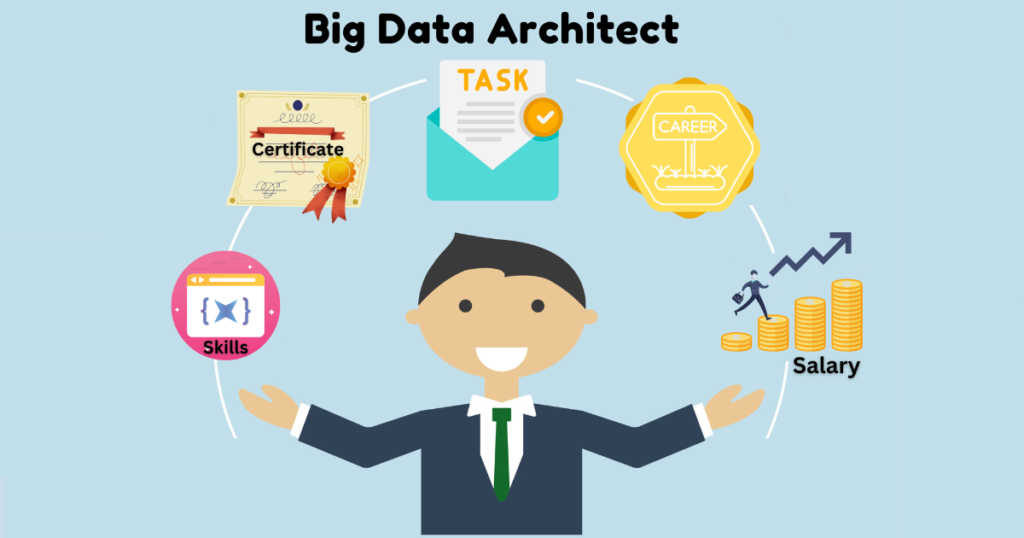
Big Data architects are the masterminds behind the infrastructure that tames the data tsunami. They design and implement sophisticated systems that can ingest, store, process, and analyze massive datasets, transforming chaos into clarity.
In this article, we embark on an exploration of the captivating realm inhabited by Big Data architects. Our journey will take us through the fundamental role these professionals play in shaping data landscapes and shedding light on the promising career path within the domain of Big Data.
Additionally, we’ll delve into the intricacies of Big Data salaries, certifications, and the essential skills that pave the way for success in this dynamic and evolving field. Join us as we navigate the multifaceted world of Big Data architecture, uncovering its nuances and the keys to a rewarding career in this ever-expanding domain.
Master big data, and build your architect blueprint. Technologies, skills, salaries, paths of a Big Data Architect– all unveiled. Dive in and sculpt your data-driven future.
What Does a Big Data Architect Do?
A Big Data architect is tasked with designing the infrastructure and systems to effectively manage, process, and derive meaningful insights from this massive volume of data. This includes implementing storage solutions, integration processes, and analytical tools to ensure that organizations can harness the power of Big Data for informed decision-making and strategic advancements.
The role of a Big Data architect is pivotal in creating architectures that can handle the challenges posed by the scale and diversity of Big Data. Now, we will discuss in detail their role.
Designing the Blueprint: The Big Data architect makes the master plan, like an engineer planning a new city. They design pipelines to bring in data smoothly from many sources. They build storage that can hold huge amounts of structured and unstructured data. They ensure all data flows to the right place. They also choose processing tools to turn raw data into useful insights. They manage complex workflows to analyze giant datasets efficiently.
Technology Toolbox: A Big Data Architect’s tool belt is more than just screwdrivers and wrenches. Their arsenal boasts cutting-edge technologies like Apache Kafka, which acts as a nerve center for real-time data movement, ensuring insights flow as swiftly as the data itself. They speak the languages of databases, NoSQL, and SQL alike, choosing the optimal storage solution for each data type and purpose.
The Bridge Between Business and Tech: The architect connects business needs and technical possibilities. They listen to stakeholders, understand their vision, and translate it into data-driven solutions. They grasp business goals like optimizing marketing, predicting customer behavior, or finding operational inefficiencies. Then they build the tech architecture to deliver those insights. They speak both business and technical language, ensuring the data infrastructure drives real business impact.
Why Big Data Architects are Indispensable?
Big Data architects are really important in today’s tech world. They do more than just handle data—they help find valuable stuff hidden in it. Think of them as guides in a big sea of data, using special tools to discover things that are hard to see.
They can predict things like customers leaving, catch fraud happening right away, and make marketing really exact. Big Data architects are like magicians turning raw data into something super valuable. This helps a lot with new ideas and makes businesses stand out.
But it’s not just about finding cool patterns. They also make sure these discoveries help businesses in real ways. Imagine making factories better using live data, stopping machines from breaking, and avoiding big problems. Big Data architects make this happen. Their work affects how much money a business makes, how well it runs, and how happy customers are. They’re like builders of a future where decisions are all based on smart insights.
And they don’t stop there. Big Data architects are like protectors, ready for whatever new tech comes. They plan ahead so that the systems they create can handle new stuff like blockchain, the Internet of Things, or super-smart AI. They make sure everything stays strong and can change when needed. They know the future is always moving, not stuck in one place. In short, Big Data architects are vital—they’re the builders of cool ideas, better businesses, and a future where data is super powerful.
The Big Data Architect Career Path
The journey to becoming a Big Data architect is an exciting one, paved with continuous learning and the thrill of pushing the boundaries of data-driven possibilities. If you’re drawn to this exciting realm, becoming a Big Data architect could be your perfect career blueprint. But where do you start? Let’s navigate the path together.
Education and Skills:
Formal Foundation: A bachelor’s degree in computer science, information technology, data science, or related fields provides a solid foundation in programming, databases, data analysis, and computer architecture. Master’s programs and specialized boot camps offer further learning and career-specific skills.
Sharpening the Tools: Hone your expertise in key technologies like SQL, Hadoop, Spark, Kafka, and cloud platforms like AWS, Azure, or GCP. Hands-on experience through projects and internships is invaluable.
Statistical Prowess: Develop proficiency in statistics and data visualization to navigate the complex world of data. Learn to uncover patterns, tell compelling stories with charts and graphs, and effectively communicate insights to diverse audiences.
Bridging the Gap: Strong communication and collaboration skills are vital. You’ll bridge the gap between technical expertise and business needs, translating complex data into actionable insights for stakeholders.
Charting Your Course:
Entry Points: Fresh graduates or professionals seeking a career change can enter through positions like Data Analyst, Data Engineer, or Junior Big Data Architect. Gaining experience and building a portfolio are keys to climbing the ladder.
Career Progression: As you navigate the data landscape, advancement could lead to Senior Big Data Architect, Enterprise Architect, Chief Data Officer, or even venturing into data science or related specialties. The possibilities are vast.
Skill Sharpening: Continuous learning is your mantra. Online courses, certifications like Cloudera Certified Professional (CCP) or Apache Spark Certified Developer, and active participation in online communities and conferences keep you at the forefront of the ever-evolving big data scene.
Big Data Certifications
In the world of big data, knowledge is power, but validated expertise holds the key to unlocking doors of opportunity. Big data certifications act as your professional passport, showcasing your skills and boosting your resume in the eyes of potential employers. So, if you’re looking to build a career as a Big Data architect and accelerate your ascent, consider polishing your credentials with these valuable certifications:
1. Cloudera Certified Professional (CCP):
Imagine this certification as your master’s degree in big data architecture. The CCP program tests your proficiency in designing, building, and managing Hadoop infrastructure, the cornerstone of the big data ecosystem. Earning this badge signifies industry-recognized expertise, opening doors to senior-level roles and commanding top salaries.
2. Apache Spark Certified Developer Associate:
Think of Spark as the rocket engine of big data, and this certification as your pilot’s license. Mastering Spark, the high-performance data processing framework, empowers you to analyze vast datasets in real time, making you a sought-after asset for any organization navigating the fast-paced world of big data.
3. AWS Certified Big Data Specialty:
If you’re a cloud aficionado, this certification is your golden ticket. It validates your ability to design and implement big data solutions on Amazon Web Services, the reigning champion of cloud infrastructure. Employers across industries crave professionals with this cloud-focused expertise, making you a prime candidate for lucrative opportunities.
4. Microsoft Certified Azure Data Engineer Associate:
Not a fan of Amazon? No problem! The Microsoft Azure platform reigns supreme in some corners of the cloud universe, and this certification proves your mettle in building and managing big data solutions using Azure’s robust data services. With Azure’s rising popularity, mastering this platform gives you a competitive edge in the job market.
5. Open Certified Data Scientist (OCDS):
Want to bridge the gap between big data analysis and data science? This vendor-neutral certification validates your proficiency in the entire data science lifecycle, from data wrangling and cleansing to model building and evaluation. It positions you as a versatile data expert capable of extracting actionable insights from complex datasets, making you a valuable asset for any data-driven organization.
Beyond the Badge:
Remember, certifications are just the first step. Continuously hone your skills, stay updated on emerging technologies, and build a strong portfolio showcasing your practical expertise. Combine your validated knowledge with real-world experience, and you’ll be well on your way to becoming a Big Data architect in high demand.
Take the first step towards building your certified roadmap to success in the world of big data. Invest in your knowledge, showcase your expertise, and watch your career take flight!
Big Data Architect Salaries
The allure of big data extends beyond the thrill of unlocking hidden insights; it also translates to real-world rewards, and Big Data architects sit at the helm of this lucrative realm. If you’re considering this career path, understanding the earning potential is key to building your financial blueprint.
The average Big Data Architect salary in the US stands at a healthy $160,950 annually or $77.38 per hour, according to Talent.com. Those just starting as big data architects make approximately $135,000 per year. Most experienced big data architects take home up to $192,500 per year. However, much like the data they wrangle, salaries can vary significantly based on several factors:
Experience: Early-career architects can expect to start around $112,326, while seasoned professionals with extensive experience can reach $192,500 per year.
Location: Big data hubs like Washington, California, New York, Maryland, and Virginia tend to offer higher salaries, with major metropolitan areas boasting figures exceeding $150,000. As of January 2024, ZipRecruiter reports top-paying cities for big data architects in the US. Leading the list are San Jose, Oakland, and Hayward, CA. Other lucrative options include San Francisco, CA, Baltimore, MD, and Jersey City, NJ, according to Zippia.
Industry: Specialization plays a role, with sectors like tech, finance, and healthcare offering some of the most lucrative opportunities. According to Glassdoor, Amazon, IBM, and DXC Technology are the top 10 highest-paying companies for big data architects in the US. Glassdoor also says that information technology is one of the top-paying industries for big data architects.
Skills & Certifications: Demonstrating mastery of advanced technologies like Spark or Kafka, coupled with industry-recognized certifications, can significantly boost your value and earning potential.
Beyond the Numbers:
While the numbers paint a promising picture, remember that financial rewards are just one piece of the puzzle. Big Data Architects enjoy:
Job Security: The demand for skilled architects is skyrocketing, with the Bureau of Labor Statistics projecting 12% job growth over the next decade, much faster than the average for all occupations.
Career Growth: Advancement opportunities abound, with the potential to climb the ladder to senior architect, chief data officer, or even venture into data science specialties.
Intellectual Challenge: The ever-evolving landscape of big data keeps the job intellectually stimulating, demanding continuous learning and adaptation.
Making a Difference: Your work directly impacts organizations, shaping data-driven decisions that can improve efficiency, optimize operations, and even transform lives.
The blueprint to a rewarding Big Data architect career starts with investing in your skills and experience. Seek opportunities to hone your expertise in key technologies, build your portfolio through projects, and pursue relevant certifications. Networking with other professionals and staying updated on industry trends are also crucial for career advancement.
Navigating the vast ocean of big data requires more than just a compass; it demands a well-equipped toolkit filled with the right skills. For Big Data architects, this toolkit is a blend of technical prowess and soft skills, allowing them to chart a course through complex data landscapes and deliver actionable insights. So, let’s explore the essential tools you need to add to your own Big Data Architect toolkit:
Technical Prowess:
Programming Languages: SQL remains the bedrock, enabling you to query and manipulate relational databases. But mastering languages like Python, Java, or Scala opens doors to advanced data analysis and distributed computing frameworks.
Big Data Technologies: Familiarity with Hadoop, Spark, Kafka, and NoSQL databases is crucial. Understanding their strengths and weaknesses allows you to design efficient data pipelines and architectures.
Cloud Platforms: The cloud is the future of data storage and processing. Familiarity with AWS, Azure, or GCP empowers you to build scalable and cost-effective data solutions.
Data Analysis and Visualization: Tools like Tableau, Power BI, and Python libraries like Matplotlib and Seaborn equip you to transform raw data into compelling stories and insights for stakeholders.
Statistics and Probability: Understanding statistical concepts like hypothesis testing and regression analysis allows you to draw meaningful conclusions from data and make informed decisions.
Soft Skills:
Communication and Collaboration: You’re the bridge between technical data and business needs. Effective communication with diverse stakeholders, from executives to data scientists, is paramount.
Problem-solving and Critical Thinking: Big Data is inherently messy. You need the analytical skills to identify problems, troubleshoot issues, and develop creative solutions.
Project Management and Leadership: Big data projects involve teams and deadlines. Mastering project management methodologies and leading teams effectively ensure smooth execution.
Continuous Learning: The big data landscape is constantly evolving. A growth mindset and a commitment to continuous learning are essential to staying ahead of the curve.
Imagine a carpenter tackling a complex project without the right tools. Just like any craftsman needs a hammer, saw, and chisel, Big Data architects rely on a powerful arsenal of technologies to tame the deluge of data. Let’s explore some of the essential tools in their toolbox:
1. Hadoop: The Distributed Workhorse
Think of Hadoop as the lumberyard of the big data world. It provides a distributed file system that breaks down massive datasets into smaller chunks and distributes them across a cluster of computers. This parallel processing power allows Big Data architects to analyze massive datasets quickly and efficiently. It’s like having hundreds of workers simultaneously tackle different parts of a large construction project, significantly speeding up the overall process.
2. Spark: The Speedy Analyzer
While Hadoop excels at storing and distributing data, Spark shines at analyzing it. Imagine Spark as a high-powered drill, effortlessly crunching through those data chunks. It offers in-memory processing, meaning data is stored in RAM for faster computation, significantly increasing processing speed compared to Hadoop’s disk-based approach. This makes Spark ideal for real-time analytics and iterative tasks where quick insights are crucial.
3. Kafka: The Streamlining Streamlining Agent
Think of Kafka as the conveyor belt of the data processing pipeline. It continuously ingests and routes data streams like a fast-moving river, ensuring they reach the right destinations for analysis. Whether it’s sensor data from IoT devices, social media updates, or website clickstream data, Kafka keeps the information flowing smoothly without overwhelming other systems.
4. NoSQL Databases: The Flexible Storage Solutions
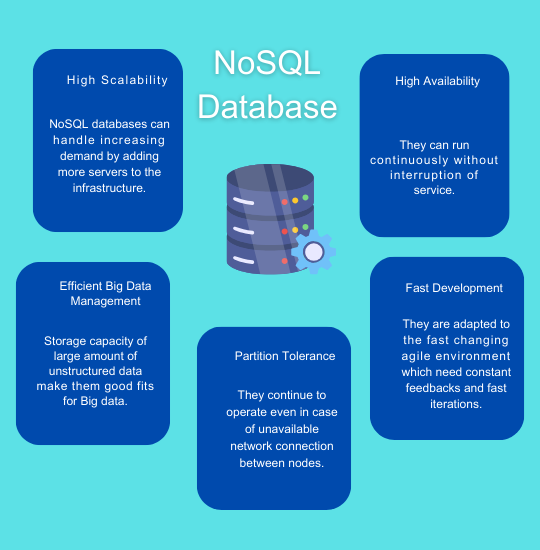
Imagine traditional SQL databases as neatly organized filing cabinets, while NoSQL databases are like flexible storage bins. Traditional databases struggle with the unstructured and diverse nature of big data. NoSQL databases, on the other hand, offer greater flexibility and scalability, readily accommodating different data types and formats. They’re ideal for storing social media posts, sensor readings, and other non-traditional data sources.
5. Cloud Platforms: The Scalable Infrastructure
Think of cloud platforms like Google Cloud Platform or Amazon Web Services as the expansive canvas on which Big Data architects build their data infrastructure. These platforms offer on-demand access to virtual servers, storage, and other resources, allowing architects to scale their systems up or down as needed. This flexibility and cost-effectiveness make cloud platforms crucial for building robust and adaptable big data infrastructures.
Beyond the Tools
These technologies are just instruments in the hands of a skilled Big Data architect. Their real power lies in the architect’s ability to select the right tools for the job, combine them into an efficient workflow, and ensure smooth data flow from ingestion to analysis. They act as conductors, orchestrating the data symphony across platforms and technologies and extracting the valuable insights hidden within the data’s cacophony.
By understanding the strengths and weaknesses of each technology, Big Data architects can design systems that handle the ever-growing volume, velocity, and variety of data in today’s world. Whether it’s optimizing marketing campaigns, predicting customer behavior, or identifying operational inefficiencies, these technological tools, wielded by the expertise of Big Data architects, are shaping the data-driven future of every industry.
Conclusion
In the age of big data, information is not just power; it’s the very fabric of how we live, work, and make decisions. But data, in its raw state, is like a vast, uncharted ocean—gloomy and full of hidden potential. It’s the Big Data Architect who acts as the navigator, charting the course, building the bridges, and guiding us toward the invaluable insights buried within.
These masterminds of the data age are much more than just technologists. They are strategists, translators, and visionaries who understand the language of both machines and humans. They possess the technical prowess to design and implement complex data infrastructure, the analytical ability to unlock hidden patterns in chaos, and the business acumen to translate those insights into tangible outcomes.
They are the architects of the future, where every decision is fueled by data-driven precision, where customer experiences are crafted with laser-sharp personalization, and where operational efficiency soars to unprecedented heights. Their work not only drives revenue and optimizes business processes but also shapes the fabric of our daily lives – from predicting traffic patterns to personalizing healthcare interventions.
The world of Big Data architecture is not just a career path; it’s an invitation to be a part of something bigger. It’s an opportunity to be at the forefront of innovation, solve complex challenges, and shape the future with the power of information.
If you’re looking for a career that is both intellectually stimulating and deeply impactful, look no further. The world of Big Data architecture awaits, with its vast oceans of information and the promise of shaping the insights that will guide us all toward a brighter tomorrow.

In our rapidly evolving digital landscape, the question ‘What is Data Science’ echoes through the corridors of innovation. It is not merely a buzzword but a transformative field that plays a pivotal role in extracting meaningful insights from vast sets of data.
Let’s delve into the intricacies of Data Science, exploring not only what it is but also its components, applications, challenges, and the profound impact it has on various industries.
At its core, Data Science is an interdisciplinary field that utilizes scientific methods, processes, algorithms, and systems to extract knowledge and insights from structured and unstructured data. It combines elements of statistics, mathematics, and computer science to analyze and interpret complex data sets.
Key Components of Data Science
One of the most effective tools for tackling some of the most important issues facing the world nowadays is Data Science. From developing new medical treatments to improving business efficiency, data scientists are using their skills to make a real difference in the world.

This text will explore the key components of data science, including statistics and mathematics, programming and coding, and domain knowledge. We will also discuss how these components work together to enable data scientists to extract insights from data and make informed decisions.
1. Statistics and Mathematics
The foundation of Data science lies in statistics and mathematics. Professionals in this field leverage statistical models to identify patterns, trends, and correlations within data, providing a solid basis for decision-making.
2. Programming and Coding
Proficiency in programming languages such as Python and R is crucial for a data scientist. These languages facilitate data manipulation, analysis, and the implementation of machine learning algorithms.
3.Domain Knowledge
Beyond technical skills, domain knowledge is essential. Data scientists must understand the industry they are working in to generate relevant insights and contribute meaningfully to decision-making processes.
Applications of Data Science
Data science is a rapidly evolving field with a wide range of applications in various sectors. From business analytics to healthcare to social media, data science is transforming the way we work and live.
Business Analytics
Data science plays a crucial role in business analytics, providing actionable insights for strategic planning. By analyzing data on customer behavior, market trends, and financial performance, data scientists can help businesses make informed decisions about product development, marketing campaigns, and resource allocation.
For example, data science can be used to:
Determine which customer segments to target with personalized advertising strategies.
Predict customer churn and take steps to retain them.
Optimize supply chains and reduce costs.
Develop new products and services that meet customer needs.
Healthcare
In healthcare, data science is used to improve patient care and develop new medical treatments. By analyzing data on patient demographics, medical history, and treatment outcomes, data scientists can identify patterns and trends that can be used to predict disease risk, develop personalized treatment plans, and improve the quality of care.
For example, data science can be used to:
Develop predictive models to identify patients at risk of certain diseases.
Develop personalized treatment plans based on a patient’s individual characteristics.
Improve the efficiency of clinical trials.
Speed up the creation of new medications and treatments.
Finance
The finance industry benefits from data science through fraud detection, risk management, and algorithmic trading. Data scientists use data on financial markets, customer transactions, and risk factors to develop algorithms that can identify fraudulent activity, assess risk, and make investment decisions.
Data science, for instance, can be applied to:
Detect and prevent fraudulent transactions.
Assess the creditworthiness of borrowers.
Develop algorithmic trading strategies.
Manage investment portfolios.
Social Media
Social media platforms utilize data science for user engagement, content recommendation, and targeted advertising. Algorithms analyze user behavior, such as the pages they visit, the posts they like, and the people they follow, to deliver personalized experiences.
Data science, for instance, can be applied to:
Recommend content to users that is likely to interest them.
Display advertisements to users based on their interests.
Identify and remove harmful content, such as hate speech and misinformation.
The Data Science Process
The data science process is a systematic approach to extracting insights from data. It involves four key steps:
Data Collection: The first step is to collect relevant data from a variety of sources. This may include databases, surveys, social media, and sensors. The data should be aligned with the objectives of the analysis.
Data Cleaning and Preprocessing: Raw data often contains errors and inconsistencies. Data scientists use a variety of techniques to clean and preprocess the data to ensure accuracy and reliability. This may involve removing errors, filling in missing values, and converting the data into a consistent format.
Data Analysis: Data analysis involves exploring and interpreting the data using statistical methods and machine learning algorithms to identify patterns and trends. This may involve creating visualizations, running statistical tests, and building predictive models.
Model Building and Evaluation: Once the data has been analyzed, data scientists can build models to make predictions or recommendations. These models are typically evaluated on a held-out test set to ensure that they generalize well to new data.
The data science process is iterative. Data scientists may need to go back and forth between the different steps as they learn more about the data and their objectives.
Example
A data scientist might be hired by a company to help them understand their customer behavior. The data scientist would first collect data on customer demographics, purchase history, and website interactions. They would then clean and preprocess the data to ensure that it is accurate and reliable.
Next, the data scientist would analyze the data to identify patterns and trends. They might use statistical methods to segment customers into different groups or machine learning algorithms to build predictive models to predict customer churn.
Finally, the data scientist would build and evaluate models to make recommendations to the company on how to improve customer retention. They might recommend targeted marketing campaigns, loyalty programs, or changes to the company’s website or product offerings.
The data science process is a powerful tool for extracting insights from data and solving real-world problems. By understanding the different steps involved, we can better appreciate the value of data science and the impact that it can have on our lives.
Common Tasks that Data Scientists Perform
Data scientists use a variety of tools and techniques, including statistics, machine learning, artificial intelligence, and computer science. They also need to have a deep understanding of the business domain in which they are working in order to ask the right questions and extract the most relevant insights from the data.
Collect and prepare data: Data scientists typically start by collecting data from a variety of sources, such as databases, surveys, and social media. The data must be cleansed and made ready for analysis after it has been gathered. This may involve removing errors, formatting the data consistently, and filling in missing values.
Analyze data: Data scientists use a variety of statistical and machine-learning techniques to analyze the data. They may use this analysis to identify patterns and trends, build predictive models, or segment customers.
Visualize data: Data scientists use data visualization tools to create charts, graphs, and other visuals that communicate the insights from the data in a clear and concise way.
Skills Required for a Data Scientist
Data scientists are in high demand across a wide range of industries, from healthcare to finance to technology. To be successful in this field, it is important to have a combination of technical and soft skills.
Technical Skills
The following are some of the most important technical skills for data scientists:
Programming languages: Data scientists need to be proficient in at least one programming language, such as Python, R, or Scala. These languages are used for data manipulation, analysis, and machine learning.
Data manipulation: Data scientists need to be able to clean, prepare, and manipulate data sets. This includes removing errors, formatting the data consistently, and filling in missing values.
Machine learning: Machine learning is a key component of data science. Data scientists need to have a good understanding of machine learning algorithms and be able to apply them to solve real-world problems.
Soft Skills
In addition to technical skills, data scientists also need to have strong soft skills. Some of the most important soft skills for data scientists include:
Analytical skills: Data scientists need to be able to interpret complex data sets and identify patterns and trends. They must also possess the ability to solve problems and think critically.
Communication skills: Data scientists need to be able to communicate their findings effectively, both to technical and non-technical audiences. They must be able to concisely and effectively communicate difficult ideas.
Teamwork skills: Data scientists often work as part of a team with other data scientists, engineers, and product managers. They need to be able to collaborate effectively and share their knowledge with others.
Data scientists play a crucial role in helping organizations make informed decisions. By developing a combination of technical and soft skills, aspiring data scientists can position themselves for success in this exciting and growing field.
Challenges in Data Science
Data science is a rapidly evolving field with the potential to solve some of the world’s most pressing problems. However, it also comes with its own set of challenges, such as big data management, privacy concerns, and the interpretability of models.
This text will explore the challenges in data science and discuss how they can be addressed. We will also discuss the importance of using data science responsibly and ethically.
1.Challenges in Data Science
Data science is a powerful tool with immense potential to solve real-world problems. It does, however, come with a unique set of difficulties.
2. Big Data Management
One of the biggest challenges in data science is big data management. The amount of data that is collected and stored is growing exponentially, and traditional data management solutions are often inadequate to handle this big data. Data scientists need to adopt scalable solutions to store, process, and analyze big data effectively.
3.Privacy Concerns
Another challenge in data science is privacy concerns. As data collection becomes more pervasive, individuals are becoming increasingly concerned about their privacy. Data scientists need to strike a balance between data utilization and individual privacy. This means using data responsibly and ethically, and ensuring that individuals have control over their own data.
4. Interpretability of Models
Some machine learning models are very complex, and it can be difficult to understand how they make predictions. This lack of interpretability can make it difficult to trust the model predictions and to identify potential biases in the model. Data scientists need to develop methods to improve the interpretability of machine learning models.
In addition to these challenges, data scientists also face challenges in finding skilled talent and collaborating with other stakeholders in the organization.
5.Addressing the Challenges
There are a number of things that can be done to address the challenges in data science.
Big Data Management: Data scientists can adopt scalable solutions such as cloud computing and distributed computing to manage big data. They can also use data compression and other techniques to reduce the size of the data.
Privacy Concerns: Data scientists can use anonymization and pseudonymization techniques to protect the privacy of individuals. In order to obtain and use people’s data, they can also get their consent.
Interpretability of Models: Data scientists can use explainable AI (XAI) methods to improve the interpretability of machine learning models. They can also develop models that are simpler and easier to understand.
By addressing these challenges, data scientists can help to ensure that data science is used responsibly and ethically to solve real-world problems.
Data Science and Data Analysis
Data science and data analysis are two closely related fields, but they have some key differences.
Data science is a broader field that encompasses data analysis, as well as other areas such as data engineering and machine learning. Data scientists create prediction models, create new algorithms, and glean insights from data using statistical and computational techniques.
Data analysis is a more focused field that involves analyzing data to gain insights and inform business decisions. Data analysts typically use a variety of statistical and data visualization tools to identify patterns and trends in the data, and to communicate their findings to others.
Here is a table that summarizes the key differences between data science and data analysis:
Characteristic
Data Science
Data Analysis
Scope
Broader encompasses data analysis, data engineering, and machine learning
More focused on analyzing data to gain insights and inform business decisions
Skills
Strong statistical and computational skills, as well as knowledge of machine learning and algorithms
Strong statistical and data visualization skills, as well as good business acumen
Tools and techniques
Statistics, machine learning, artificial intelligence, and computer science
Statistics, data visualization tools, and business intelligence tools
Focus
Extracting insights from data and developing new algorithms
On gaining insights from data to inform business decisions
In general, data scientists have a more technical background and are more focused on developing new tools and techniques for data analysis. Data analysts, on the other hand, have a more business-oriented background and are more focused on using data to solve real-world business problems.
However, the lines between data science and data analysis are becoming increasingly blurred. Many data scientists now work on projects that are directly focused on solving business problems, and many data analysts now use machine learning and other advanced techniques in their work.
Ultimately, the best way to decide which field is right for you depends on your skills and interests. If you are interested in developing new tools and techniques for data analysis, then data science may be a good fit for you. If you are more interested in using data to solve real-world business problems, then data analysis may be a better choice.
The Future of Data Science
The future of data science is promising, with continuous advancements and emerging technologies shaping the landscape.
1. Emerging Technologies
Emerging technologies such as artificial intelligence (AI), blockchain, and edge computing are poised to revolutionize the field of data science. AI can be used to develop more sophisticated machine learning models that can learn from data and make predictions more accurately. Blockchain can be used to create secure and decentralized data-sharing networks. Edge computing can be used to analyze data in real-time, closer to where it is generated.
These technologies are opening up new possibilities for data analysis and interpretation. For example, AI-powered data science tools can help researchers identify new drug targets and develop personalized treatment plans for patients. Blockchain-based data-sharing platforms can enable companies to share data securely and collaborate on research projects. Edge computing can be used to analyze sensor data from industrial machines to predict maintenance needs and prevent downtime.
2. Job Opportunities
Data scientists are becoming more and more in demand across all industries. Companies in healthcare, finance, technology, and other sectors are all looking for data scientists to help them make informed decisions and solve real-world problems. The future job market will see an increased need for professionals with expertise in data science.
3. Continuous Learning in the Field
Given the rapid evolution of technology, continuous learning is essential for data scientists to stay updated with the latest tools and methodologies. Data scientists need to be proactive about learning new technologies and skills. They can do this by attending conferences, reading industry publications, and taking online courses.
Data Science Tools and Technologies

Data scientists gather, clean, analyze, and visualize data using a range of instruments and technologies. Among the most widely used instruments and technologies are:
Programming Languages
Python:Data science makes extensive use of this general-purpose programming language. It is renowned for its readability, simplicity, and a large collection of data science tools.
R: R is a software environment and programming language created especially for statistical computing and graphics. Because of its robust statistical skills and extensive library of programs for data analysis and visualization, it is well-liked by data scientists.
Database Management Systems
SQL: SQL (Structured Query Language) is a programming language used to communicate with and manipulate data in relational database management systems. It is essential for data scientists to be able to use SQL to extract data from databases for analysis.
Machine Learning Libraries
TensorFlow: TensorFlow is an open-source software framework that uses data flow graphs to do numerical calculations. It is frequently employed in the creation and instruction of machine learning models.
Scikit-learn: For the Python programming language, Scikit-learn is a free machine learning package. It has several different machine-learning techniques, such as dimensionality reduction, clustering, regression, and classification.
Data Visualization Tools
Tableau: Tableau is a data visualization software package that allows users to create interactive dashboards and reports. It is popular among data scientists for its ease of use and powerful visualization capabilities.
Power BI: Power BI is a business intelligence and data visualization platform from Microsoft. It offers a wide range of features for data analysis and visualization, including interactive dashboards, reports, and maps.
These are just a few of the many tools and technologies that data scientists use in their work. The specific tools and technologies that a data scientist uses will depend on the specific tasks that they are working on and their personal preferences.
In addition to the tools and technologies listed above, data scientists may also use other tools such as cloud computing platforms (e.g., AWS, Azure, GCP), big data processing platforms (e.g., Apache Hadoop, Apache Spark), and natural language processing (NLP) libraries (e.g., NLTK, spaCy).
Data scientists are constantly using new tools and technologies to improve their work. By staying up-to-date with the latest trends and developments, data scientists can position themselves for success in this exciting and growing field.
Data Science in the Age of Digital Transformation
Data science is a driving force behind the ongoing digital transformation across industries. It is enabling organizations to innovate, grow their businesses, and improve their customer experiences.
1. Role in Innovation
Data-driven innovation is at the forefront of digital transformation. Data scientists are using data to develop new business models, products, and services. For example, Netflix uses data to recommend movies and TV shows to its users, and Amazon uses data to recommend products to its customers.
New technologies are also being developed using data science. For example, data scientists are using data to develop self-driving cars, improve medical diagnostics, and create new financial products and services.
2. Driving Business Growth
Companies that embrace data science gain a competitive edge by leveraging insights to drive innovation, improve customer experiences, and optimize operations.
For example, Walmart uses data to optimize its supply chain and reduce costs. Airbnb uses data to improve its search algorithm and make it easier for travelers to find the perfect place to stay. And Spotify uses data to personalize its music recommendations for each user.
Data science is also being used to improve customer service. For example, banks are using data to detect fraud and prevent identity theft. Airlines are using data to predict flight delays and cancellations so that they can better communicate with passengers.
How to Learn Data Science on Your Own
The allure of data science is undeniable: unraveling hidden patterns, extracting insights, and shaping the future with the power of information. But where do you start if you’re driven to embark on this exciting journey, but lack a formal background or structured program?
Fear not, aspiring data warrior, for the path to self-taught mastery is paved with resources and opportunities. Here’s your roadmap to kickstart your data science adventure:
1. Foundational Pillars:
Math & Statistics: These are the cornerstones of data analysis. Start with basic statistics, then delve into probability, linear algebra, and calculus. Online courses, textbooks, and practice problems are your allies.
Programming: Python and R reign supreme in data science. Choose one and dive in! Interactive tutorials, coding challenges, and online communities can guide your progress.
2. Data Wrangling Wizards:
Databases: Understand how data is stored and accessed. Explore SQL, the lingua franca of relational databases, through online tutorials and practice platforms.
Data Cleaning & Manipulation: Learn to wrangle messy data into usable form. Master data cleaning techniques and explore libraries like Pandas (Python) and dplyr (R).
3. Unveiling the Magic:
Machine Learning: This is where data transforms into predictions and insights. Start with supervised learning basics like linear regression and decision trees. Online courses, platforms like Kaggle, and open-source libraries like scikit-learn (Python) and caret (R) are your playgrounds.
Data Visualization: Tell compelling stories with your data. Explore libraries like Matplotlib (Python) and ggplot2 (R) and learn visualization best practices.
4. Sharpen Your Tools:
Projects are your weapons: Don’t just learn, do! Find datasets online, participate in hackathons, or create your own project. This is where you solidify your skills and showcase your potential.
Community is your compass: Connect with other aspiring data scientists through forums, online groups, and meetups. Share knowledge, ask questions, and learn from each other’s experiences.
Remember: The journey is continuous. Stay curious, embrace challenges, and never stop learning. With dedication, the world of data science awaits your exploration.
Conclusion
In conclusion, Data Science is a dynamic field that continues to shape our digital landscape. From predictive analytics to machine learning, its applications are diverse and impactful. As industries undergo digital transformation, the demand for skilled data scientists will only increase. However, with great power comes great responsibility. Ethical considerations must be prioritized to ensure the responsible use of data and avoid biases in algorithms. Whether you’re an aspiring data scientist or a business leader, understanding the nuances of Data Science is crucial in navigating the data-driven future.
FAQs
Is a formal education in data science necessary to pursue a career in the field?
While formal education provides a structured foundation, many successful data scientists have gained expertise through online courses and self-directed learning.
How can Data Science benefit traditional industries like manufacturing?
Data Science optimizes processes in manufacturing by analyzing data to improve efficiency, reduce costs, and enhance overall productivity.
What role does ethics play in the practice of Data Science?
Ethics are paramount in Data Science to ensure responsible data use, avoid bias in algorithms, and protect individual privacy.
Are there specific industries where the demand for data scientists is particularly high?
Yes, industries such as finance, healthcare, and technology have a high demand for data scientists due to their reliance on data-driven decision-making.
What are some emerging technologies that will impact the future of Data Science?
Artificial intelligence, blockchain, and edge computing are poised to revolutionize Data Science, opening new avenues for analysis and interpretation.