In an era where technology and innovation shape our world, ensuring our children are equipped with STEM (Science, Technology, Engineering, and Math) skills is paramount. Engaging kids in these subjects can be a challenge, which is where robotics kits come into play.
Not just toys, these stem robotics kits are educational tools that combine science, engineering, and logic, allowing children to build and program their robots. Whether it’s a simple set of building blocks that turn into a moving robot or a more complex construction with advanced programming features, robotics kits are the perfect blend of fun and learning.
In this article, we will discuss the top 5 STEM robotic kits available on the market, as well as the significance and advantages of these kits.
The Importance of Early STEM Engagement
Early exposure to STEM concepts can open doors to a lifetime of discovery and innovation. These kits are designed to introduce young minds, as young as five years old, to problem-solving, coding, engineering principles, and other critical skills.
They are not just building kits; they are gateways to the future of work, technology, and limitless creativity. With this in mind, we present a hand-selected list of the top 5 STEM robotics kits for beginners that are sure to educate and inspire the next generation of engineers, programmers, and innovators.
Benefits of STEM Robotics Kits for Children
Robotic kits for kids offer an array of benefits that extend beyond just entertainment. Here’s a closer look at the advantages they provide:
1. Develop Problem-Solving Skills: Every robotics kit is a puzzle waiting to be solved. Through building and programming robots, children learn the importance of perseverance and trial-and-error, which are essential in finding solutions to complex problems.
2. Boosts Critical Thinking and Creativity: Robotic kits encourage kids to think outside the box; by following instructions and then modifying their creations, they tap into their creativity to make something unique.
3. Enhances Logical Reasoning and Coding Skills: Coding is the language of the future, and these kits provide a gentle introduction to this essential skill. By giving commands to their robots, children learn basic coding principles intuitively.
4. Introduces Engineering Principles and Mechanics: Robotic kits often include elements from engineering like gears, levers, and sensors, giving children hands-on experience with these fundamental mechanical concepts.
5. Improves Hand-Eye Coordination and Fine Motor Skills: Assembling and programming a robot involves delicate spatial awareness and hand-eye coordination, skills that are refined through continuous play.
6. A Fun and Engaging Way to Learn: Above all, these kits are designed to be enjoyable. The joy of seeing a creation come to life is rewarding and serves as a powerful incentive for further learning.
Top 5 STEM Robotics Kits on the Market
Now that we’ve established the benefits of STEM robotics kits and the factors to consider when purchasing one, it’s time to browse through our top 5 picks. These kits have been selected based on their educational value, user-friendliness, and, of course, fun factor.
Here are the top 5 STEM robotics kits for future engineers and innovators:
LEGO is a household name when it comes to building blocks, but their Mindstorms EV3 takes things to the next level. Recommended for ages 10+, this kit allows children to build and program their robots using LEGO bricks, motors, sensors, and a programmable brick.
The accompanying software is user-friendly, making it easy for children to code their robots to follow commands and complete tasks. With the bonus of being able to build multiple robot models with just one kit, the LEGO Mindstorms EV3 is truly a versatile and engaging tool for STEM education.
The Sphero SPRK+ is a spherical robot designed to inspire creativity and curiosity in children. It can be programmed using a visual drag-and-drop interface or using the text-based coding language, allowing kids of all ages and skill levels to participate. With the ability to control its movements, change colors, and even create mazes for it to navigate through, the Sphero SPRK+ is a fun and interactive way to learn about coding, robotics, and physics.
Here’s what makes the Sphero SPRK+ so engaging:
Multiple Coding Levels: Whether your child is a complete beginner or has some coding experience, the Sphero SPRK+ can adapt. The drag-and-drop interface allows for intuitive programming with visual blocks, while text-based coding offers a deeper challenge for more advanced learners.
STEAM Learning: The SPRK+ goes beyond just coding. By controlling the robot’s movements and lights, kids can experiment with concepts of motion, speed, and cause-and-effect, all while building their spatial reasoning skills.
Open-Ended Play: The Sphero SPRK+ isn’t just for pre-programmed routines. The possibilities are endless! Kids can create their own games, and obstacle courses, and even use multiple SPRK+ robots to work together.
Community Engagement: The Sphero Edu app, which controls the SPRK+, features a community section where kids can share their creations, get inspired by others, and learn from more experienced coders.
With the Sphero SPRK+, learning becomes an engaging and interactive experience, sparking a lifelong love of STEM subjects in children.
Electricity & Magnetism Edition is a powerhouse of learning disguised as endless fun. Designed for kids aged 8–12, this kit ignites a passion for science through hands-on exploration of electricity and magnetism.
Unleash the Inner Engineer
This jam-packed kit boasts over 100 components, including wires, bulbs, switches, and more. With these tools, young scientists can embark on a journey of building 30+ incredible projects! From crafting an electrifying electromagnetic crane to constructing a fascinating electroscope, the possibilities are limited only by their imagination.
Learning Amplified
Forget rote memorization! The ButterflyEdufields kit fosters a love for science through an engaging, interactive approach. Kids learn by doing, actively building and experimenting with each project. This not only deepens their understanding of scientific concepts but also hones critical problem-solving and critical thinking skills.
This kit’s benefits extend far beyond the realm of science. It fosters creativity, encouraging children to think outside the box and design their own unique experiments. Plus, it offers a fantastic alternative to screen time, promoting collaboration and imaginative play.
The Makeblock mBot is a versatile robot that can be built in just 10 minutes using the included instructions and tools. It can be programmed using either Scratch, a visual programming language, or Arduino, a text-based coding language. With a variety of sensors and add-ons available, the possibilities for creativity and learning with this kit are endless.
Build, Code, Play!
The mBot is a breeze to assemble, taking just 15 minutes with clear instructions. As kids build, they’ll gain valuable knowledge about electronics, robotics, and different mechanical components. But the fun doesn’t stop there! Once built, the mBot transforms into a remote-controlled car with impressive features like line-following and obstacle avoidance.
Learning Made Easy
The Makeblock mBot doesn’t just entertain, it educates! With included coding lessons and free software (mBlock), kids can learn to code step-by-step using Scratch or Arduino, popular programming languages. Three free Makeblock apps allow them to explore remote control functions, play coding games, and create their own unique programs.
The Makeblock mBot Robot Kit is the ideal gift for any curious child. It’s a guaranteed recipe for fun, sparking a lifelong love of learning and opening doors to the exciting world of STEM. Give the gift of creativity and codability with the Makeblock mBot!
Calling all future engineers and robot masters! The JIMU Robot BuilderBots Kit is here to ignite your child’s passion for STEM (Science, Technology, Engineering, and Math) through interactive building and coding fun.pen_spark
More Than Just Blocks
This award-winning kit (Tillywig Brain Child Award winner, no less!) goes beyond traditional building sets. With 357 snap-together parts, motors, and sensors, kids can create two pre-designed robots—GrabberBot and DigBot—or unleash their imagination and design their own unique JIMU creation.
Coding Made Easy
The fun doesn’t stop at building! The JIMU app empowers kids to bring their robots to life with easy-to-use Blockly coding. They can program their creations to navigate obstacles, pick up objects, and perform amazing actions—all through intuitive drag-and-drop commands.
These are just some of the many STEM robotics kits available on the market. Each one offers a unique hands-on learning experience that combines science, technology, engineering, and math in a fun and engaging way.
Embarking on the STEM Journey
The selection of the right STEM robotics kit is the first step in your child’s educational and developmental journey. These kits offer more than just a chance to play; they provide an opportunity to learn, explore, and set the stage for a future in STEM-related fields.
For parents and educators looking to cultivate a child’s passion for technology and the sciences, a robotics kit is a fitting and future-forward investment. When choosing a kit, be sure to consider not only the present enjoyment but also the potential for long-term skill development. By engaging children early in these disciplines, we can lay the foundation for a future that is rich in innovation and discovery.
As our world becomes increasingly driven by technology, these kits are a valuable investment in our children’s future as engineers, innovators, and problem-solvers. So why wait? Start exploring the exciting world of robotics with your child today! Happy building!
In a world increasingly driven by technology, fostering a love for science, technology, engineering, and math (STEM) in children has become more important than ever. But how can we ignite a passion for these complex subjects?
Enter the exciting world of STEM robots! The field of robotics has undergone a significant transformation in recent years. These advanced machines, which combine principles from science, technology, engineering, and mathematics, have revolutionized various industries and sparked a new era of innovation.
STEM robots are now used in fields such as healthcare, manufacturing, and education, with the potential to greatly improve efficiency and productivity. The rapid development and integration of these robots into our daily lives raise intriguing questions about the future of technology and its impact on society.
In this article, we will delve into the rise of STEM robots, their types and capabilities, and the potential implications for the future. Now, we’ll delve into the transformative power of STEM robots, exploring the scientific evidence and real-world benefits they offer for children’s development.
The Power of Playful Learning with STEM Robots
Learning shouldn’t feel like a chore. STEM robots excel at transforming complex concepts into captivating experiences that ignite a love for knowledge in children. Research has consistently shown that playful learning with STEM robots fosters a multitude of benefits, nurturing young minds in remarkable ways.
Spark Curiosity and Creativity: STEM robots are inherently captivating. Their ability to move, interact with their surroundings, and respond to commands fuels a sense of wonder and a desire to explore. This natural curiosity translates into creative problem-solving as children experiment with different functionalities and programming possibilities.
Boost Critical Thinking and Problem-Solving Skills: At their core, robots are intricate puzzles waiting to be solved. Whether it’s navigating an obstacle course or constructing a specific sequence of movements, STEM robots challenge children to think critically and develop effective problem-solving strategies.
Nurture Collaboration and Teamwork: Many STEM robots are designed for collaborative play. Children can work together to build, program, and operate their robots, fostering teamwork skills and communication as they strategize and tackle challenges together.
Bridge the Gap Between Imagination and Reality: STEM robots empower children to bring their imaginative ideas to life. By physically constructing and programming robots, they witness the tangible results of their creative vision, solidifying their understanding of STEM concepts.
Develop Essential STEM Skills: From familiarizing themselves with basic coding principles to understanding the principles of mechanics and sensors, STEM robots provide a fun and interactive way to develop crucial foundational skills in science, technology, engineering, and math.
The benefits don’t stop there! STEM robots can also enhance hand-eye coordination, perseverance, and a sense of accomplishment. They can even cater to specific learning styles, offering a unique and engaging approach to education.
Now, we’ll unveil the exciting world of STEM robots in all their diversity, exploring the different types available and their suitability for various age groups.
Exploring Different Types of STEM Robots
With a dazzling array of STEM robots available, choosing the perfect one for your child can feel overwhelming. But fear not! This section will unveil the diverse landscape of STEM robots, categorized by complexity and age-appropriateness, making your decision a breeze.
A. Pre-built Robots for Budding Inventors (Ages 4-7):
Ideal for younger children, pre-built robots offer an exciting entry point into the world of STEM. These captivating companions come ready-to-play, often featuring vibrant colors, playful sounds, and interactive features. While pre-programmed for specific functions, many offer simple controls that allow children to explore basic coding concepts like sequencing and cause-and-effect.
Through engaging interactions with these robots, young minds develop crucial skills like color and shape recognition, problem-solving through trial and error, and an understanding of directional movement.
B. Build-it-Yourself Kits for Aspiring Engineers (Ages 8-12):
As children mature, their thirst for challenge grows. Build-it-yourself kits cater to this desire, offering a rewarding hands-on experience. These kits typically come with pre-fabricated parts that snap together, allowing children to construct their very own robots.
The difficulty level varies, with some kits offering step-by-step instructions for simpler builds, while others encourage creative exploration with more open-ended designs. Building these robots hones critical thinking, spatial reasoning, and fine motor skills. The sense of accomplishment upon completing the construction further fuels a child’s confidence and inspires them to tackle new challenges.
C. Coding Robots for Tech-Savvy Learners (Ages 10 and Up):
For children ready to delve deeper into the world of technology, coding robots offer a thrilling introduction to programming. These robots often come equipped with apps or software platforms that allow children to create custom commands and program their robots to perform specific actions.
By engaging with basic coding concepts like loops, conditional statements, and functions, children develop computational thinking skills – a valuable asset in today’s technology-driven world. The possibilities for these robots are virtually endless, allowing children to create robots that navigate mazes, draw pictures, or even respond to voice commands.
How STEM robots are revolutionizing education
As we look to the future of education, STEM robots are emerging as a powerful tool in revolutionizing the way students learn and engage with scientific and technological concepts.
These innovative robots provide hands-on experiences that actively involve students in the learning process, fostering critical thinking, problem-solving, and collaboration skills. By integrating STEM robots into classrooms, educators can create an immersive learning environment where students can experiment, explore, and apply their knowledge in real-world contexts.
These robots offer interactive programming interfaces, allowing students to code and control their actions, providing an engaging and interactive way to understand complex STEM topics. Moreover, STEM robots promote inclusivity by catering to different learning styles, allowing students to learn at their own pace and encouraging creativity and innovation.
By embracing STEM robots in education, we can ignite a passion for science, technology, engineering, and mathematics in the next generation, preparing them for the challenges and opportunities of the digital age.
The future of automation and robotics.
In the foreseeable future, automation and robotics are poised to continue their rapid advancements, transforming industries and reshaping the way we work. As technology continues to evolve, we can expect to see even more sophisticated robots that are capable of understanding and adapting to complex environments.
These robots will possess enhanced artificial intelligence and machine learning capabilities, enabling them to make autonomous decisions and perform tasks that were once exclusively reserved for humans. With the integration of Internet of Things (IoT) technology, these robots will be able to seamlessly connect and communicate with other devices, allowing for unprecedented levels of coordination and collaboration.
Additionally, advancements in robotics will also extend to the realm of personal robotics, where robots will become more prevalent in our daily lives, aiding in household chores, providing companionship, and even assisting in caregiving.
The future of automation and robotics holds tremendous potential for enhancing efficiency, improving safety, and unlocking new possibilities across a wide range of industries.
Getting Started with STEM Robotics
The captivating world of STEM robots isn’t just for children! For curious adults and hobbyists yearning to delve deeper into robotics, the possibilities are endless. Whether you dream of building your own robots or mastering the art of robot programming, this section equips you with the essential resources to embark on your exciting journey.
A Glimpse into the Building Blocks:
Before diving in, let’s take a quick peek under the hood. Robots, at their core, are a fascinating combination of hardware and software. Here are some of the key components you’ll encounter:
Motors: These are the tiny engines that bring your robot to life, allowing it to move and interact with its surroundings. Different types of motors exist, each suited for specific tasks.
Sensors: These act as the robot’s eyes and ears, collecting information about the environment. Light sensors detect light levels, distance sensors measure proximity, and touch sensors respond to physical contact. These sensory inputs allow robots to react and adapt to their surroundings.
Controllers: Think of these as the robot’s brain. Controllers receive signals from sensors and user commands, then process that information to instruct the motors on how to move. Some controllers are pre-programmed, while others can be customized using software platforms.
Building Your Robotics Journey:
The world of robot building and programming is an exciting playground for the curious mind. Here’s a roadmap to get you started:
Embrace the Power of Online Learning: The internet is brimming with valuable resources for aspiring robot builders and programmers. Numerous online tutorials cater to all skill levels, offering step-by-step guides on building specific robots or teaching essential programming languages commonly used in robotics, like Python or Arduino. Learning platforms like Coursera and edX offer comprehensive courses on robotics fundamentals and advanced concepts.
Connect with the Robotics Community: You don’t have to embark on this journey alone! A wealth of online robot builder communities and forums exist, where passionate enthusiasts share knowledge, troubleshoot problems, and inspire each other. These communities are a fantastic resource for finding answers to your questions, learning from experienced builders, and staying up-to-date on the latest advancements in the field.
Gather Your Tools and Materials: Once you’ve identified your project and learning resources, it’s time to gather the necessary tools and materials. Many online retailers specialize in robotics components, offering everything from pre-made kits to individual motors, sensors, and controllers. You can also find starter kits that include all the essential components you need to get started on your first robot building project.
Conclusion
The captivating world of STEM robots offers a playground for both budding minds and curious adults. These remarkable creations seamlessly blend playtime with powerful learning experiences, igniting a passion for science, technology, engineering, and math (STEM) in individuals of all ages.
Whether it’s the joy of interacting with a pre-built robot or the rewarding challenge of building and programming their own creations, STEM robots instill a sense of wonder and a desire to explore. They nurture critical thinking, problem-solving skills, and computational thinking – essential assets for navigating today’s ever-evolving world.
This comprehensive guide has unveiled the vast potential of STEM robots. Parents and educators are equipped with the knowledge to choose the perfect robot companion that sparks a child’s lifelong love of STEM learning.
Explore the resources provided, delve into popular robot kits, and find the ideal tool to ignite that spark of curiosity. Hobbyists and enthusiasts are empowered to take the first step in their robotics journey. Embrace online tutorials, connect with passionate communities, and gather the tools necessary to bring your creative visions to life.
How have advancements in STEM technology contributed to the development of robots in various industries?
Advancements in STEM technology have significantly contributed to the development of robots in various industries by enabling the creation of more sophisticated sensors, actuators, and programming languages that enhance robots’ capabilities and efficiency. These advancements have allowed robots to perform complex tasks with precision, speed, and accuracy, ultimately improving productivity, safety, and resource utilization in industries such as manufacturing, healthcare, agriculture, and transportation. Additionally, developments in AI and machine learning have further empowered robots to learn, adapt, and communicate effectively in dynamic environments, paving the way for increased automation and innovation across different sectors.
What are the potential benefits and drawbacks of relying on STEM robots for tasks traditionally performed by humans?
Using STEM robots for tasks traditionally done by humans can increase efficiency, reduce errors, and improve safety in hazardous environments. However, drawbacks include job displacement, loss of human touch, and potential ethical concerns related to autonomy and decision-making. Striking a balance between automation and human involvement will be crucial to maximize benefits while addressing these challenges.
How are STEM robots being utilized in fields such as healthcare, manufacturing, and agriculture?
STEM robots are being utilized in healthcare to assist with surgery, patient care, and medication management. In manufacturing, they are used for automation, quality control, and assembly line tasks. In agriculture, STEM robots are employed for precision farming, planting, harvesting, and monitoring crop health. They help increase efficiency, reduce human error, and improve overall productivity in these industries.
What ethical considerations should be taken into account when designing and deploying STEM robots?
When designing and deploying STEM robots, ethical considerations such as privacy protection, ensuring safety, avoiding reinforcement of harmful stereotypes, promoting inclusivity and diversity, transparency in decision-making algorithms, and addressing potential job displacement should be taken into account. It is crucial to prioritize ethical principles to ensure that STEM robots are developed and used in a responsible and respectful manner that benefits society as a whole.
How can individuals prepare for a future workforce increasingly reliant on STEM robots for automation and efficiency?
Individuals can prepare for a future workforce by developing skills that complement automation, such as critical thinking, problem-solving, creativity, and adaptability. Continuous learning and upskilling in STEM fields can also help individuals stay competitive in a job market that values technological proficiency. Embracing lifelong learning, staying updated on industry trends, and cultivating a growth mindset are essential for success in a workforce where automation and robotics play a significant role. Additionally, building strong interpersonal skills and emotional intelligence can differentiate individuals in roles that require human interaction and collaboration, areas where robots may struggle to replace human workers.
Knee pain holding you back? Dive into this Robotic knee replacement surgery guide to understand the procedure, benefits, recovery process, and how to decide if it’s the key to reclaiming your active life. Take control of your knee health today!
The days of invasive, excruciating knee surgeries are gradually fading into the past. A new era of precision and comfort has arrived, spearheaded by the innovative technology of robotic knee replacement surgery.
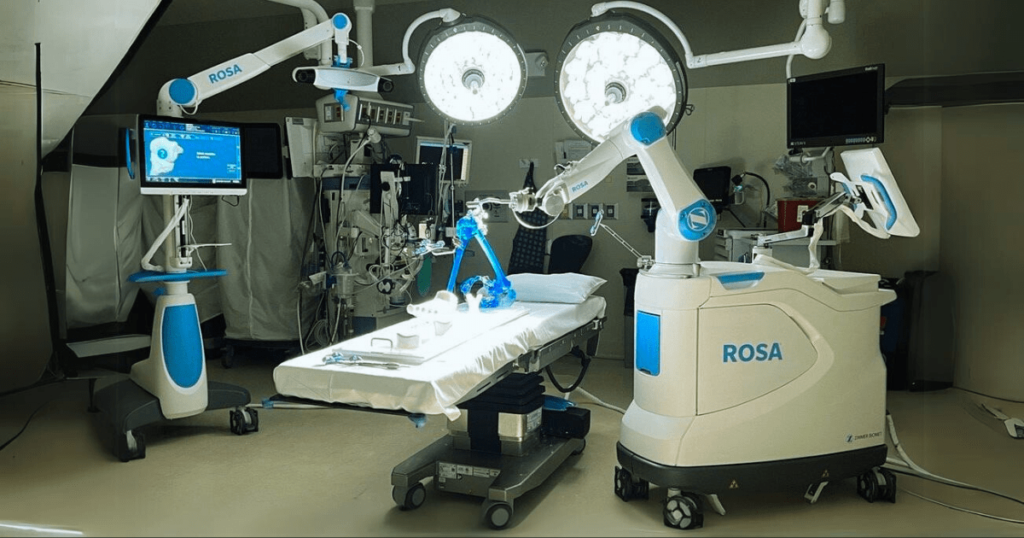
Robotic knee replacement uses a surgeon-guided robotic arm for precise bone preparation and implant placement, aiming for faster recovery and improved joint function.
Imagine this: a surgeon guiding a robotic arm with unwavering accuracy, meticulously placing and aligning your new knee joint, all while minimizing tissue damage and maximizing your post-operative comfort. This is the reality of robotic knee replacement, a procedure quickly gaining traction thanks to its unparalleled benefits and transformative outcomes.
Gone are the days of large incisions and extensive blood loss associated with traditional knee replacement. Robotic surgery relies on smaller incisions, allowing for a minimally invasive approach that reduces tissue trauma, minimizes blood loss, and translates to faster recovery times and less pain.
But the advantages extend far beyond speed and comfort. The robotic arm, guided by pre-operative 3D imaging and the surgeon’s expertise, operates with unmatched precision. This translates to perfectly aligned knee components, improved joint function and range of motion, and a significantly lower risk of complications.
So, if you’re struggling with debilitating knee pain and considering surgery, it’s time to explore the cutting edge of joint repair. Robotic knee replacement surgery offers a powerful alternative, ushering in a new era of hope and mobility for patients like you.
In the following sections of this guide, we’ll delve deeper into:
Who is a candidate for robotic knee replacement?
What to expect during the procedure
The key benefits compared to traditional surgery
Recovery and rehabilitation tips
Important factors to consider
This comprehensive guide will equip you with the knowledge and confidence to make informed decisions about your knee health and explore the potential of robotic surgery to regain your freedom and joy in movement.
Who is a Candidate for Robotic Knee Replacement?
Not everyone with knee pain automatically qualifies for robotic knee replacement. This high-tech procedure is best suited for individuals suffering from advanced stages of knee joint degeneration, where non-surgical measures like medication, physical therapy, or injections have proven ineffective.
The primary conditions that often pave the way for robotic knee replacement include:
Severe osteoarthritis: This progressive joint disease causes cartilage breakdown, leading to excruciating pain, stiffness, and limited mobility. When conservative treatments fail to provide relief, and daily activities become significantly impacted, robotic knee replacement surgery can offer a lasting solution.
Rheumatoid arthritis: This autoimmune condition inflames the joint lining, causing swelling, pain, and deformity. In advanced cases, the inflammation can significantly damage the knee joint, warranting surgical intervention.
Post-traumatic arthritis: Following a severe knee injury, such as a fracture or ligament tear, cartilage damage can occur and gradually develop into arthritis. For individuals with persistent pain and joint instability despite rehabilitation, robotic knee replacement can restore function and alleviate pain.
Determining if robotic surgery is the right fit for you involves a comprehensive evaluation by your orthopedic surgeon. This will typically include:
Detailed medical history: Understanding your overall health and previous medical conditions is crucial for assessing surgical suitability.
Physical examination: The surgeon will assess your knee’s range of motion, tenderness, and stability to determine the extent of the damage.
Imaging tests: X-rays and MRIs provide detailed views of the joint structure and cartilage deterioration, aiding in surgical planning.
Blood tests: These assess overall health and rule out any potential complications during surgery.
Additionally, factors like your age, activity level, and overall fitness play a role in determining candidacy. Younger, active individuals who lead demanding lifestyles may benefit more from the precise and durable implants used in robotic surgery.
Ultimately, the decision to proceed with robotic knee replacement is a collaborative one, driven by open communication between you and your surgeon. By carefully evaluating your individual needs and considering all options, you can confidently choose the path to a pain-free, mobile future.
In the next section, we’ll delve deeper into the intricacies of the robotic knee replacement procedure itself, exploring the steps involved and the advanced technology powering it.
Navigating the Choice: Exploring Different Types of Knee Replacement
Your journey towards pain-free movement through knee replacement starts with understanding your options. While robotic technology is revolutionizing the field, it’s crucial to be familiar with the different types of knee replacement surgeries available:
1. Total Knee Replacement (TKR):
The most common type, replacing the entire damaged joint surface with artificial components.
Suitable for patients with advanced arthritis affecting all three compartments of the knee.
Offers significant pain relief and improved mobility.
2. Partial Knee Replacement (PKR):
Replaces only the damaged portion of the knee joint, typically the inner compartment.
Less invasive than TKR, with potentially faster recovery times.
Ideal for patients with early to moderate arthritis focused on a single compartment.
Offers good pain relief and functionality with minimal bone removal.
3. Unicompartmental Knee Arthroplasty (UKA):
Similar to PKR, this replaces only one compartment of the knee, often the medial (inner) side.
Highly specialized procedure requiring specific anatomical conditions.
Offers excellent long-term results for qualified patients, with even faster recovery than PKR.
4. Complex or Revision Knee Replacement:
Addresses complications or failures from previous knee replacements.
Requires specialized techniques and implants to address unique challenges.
Aims to restore joint stability and function after unsuccessful prior surgeries.
5. Patellofemoral Arthroplasty (PFA):
Focuses solely on replacing the kneecap (patella) and the groove it glides in (femoral trochlea).
Suitable for patients with isolated arthritis in the patellofemoral joint.
Minimally invasive, with shorter recovery times than TKR.
6.Robotic-Assisted Knee Replacement (RAKR):
Utilizes a surgeon-guided robotic arm for precise bone preparation and implant placement.
Can be applied to any type of knee replacement (TKR, PKR, UKA, etc.).
Offers potential advantages like increased precision, minimally invasive approach, and faster recovery.
May not be available everywhere due to cost and limited adoption.
The choice between these options depends on several factors:
Severity and location of arthritis
Individual anatomy and bone health
Previous surgeries and medical history
Activity level and lifestyle goals
Open communication with your doctor is key. They will assess your specific case and recommend the type of knee replacement best suited to your needs and expectations. This ensures you embark on the journey towards a pain-free future with the most beneficial and lasting solution.
The Key Steps of The Robotic Knee Replacement Surgery
The day of your robotic knee replacement surgery arrives, and with it, a wave of both excitement and apprehension. Knowing what to expect at each stage can alleviate anxiety and pave the way for a smoother experience. So, let’s embark on this journey together, step by step:
Pre-operative Preparation:
A week before surgery: You’ll undergo routine blood tests, an EKG, and a chest X-ray to ensure your overall health is optimal for the procedure.
The day before surgery: Discuss anesthesia options with your doctor and stop taking any medications that may interfere with blood clotting. Prepare an overnight bag with comfortable clothes and necessities.
On the day of surgery: Arrive at the hospital approximately two hours before the scheduled time. Your doctor will review your medical history and anesthesia plan, and answer any last-minute questions you may have.
The Procedure:
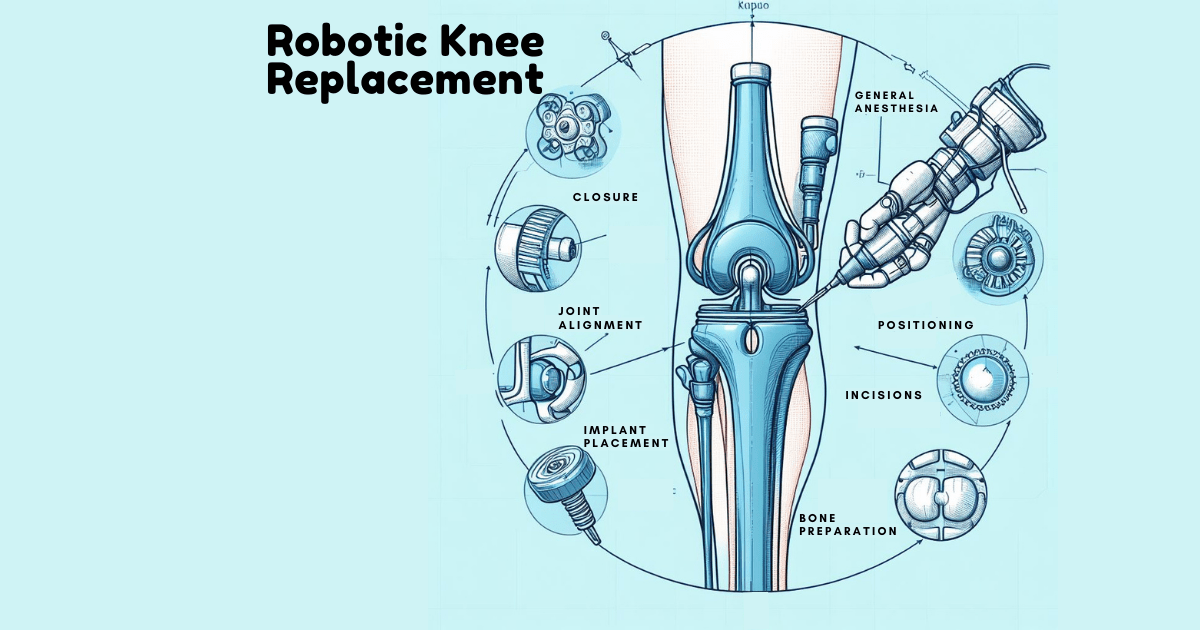
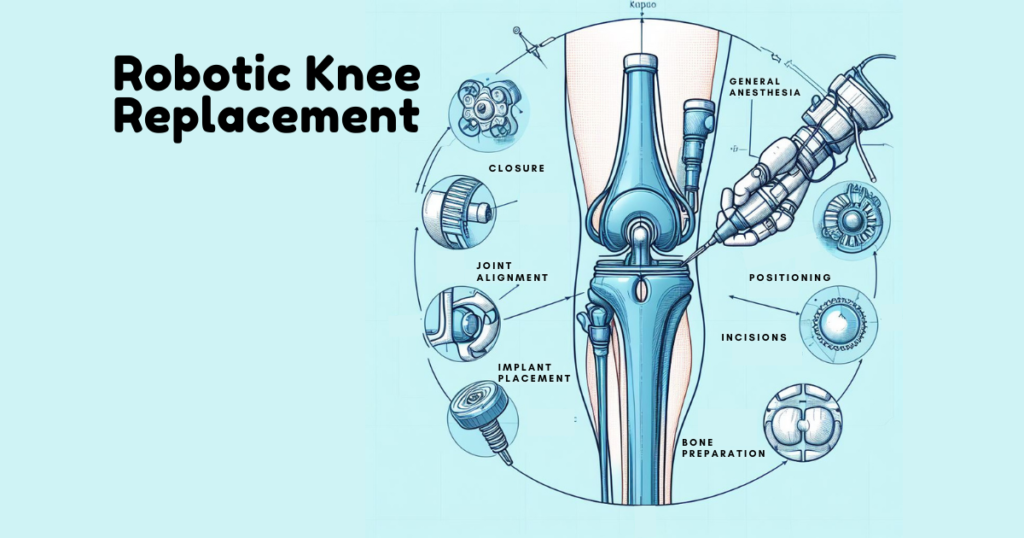
General anesthesia: You’ll be put to sleep to ensure comfort throughout the surgery.
Positioning: You’ll be positioned comfortably on your back, with your knee secured in a specialized holder.
Incisions: Your surgeon will make small incisions around your knee joint.
Bone preparation: Using the robotic arm guided by pre-operative 3D maps, your surgeon will carefully remove the damaged cartilage and bone surfaces.
Implant placement: Precisely measured and sterilized implants are positioned with the robotic arm’s unwavering accuracy, ensuring perfect alignment and stability.
Joint alignment: The robotic arm meticulously fine-tunes the positioning of the implants, optimizing joint stability and range of motion.
Closure: The incisions are carefully closed with stitches or staples.
Recovery:
Hospital stay: You’ll typically spend one to two nights in the hospital under the care of medical professionals.
Pain management: Receive medication to manage post-surgical pain effectively.
Physical therapy: Begin gentle exercises guided by a physiotherapist to promote healing and regain joint mobility.
Discharge: When your condition stabilizes and you can safely manage stairs and basic activities, you’ll be discharged home with detailed recovery instructions.
Remember: This is a general overview, and your individual experience may vary depending on your specific case and surgeon’s preferences. Don’t hesitate to ask your doctor questions and clarify any concerns you might have along the way.
By understanding the process and preparing yourself mentally and physically, you can approach your robotic knee replacement surgery with confidence and optimism. In the next section, we’ll explore the key benefits this advanced technology offers compared to traditional knee replacement methods.
Benefits of Robotic Knee Replacement
Traditional knee replacement surgery, while a life-changing solution for many, isn’t without its drawbacks. Large incisions, extensive tissue damage, and prolonged recovery times can add a layer of apprehension to the journey. But with the arrival of robotic knee replacement surgery, a new dawn of precision, speed, and comfort has emerged.
Here’s why robotic surgery is setting a new standard for regaining your freedom and joy in movement:
1. Surgical Pinpoint Precision: Imagine your surgeon wielding a scalpel with the unwavering accuracy of a robotic arm. That’s the magic of robotic technology. Guided by pre-operative 3D maps, the robotic arm removes damaged bone and cartilage with near-perfect precision, minimizing unnecessary tissue compromise. This translates to:
Better implant fit and alignment: Precise placement ensures optimal joint stability and reduces the risk of complications like implant loosening or instability.
Enhanced joint mechanics: Perfectly aligned components promote natural-feeling movement and improved range of motion.
Minimized risk of nerve or blood vessel damage: The robotic arm’s delicate maneuvers reduce the chance of injuring surrounding structures, further improving recovery and long-term outcomes.
2. Minimally Invasive Approach: Imagine replacing extensive, open incisions for smaller, keyhole-like portals. The robotic approach relies on these smaller access points, significantly reducing tissue trauma and blood loss compared to traditional surgery. This leads to:
Faster healing: Less tissue disruption means your body can focus on its natural healing process, leading to a shorter recovery time and quicker return to your daily activities.
Reduced risk of infection: Smaller incisions minimize the potential entry point for bacteria, lowering the risk of post-operative infections.
Less scarring: Smaller incisions generally translate to less visible scarring, enhancing your aesthetic outcomes.
3. A Shield Against Pain and Blood Loss: Imagine a surgery where blood loss is minimized and pain management is more effective. Robotic knee replacement utilizes advanced techniques that achieve just that:
Reduced blood loss: The precise nature of the procedure and smaller incisions contribute to significantly less blood loss compared to traditional surgery. This lowers the risk of needing blood transfusions and associated complications.
More effective pain management: Minimized tissue damage leads to less post-operative pain. Additionally, robotic surgery allows for targeted pain management techniques, further promoting your comfort.
4. Embracing a Faster Journey Back to Activity: Picture yourself ditching the crutches and regaining your mobility sooner than ever. Robotic knee replacement boasts faster recovery times due to:
Reduced tissue trauma: Less muscle and surrounding tissue damage translates to quicker healing and less rehabilitation needed.
Earlier physiotherapy: With less pain and faster healing, you can begin physical therapy exercises sooner, accelerating your progress towards regaining strength and range of motion.
Shorter hospital stay: Due to the minimally invasive nature and faster recovery, you’ll likely spend less time in the hospital after robotic surgery compared to traditional methods.
5. Unlocking Untapped Potential: Improved Joint Function and Range of Motion: Imagine bending your knee deeper, climbing stairs with ease, and experiencing pain-free movement. Robotic surgery paves the way for:
Enhanced joint stability: The precise placement of implants and superior alignment lead to a more stable joint, allowing for greater confidence and functionality.
Increased range of motion: Improved joint mechanics fostered by robotic surgery translate to wider range of motion, enabling you to perform everyday activities with ease.
Long-lasting results: The precision and stability achieved with robotic surgery contribute to potentially longer implant lifespan and a more durable joint repair.
By embracing the advanced benefits of robotic knee replacement, you can step into a future where pain-free movement and newfound mobility are not just hopes, but tangible realities. In the next section, we’ll explore the recovery process and provide invaluable tips to navigate your journey towards regaining your full potential.
Risks and Complications
While robotic knee replacement offers revolutionary advantages, it’s essential to approach any surgery with an informed mind. Transparency about potential risks and complications empowers you to make confident decisions and navigate your recovery with realistic expectations.
Here’s a look at some potential risks associated with robotic knee replacement, similar to those encountered in traditional surgery:
Infection: Although minimized due to the minimally invasive approach, there’s still a small risk of infection at the incision site. This typically requires antibiotic treatment and, in rare cases, additional surgery.
Blood clots: Deep vein thrombosis (DVT) is a risk factor after any surgery, and robotic knee replacement is no exception. Wearing compression stockings and engaging in early mobilization exercises can significantly lower the risk.
Implant loosening or instability: While rare, implant loosening or instability can occur over time, potentially requiring revision surgery.
Stiffness or limited range of motion: Post-operative stiffness is manageable through consistent physical therapy exercises. In rare cases, additional procedures might be necessary to improve range of motion.
Nerve or blood vessel damage: The robotic arm’s precision significantly reduces this risk compared to traditional surgery. However, there’s still a very small possibility of nerve or blood vessel injury during the procedure.
It’s important to remember that these risks are generally rare and often comparable to those associated with traditional knee replacement surgery. Additionally, advances in technology and surgical techniques are constantly improving the safety and efficacy of robotic procedures.
Open communication with your doctor is crucial throughout your journey. Discuss your individual risk factors and any concerns you might have. Additionally, these resources can provide further information about potential risks and complications of robotic knee replacement.
By having realistic expectations, educating yourself about potential risks, and maintaining open communication with your doctor, you can confidently navigate the recovery process and embrace the life-changing benefits robotic knee replacement has to offer.
You’ve embarked on the journey of robotic knee replacement, and now it’s time to navigate the exciting path of recovery. Remember, this is a partnership between you and your healthcare team, so embrace their guidance and celebrate every milestone along the way. Here are some invaluable tips to ensure a smooth and successful journey back to your fullest potential:
Physical Therapy and Rehabilitation Exercises:
Embrace the Power of Physio: This is your new mantra! Regular physical therapy is crucial for regaining strength, flexibility, and range of motion in your new knee. Your therapist will design a personalized exercise program tailored to your specific needs and progress.
Start Small, Achieve Big: Don’t be intimidated by complex exercises. Begin with gentle movements like leg lifts and ankle pumps, gradually progressing to activities that mimic your daily routines. Consistency is key – small, regular efforts lead to significant gains over time.
Listen to Your Body: While pushing yourself is part of the process, respect your body’s limitations. If you experience pain, discomfort, or swelling, slow down and inform your therapist. Recovery is a marathon, not a sprint, so pace yourself and celebrate every step of the way.
Pain Management Strategies:
Medication Marvels: Your doctor will prescribe pain medication to manage post-operative discomfort. Follow the instructions carefully and don’t hesitate to reach out if the pain feels beyond manageable. Remember, proper pain management allows you to participate in physical therapy more effectively and facilitates faster recovery.
Ice is Your Ally: Cold therapy reduces inflammation and promotes healing. Apply ice packs to your knee for 15-20 minutes at a time, several times a day. Remember to never place ice directly on your skin – a towel barrier is your best friend.
Elevating Elevation: Keeping your knee elevated above your heart level helps reduce swelling and promotes drainage. Invest in comfortable pillows or specialized wedges to elevate your knee while resting or sleeping.
Returning to Daily Activities:
The Gradual Climb Back: Start small – ditch the crutches when you feel confident, reintroduce simple tasks like showering and cooking, and gradually build up to activities you enjoy. Walking short distances will become easier over time, and soon you’ll be tackling stairs and conquering daily routines with your newly empowered knee.
Listen to Your Doctor: Don’t rush the process. Your doctor will provide a timeline for resuming specific activities based on your individual progress. Trust their expertise and avoid pushing yourself too hard, as it can hinder your recovery.
Embrace Support: Don’t be afraid to lean on your loved ones for help during this time. Delegate tasks, accept assistance, and allow yourself to focus on your recovery. Remember, a supportive network is your strength and can significantly influence your emotional and physical well-being.
By following these tips, maintaining clear communication with your healthcare team, and embracing a positive mindset, you can navigate the recovery process with confidence and emerge stronger and more mobile than ever before. As you regain your strength and rediscover your freedom of movement, remember that this journey is a testament to your courage and resilience. Celebrate every milestone, big or small, and bask in the joy of reclaiming your active life.
The Conclusion of Your Journey
Robotic knee replacement surgery isn’t just a procedure; it’s a gateway to a future brimming with newfound mobility and pain-free movement. We explored the revolutionary advances this technology offers, unveiling a world where:
Unwavering precision: The robotic arm guides your surgeon with unparalleled accuracy, ensuring optimal implant placement and improved joint mechanics.
Minimally invasive approach: Smaller incisions translate to faster healing, less blood loss, and reduced risk of infection, paving the way for a smoother recovery.
Faster return to activity: Embrace shorter hospital stays, quicker rehabilitation, and a faster journey back to the activities you love.
Enhanced joint function and range of motion: Experience improved stability, wider range of motion, and long-lasting results for a truly transformative experience.
But remember, choosing the right path for your knee health is a personal decision. While robotic surgery presents a groundbreaking option, explore all avenues and consult with a qualified orthopedic surgeon. Discuss your individual needs, understand your options, and determine if robotic surgery is the key that unlocks your future of pain-free movement.
Take the first step toward a brighter future. Research further, consult with your doctor, and embrace the empowering possibilities that robotic knee replacement surgery offers. Remember, knowledge is your guiding light on this journey, and informed decisions pave the way to a life filled with mobility, joy, and endless possibilities.
What is Robotic Knee Replacement Surgery?
Robotic knee replacement surgery utilizes a surgeon-guided robotic arm for precise bone preparation and implant placement.
How Does Robotic Surgery Differ from Traditional Knee Replacement?
Robotic surgery differs by using smaller incisions, reducing tissue trauma, blood loss, and promoting faster recovery compared to traditional methods.
What Conditions Can Robotic Knee Replacement Address?
Robotic knee replacement can address conditions like severe osteoarthritis, rheumatoid arthritis, and post-traumatic arthritis.
How Long Does the Recovery Process Take After Robotic Knee Replacement?
Recovery involves one to two nights in the hospital, pain management, physical therapy, and a gradual return to daily activities.
Is Robotic Knee Replacement Suitable for Everyone with Knee Pain?
No, robotic knee replacement is best suited for those with advanced knee joint degeneration where other treatments have proven ineffective.
How Can Patients Optimize Their Recovery Experience?
Patients can optimize recovery through consistent physical therapy, effective pain management, and gradually resuming activities while respecting their body’s limits.
What is the success rate of robotic knee surgery?
Typically, knee replacement surgery boasts an average success rate of approximately 95%. However, opting for robotic knee surgery significantly lowers the complication rate associated with the procedure.
Which knee replacement is best?
The most prevalent material combination for knee implants is metal-on-plastic. Specifically, cobalt-chromium is the commonly chosen metal due to its biocompatibility and high durability. In the realm of plastics, Polyethylene is the preferred choice over other options.
How much does a robotic knee cost?
The reported cost estimates for Total Knee Arthroplasty (TKA) procedures vary, ranging from $12,380 for government-covered insurance to $16,094 for private or commercial payers.
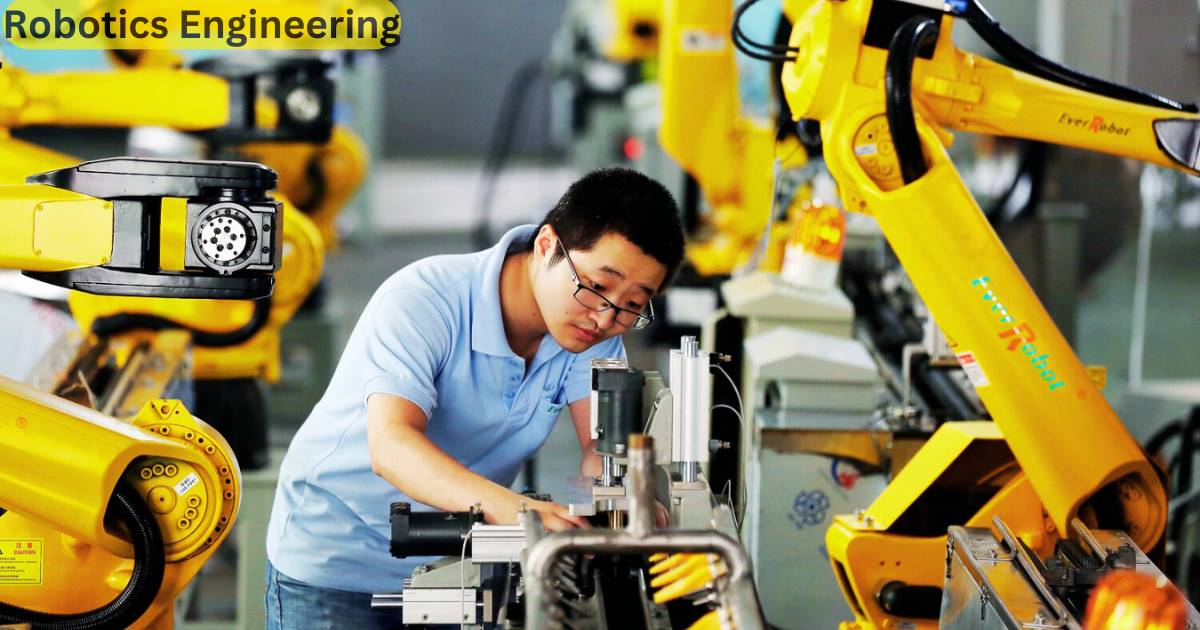
Are you wondering how to become a robotics engineer? Robotic engineering is a field that involves designing, developing, and maintaining robotic systems. Robotics engineers are professionals who specialize in the design, development, and maintenance of robotic systems. They typically work in industries such as manufacturing, healthcare, and aerospace, where they design robots to perform tasks that are dangerous, repetitive, or otherwise difficult for humans to accomplish.
Robotics engineers may also work on the development of autonomous robots that can perform tasks without human intervention. To embark on the path of becoming a robotics engineer, you will need a combination of education, experience, and specialized skills. In this article, we will learn all the steps and skills you need to become a robotic engineer.
How to Become a Robotics Engineer: The Necessary Steps
Embarking on a career as a robotics engineer requires a strategic approach. This guide demystifies the essential steps you must take, equipping you with the knowledge and skills to navigate your path to robotic innovation. To become a robotics engineer, you need to follow these steps:
Educational Foundation:
Obtain a bachelor’s degree in robotics engineering, electrical engineering, mechanical engineering, or computer science.
High School Preparation:
Take advanced math and science courses in high school to prepare for a degree in robotics.
Continuous Learning:
Attend professional conferences to stay up-to-date with the latest technology and share new ideas with other experts.
Specialization:
Specialize in areas such as mobility, locomotion, sensing and perception, operator interface, manipulators and effectors, or programming.
Hands-on Experience:
Gain experience by working on-site at manufacturing plants, overseeing robots as they operate on assembly lines.
Develop robotic applications across various industries, including automotive, aerospace, manufacturing, defense, and medicine.
By following these steps, aspiring robotics engineers can build a strong educational foundation, stay informed about industry advancements, specialize in specific areas of interest, and gain hands-on experience in real-world applications. This comprehensive approach prepares individuals for a successful career in the field of robotics engineering.
What are some skills required for robotics engineering?
Robotics engineering might sound like something straight out of science fiction, but the reality is far more exciting and tangible. It’s a rapidly evolving field that blends the precision of engineering with the magic of innovation, demanding both technical prowess and creative problem-solving.
To navigate this dynamic world and build robots that push boundaries, you’ll need to cultivate a diverse skill set. Here are some of the most essential skills required for robotics engineering:
Programming: Robotics engineers must have a strong foundation in programming languages such as Python, C++, and Java.
Mathematics: Robotics engineering involves complex mathematical concepts such as linear algebra, calculus, and probability theory.
Mechanical Engineering: Knowledge of mechanical engineering principles is essential for designing and building robots.
Electrical Engineering: Robotics engineers must have a solid understanding of electrical engineering concepts such as circuit design, control systems, and signal processing.
Problem-solving: Robotics engineers must be able to identify problems and develop solutions to overcome them.
Creativity: Robotics engineers must be creative in developing new ideas and solutions to problems.
Communication: Robotics engineers must be able to communicate effectively with other team members and stakeholders.
Attention to detail: Robotics engineers must have excellent attention to detail to ensure that robots are designed and built correctly.
How many years does it take to become a Robotics Engineer?
To become a robotics engineer, a bachelor’s degree in robotics engineering, electrical engineering, mechanical engineering, or computer science is essential, typically requiring four years of full-time study. However, starting from scratch may require a Ph.D. or master’s degree (or equivalent professional experience) and at least 3 years of practical experience.
As a robotics engineer, responsibilities include designing, building, maintaining, and repairing robots. Additionally, you will conduct research and develop new applications for existing robots, serving various purposes such as exploration of other planets and applications in factories.
The field of robotics engineering is an interdisciplinary one, combining electrical engineering, mechanical engineering, and computer systems engineering. Robotics engineers have the option to specialize in areas like mobility, locomotion, sensing and perception, operator interfaces, manipulators, and effector programming.”
Here are some popular robotics engineering programs that you might find interesting:
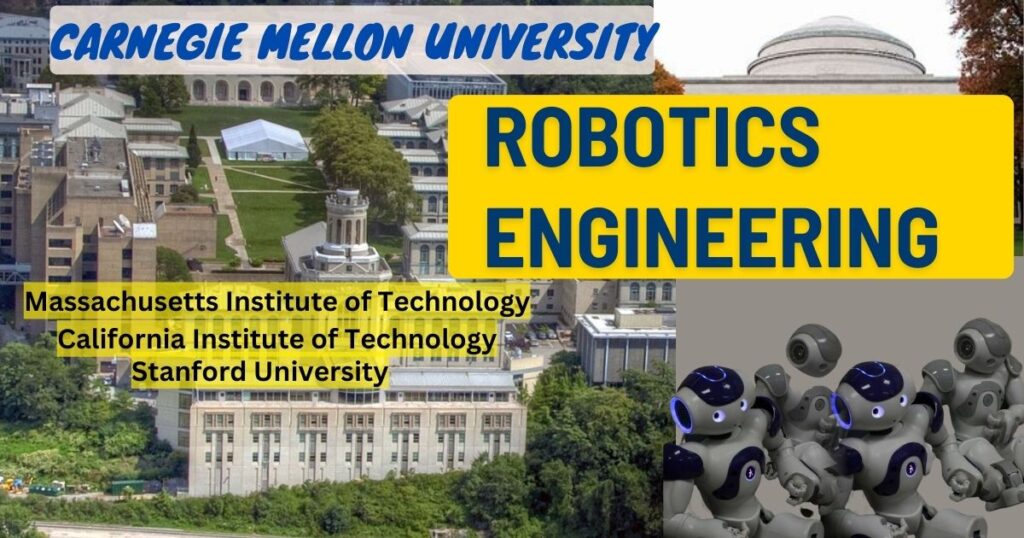
Carnegie Mellon University (Pittsburgh, PA, USA): Offers a Bachelor of Science in Robotics Engineering and a Master of Science in Robotics.
Massachusetts Institute of Technology (Cambridge, MA, USA): Offers a Bachelor of Science in Electrical Engineering and Computer Science with a concentration in Robotics.
Worcester Polytechnic Institute (Worcester, MA, USA): Offers a Bachelor of Science in Robotics Engineering and a Master of Science in Robotics Engineering.
California Institute of Technology (Pasadena, CA, USA): Offers a Bachelor of Science in Mechanical Engineering with a concentration in Control and Dynamical Systems.
Stanford University (Stanford, CA, USA): Offers a Bachelor of Science in Computer Science with a concentration in Artificial Intelligence and Robotics.
University of California, Berkeley (Berkeley, CA, USA): Offers a Bachelor of Science in Electrical Engineering and Computer Sciences with a concentration in Robotics and Control.
University of Washington (Seattle, WA, USA): Offers a Bachelor of Science in Electrical Engineering with a concentration in Robotics and Controls.
How much does it cost to study robotics engineering?
The allure of robotics engineering beckons—the power to create intelligent machines that shape our world is an undeniable draw. But before diving headfirst into circuits and code, a crucial question arises: how much does it cost to turn your robotics aspirations into reality?
While the exact figures can vary depending on your chosen path, let’s delve into the cost landscape:
University Tuition: As CareerExplorer suggests, the average yearly tuition for a robotics engineering degree in the US sits at around $9,637. But remember, this is just an average. Public universities generally offer lower tuition, while prestigious private institutions can significantly bump up the price tag.
Beyond Tuition: Factor in additional expenses like course materials, living costs, and potential fees. Textbooks, software, and specialized equipment can add up, and living expenses near universities can vary greatly. Don’t forget application fees, entrance exams, and potential travel costs for campus visits.
Location, Location, Location: The country you choose to study in significantly impacts the cost. European universities often offer lower tuition compared to their US counterparts, while some Asian institutions might present even more affordable options. Remember to factor in living costs and visa requirements when comparing international programs.
Alternative Routes: Not everyone opts for the traditional university path. Community colleges can offer more affordable associate’s degrees or certificates in robotics technology, providing a stepping stone to further education or even industry entry. Bootcamps and online courses are also emerging options, offering intensive training at varying costs.
Scholarships and Financial Aid: Don’t be discouraged by the numbers! Explore scholarship opportunities offered by universities, government agencies, and even robotics organizations. Financial aid options like grants and loans can ease the financial burden. Remember to research and apply early to maximize your chances of securing aid.
Remember, the cost of pursuing robotics engineering is an investment in your future. Carefully weigh the financial aspects with your passion and career goals. With dedication and resourcefulness, you can find the path that unlocks your robo-dreams!
Careers in Robotics Engineering
Robotics engineering isn’t just about building cool robots. It’s a rapidly evolving field brimming with diverse career paths, each offering unique challenges and opportunities to impact the world. So, if you’re drawn to the intersection of technology, innovation, and problem-solving, buckle up—we’re about to dive into the exciting world of robotics engineering careers!
1. The Mastermind Builders:
Design Engineer: Conceptualize and design robots, from their mechanical structure to their electrical systems and software. Think “Iron Man,” but with actual engineering know-how!
Control Systems Engineer: Breathe life into robots by developing the algorithms and software that control their movements and interactions with the environment. Picture yourself coding the brains behind the brawn!
Manufacturing Engineer: Oversee the production of robots in factories, ensuring quality and efficiency. This role is all about optimizing robotic assembly lines, a crucial step in bringing robot dreams to life.
2. The Robot Whisperers:
Field Robotics Engineer: Develop robots for outdoor applications, like search and rescue missions, agricultural tasks, or exploring Mars! Think rugged robots working in challenging environments.
Medical Robotics Engineer: Design and build robots for healthcare, from surgical assistants to rehabilitation tools. This path lets you combine your passion for technology with making a real difference in people’s lives.
Service Robotics Engineer: Create robots that interact with humans in everyday settings, like domestic robots, customer service assistants, or even robotic companions. Imagine shaping the future of human-robot interaction!
3. The Innovation Trailblazers:
Research and Development Engineer: Push the boundaries of robotics by pioneering new technologies and applications. Be at the forefront of developing robots for fields like underwater exploration, space exploration, or even artificial intelligence.
Robotics Software Developer: Design and develop the software that powers robots, from their operating systems to their machine learning algorithms. Think of yourself as the software architect for the next generation of robots!
Robotics Entrepreneur: Strike out on your own and build your own robotics company! This path requires a blend of technical expertise, business acumen, and a healthy dose of entrepreneurial spirit.
Remember, this is just a glimpse into the diverse landscape of robotics engineering careers. With its ever-evolving nature, new opportunities are constantly emerging, waiting for passionate individuals like you to shape the future! So, if you’re ready to explore the exciting world of robots and make a real impact, start your adventure in robotics engineering today!
How much do robotics engineers make?
According to CareerExplorer, the average yearly salary for robotics engineers in the United States is $100,640. However, the salary of robotics engineers can vary depending on factors such as years of experience, educational background, specialization, and industry.
Glassdoor reports that the average yearly wage for robotics engineers in the US is $100,273. Robotics engineers can earn additional income through profit sharing, bonuses, or commissions.
The highest-paying cities in the USA for Robotics Engineers
The allure of robotics engineering isn’t just about building cutting-edge robots; it’s also about unlocking a rewarding career path. And when it comes to financial rewards, some cities in the USA shine brighter than others. So, pack your bags, aspiring roboticists, because we’re about to embark on a journey to the top-paying havens for your future profession!
Pittsburgh, Pennsylvania: Steel City Forges a Robotics Future ($98,929 per year): Don’t underestimate Pittsburgh’s robotics prowess! The city is transforming, leveraging its industrial heritage to become a leader in robotics research and development. This translates to a growing job market with promising salaries, making it an attractive option for those seeking affordability alongside career growth.
Pasadena, California: Following in the Footsteps of Robotics Giants ($143,168 per year): Home to the renowned California Institute of Technology (Caltech), Pasadena has a long-standing legacy in robotics development. This heritage translates into a thriving job market with attractive salaries, making it an ideal spot for those seeking to be part of a dynamic and established robotics community.
Boston, Massachusetts: Where History Meets Robotics Prowess ($154,477 per year): Steeped in academic excellence and cutting-edge research, Boston is a hub for robotics innovation. From world-renowned universities to leading tech companies, the city offers ample opportunities for high-paying robotics engineering jobs, along with a rich cultural scene to explore.
Austin, Texas: Innovation Hub with a Southern Charm ($118,192 per year): Austin’s booming tech scene extends to robotics, offering a plethora of exciting opportunities with competitive salaries. Beyond the financial aspect, the city’s vibrant live music scene, diverse food scene, and laid-back atmosphere create an appealing work-life balance for robotics engineers.
Santa Barbara, California: Dreaming of Robots and Beach Views ($183,078 per year): Imagine basking in the Californian sunshine while designing robots that push the boundaries of innovation. Santa Barbara offers the highest average salary for robotics engineers in the US, making it a dream destination for those seeking both financial success and a vibrant coastal lifestyle.
Conclusion
To become a successful robotics engineer, one should have a combination of technical and soft skills. This includes obtaining a bachelor’s degree in robotics engineering, electrical engineering, mechanical engineering, or computer science, gaining experience through internships, and developing technical skills in programming, control systems, and mechanical design.
Soft skills like communication, teamwork, and problem-solving can be developed through group projects, volunteering, or courses. Staying updated with the latest technology and specializing in areas like mobility, locomotion, sensing, and perception can increase success.